Patterns and Tessellations

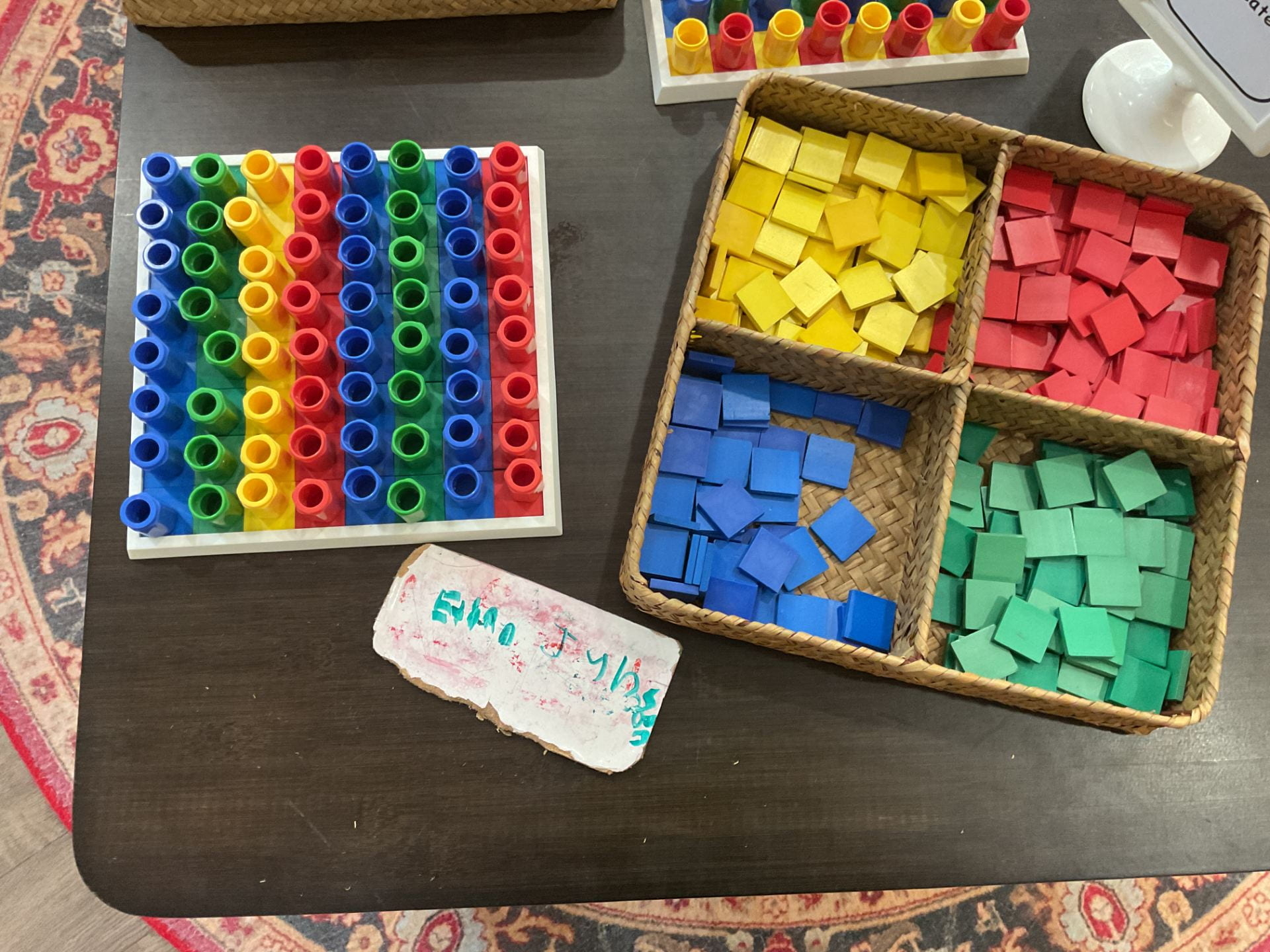
The children have been exploring, creating and playing with a range of coloured manipulatives in different spaces around the campfire.

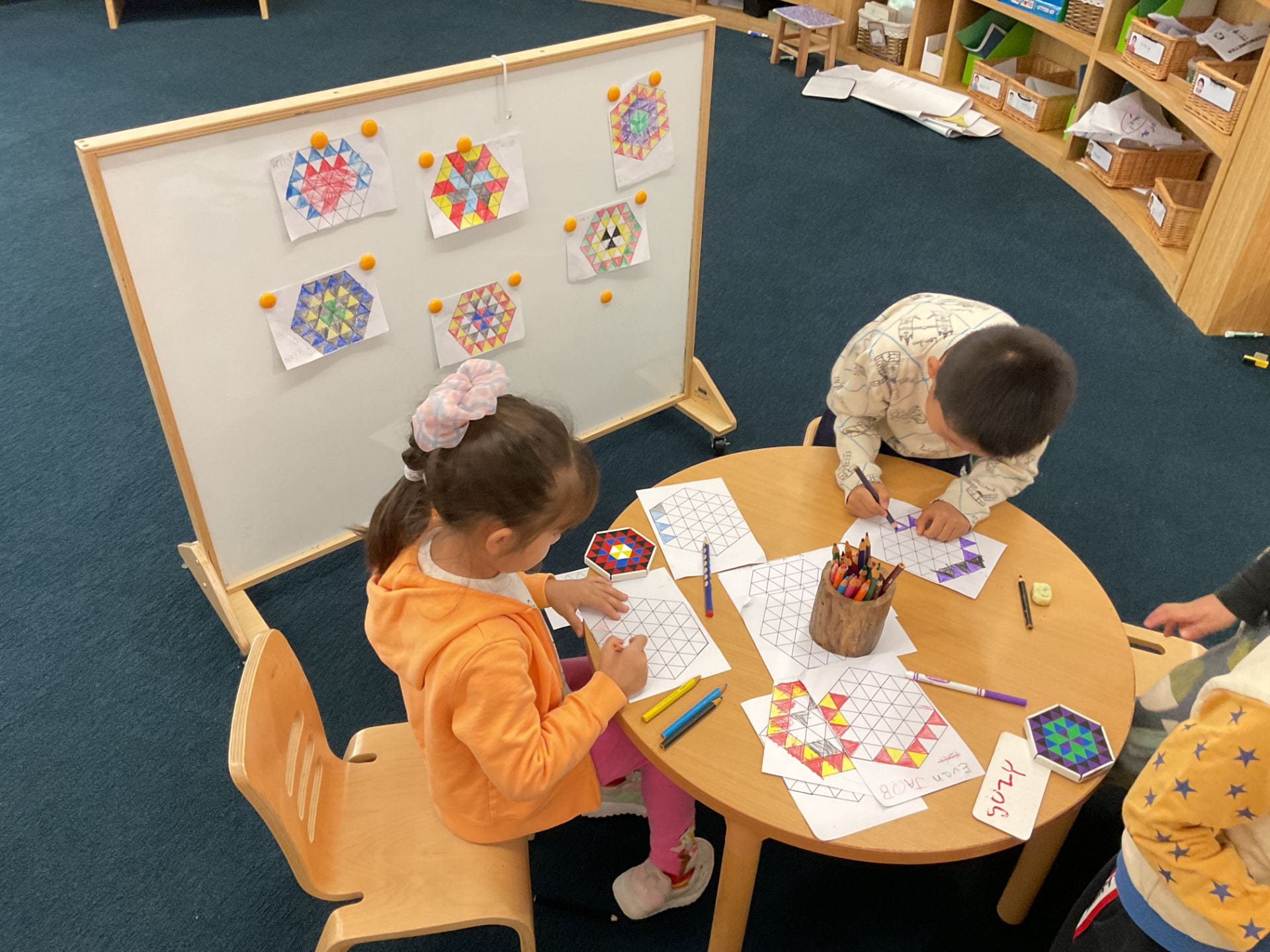
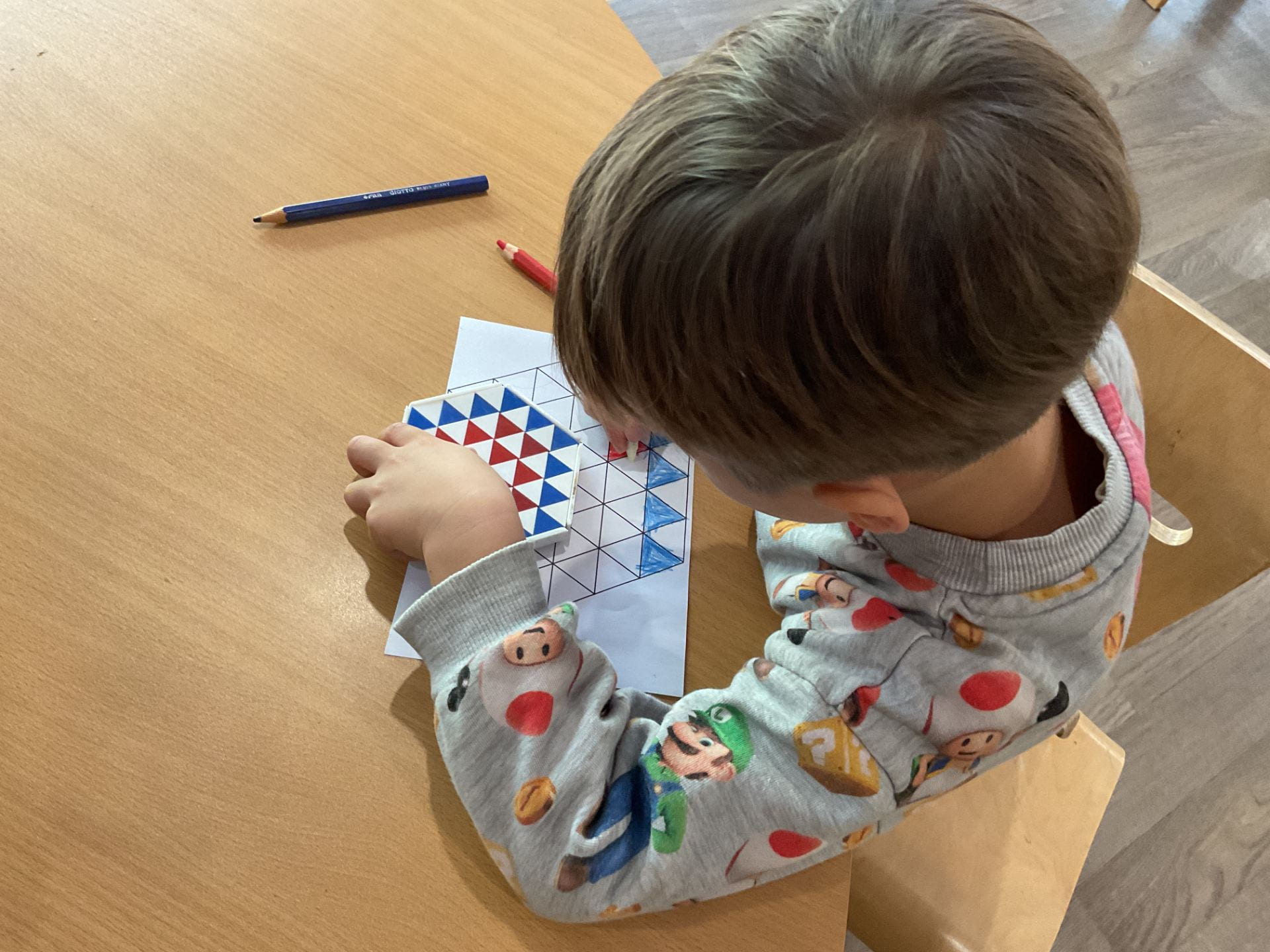
We have noticed them using the colour tiles to create patterns and pictures. They have also been using triangular shapes to create growing patterns and tessellations. A tessellation is a pattern of geometric shapes that fit together perfectly on a plane without any gaps or overlaps and can repeat in all directions infinitely.

These incredible designs and patterns reflect the children’s ability to notice and follow sequences to create complex designs. We have noticed how they work together, discussing their ideas and making choices to create. We have noticed the children’s focus and attention as they spend extended periods around the invitation, creating and then documenting their final work using technology. Their choices are intentional and thought out.

The children explained that they had decided to take out the suggested templates as they wanted to create their own designs using the triangular shapes which showed their interest to make and extend using their creativity.  

We wondered how the children would represent and transfer these designs and creations in different ways. We decided to offer the children an opportunity to think about and transfer these patterns and designs into a new medium.

The World of Shapes

Story #1

Riccardo was exploring the kinetic sand in the Early Years to create shapes. He said, “I can show you something. I made a ball and I can turn this ball into an oval.”

Riccardo’s explanation shows his developing understanding of the characteristics of shapes.

Story #2

Throughout the day, we often gather on the carpet in a circle to share ideas, discuss wonderings, or explore new concepts. One morning, the children discussed their seating spots, triggering a discussion about the purpose of gatherings and the importance of a shape.

Jacob noticed that the class community didn’t make a ‘circle’ explaining, “This is not a circle, this is like a oval.” We drew a circle on a whiteboard and asked Jacob to explain the difference. He drew on the whiteboard to share his explanation, “A oval are the circle but you pull out the sides a little bit.”

We also used a beaded chain to demonstrate Jacob’s idea. This led to a discussion about the importance of the circular shape when we sit together, as everyone can be seen and everyone feels included.

Story #3

Euno, Dahyun and Sea were creating structures using different coloured cubes.

Euno counted the shapes on one side as she wanted to know how many shapes she had used in her design. How do we use shapes to make shapes?

Sea used her shapes differently, focusing on creating a rainbow pattern. We wonder how many more shapes she used each time her colour grew.   

Story #4

Evan, George and Jacob had created a house for Little Panda using different shapes. They were trying to figure out how many shapes they had used and estimated to solve the problem. Jacob pointed out that he saw ‘a square on each side of the structure!’ We wondered how many shapes they used in total to create the final structure and if we could identify some of these shapes.

We look forward to diving deeper into the ‘world of shapes‘ to learn more about them, to explore how shapes could impact the choices we make.


The Rainbow

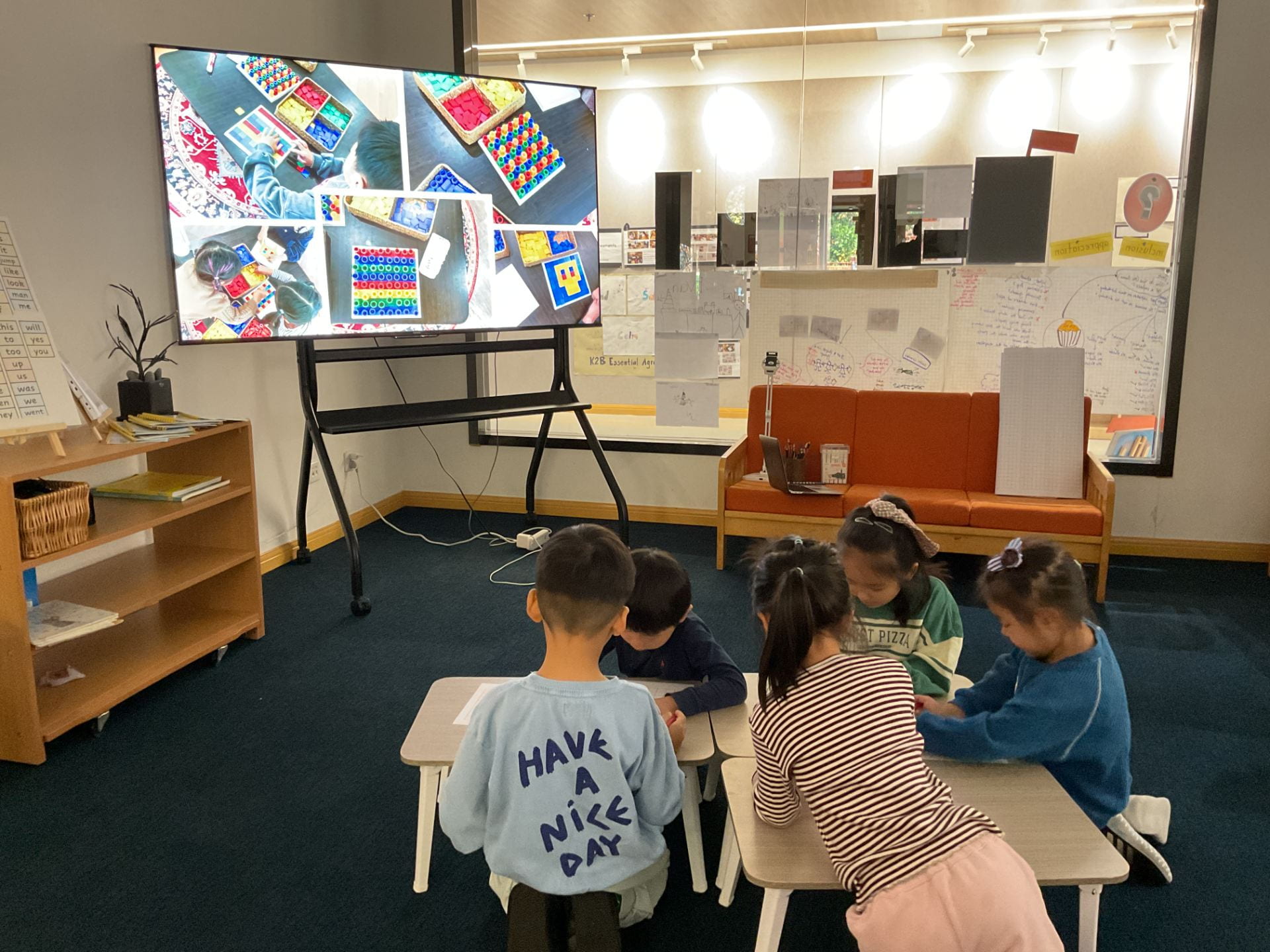
Noticing the questions and wonderings the children had about Sea’s rainbow, we decided to print the photograph and present it back to the children.

What did they notice?

  • Isabella I see coloured blocks”
  • Adalyn “It’s like a rainbow.”
  • Suzy “It looks like a rectangle.”
  • Evan “I see so many colours in the picture, six colours.”

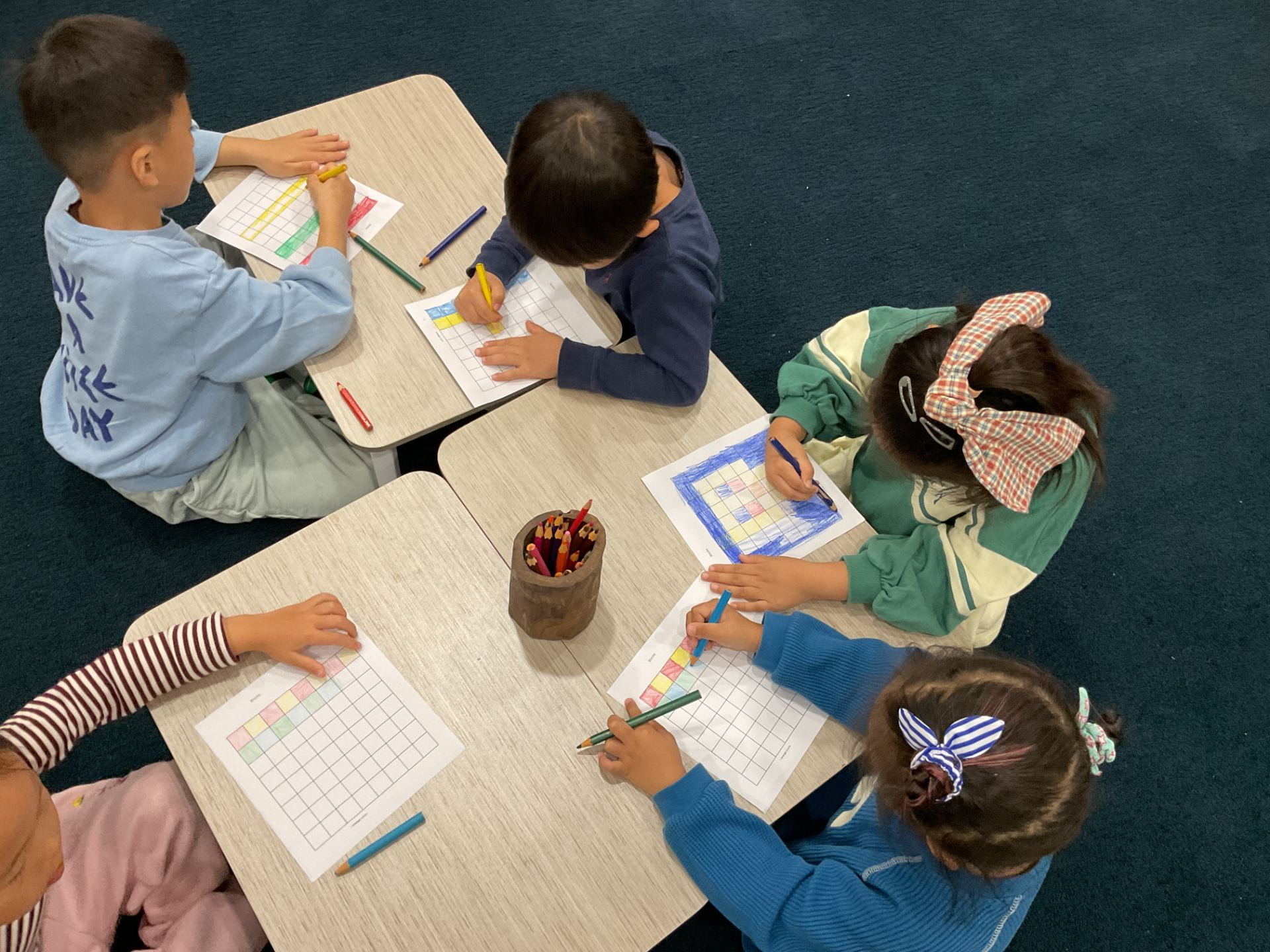
We wondered how the children may represent what they see. They worked independently using lines, shapes and colours to represent their observations on paper.

Next, we gathered to look at each other’s pictures and share what we noticed.

  • Isabella “I see some small square blocks.” The children agreed with Isabella’s observations.
  • “It has colours like a rainbow.” Explained Ethan making connections with what he already knows about colours.
  • Adalyn “It has a rectangle!”

How would we draw a rectangle? What would we need to remember?

  • Evan began to explain his thinking, using gestures to show straight lines that are connected. We illustrated his ideas on the chart paper, “two sides are long and two sides are shorter.”

How many square blocks did Sea use to create her rainbow?

  • Isabella thought hard and decided to share an estimate (a good guess) “Maybe 100 blocks because it’s too many blocks we can’t count.”
  • Suzy began to count the colours with the rest of the class joining in to help.

2 red, 1 purple, 5 blue, 9 green, 13 yellow and 17 orange cubes were used.

We wonder how we might work out how many cubes were used in all.  


As the young mathematicians went out to explore the classroom spaces, we witnessed more rainbows scattered across the classroom.

Sea seems to have inspired her friends with her rainbow structure!

Mosaics

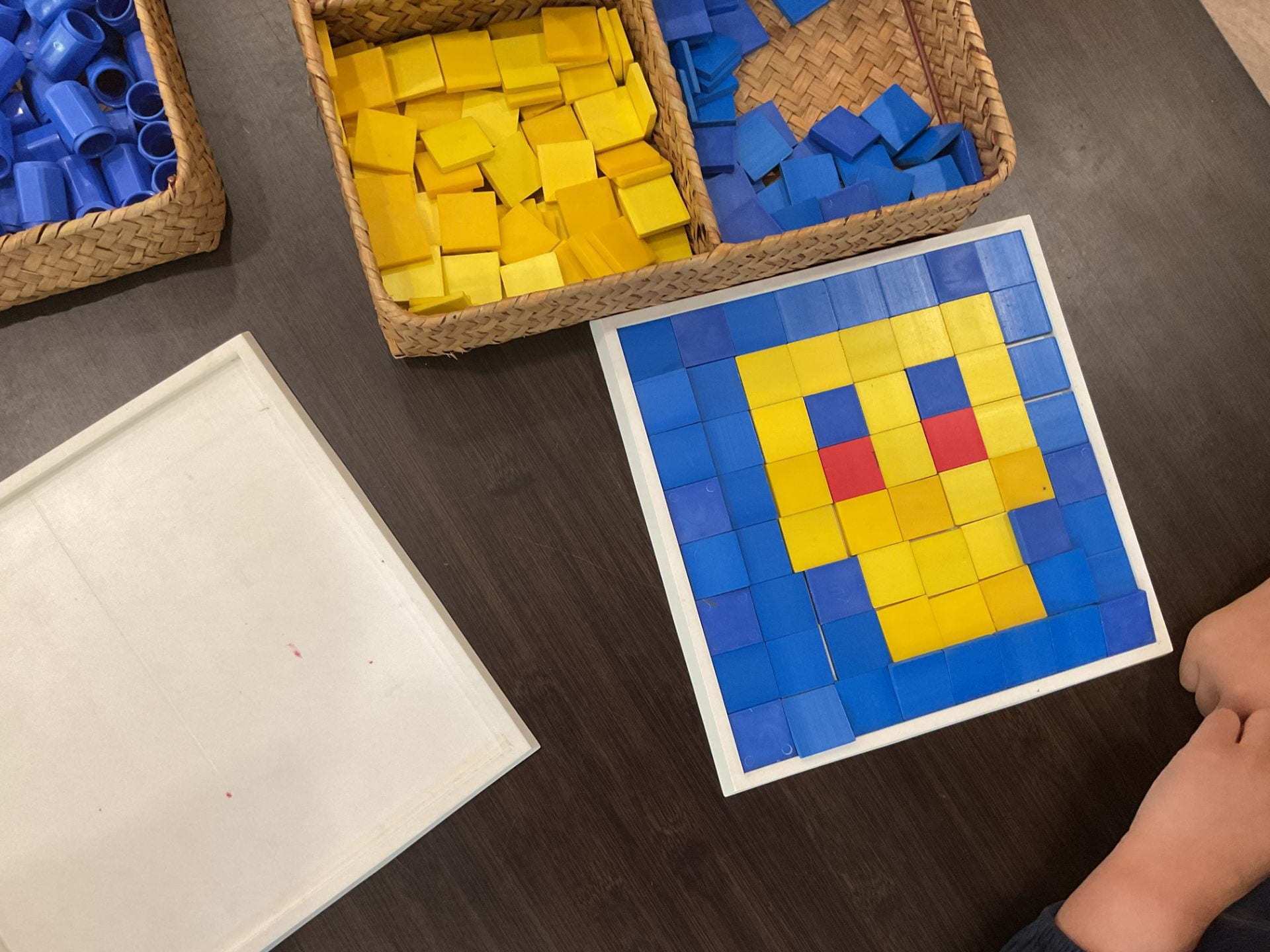
Noticing the children’s interest in symmetry, patterns and designs, we invited the children to use their creative minds to design and create with pattern blocks. The mosaic artists began to gather around the table, exploring the materials and carefully choosing the shapes and colours to create beautiful designs.

We noticed that many of the designs were symmetrical. The mosaic artists also created images of familiar objects and animals. When creating art, the artists were making choices to construct meaning about the world around them. Their experiences and imagination inspired them to create. When their designs were complete, the artists placed their names next to their designs and documented their creative art.

Some pieces were independent projects and others were created in collaboration with others. We noticed that the children found joy in creating, learning and expressing themselves while working on their designs. They are learning that the creative process involves joining in, exploring and taking risks. The mosaic artists worked diligently, taking responsibility for the care of tools and materials.

Our observations of the children’s work show us how interested they are in colours, shapes, patterns and designs as an art form. We know that their artwork has meaning. We know their creations are inspired by their curiosity in the world around them. We look forward to offering the children experiences that allow them to explore their creativity further.  

Loose Parts Invitation-Mandalas with Nature Loose Parts

Distance Learning Provocations

Focus: Creativity, Nature and Mathematics

We have used loose parts to play games, tell stories and create artwork.

What are Mandalas?

Mandalas have colourful, detailed geometric patterns. They are often in a circular shape or they have points. They have shapes such as circles, diamonds, triangles, ovals, half circles and much more. You can use leaves, flowers, grass, sticks, twigs, feathers, small pebbles, rocks, shells or anything you like.

Today we invite you to make Mandalas using natural materials.

Watch the video to see an example

Go on a hunt to find your loose parts. Then, create a Mandala or picture with everything you’ve collected.

Paper Airplane Challenge!

Distance Learning Provocations

Focus: Design, Research Skills and Thinking Skills

Click on the link to see the different paper airplane designs.

Make two or more paper airplanes. You can decorate your airplanes however you like before you fly them.

Once your airplanes are made, go outside and test how far they can go. You might want to take a video of you flying your airplanes.

Once you fly your airplane THREE times come back to Seesaw and share what you learned.


Noticing Symmetry in Nature

We have observed the children exploring symmetry through their play with loose parts. They have been creating designs, pictures and patterns that are symmetrical. Some of the children’s block-work structure designs were also symmetrical.

Observing this exploration into symmetry, Ms. Jo presented images of structures to the children.

We know that designers sometimes get their ideas from nature with their observing eyes. One of the ideas they get is to use different lines in their design. For example, some designers use lines of symmetry when designing architecture. The children noticed the line of symmetry in the buildings the teacher presented.

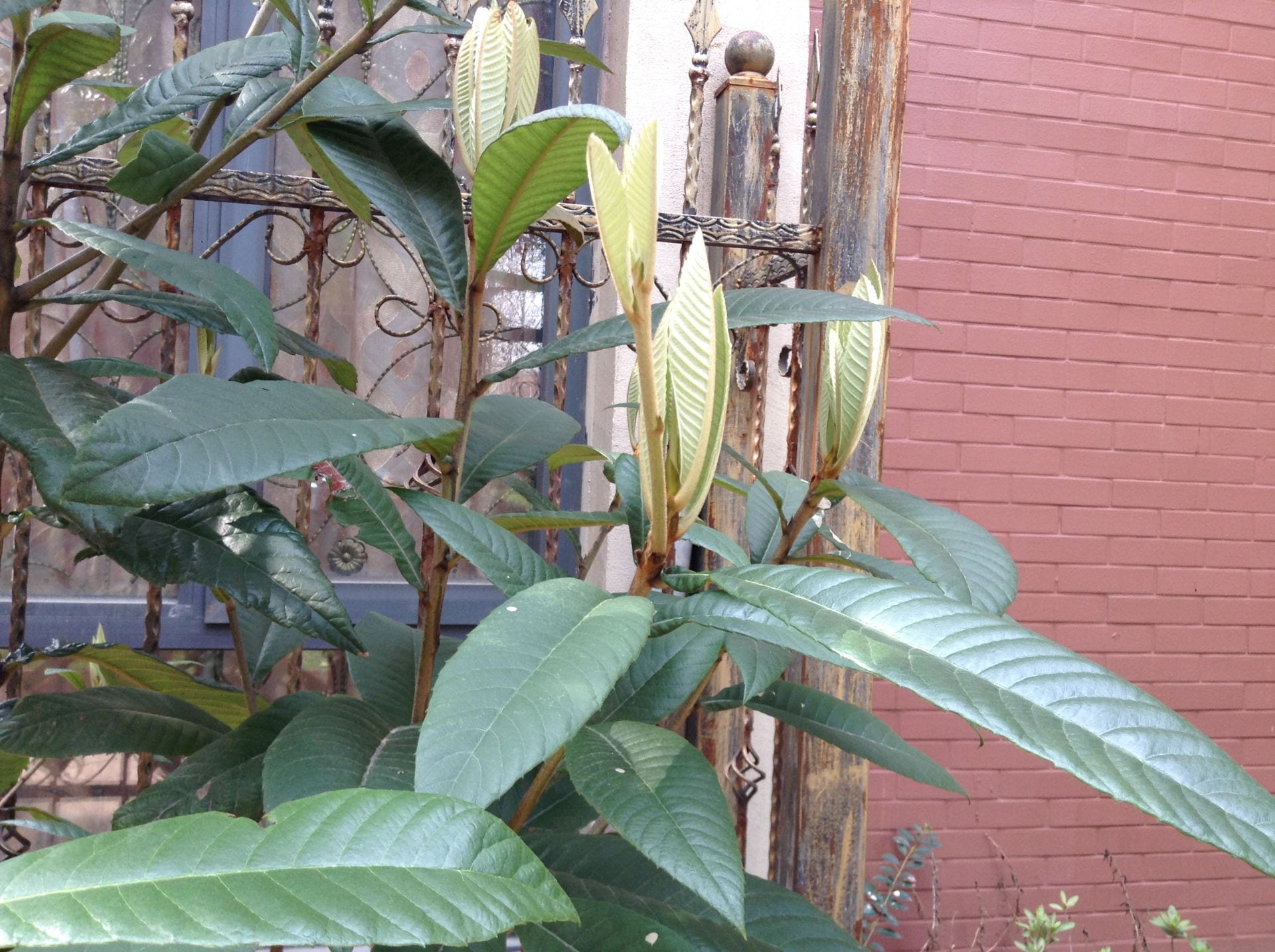
Based on students’ interest in symmetry, we planned a visit to the playground, bamboo forest and garden plots to see if we could find symmetry in nature. We know that conducting research involves looking closely to find out more, asking questions to understand, sharing ideas to make connections, and using our senses to understand the world around us.

A flexible film with a single line was provided to help the children with their research. They wondered around the different spaces, looking for evidence of symmetry.

The children found leaves, seeds, sticks and other objects that had symmetrical lines. They were excited to see that even feathers could be symmetrical!

We wonder where our inquiry into symmetry might take us next!

Research and Inquiry Skills

  • Pose and respond to questions
  • Gather information from a variety of sources – places and materials.
  • Use all senses to observe and notice details.
  • Notice relationships and patterns.
  • Share observations and ideas.

Square Colour Tiles

Exploring Shape, colour, patterns and designs.

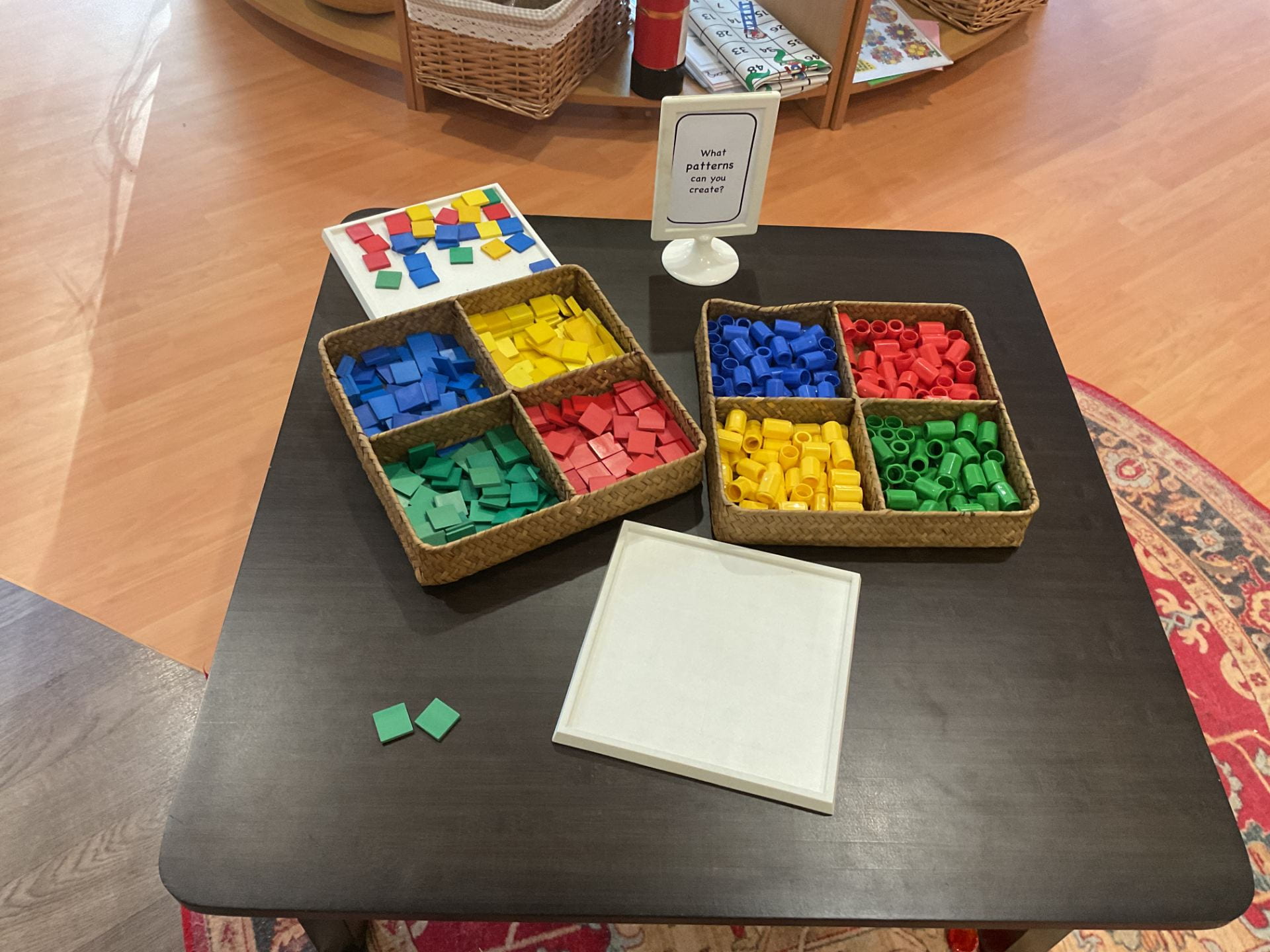
We have noticed the children showing a special interest in colourful loose parts that can be used to create patterns and pictures.

To help them explore this further, we decided to give the children frames, trays and square colour tiles in four colours: red, blue, green and yellow. These tiles are a great resource that can be used creatively to explore a range of mathematical concepts.

One student decided to sort the heap of tiles into the 4 different colours to make it easy to find the ones his friends needed.

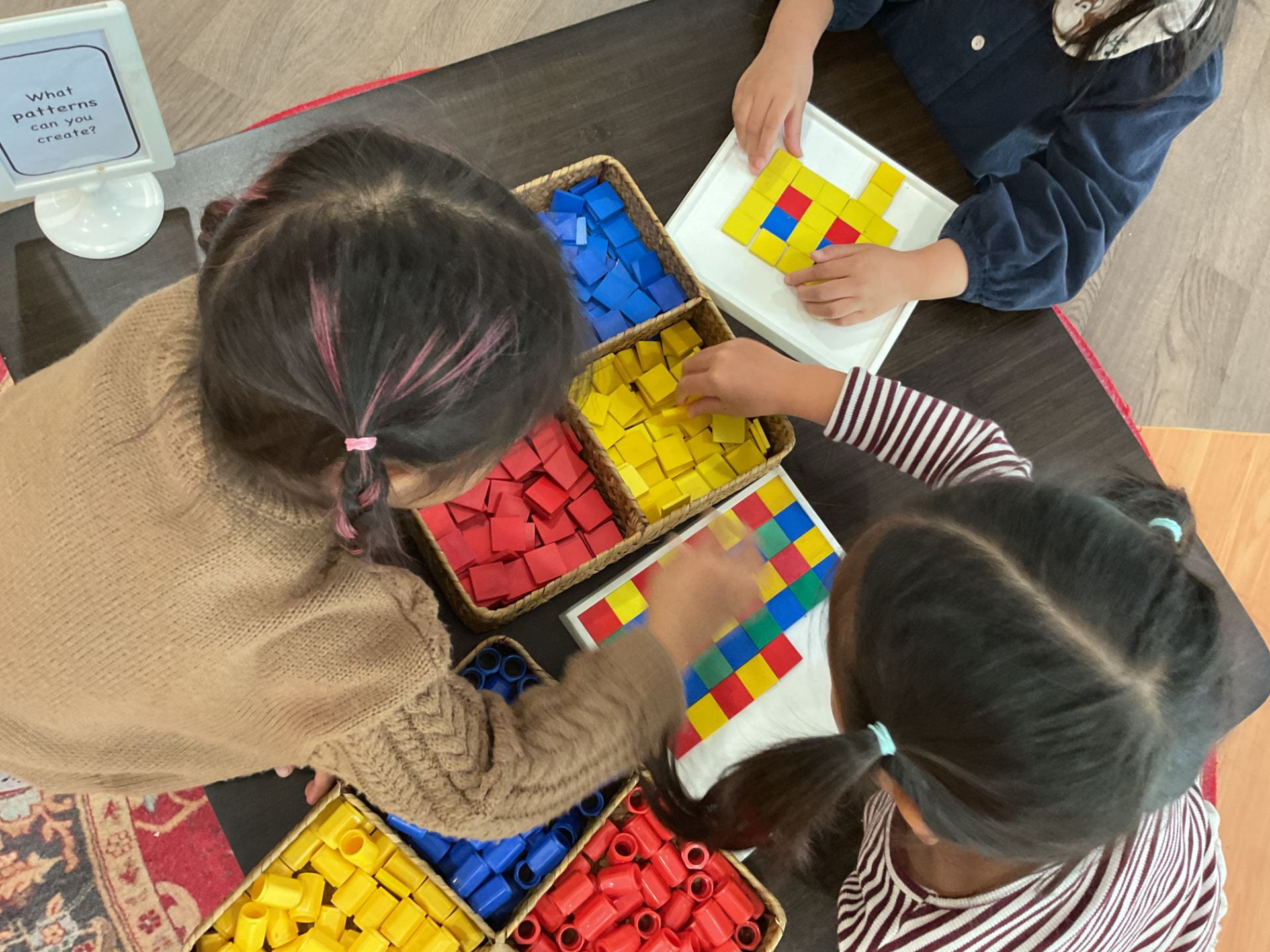
The children began by placing squares around the edge of the tray and then working their way towards the center, each square shape was a different colour.

Then, they began to create other patterns. Straight line colour patterns, repeating patterns and other creative designs using the 4 colour tiles.  

The children were encouraged to share and talk about the different designs they created. This allowed the children to extend their mathematical vocabulary and knowledge of concepts about pattern, number, symmetry, shape, size and design. We noticed the children working collaboratively, sharing the resources, taking turns and caring for the material they used. 

Fractions and Measurement

We began by brainstorming ‘What we already know about ‘fractions.

Then, we watched a video on BrainPopJr. to learn more about fractions. 

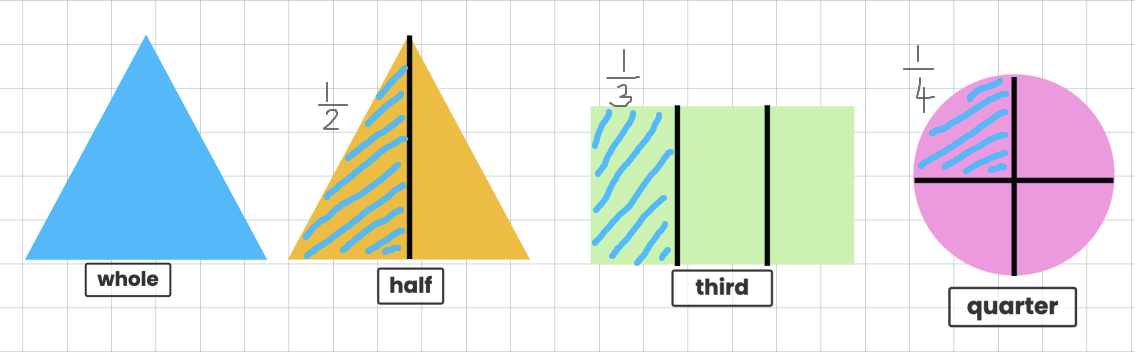
We noticed that a fraction tells you the number of parts out of a whole.

The students drew pictures to recognise 1⁄4, 1⁄3 and 1⁄2 of shapes.

Then, they worked in teams to create equal sets of objects with a focus on fractions. ​

Our next inquiry was into measurement.

How might we measure different objects?

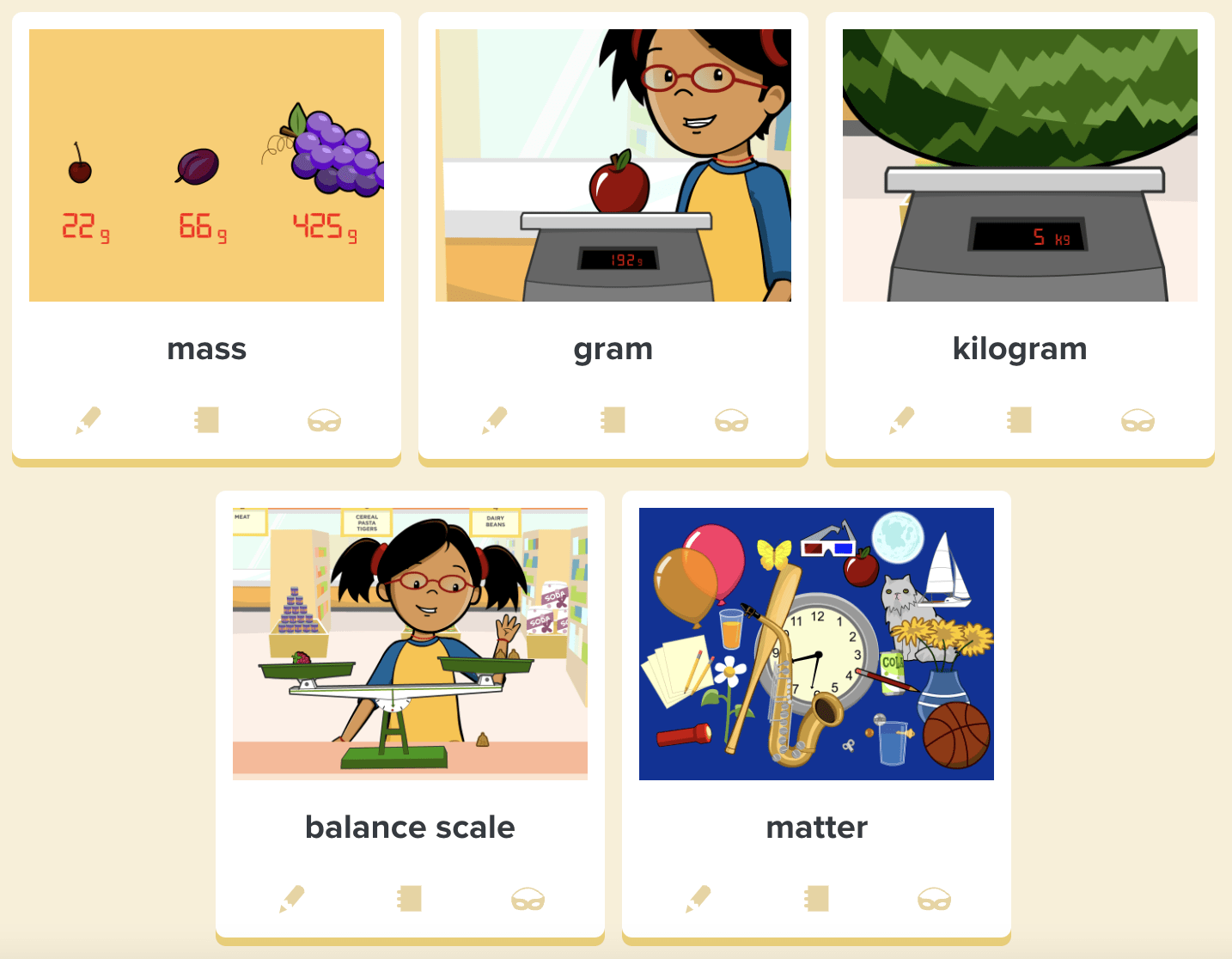
We have watched different videos to learn about length, mass and volume. We explored the connection it has to the Base 10 system.

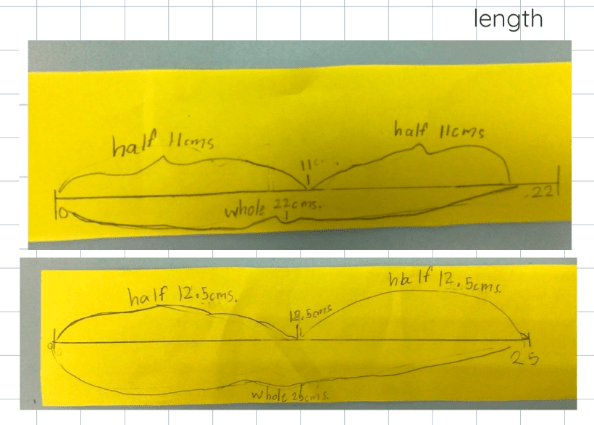
Length and Height

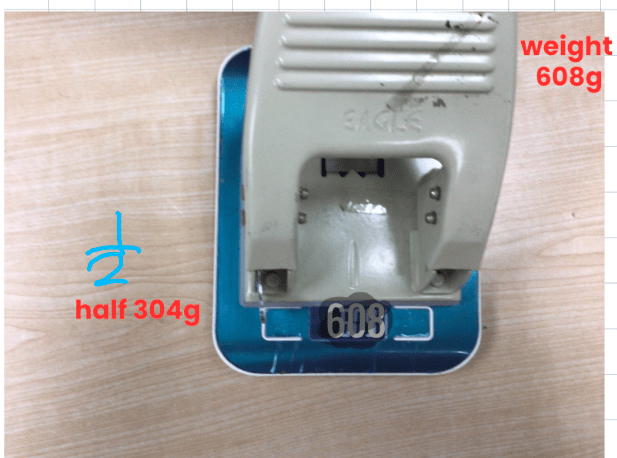
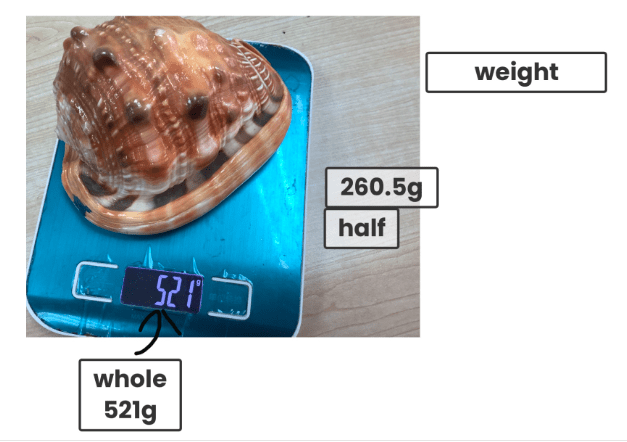
MASS

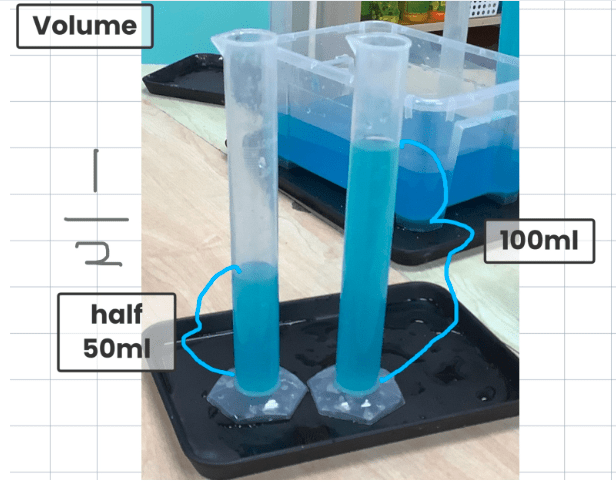
VOLUME

We wondered how we can use the language of fractions to share our measurements.

We are working independently and in teams to solve problems and learn mathematical concepts.

Big Ideas:

Number Sense

  • that fractions are ways of representing whole-part relationships

Measurement

  • that objects and events have attributes that can be measured using appropriate tools
  • that relationships exist between standard units that measure the same attributes
  • that estimation allows us to predict and check our measurements

Lines of Symmetry

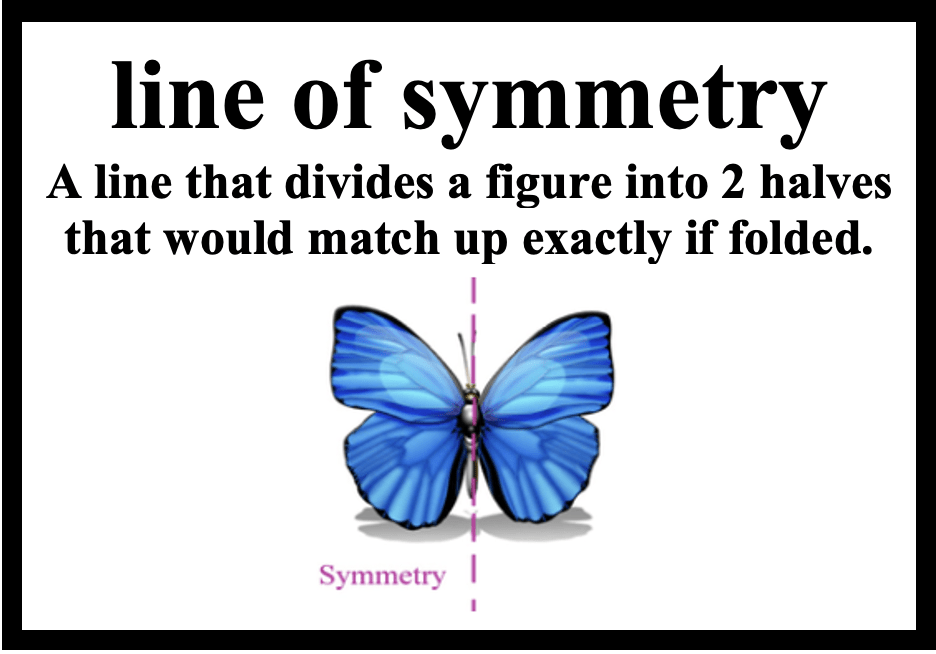
We were exploring shapes and lines of symmetry.

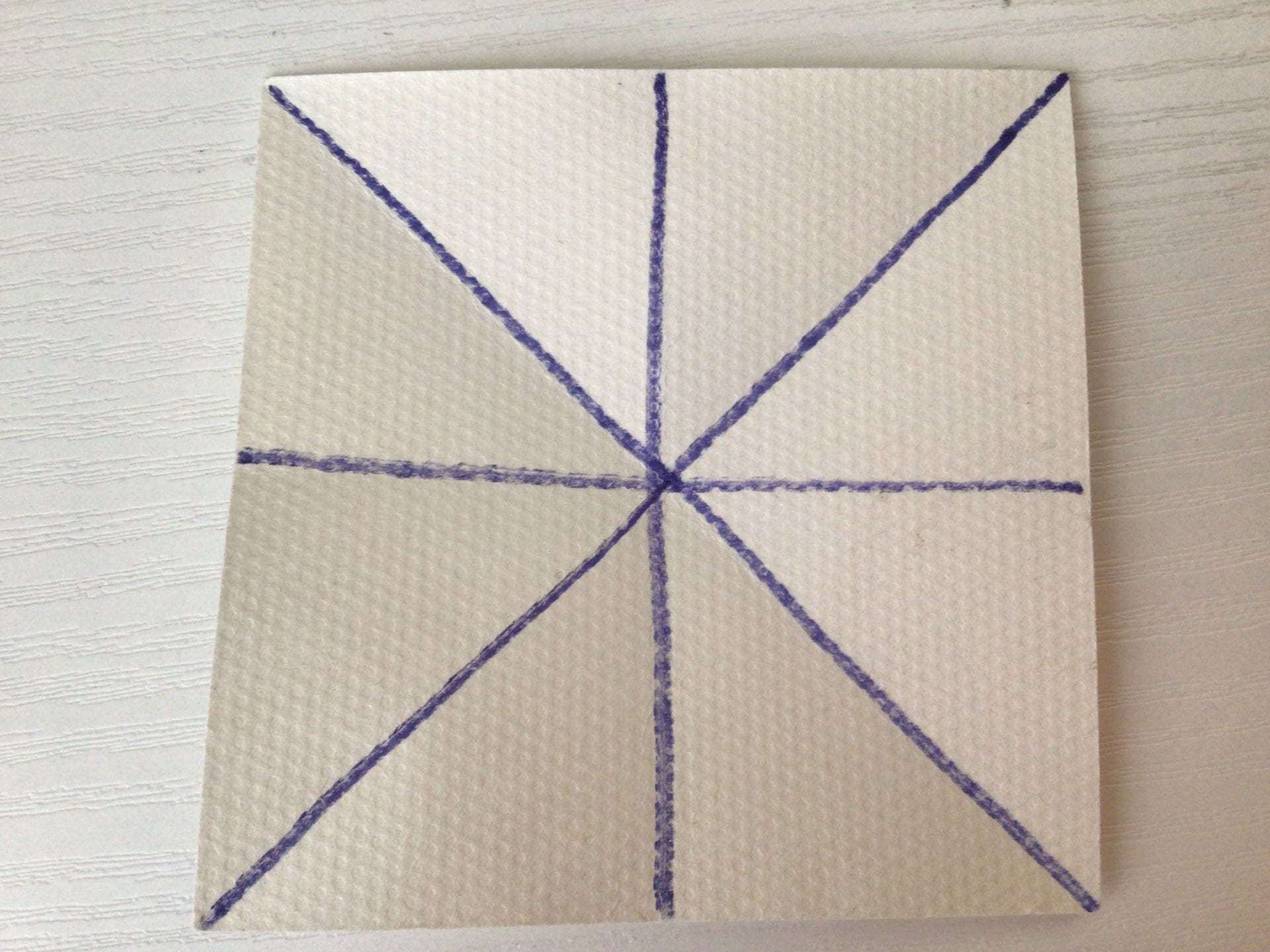
First, we looked at a square. How many lines of symmetry can we find?


Next, we looked closely at an equilateral triangle. What do we notice about this shape?

The students explained that the angles are the same size and the sides of this shape are the same length. Finally, we looked at the circle. The students commented that the circle have ‘many’, ‘countless’ or ‘infinite’ lines of symmetry. 


We recorded this information, counting and labelling the different lines of symmetry. 

Next, we looked for lines of symmetry in our homes.

Then, we looked for lines of symmetry in nature.

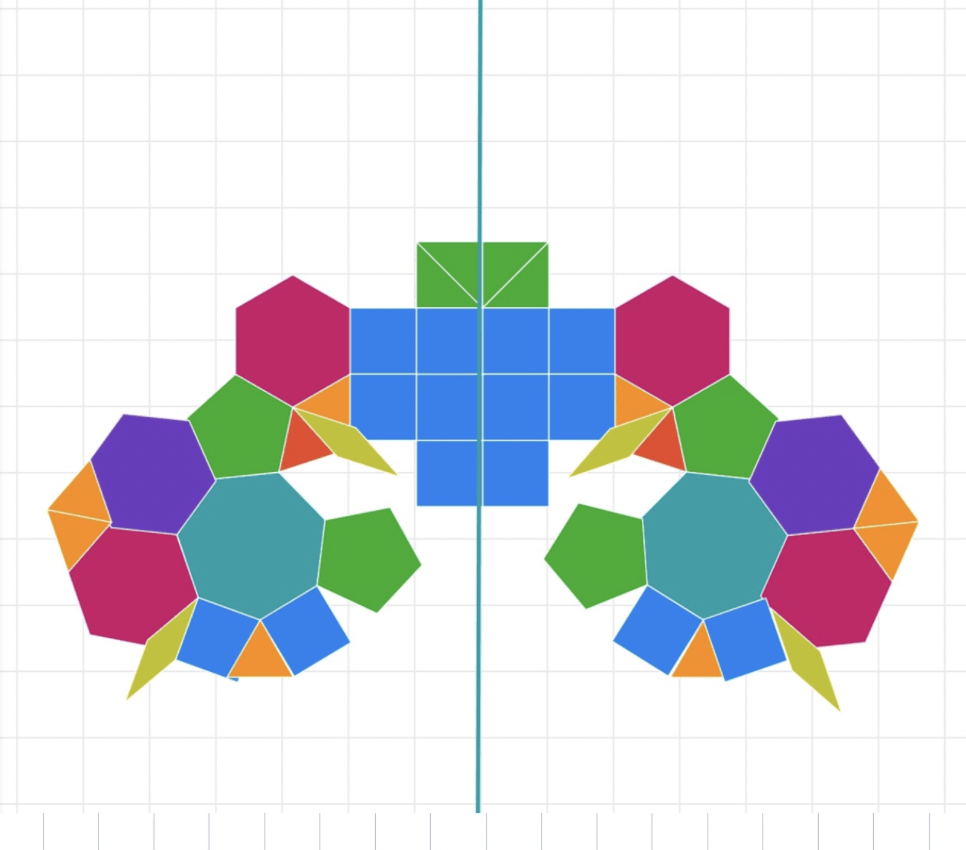
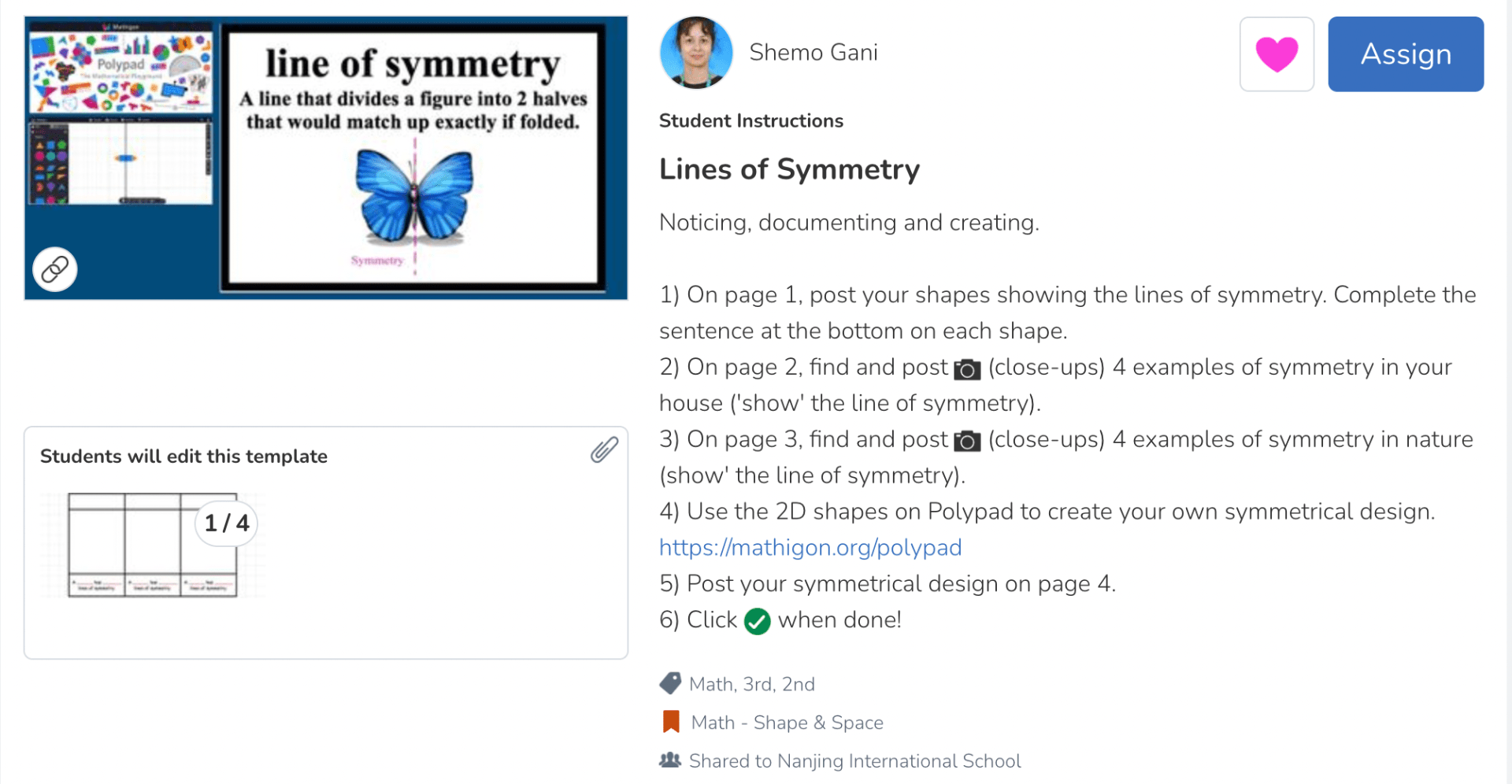
Finally, we created symmetrical pictures with shapes on Polypad.

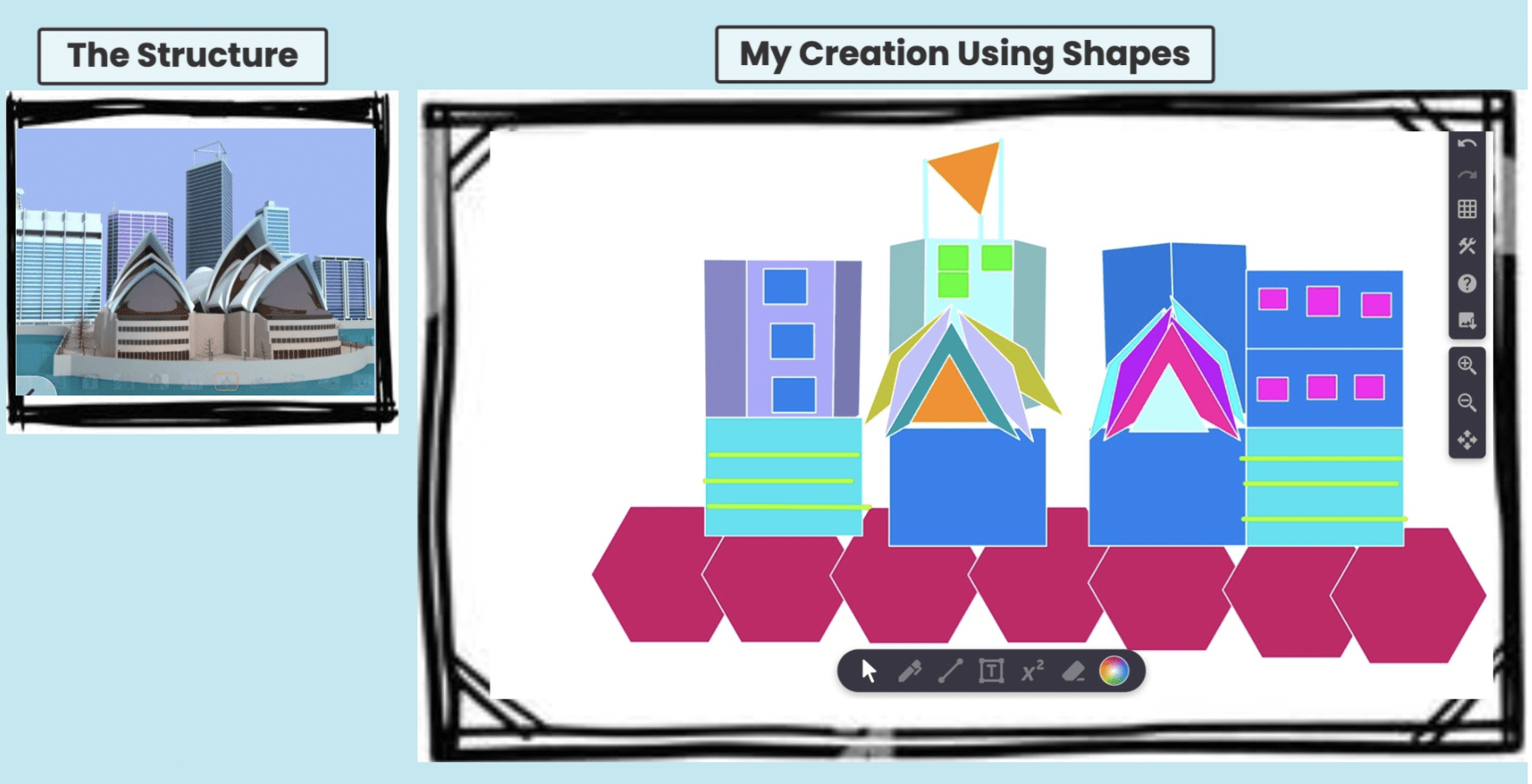
Creating Structures with Shapes

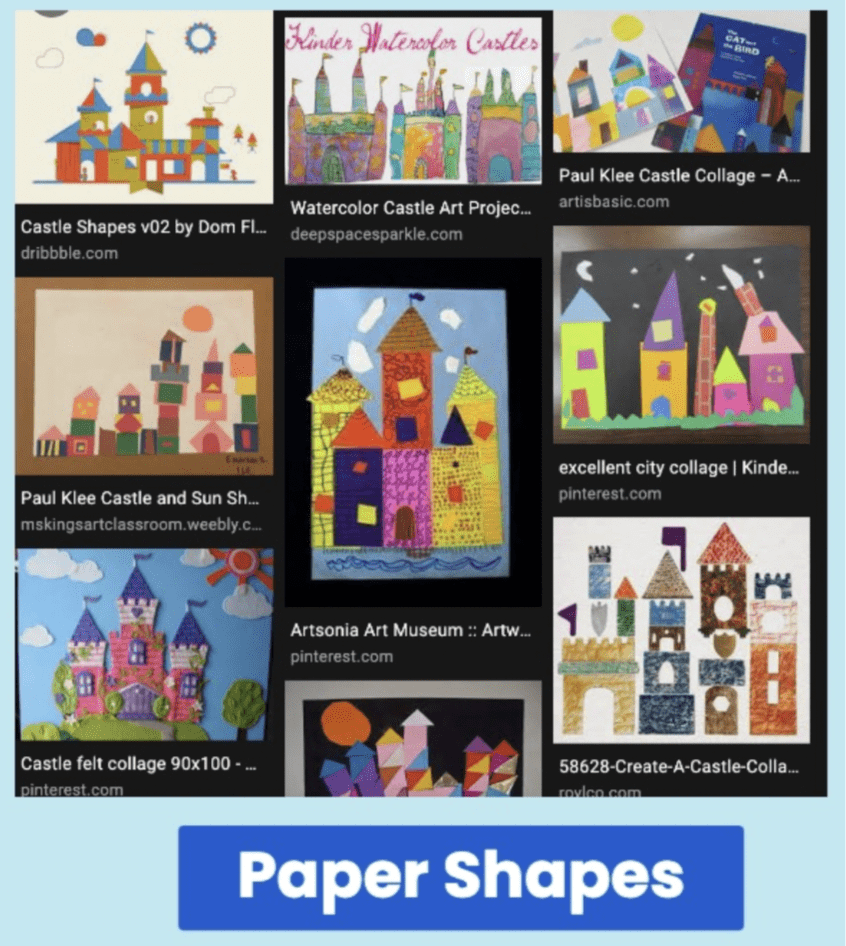
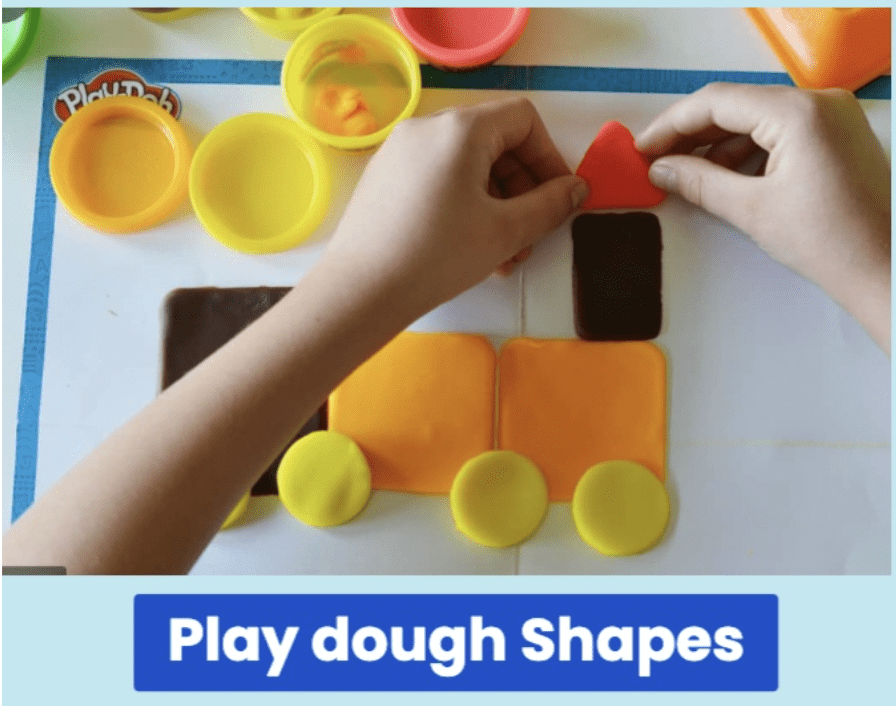
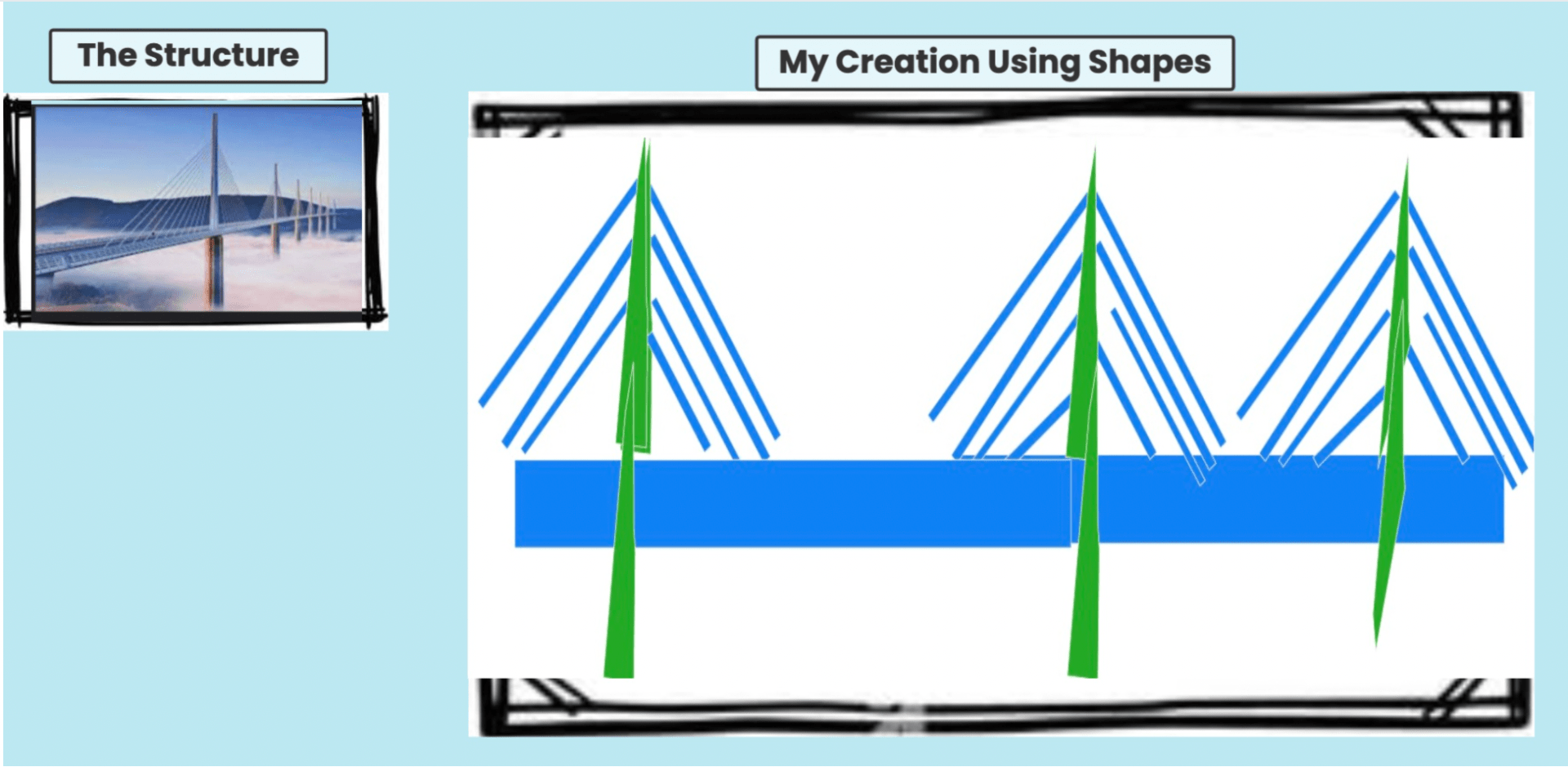
The students were invited to recreate a structure using shapes.

TASK:

  1. Choose a structure that you would like to recreate with shapes. Recreate it

Three Options:

  • Option 2: Use paper shapes to create a collage

  • Option 3: Use play dough or clay

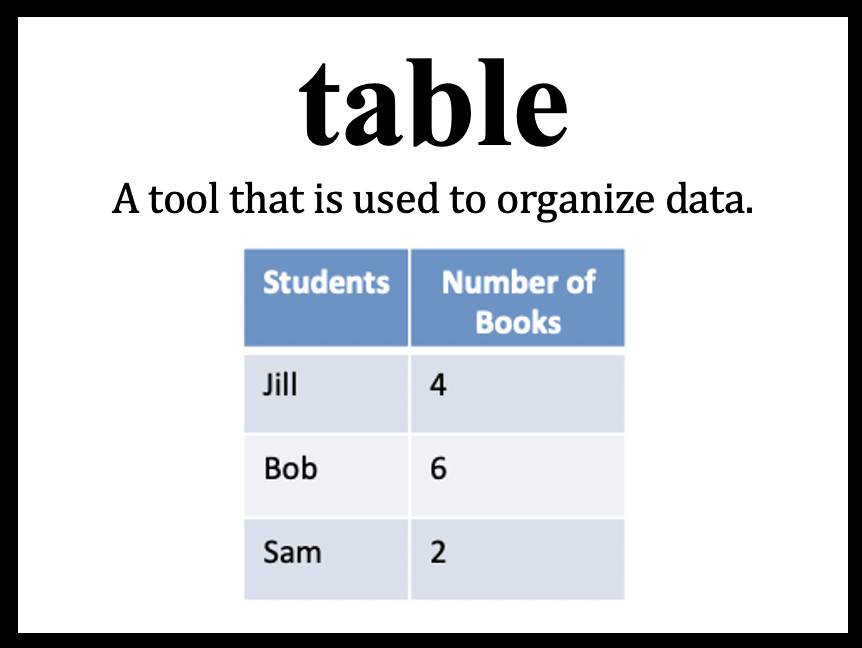
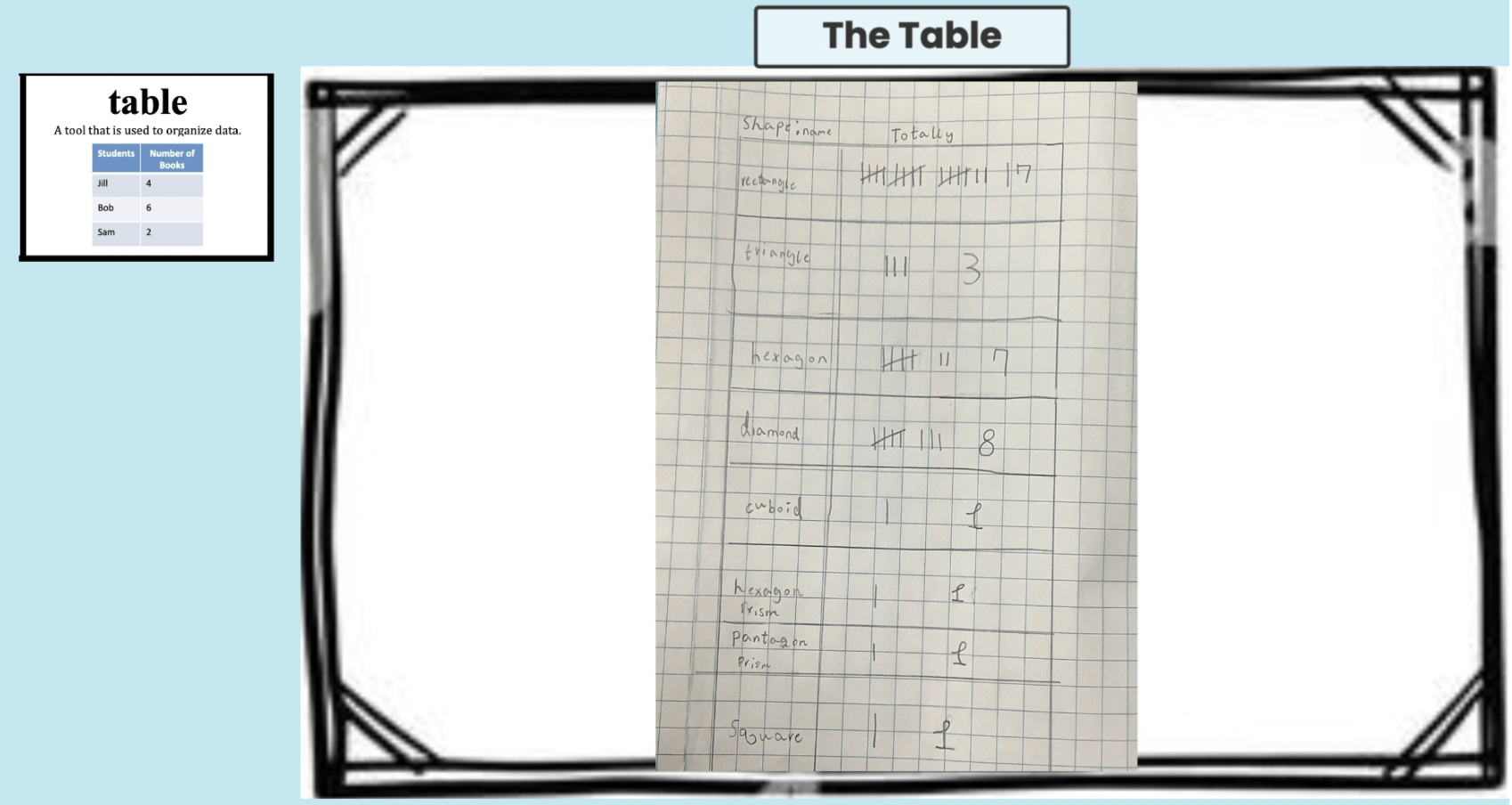
  • 2. Create a table showing all the different shapes you have used.

Student Responses

Through this experience, students were learning that:

  • information can be expressed as organised and structured data 
  • geometric shapes and associated vocabulary are useful for representing and describing objects in real-world situations
  • specific vocabulary can be used to describe an objects position in space
  • shapes can be transformed in different ways

Double and Half

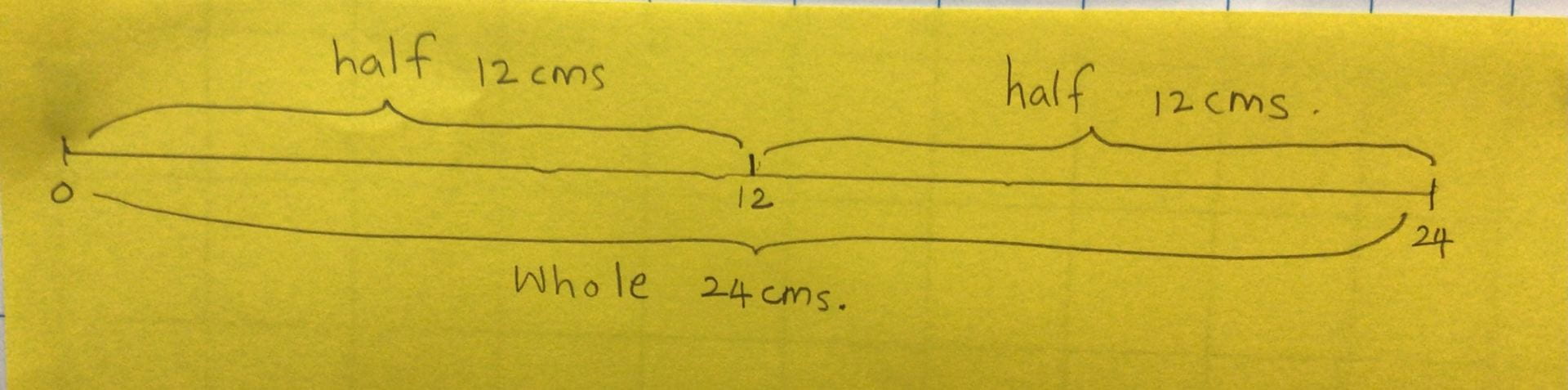
What is double, what is half?

We began by brainstorming what we already know about double and half.

Then, the students looked for examples of double and half in their environment.

Big Ideas:

  • fractions are ways of representing whole-part relationships
  • number operations can be modeled in a variety of ways

Thinking Skills, Communication Skills:

  • share strategies and ideas
  • understand and use mathematical notation and other symbols

Tangrams

Online Learning

Focus: Thinking Skills, Self-management Skills, Research Skills

What can we create with shapes?

tangram is a puzzle made up of seven shapes that can be arranged to form many different designs. Follow the instructions in the video to create 7 geometric shapes: five triangles, one square, and one parallelogram. Move the shapes around like a puzzle to create new designs.  

I wonder what your designs would resemble…

Here are a few designs to get you started!

Approaches to Learning (ATL’s)

  • understand that shapes have characteristics that can be described and compared
  • observe carefully
  • follow the directions
  • demonstrate persistence in tasks
  • use strategies to problem-solve

Leaves

Online Learning

Focus: Thinking Skills, Communication Skills

Mathematical Concepts: Similarities and Differences, Pattern, Symmetry, Shape and Measurement  

  • What do you see in the world around you?
  • How might we use these materials and natural resources to express our creativity and thinking?

Let’s go on a nature walk to see what we can learn… 

The story ‘Leaf Man‘ by Lois Ehlert will be shared in this video story. 

  • What do you notice about the leaves? 
  • How are they the same? How are they different

You can choose to do any (or all) of the following with your leaves:

  • Create your own leaf man. Tell us about your creation. 
  • Draw a leaf (or leaves). Remember to observe and document like a scientist, details are important.
  • Measure a leaf. Use different materials such as bottle caps, Lego or stones to measure the length or size of your leaf.
  • Sort the leaves into groups. How will you organise your groups? By shape? colour? size? 


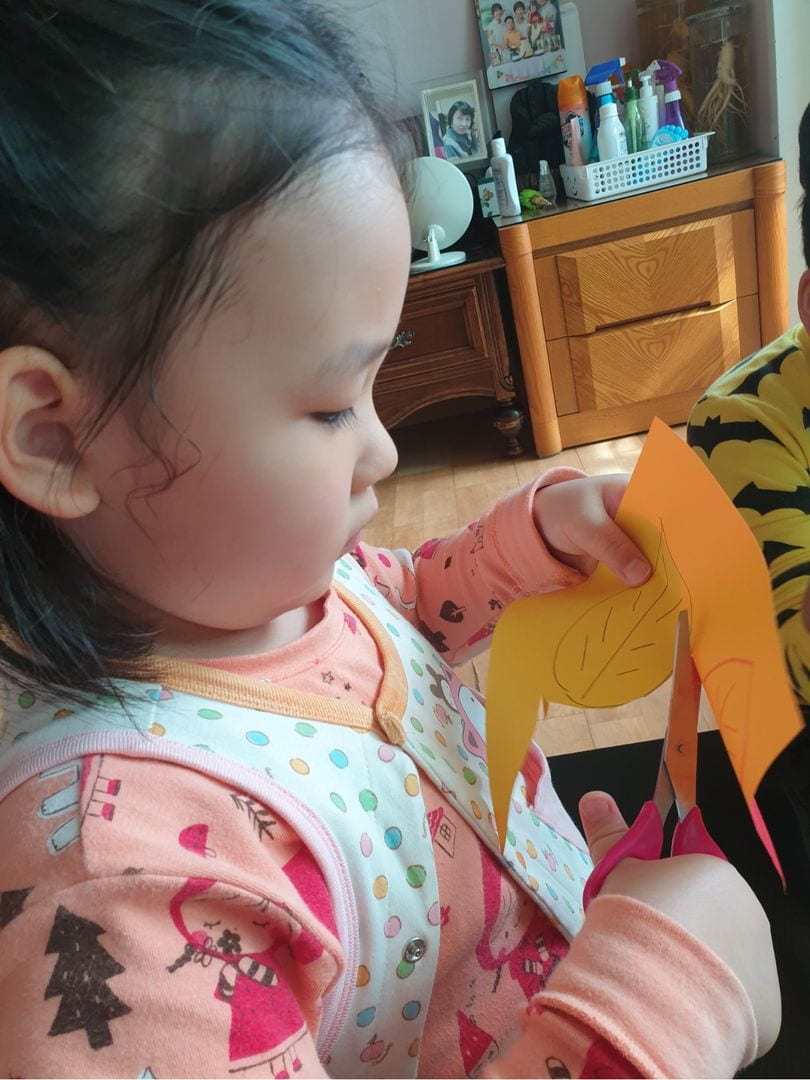
Jiwon had a great idea. She decided to create her own pictures using leaves. She chose different coloured paper to draw the leaves. The leaves had different shapes. She was mindful of how she held the pair of scissors as she cut out her shapes carefully.

Leming went on a leaf hunt. He found many different leaves. They were different in colour AND in shape!

Approaches to Learning (ATL’s)

  • Observe carefully.
  • Sort and Organize information.
  • Record observations—drawing, charting, tallying
  • Notice relationships and patterns.
  • Present information in a variety of modalities.
  • Express oneself using words and sentences.
  • Use mark-marking to convey meaning.
  • Demonstrate persistence in tasks.

Loose Parts

“As long as materials can be moved, redesigned, put together, and taken apart in a variety of ways, they are classified as loose parts.” – Simon Nicholson, 1971 (Founder of the idea of Loose Parts) 

Loose parts are any collection of natural or manmade objects that can be used to extend and further ideas in children’s play. They are open-ended materials that can be moved, combined, taken apart and redesigned.

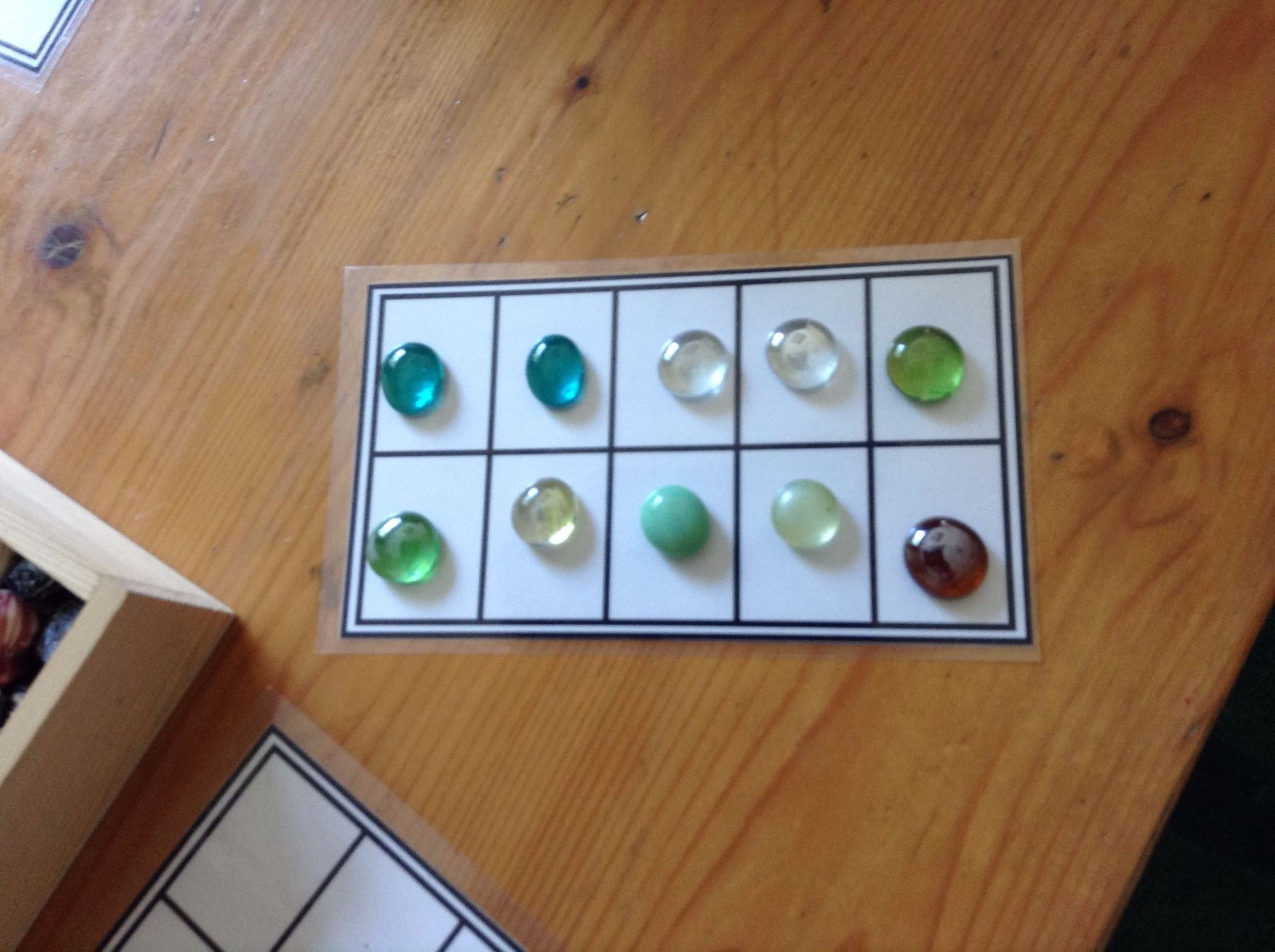
A group of students were playing with loose parts, mirrors and 10 frames.

Some explored the concept of number, counting the items they chose to use in their creations.

Some created symmetrical patterns.

“I used 12 things. They are the same on both sides.”

A few students created shapes.

And others wanted to create stories using the resources.

https://twitter.com/NISPreKK1/status/899554864362946562

https://twitter.com/NISPreKK1/status/899554963277217792

Symmetry

We have been exploring the concept ‘symmetry‘ through games and art. The students looked for the matching symmetrical picture and shape in the online game Symmetry Matching. The students explained that “Symmetry is when one side looks the same as the other.”

Examples of symmetry can be found in their immediate environment.

SLO: Recognise line symmetry.

The students then used the iPad to take a picture of their face. They created a portrait of themselves using their knowledge of symmetry.

They created symmetrical patterns using manipulatives in the classroom.

SLO’s:

  • Recognise line symmetry.
  • Examples of symmetry can be found in their immediate environment.
  • Develop an inquiring mind.
  • Draw simple drawings to express what they see/study.
  • Make statements that reflect their understandings.
  • Create original art.
  • Interpret and analyse visuals and multimedia to gain understanding.
  • Take responsibility for the care of tools and material.
  • Participate in individual and collaborative creative experiences.
  • Observe, discuss and comment on the information being conveyed in illustrations.