Focus: Communication Skills, Literacy and Mathematics
Rosie lives in a farmyard. Each morning, Rosie sets off on a walk across the farm. She is unaware that a sly fox is following her.
You can click the link to listen to the story ‘Rosie’s Walk’ by Pat Hutchins. Notice how the pictures are illustrated. There are lines, patterns and shapes on the different characters and the environment.
You might want to act out the story using your own animals or props. You can even use boxes, cushions and blankets and any other suitable props to create a farmyard to go on your own walk. You can go across, around, over, past, through, and under.
Your own story can be in a different place such as a forest, an island or even a city. You might want to act out your story in the park or on the playground!
Focus: Literacy, Creativity and Communication Skills
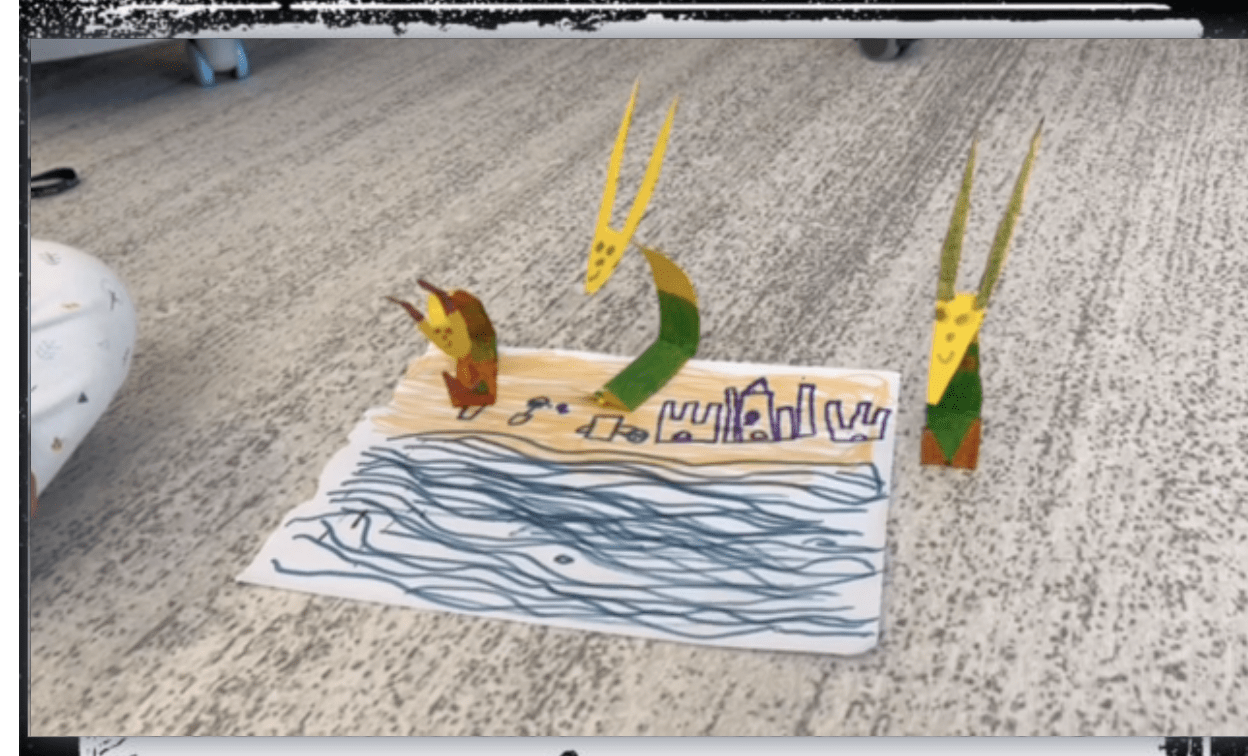
Let’s explore how we might tell stories with paper and card. Meet Esther, a wonderful story character created with card. You can learn how to make Esther here:
You can watch the video ‘Esther’s Transformations’ for more ideas here:
Use card or paper to create your own characters.
Find a setting or a place to tell your story. It can be indoors or out in nature!
Focus: Mathematics, Research Skills and Self-management Skills.
We have been exploring objects around us, and finding ways in which we can identify, compare and describe their attributes. Click here to watch the video
After watching the video, explore your own environment to find objects that you can compare, sort and organise in different ways.
Focus: Thinking Skills, Research Skills, Communication Skills
We have been exploring objects around us, and finding ways in which we can identify, compare and describe their attributes. Here are a few different collections that have been organised by different attributes.
What do you notice? What do you wonder?
You might want to explore your own environment to find objects that you can compare, sort and organise in different ways.
🌻 Through this invitation, the children have opportunities to identify, compare and describe attributes of real objects.
Here is a challenge that encourages balance, focus and coordination. Gather a collection of stones and stack them as high as you can. How high is your stack of stones?
Approaches to Learning (ATL’s)
develop fine-motor skills and eye-hand coordination
Below is a collection of picture books to support Social and Emotional Learning.
‘Ruby Finds a Worry’ by By Tom Percival. Ruby loves playing and exploring the world around her. But one day, she notices a Worry hanging around. At first, she decides to ignore it, but it just grows bigger and bigger, and before long, it’s so huge that it’s all she can think about. An excellent teaching book about managing worry, which everyone has and which may come back sometimes but can get better if you share it with someone who can help you through it.
Here is yet another story about friendship ‘Little Elliot, Big City’ by Mike Curato. In this story, Elliot, a little elephant, lives in a big, busy city. The big crowded streets and tall buildings make him feel rather small. Little Elliot is good at finding solutions to problems when doing his chores at home. Elliot finds many wonderful things to enjoy and discovers something that is even better than cupcakes! What might that be? We wonder… what do you like to do with your friends? How do you have fun with your friends? How do you help and take care of your friends?
What do you do when you feel sad or when something terrible happens? What would you do if you notice someone else feeling sad? In this story, something terrible happens to Taylor. While he is trying to manage his feelings, his friends try to give him some solutions. One by one, the animals try to tell Taylor how to work out his feelings, and one by one they fail. Then the rabbit arrives and something wonderful happens… Let’s read ‘The Rabbit Listened’ by Cori Doerrfeld
What does it mean to be kind? How might acts of kindness bring us together as a community? Author Todd Parr explores this concept through his picture book ‘The Kindness Book’.
Focus:Observation, Creativity, Thinking Skills, Communication Skills
We have been observing nature and wondering about the treesaround us.
I went on a walk and found a leaf skeleton. I am wondering about trees🌳🌲🌴 and their leaves🌿🍂🍀. How are leaves different or the same? How do leaves and trees ‘change’ over time?
Yesterday I went on a treasure hunt. I looked for what treasures I could find outside. I had help from Ms Karen, Ms Shemo, Ms Tasha and Ms Victoria. Everyone found something and I thought carefully about what I wanted to create. I looked at the sticks I found and started to arrange them. Next I decided to tear Ms Tasha’s orange peels into smaller pieces. They reminded me of leaves in the fall. Ms Shemo had found beautiful leaves that had worn away until they were just skeletons. I loved how they looked against the black paper and reminded me of winter. Ms Karen found tiny pinecones so I added them to make my tree more full. Ms Victoria had found beautiful blossom petals which reminded me of spring so I put them on the bottom. While I was making my community tree I thought about the life cycle of trees and the seasons we all go through. I found items that represented each season except summer. Summer is on its way and I wonder what I will add. What would you add to represent summer?
This invitation encourages children to:
express themselves creatively
enjoy a variety of visual arts experiences
select tools, materials and processes for specific purposes
use imagination and experiences to inform their art making
Focus: Thinking Skills, Research Skills, Self-management Skills
How heavy is the 🍎 apple?
How can we find out?
Can we use other materials and objects to weight the apple?
Let’s read the story ‘BALANCING ACT’ by Ellen Stoll Walsh to explore weight and balance.
In this story, two mice 🐁🐁 make a teeter-totter. They play on their teeter-totter, balancing each other out until their friends come along to join their play. They think of different ways to include their friends, which leads to solving problems with weight and balance.
How might we make our own balancing scale?
Here is one way to create your own balancing scale. You might have other ideas to create your own scale! Follow the instructions in the video to make a balancing scale.
Materials Needed:
2 cups/small containers
1 clothes hanger
A sharp object (to make the holes)
4 pieces of twine about 60cms in length
Steps:
You may need an adults help to use a sharp object, or a hole punch to make holes in 2 small containers as shown in the instructional video.
Cut 4 pieces of twine about 60cms in length. The twine needs to be thick and strong enough to make the balance scale more durable.
Tie the ends of the twine through the holes in the containers to the ends of the clothes hanger as shown in the instructional video.
What weighs the same?
How heavy or light are different objects or substances?
How might we weigh different materials and substances such as liquids and solids?
Light and Heavy What things are light? What things are heavy? Let’s explore the concept of weight through this non-fiction picture book. In Light and Heavy, a girl investigates what she can and cannot lift.
Through this invitation, the children can investigate how objects have attributes which can be measured using non-standard units, which can then be used to sort and compare.
Focus: Thinking Skills, Communication Skills Mathematics: Estimation, Number
Numbers are a naming system, numbers can be used in many ways for different purposes in the real world. This invitation encourages estimation, problem-solving and discussion.
What do you wonder?
Estimate how many beans are in each pod.
How many beans would there be altogether? How do you know?
What do you wonder?
Estimate how many beans are in each pod.
How many beans would there be altogether? How do you know?
The Ten Frame is a two-by-five rectangular frame into which counters are placed to demonstrate numbers less than or equal to 10. Counters can be arranged in different ways to represent different numbers. A ten frame helps children develop a strong number sense. It teaches them to subitize and is a precursor to addition. They provide the children with a visual of numbers.
*Subitize is the ability to tell the number of objects in a set, quickly, without counting.
Here is a game that you can create and play with one or more players.
This inquiry challenge will encourage the children to:
🐁 Mouse Count by Ellen Stoll Walsh is a wonderful picture book that encourages conversations about number and quantity (more and less). This story helps the children explore what happens when we join two sets together; they learn about how quantities change. Through play and dialogue, the children compare amounts and become familiar with thinking about differences between sets. Throughout the story, there are opportunities to count on, count forward and backward.
We can create number stories by modelling joining and separating concrete objects. We can use language to describe changes to a collection as objects are added or taken away.
I wonder how many different ways 10 🐁 mice can be arranged with some in the jar and some in the grass?
You can use any ‘loose parts’ or objects as 🐁 mice. Gather a group of 10 objects. Place some mice inside the jar. Place some mice outside the jar.
Explore as many different ways the 10 🐁could be arranged.
This inquiry challenge will encourage the children to:
Focus: Research Skills, Thinking Skills, Communication Skills, Self-management Skills
The food we eat may vary in colour, texture, flavour and nutrition. Where does our food come from and how might our food change over time? Here is a story to help us think about the different food we eat.
Take a picture of your meal, what do you notice about the food you eat? Share your observations.
Have a look in your refrigerator, what do you notice about the foods you eat? Document and share your observations.
On your next family visit to the supermarket, observe the different food you choose to buy. Document what you observe using paper and markers or take a photograph(s) to share what you notice.
Inquiry Invitation #2:
What happens to food over time?
How might we observe and document what we notice?
Choose a variety of food to observe over time. A few choices may be oranges, lemons, bananas, apples, green vegetables, pumpkin, kiwi.
Inquiry Invitation #3:
“As long as materials can be moved, redesigned, put together, and taken apart in a variety of ways, they are classified as loose parts.” – Simon Nicholson, 1971 (Founder of the idea of Loose Parts)
Loose parts are any collection of natural or manmade objects that can be used to extend and further ideas in children’s play. They are open-ended materials that can be moved, combined, taken apart and redesigned.
How might we use food as loose parts?
Create a piece of art using a variety of loose parts. You may want to use dried orange peels, egg shells, pasta, seeds, spices (star anise) as loose parts. Take a picture and share your creation. Be conscious of food waste.
Inquiry Invitation #4:
Ms. Pam, Ms. Victoria, Ms. Hannah and Mrs. Karen decided to make a ‘Rainbow 🌈 Breakfast’!
What do you notice about the foods they chose to use?
How did they sort the different food?
🌈How might we make a rainbow meal? What foods would we use and how might we prepare it?
🌈Share the process of creating your rainbow meal using paper and markers, photographs or video.
Focus: Thinking Skills, Self-management Skills, Research Skills
What can we create with shapes?
A tangram is a puzzle made up of seven shapes that can be arranged to form many different designs. Follow the instructions in the video to create 7 geometric shapes: five triangles, one square, and one parallelogram. Move the shapes around like a puzzle to create new designs.
I wonder what your designs would resemble…
Here are a few designs to get you started!
Approaches to Learning (ATL’s)
understand that shapes have characteristics that can be described and compared
Focus: Communication Skills, Research Skills, Thinking Skills
“Trees have developed an intelligent way of living that means even though they always stand still they can feed, reproduce, communicate with each other, defend themselves, and even play together.” – Reggio Children
The weather in Nanjing has changed over time. How do these changes affect the trees?
I saw these trees during a nature walk.
🌳 What do you notice?
🌳 How would you describe the trees?
🌳 Do trees look the same all year round? Why or why not? Does it change? When do they change? Why or why not?
Let’s read the picture book ‘Tap the Magic Tree’ by Christie Matheson to explore change and growth.
I wonder what you notice about the trees around your neighbourhood. You might want to go on a nature walk to learn more about the trees.
While at school, we have learned that observing like a scientist and drawing what we see can support our knowledge. It also helps us share our understandings. Drawing can encourage us to observe carefully to notice patterns and connections, while developing curiosity and an appreciation for the world around us.
Inquiry Invitation #1:
🌳choose a tree and observe it (this can be a tree in your own neighbourhood or in a picture book). Notice the different parts of the tree, the textures, the fragrance
🌳choose a tree or trees to draw
🌳take a picture of your favourite tree (you might want to tell us why that is your favourite tree)
🌳use paint to share your observations about trees
🌳share your drawing, painted picture or favourite photograph with us!
Felix and his family went on a bike ride to ‘Skyways’. They saw two trees that looked pretty strange! One even had a number 🤔.
🌳choose a tree and observe it (this can be a tree in your own neighbourhood or in a picture book). Notice the different parts of the tree (bark, branches, leaves, fruits, flowers) the textures (rough, smooth, prickly)
🌳re-create a tree using any loose parts you have around you (leaves, twigs, stones, seeds, shells, Lego, fabric)
🌳take a pictureof your creation and share it with us!
🌳EXTEND: How many different loose parts did you use? How many of each item did you use to make your tree?
Inquiry Invitation by Ms. Anna Mila (Atelier) #3:
Do you remember this artist?
Piet Mondrian
His name is Piet Mondrian and he was an artist that painted thousands of paintings. One of the things he painted again and again was trees. Sometimes artists become very interested in one idea. They paint the same thing again and again, experimenting with different colours and techniques. This is called a series. Mondrian also painted a series of trees over many years.
Artists give their paintings names. This painting is called “Tree of Life”. It is by an Austrian artist called Gustav Klimt. Why do you think Gustav Klimt gave this painting this name?
This tree painting is also by Klimt. In this painting, Klimt paints from a different view or “perspective”. He also decided to paint it in a more realistic style. In this painting, Klimt decided to focus on the trunks of the trees. Artists think carefully about perspective. They think carefully about what their painting will show and if it will include everything or only some things. This painting is called “Birch Forest” and it is from a perspective that makes you feel as if you were right in the middle of a forest.
This painting is by a famous French artist called Claude Monet. It is called “An Orchard in Spring”. Notice the perspective he decided to use. In this painting he stood further away than Klimt did in the previous painting. Why do you think he made that choice?
Artists are often inspired by the seasons. This painting was also painted in spring. It is by a famous Dutch painter called Vincent van Gough. It is called “The Pink Peach Tree”. He also stood further away and made sure to paint the entire tree. That was the perspective he wanted to use. We have been talking about how artists use colours. Notice the colours in this painting. How do you feel when you look at it?
This painting is by a Chinese artist by the name of Qi Baishi. He called this painting, Bird and Magnolia. Notice the lines in his painting. Notice how he used colours.
When I first moved to Nanjing, I noticed the beautiful trees. We arrived in the spring and this was one of the first trees that made me smile. This tree is a Magnolia tree and it inspired the previous artist’s painting. Take a look at the picture and compare it. Do you think it looks the same or different from the photograph? Notice the perspective I used when I took the picture.
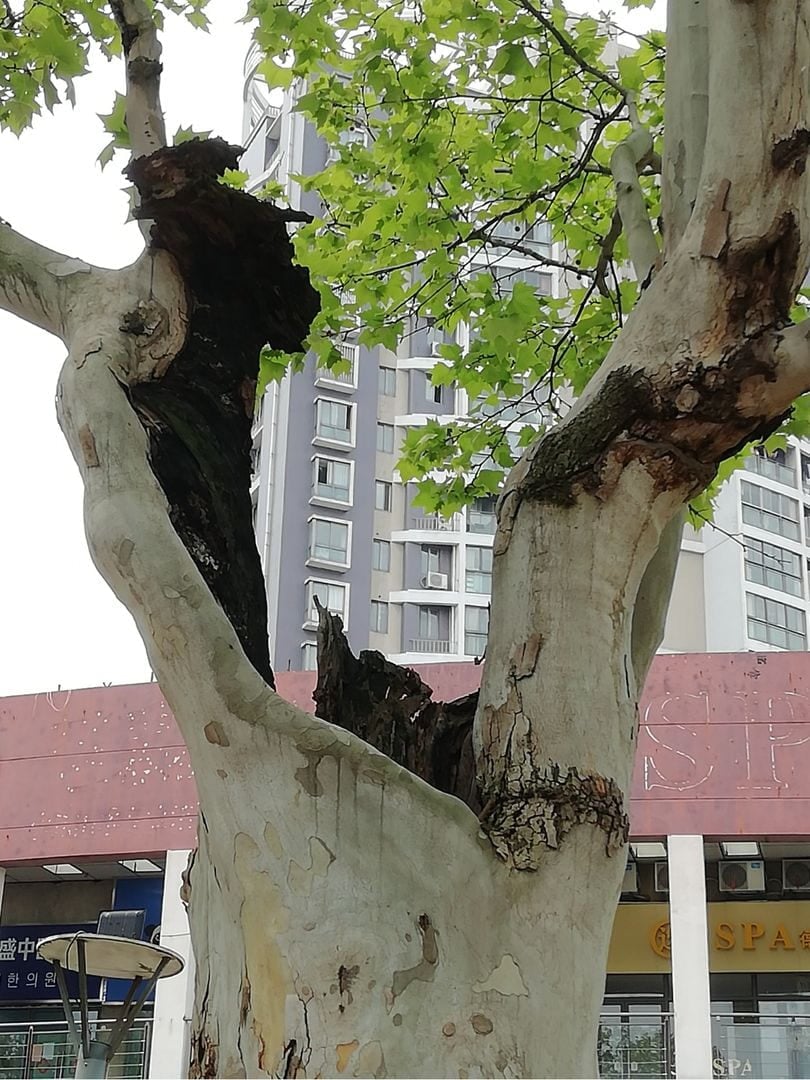
Yesterday, I went on a tree hunt. I looked at all the trees very carefully. I looked at them from all different sides. I touched them, I smelled them and I thought carefully about the things I could see and the things I couldn’t. For this picture I looked up and took a photo. The branches and the leaves look like they are reaching. I wonder what they are reaching for?
🌳 I wonder what tree will inspire you.
Approaches to Learning (ATL’s)
Research Skills
data gathering and documenting (drawing, photographing)
gather information from a variety of sources (people, places, materials, literature).
use all senses to observe and notice details
record observations—drawing, using emergent writing skills, when possible, annotate images
Notice how the pictures are illustrated. There are lines, patterns and shapes on the different characters and the environment.
Inquiry Invitation #1
You might want to act out the story using your own animals or props. You can even use boxes, cushions and blankets and any other suitable props to create a farmyard to go on your own walk. You can go across, around, over, past, through, andunder. Your own story can be in a different place such as a forest, an island or even a city. You might want to act out your story in the park or on the playground!
Inquiry Invitation #2
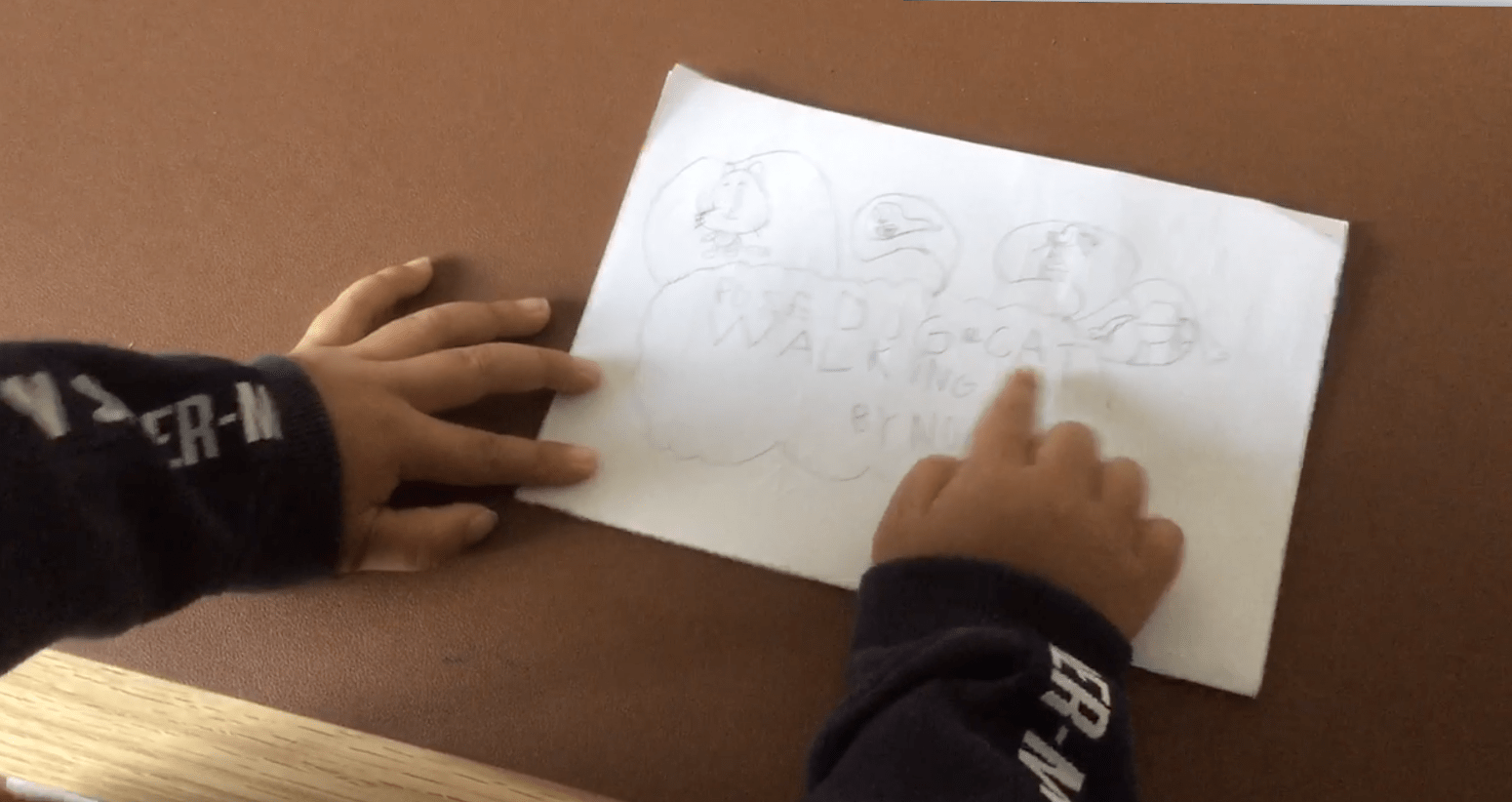
Rosie loves to go for a walk across the farmyard. Here is a map to help her on her way.
If you were to create your own maps, what would you include?
We would love to hear about your adventures, see your maps and creations!
Approaches to Learning (ATL’s)
record observations and ideas through drawings and maps
use mark-marking to convey meaning
use words and sentences to express ideas
take on pretend roles and situations
use imagination and original ideas to explore familiar roles, themes and stories musically and dramatically
engage with, and enjoy a variety of visual arts experiences
use their imagination and experiences to inform their art making
use everyday language to describe position, direction and movement of self and objects in relation to others
The intention behind this proposal is to focus on the concept of listening through an experience where we concentrate on our ears and our sense of hearing.
When we listen, our ears don’t just receive sounds, they send them directly to the brain and set off a creative thinking process: listening is a marvellous combination of thoughts and hearing processes, it takes curiosity and a desire for discovery.
What is it?
What does it remind you of?
Where might you have heard the sound?
Let your imagination run away with you…
We hope you have fun listening to these riddles together with children, trying to guess what produced them, and imagining what else they could be.
Mo Willems and Peter Brown are two of our favourite authors at NIS. They use lines, shapes and patterns to create the illustrations (or pictures) for their picture books.
Last year, we interviewed Ms. Grace. She was a Grade 2 teacher at NIS. Just like Mo Willems and Peter Brown, Ms. Grace loves to draw and create her own pictures.
Ms. Grace taught us how to create our own Zentangle pictures or doodles using lines, shapes and patterns. Let’s use our imagination and what we know about lines, shapes and patterns to create our own doodles.
Felix wanted to create his own doodle. He used lines, shapes and patterns to create a doodle of a ‘huge ice-cream”!
This invitation encourages children to:
express themselves creatively
enjoy a variety of visual arts experiences
select tools, materials and processes for specific purposes
use imagination and experiences to inform their art making
Peter Brown is another of our favourite authors. One of the stories we read often is ‘You WILL Be My Friend!‘. In this story, Lucy is searching for a friend in the forest. She approaches a pond, she needs to cross it. Can you help Lucy?
Here is a Lego Brick challenge for you!
Create a Lego Brick Bridge that Lucy can use to cross the pond.
How will you test your bridge?
Share a picture of your Lego Brick Bridge.
NOTE:This learning invitation will help children explore the concepts:
Louie is our family pet. We rescued him when he was just a baby. Louie likes to eat rice. He falls asleep while I am working. He can be naughty and needs to be reminded to be kind. Caring for pets can be hard work.
Do you have a pet?
Do you know of someone who has a pet?
If you have a pet (pets), how do you take care for them?
If YOU don’t have a pet but know someone who has a pet, perhaps you can do your own research to learn more about how they care for pets.
What did you find out?
Share your research, pictures and drawings with us!
Through this invitation the children will explore:
Peter Brownis an author and illustrator. He enjoys creating stories by drawing whimsical characters and scenes from his imagination. A few years ago, Peter Brown visited NIS. He read stories and showed the children how important drawing and creativity is to an author and illustrator. Peter Brown has earned many awards for his work. His wonderful picture books are some of our favourites at NIS.
The following stories, read by the teacher are available on Seesaw. Please refer as needed.
Here are two of our favourite stories!
‘Mr. Tiger Goes Wild’ by Peter Brown.
Mr. Tiger was bored with being so proper. Do you get bored of being proper, always doing the right thing?
Mr Tiger knows exactly how you feel. In this story, Mr. Tiger decides to go wild, but does he go too far? There is a time and place for everything…even going wild!
Why is it important to have friends?
How do we make new friends?
How might we show our friends we care about them?
You can also share your thinking through your drawings, just like Peter Brown does!
Approaches to Learning (ATL’s)
Communication Skills
Speaking
Express oneself using words and sentences.
Interpreting
Interpret visual, audio and oral communication: recognizing and creating signs, interpreting and using symbols and sounds.
Understand the ways in which images and language interact to convey ideas.
Reading, writing and mathematics
Understand symbols.
Understand that mark-making carries meaning.
Use mark-marking to convey meaning.
Document information and observations in a variety of ways.
Mo Willems is one of our favourite authors. We have read his books over and over again. Some of our favourite stories are:
‘Don’t Let the Pigeon Drive the BUS!’
and
‘Should I Share My Ice-cream?”
How do authors and illustrators use lines, shapes and patterns in their picture books? Notice howMo Willems uses lines and shapes to create his drawing.
You might want to try drawing Piggie with Mo Willems.
You might want to try drawing Pigeon.
You might want to try drawing Elephant Gerald.
We can explore drawing, creating and designing through our exploration of lines, patterns and shapes. Invitethe children to make their own drawings or create stories using familiar characters or their own imaginative characters. The children may want to add their own details, speech bubbles and thinking clouds to add dialogue and thought.
Add 1 RMB coins , a few at a time to see how many your boat can hold.
Post a picture of your LEGObrick boat!
How many coins could your LEGO brick boat carry safely?
NOTE: This learning invitation will help children think about weight, engineering and design. You can give your child a certain number of Lego bricks for an added challenge.
Felixthe Engineer:
Felix LOVES Lego and was very excited to try the Lego boat challenge. He took parts of a space shuttle and modified it for his boat. After that Simon and Felix tried a lego boat. It worked great! They had a lot of fun, especially with the water 🤭. Look carefully to see how many coins his space shuttle could hold safely.
Lemingworked like a scientist, planning, designing and creating a boat that could stay afloat while carrying lots of coins. Leming then tested his boat to see if it works.
Focus: Self-management Skills, Communication Skills
Task: Make a Paper Helicopter
Follow the instructions in the video to make a paper helicopter.
This task will encourage your child to: • observe carefully • follow instructions in sequence to complete a task • develop small muscles in the hand •problem-solve • be patient They will need to measure, draw lines, cut on a line and fold paper.
Challenge: – Make a target on the floor using chalk, paper, or tape. – Decide how many points each area of your target is worth. – Play with a partner, take turns to see who scores the most points!
Leming drew a picture of a ‘snail shell‘ on his salt tray. Can you see the swirls in the salt? Do you notice how they get bigger as they they move outwards? Leming knows that he can draw his own pictures using lines and shapes.
Notice the swirls as on Leming’s picture!
The teachers went off on a shell hunt. Ms. Shemo only found 1 shell. Can you see the lines and patterns on the shell?
Ms. Karen’s first shell. Can you see the swirls?
Ms. Karen found shells in her classroom! I wonder if you can make that pattern on your salt tray!
Ms. Karen found snails in the fish tank!
Where do you see lines, shapes and patterns? Let’s go to the park to see if we can find any lines, shapes and patterns.
I wonder how YOU might use lines, patterns and shapes to draw your pictures…
I wonder where YOU might find lines, patterns and shapes in YOUR environment…
Felix and Simone have also been drawing pictures with chalk on their back wall! Can you see the beautiful colours they are using in their pictures? Can you see the different lines and shapes they have used. Do you see the snail?
Bruce used his magnetic board to draw a one-eyed monster that has many legs, a space ship that helps you see the stars and a banana tree.
Approaches to Learning (ATL’s)
Communication Skills
Interpreting
Interpret visual, audio and oral communication: recognizing and creating signs, interpreting and using symbols and sounds.
Understand the ways in which images and language interact to convey ideas.
Reading, writing and mathematics
Understand symbols.
Understand that mark-making carries meaning.
Use mark-marking to convey meaning.
Document information and observations in a variety of ways.
Follow the instructions in the video to make your own board game and dice.
You will need a dice, 40-50 counters [buttons, beads, seeds, stones or any other small loose parts]. A game board for each player.
Materials needed to make the dice.
Counters
How to play:
take turns to throw the dice
collect the correct number of counters and cover the spaces on your board until the counters are over.
The person with the most counters wins the game!
Extension:You will need more counters and a game board with numbers over 50.
Use 2 dice.
Add the two numbers and place counters to match the total.
The person with the most counters wins the game!
Jiwon and her brother Jake did not have and seeds or beans or other materials around. 💭 They decided to create their own version of the Dice Game! In their game, the person who circles the most numbers and reaches 80 the fastest wins the game! Can you guess who won the game?
Lemingdecided to create his own Dice Game! He used pistachios as counters!
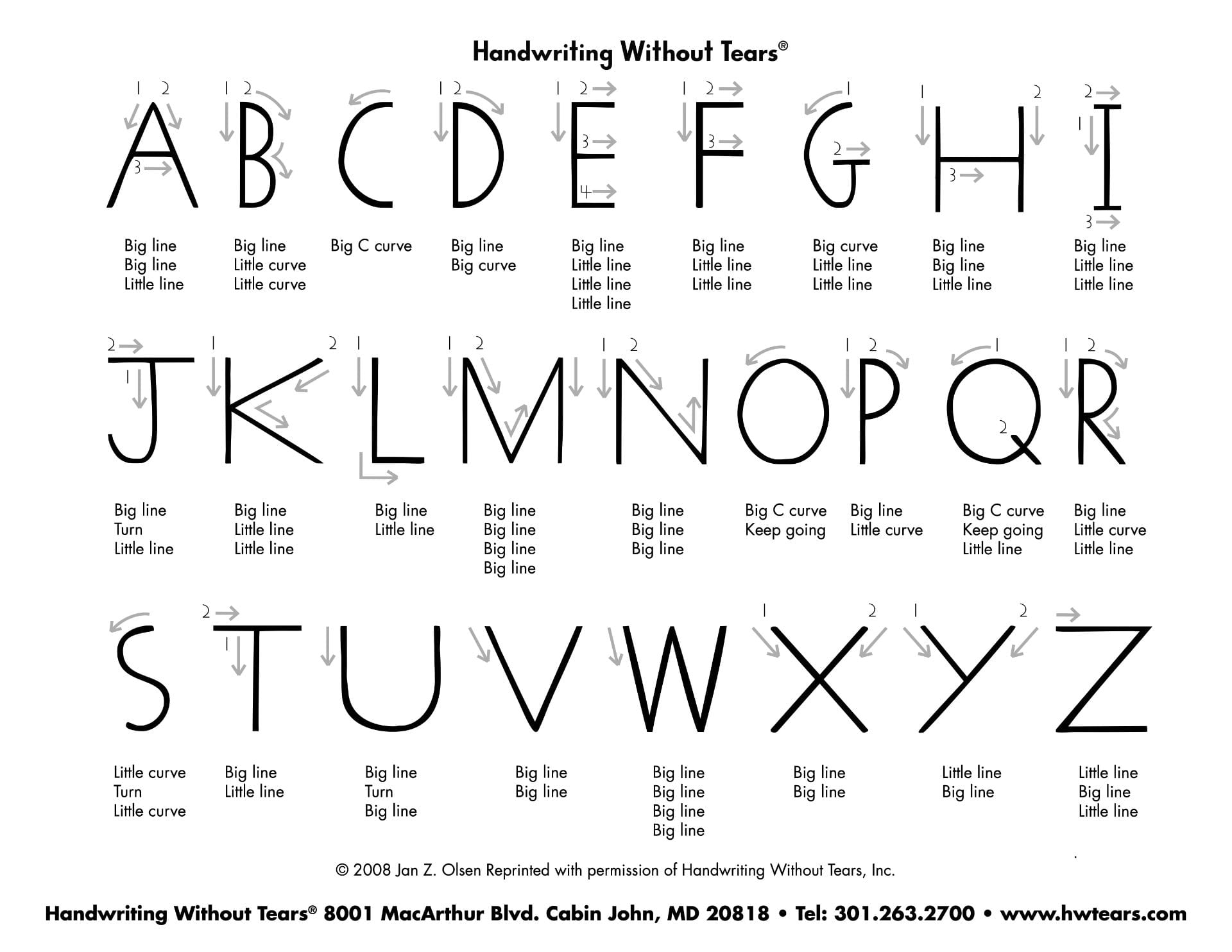
Salt Tray Writing Sensory writing is a fun way for children to experience writing. The tips of your fingers are extremely sensitive. Therefore, writing in salt, sand, and rice can help children remember the shapes of letters, numbers, words and the strokes in different characters.
It is important to encourage children to be conscious of food waste. You can use regular kitchen salt or expired rice. The salt can be reused. Only a small amount is needed, and these sensory materials that can be saved for long periods of time if kept clean and dry. Please remember to wash your hands before and after using the salt writing tray.
Here are some resources you can use to explore writing.
Patterns
Through these sensory writing experiences the children develop with following skills:
draw simple shapes
use correct top-to-bottom left-to-right directionality for letters, numbers and other symbols
establish handedness for writing
develop mature grip for crayon/pencil
experiment with various ways to move and produce marks
Use a collection of familiar objects to determine whether each will sink or float in water.
Gather a collection of objects
Drop the objects into the water one at a time and note if they sink or float.
Document your observations using drawings or photographs.
What did you observe about the items that sink versus those that float?
Are they bigger?
Do they feel heavier?
Do they have a certain shape to them?
Bruce is testing his theories about the different objects that sink and float in water. He noticed that some of the objects just sink as soon as they are put into the water. He found out that his LEGO fleet was able to float! Finally, he created his own water park😄!
Leming the Scientist:
Leming is planning a science experiment.
He has 2 groups of materials.
He would like to find out which group of materials will sink and float.
Here is group 1 and group 2.
Can you guess which group of items will sink and which group of items will float?
Leming has been testing the materials in his 2 groups to see if his theories were correct.
What do you think he learned from his experiment into sinking and floating?
Were your predictions/guesses correct?
Approaches to Learning (ATL’s)
observe carefully
organize information
test developing theories through experimentation
seek information
record observations—drawing and photographs
analyse and interpret information
express oneself using words and sentences
use mark-marking to convey meaning
document information and observations in a variety of ways
You might want to share a picture of yourfavourite shadow.
You might want to share a picture of yourshadow drawing.
Bruce the Shadow Maker: When the sun went down, Bruce and his mum tried to create several shadows, following Ms. Heidi’s examples. The rabbit and the dog were a little harder to create. Bruce likes his own shadow the most! Here are a few of their other creations!
Many of the children explained that they miss their friends at school. Friendship plays an important role in learning. As children play with each other, they take turns, listen respectfully, share resources and develop a deeper appreciation for their own and others feelings.
This reminds us of a wonderful story about good friends. Let’s read ‘Big Bear, Small Mouse‘ by Karma Wilson & Jane Chapman.
Here is yet another story about friendship ‘Little Elliot, Big City‘ by Mike Curato. In this story, Elliot, a little elephant, lives in a big, busy city. The big crowded streets and tall buildings make him feel rather small. Little Elliot is good at finding solutions to problems when doing his chores at home. Elliot finds many wonderful things to enjoy and discovers something that is even better than cupcakes!
What might that be?
We wonder… what do you like to do with your friends? How do you have fun with your friends? How do you help and take care of your friends?
Jiwon “I can play ball and role play with my friends and have fun. If you don’t make fun of each other for being small and don’t fight each other’s toys, we can all be happy together.”
Focus: Self-management Skills, Communication Skills
Children enjoy and have fun when cooking. Cooking also develops many mathematical concepts such as measurement and volume, while instilling healthy eating habits.
Other benefits include:
strengthening their fine motor skills through cutting, pouring and scooping
learning the concept of sequencing through reading recipes and discussing what comes first, second, and third in the cooking process
expanding their vocabulary as they are exposed to new words and terms
developing a greater sense of discovery with new foods
developing independence and self-management skills
learning about and developing an appreciation for the different resources and produce that are used when cooking
Do you like pancakes? This book is about all the steps needed to make them. Let’s listen to Ms. Anna Mila read ‘Pancake, Pancake!‘ by Eric Carle. Then, let’s make our own pancakes.
Ms. Heidi and her son decide to show their creativity in different ways through Performing Arts.
You can make up your own call and response song linked to cooking. It could be making scrambled eggs, making egg fried rice, baking cookies…. Choose objects to act out and perform your song with. Post a video on Seesaw of yourself singing your own call and response song’ with your chosen objects based on the ‘Pancakes call and response song’.
Curious George loves to cook. This is when he made pancakes!
You can follow along to make your own pancakes. Here is George showing us how to do it!
If you make your own pancakes or other delicious foods, don’t forget to let us know about your experience!
We have had a lot of excitement in the kitchen. We have had opportunities to watch others help out in the kitchen as they cook, clean and prepare healthy meals. Ms. Anna Mila and her daughter worked together to make pancakes. Ms. Heidi and her son were also busy in the kitchen! Here is yet another family preparing a meal together.
Focus: Communication Skills (Reading, Listening and Speaking)
What do you hear at nighttime?
What do the creatures and animals do when it is dark?
Let’s read this wordless picture book together. I will start reading and you can continue the story. You will need to read the ‘pictures’ to tell your own story as there are no words in this special book.
‘Flashlight’ by Lizi Boyd
Note: Encouraging children to notice and talk about details strengthens a child’s vocabulary. These experiences help children pay attention to detail and develop their creativity.
You might want to draw a picture of what you think the creatures and animals do at night.
Objects in our immediate environment have a position in space that can be described. We can use words such as behind, under, between, in, outside, on top of etc. to describe position and direction in our immediate environment.
on top of
behind
between
behind
under
behind
in
outside
The following video story explores the concepts of position and direction.
‘Where’s the Bear‘ by Allyn Fisher
I wonder how you might describe position and direction…
You can choose a soft toy, a Lego person or any other object you have around you to describe position.
Mathematical Concepts: Similarities and Differences, Pattern, Symmetry, Shape and Measurement
What do you see in the world around you?
How might we use these materials and natural resources to express our creativity and thinking?
Let’s go on a nature walk to see what we can learn…
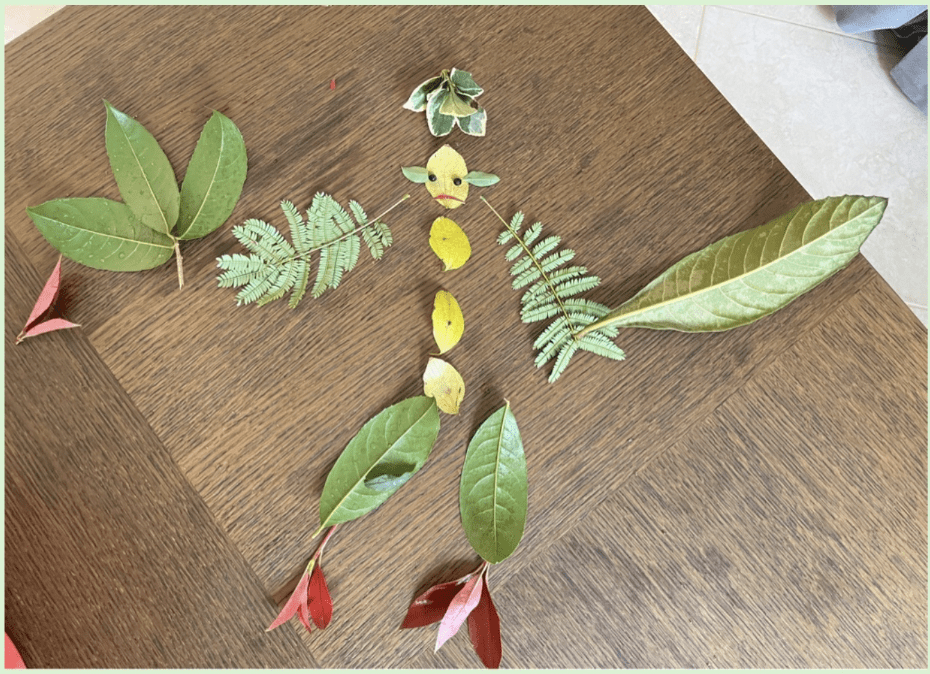
The story ‘Leaf Man‘ by Lois Ehlert will be shared in this video story.
What do you notice about the leaves?
How are they the same? How are they different?
You can choose to do any (or all) of the following with your leaves:
Create your own leaf man. Tell us about your creation.
Draw a leaf (or leaves). Remember to observe and document like a scientist, details are important.
Measure a leaf. Use different materials such as bottle caps, Lego or stones to measure the length or size of your leaf.
Sort the leaves into groups. How will you organise your groups? By shape? colour? size?
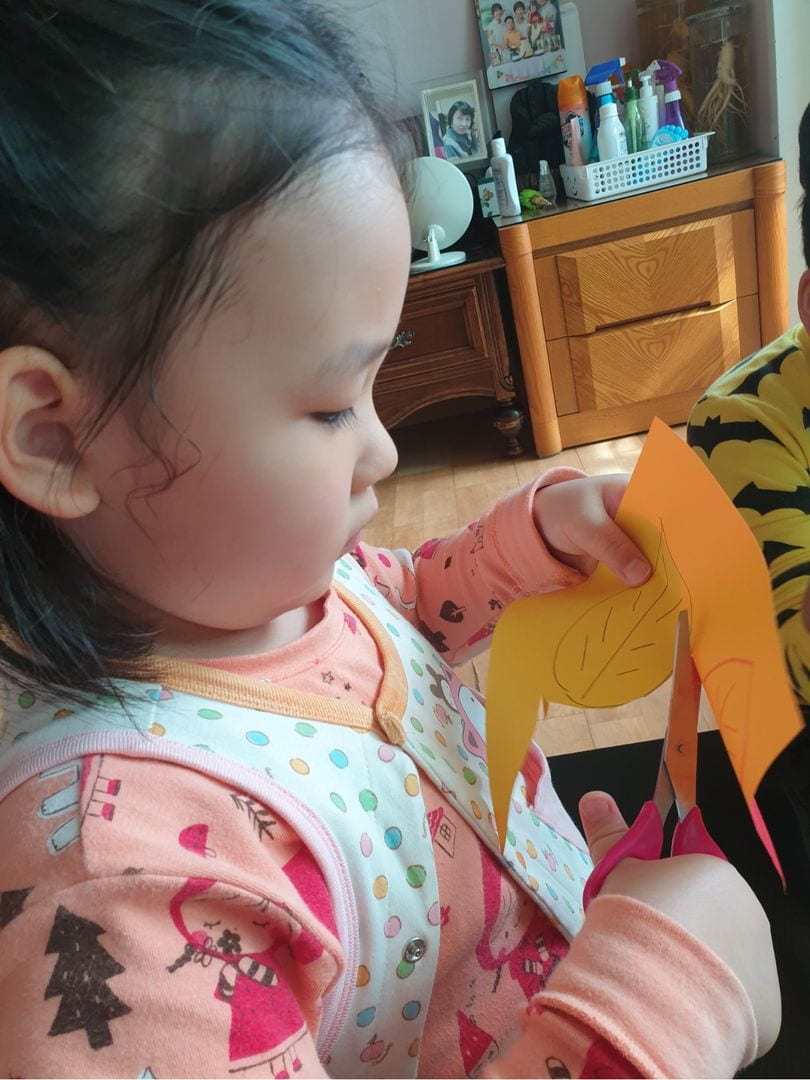
Jiwon had a great idea. She decided to create her own pictures using leaves. She chose different coloured paper to draw the leaves. The leaves had different shapes. She was mindful of how she held the pair of scissors as she cut out her shapes carefully.
Leming went on a leaf hunt. He found many different leaves. They were different in colour AND in shape!
Did you find numbers outside as well? What were they?
You can draw pictures of the places you find numbers. Record the numbers you see.
Here is a number line to help you.
Here is a video story on how to write numerals. You can follow along to read the book or refer to it if you are unsure of how to write numerals 1 to 10.
You can use a sand or salt tray to practice writing numerals!
Don’t forget to share your learning!
We are learning that:
numbers are a naming system
numbers can be used in many ways for different purposes in the real world
numbers are connected to each other through a variety of relationships
making connections between our experiences with number can help us to develop number sense
Focus: Self-management Skills, Thinking Skills (Mathematics – Shape and Space)
Jiwon and Michelle used scissors and paper to explore their creativity. They folded paper carefully and then used scissors to cut out different shapes. Jiwon created flowers and Michelle created monster masks.
Jiwon – Flowers
Here is one way to create art with paper:
You can create your own paper art!
You might want to cut out different shapes on your paper, or even different patterns!
Patterns
Shapes
Pay close attention to the way you hold a pair of scissors.
While cutting with scissors, the open and close motion allows children to build up the little muscles in their hands. These muscles are important because they aid in writing, drawing and painting.
Cutting develops eye-hand coordination as it requires children to use their eyes and hands in unison to accomplish the task of cutting. Eye-hand coordination is important for catching/throwing balls, eating with a spoon, and zipping a coat.
Cutting encourages your child to use both sides of the body at the same time while each hand is performing its own task (bilateral coordination). When cutting a shape, a child must hold the paper with one hand while the other hand is opening and closing the scissors and moving forward to cut.
Cutting improves focus and attention. These skills build a child’s capacity to pay attention to detail, not only in the classroom but in everyday life. These skills are essential to being able to read books, listen to instruction and complete tasks.
Focus: Communication Skills (Literacy – Alphabet knowledge)
Watch Ms. Kelli as she ‘claps’ the letters in the English alphabet.
Some of the letters are short (a, c, e), some are tall (b, d, f) and some hang down (g, j). Ms. Kelli will also show you how she claps her name. The alphabet chart at the end of the video can be used as a guide.
Can you clap your own name?
Language and Literacy Skills
Alphabet Knowledge
recognise and name lowercase letters in abc order
recognise and name the letters in own first and last name
recognise and name lowercase letters in random order
Focus: Thinking skills, Research Skills: Mathematics (Data handling)
Watch the video to see how Sarah has been sorting the cutlery in her kitchen drawer and how Ms. Shemo has been sorting the earrings in her jewellery box.
Make a collection of interesting, small objects from
around the house.
Sort the objects into different sets.
How did you sort the objects?
Feel free to share a picture of your own sort.
This activity helps children to notice the properties of objects and helps them to understand that people (mathematics and scientists) categorise objects according to their defining properties. You can repeat this activity as often as you like, indoors and outdoors, using different objects. Over time, the children develop increasingly creative ways of sorting the objects!
Focus: Communication Skills (Mathematics – Shape and Space)
Listen to the video story ‘Colour Zoo‘ by Lois Ehlert.
This wonderful story explores shapes and colours, with illustrations of shapes on die-cut pages that form animal faces when placed on top of one another.
How might you explore your creativity through shape and colour?
What animals or objects could you create using shape and colour?
Share your shape pictures with your friends.
Note: Encourage the children to describe the shape by number of sides and corners. Compare shapes by asking what similarities and differences they see. Describing shapes helps children learn about the properties of shapes which eventually leads to a deeper understanding about shape and space.
Approaches to Learning (ATL’s)
observe carefully
notice relationships
record observations using drawing or emergent writing
draw expressively, experimenting with various ways to move and produce marks
draw recognizable shapes, person and simple pictures








 What do you notice about the foods they chose to use?




 ,
, 













 Online Leaning


