Discussing Appearance: What does it mean to ‘be handsome’ or ‘pretty’?

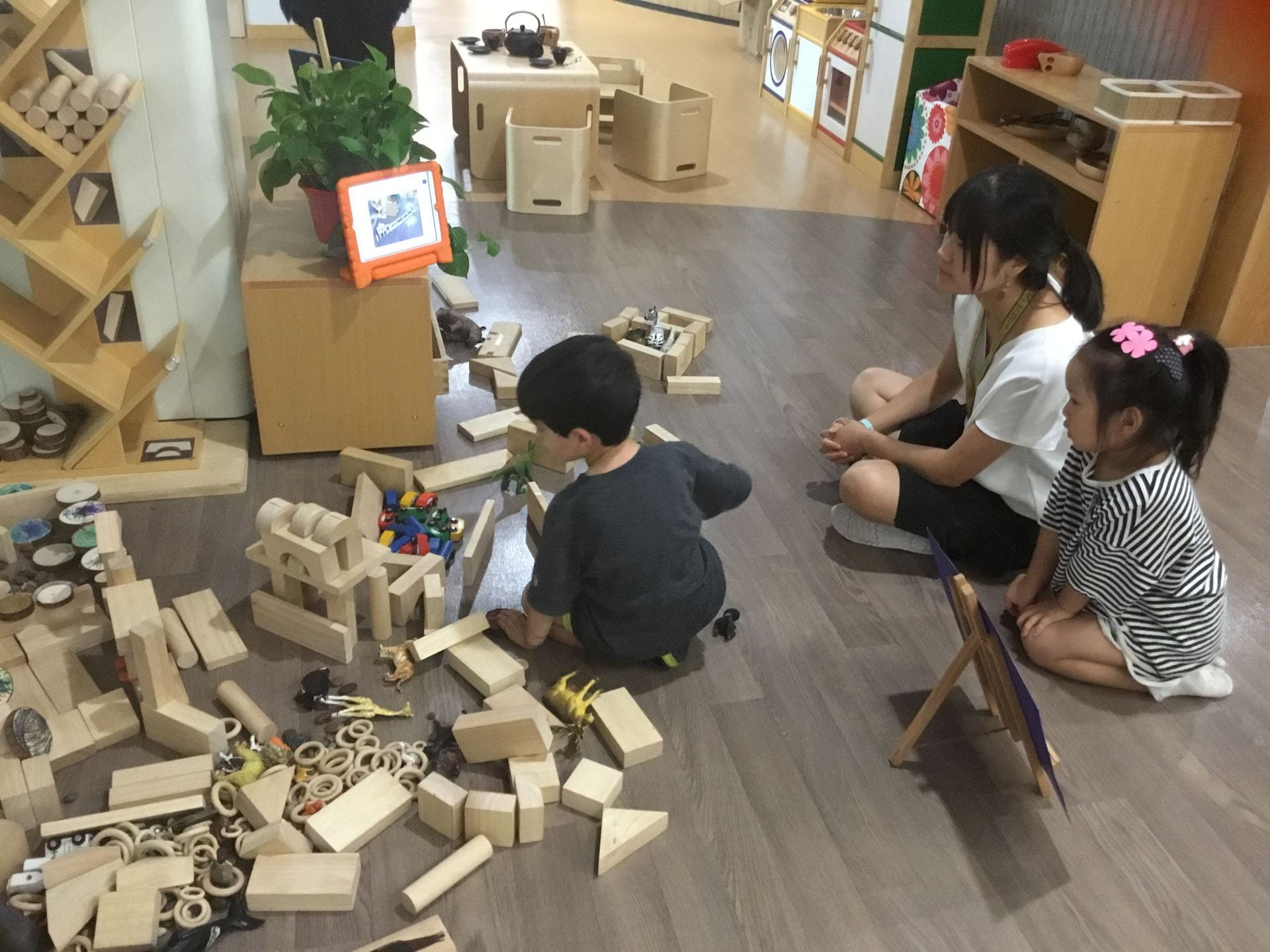
The children were deep in conversation about appearance while making a house for the panda.

  • Jacob “你觉得小panda是男生还是女生?” (Do you think the little panda is a boy or a girl?)
  • Adalyn “女生。” (a girl)
  • Jacob “是的,她是女生。”(yes, she is a girl.) “因为它看着像女生。” (because she looks like a girl)

Ms. Sophia “What should a girl look like? and what should a boy look like?”

  • Isabella “Boys look handsome.”
  • Jacob “Yes, boys look handsome and girls look pretty.”

Ms. Sophia “What is handsome and what is pretty?”

  • Jacob “I can’t quite tell you what is handsome and what is pretty.”

We decided to share the conversation with the class to see what they thought about appearance.

  • Jacob “She is pretty, she will use everything she makes to be pretty. Something beautiful on her face and her hands.”
  • Suzy “My mum, she puts drawing on her face.”
  • Isabella “I saw my mum, she draws on the nails. It is shining, it makes it pretty. People do it to make it prettier. I have it on two nails.”
  • Jacob “Handsome is cool. Use something on your face. Maybe something that is new. New shoes is cool.”
  • Evan “Like a new jacket. That is cool.”
  • Jacob “You will use fast things then you will be cool. You will run fast then you will be cool. And everybody looks at your shoes then she will be cool. He will have a long, long green things you will see on the shoes.”
  • Adalyn “When girls put makeup then they are pretty.”
  • Jacob “Put some decorations.”
  • Evan “Girls is pretty because her hair is long.”
  • Riccardo “People short hair is also cool.”
  • Sea “I think mummy and cat is pretty because I love mummy and so cute cat.”
  • Dahyun “Princess is beautiful because the dress is beautiful.”
  • Euno “I think cat is cute. Cat is small (kitten). I like baby cats.
  • Sea “Daddy is handsome because his eyes and ears. He has pretty eyes.”
  • Euno “My daddy is little bit big.”
  • Dahyun “My daddy is cute.”
  • George “Beautiful hair. My mummy has beautiful hair because it is long. My mummy is pretty.”
  • Ethan “Friends Dahyun and Euno is pretty because they play together.”
  • Suzy “I think Jacob, Riccardo, Finn, Evan are cool. I am pretty.”
  • Finn “My airplane is cool” (in Mandarin)

We know the ‘power of words’ and that the children’s words matter. The children’s conversations revealed many interesting ideas and theories about gender and appearance. They talked about products, styles and clothing that are used to enhance or change appearances. The words ‘cute’, ‘beautiful’, ‘handsome’ and ‘pretty’ were used to share these observations.

We wonder how we might challenge some of these theories about appearance and image to help us be more aware, open-minded, inclusive, accepting and appreciative of the people around us.

Earth Week Message

The children have been exploring different spaces around the school, thinking about the things they appreciate about the earth and how they might protect their environment. We decided to spend some time around the pond, listening to the water and watching the fish splash around us. 

We took our notepads with us to draw what we noticed, to think about the environment and how we might protect nature. 

We asked the children to think about nature and take a photograph to communicate an important idea. Here is what they had to say!

We appreciate…

What action will YOU take? 

Agency and Learning

We have been discussing the sketchnote by John Spencer (@spencerideas) “What happens when students own their learning?” and documenting some of the ideas shared.

We wondered what it means to have a ‘Growth Mindset’.

“In a growth mindset, people believe that their most basic abilities can be developed through dedication and hard work—brains and talent are just the starting point. This view creates a love of learning and a resilience that is essential for great accomplishment.” ( Dweck, 2015)

To explore this further, we watched a short video. 


Then, each student was given a statement on a yellow or white speech bubble. Each fixed mindset statement in white had a corresponding growth mindset statement in yellow. The students had to work out which statements could be paired.


Finally, we created a poster including all the statements. We discussed the ideas, statements and situations where we could use ‘self talk’ and and take action, to help us develop a growth mindset.

We continue to wonder how we can stretch our thinking, and explore and take more ownership over our own learning. We continue to remind ourselves that when we are actively engaged in various stages of learning (Including: thinking about, planning, modifying and creating) we develop AGENCY.

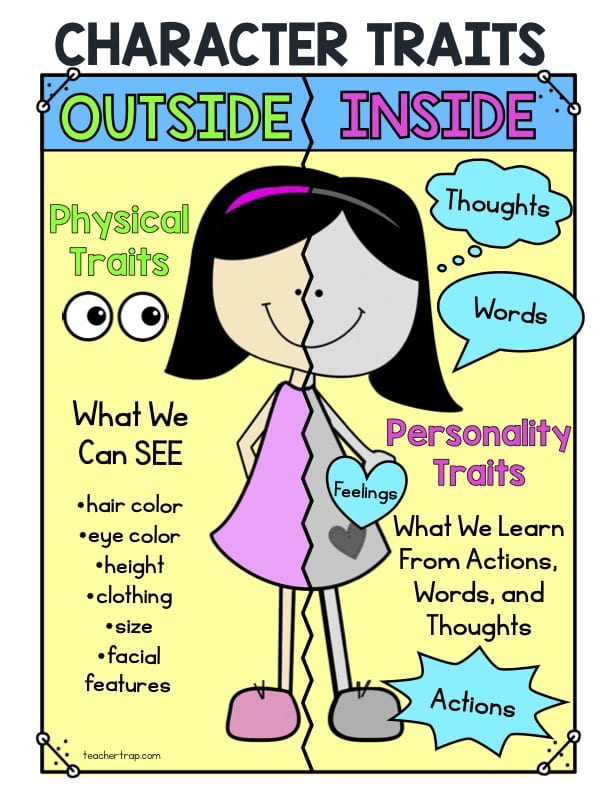
Inside and Outside! 

The students used their plan or mind map to help them write a rough draft. Then, they made changes to their work to improve their ideas and add more details. They organized their writing to create a second draft. After editing their work, they finally published their writing. Using the writing process helps the students think about the different stages of writing. It helps them revisit, revise and build on their first ideas.

Next, we thought about our personalities. Who are we on the inside?

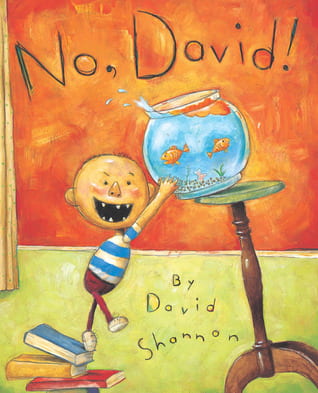
To help us think about this further, we listened to the story ‘NO. DAVID!’ by David Shannon.

First, the students described David from the outside. What are his physical traits, or things we can see?

David:

  • has sharp teeth
  • body is like a potato
  • has no hair
  • has skinny legs
  • has a triangular nose
  • has small eyes and thin eyebrows
  • has oval shaped ears

Next, we thought about the inside. What can we learn about David by his actions, words, or thoughts? The students wrote their personality trait words on post-its and shared their reasoning.

The students explained that David is:

  • Greedy because he eats lots and lots of food
  • Silly because he does crazy things
  • Unsafe because he does dangerous things like standing on books
  • Unkind because he did not listen to his mum
  • Funny because he does crazy things

Next, the students described their own personalities. They included these descriptions to their portraits. Through our discussions, stories and work together we continue to learn about who we are as individuals.

Next, we wondered what other people know or think about us! The students wrote statements about their friends and included these on the community display.

As we continue to learn about ourselves, we explore the interactions we have with each other.

  • How are we connected to each other?
  • What helps us stay connected?
  • What behaviours help or hinder our relationships?

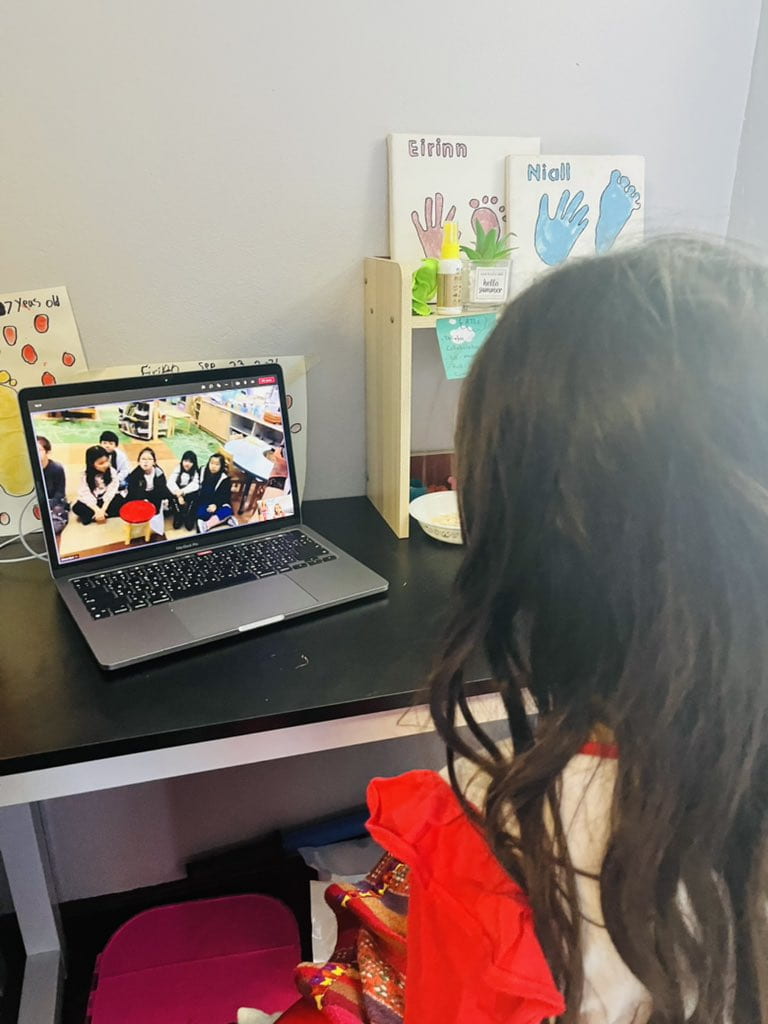
One of our friends are unable to join us in person, yet. She has been waiting to enter the country, but has been in touch with us virtually. The students frequently ask about their friend. They decided to give their friend a call to connect and learn about her. 

@E’s Interview

documented by Ella

First, we all sat in a group and thought about some questions. We all wrote our questions on a paper.

Second, we interviewed @E because we wanted to know more about her. We interviewed her with Ms. Shemo’s laptop. We read our questions to @E. @E told us the answer of all of our questions.

Then, Ms. Shemo showed our class room to @E. Then we said bye bye to @E.

We hope @E comes to China in a few days.    

The students wrote what they learned on speech bubbles. They included the information on their documentation panels. 

Concepts: identity, empathy, friendship, Inclusion

Kindness

We began our ‘ON CAMPUS’ Second Grade school experience by connecting with each other. We took some time to think about who we are as a community.

We acknowledged those who were in class with us and those who cannot be with us ‘yet’. Then, we discussed and shared our ideas about ‘kindness’; what it looks, feels and sounds like.

We talked about agreements for learning and engagement, respect and care. We had a great first day at school.

We look forward to a wonderful year in Second Grade!

All Together

The students were excited and energised from the Tug-of-War team activity. They laughed and shared their feelings with each other as they came back into the classroom.

We gathered to reflect on our experience. We watched a short video of the team game. How did we feel? Why did we feel that way?

First, each student wrote down their own reflections on paper. Then, while each child shared their ideas, we captured the main points on chart paper. Together we made our ‘thinking visible’.

The students continued to expand on each other’s ideas. One student said, “We do it because we want to be all together!”

Next, we wondered what ‘all together’ meant. We decided it could be a ‘community’. The students began to add their thinking. 

“We are together as a class. As a family, as a country, as a whole world!” They explained that it was important to be together.

Why is this important?
Watch this space to learn more…

Thinking Skills

  • Critical thinking: Analysing and evaluating issues and ideas, and forming decisions.
  • Creative thinking: Generating novel ideas and considering new perspectives
  • Information transfer: Using skills and knowledge in multiple contexts

Communication Skills

  • Exchanging information: Listening, interpreting and speaking
  • Literacy: Reading, writing and using language to gather and communicate information

Choices

We have been sharing stories, discussing scenarios, solving problems at play and reflecting on feelings and emotions, to help us explore ‘how our choices affect our interactions with others’. We have been wondering how ‘our actions’ might make others feel.

We assembled to have a class meeting. Our task was to discuss and share what we knew and thought about the different words that make up the Central Idea. What are choices? What are interactions? What does the word ‘affect’ mean? What does it mean to have empathy?  

We used different strategies to document and share our thinking. We used whiteboard drawings, partner talks and post-it note groupings to share our ideas. We reflected on our own behaviours, feelings and emotions.

We documented all our suggestions and ideas on chart paper to help us connect and explore the different concepts that we have been focusing on throughout this unit.

We continue to discuss the concepts behaviour, agreements, feelings, choices and consequence, while listening to the perspectives of others.

Our learning journey continues…

Empathy

What IS EMPATHY?

How do we develop empathy?

We read the story ‘Cleversticks’ by Bernard Ashley, illustrated by Derek Brazell.

This is a story about a little boy, Ling Sung, who hates going to school. There are too many things the other kids can do that he can’t. When he discovers everyone admires his ability to use chopsticks, Ling Sung is empowered.
The illustrations and story encourage the reader to reflect on feelings of helplessness, pride, discouragement and joy. The students retold the story using picture clues. We made a list of the characters in the story and discussed the setting (where the story takes place).
We talked about the beginning, middle and end of the story as well as the problem and the resolution (how the problem was solved). We created a ‘Story Mountain‘ to help us visualise and document our thinking.  
We used a graphic organiser to document key details from the text. 
This story encourages us to think about about how ‘Our choices affect our interactions with others.’ 
To explore this further, we discussed the different characters in the story. We wondered what message the author wanted to convey through this story.

I think the authors message is…

  • … we know that some people know some things and some people know other things. – Kavel
  • … everybody needs to be united. Friendship. Help each other. Learn from other’s strengths. – Sam
  • … do not laugh when someone can’t do something. Be kind. Be caring. – Sky
  • … letting us try things.- Hannah
  • … be helpful. – Miranda
  • … play kindly with friends. – Eunseong
  • … know different feelings and learn things. – Carlotta
  • … if you don’t know something you can keep on practicing and you will get better at it. – Elena
  • … nobody can do everything. – Ryder
  • … some people are good at writing and anyone can help to do writing. – Dohoon
  • … we also need friends. – Stella
  • … work at whatever you want. – Chanwoong

Next, the students used a thinking routine ‘I Used to Think… Now I Think…’ to document their initial ideas about the word ‘EMPATHY’.

What do you do when you feel sad or when something terrible happens? What would you do if you notice someone else feeling sad?

We listened to a story ‘The Rabbit Listened’ by Cori Doerrfeld

In this story, something terrible happens to Taylor. While he is trying to manage his feelings, his friends try to give him some solutions. One by one, the animals try to tell Taylor how to work out his feelings, and one by one they fail. Then the rabbit arrives and something wonderful happens… 

After listening to the story, the students documented their thinking, reflecting on how and why their thinking changed.

I used to think ‘EMPATHY’ was…NOW I think ‘EMPATHY’ is…

What does empathy mean to you?

Math in our World

  • How many ways can you show the number 25?
  • How will you organise your materials or manipulatives?
  • What would your number sentences look like?

The students worked independently to ‘show’ their number. They were encouraged to think about how they would place the manipulatives/materials.

When all the students had completed the task, we did a ‘gallery walk’ to look at all the different ways we can create a number.

Next, we worked in groups to talk about what we already know about MATH. The groups documented their learning.

Then, we gathered to discuss and document the MATH we see around us? How do we use Math in our world? The students explained that we need MATH when we:

  • go shopping to buy food
  • pay for gas
  • count in different daily situations
  • pay for a taxi
  • buy tickets to take a flight
  • measure
  • look at shapes

We discussed how Math can make us feel. We talked about the different zones we could be in when we learn something new, and the experiences that make us feel as if we are stretching our brain, thinking and learning.

They each reflected on their own abilities, skills or knowledge. What warrants a star and what they wished or hoped to learn in the future.

How do YOU feel as a Mathematician? 

A New Start!

We are ready to start our learning journey in Second Grade! There are spaces to read, create, design, investigate and problem-solve. 

This week in 2A, we have spent time settling in, learning new routines that help us stay safe and organised as we work and play together. We have been discussing our behaviour and actions that support our learning. We have engaged in activities that help us get to know the class community, and have visited some of our specialist teachers.

During class meetings, we have been talking about appropriate behaviour both indoors and outdoors. We have explored feelings and emotions using a wonderful story by Cherryl Kachenmeister titled ‘On Monday When It Rained’.

We have begun to gather and document our thinking, feelings and wonderings using different routines. Here is one we used to talk about what playtime might ‘look’, ‘feel’ and ‘sound’ like. We will continue to develop our ideas and add to our documentation.

We explored feelings and behaviours that help us learn and play safely. We discussed appropriate behaviour for different times in the day, places we might be in or the events we might be part of. We wondered and talked about how feelings change, and how we can regulate our own behaviours. Here are the ‘Zones of Regulation’ that help us manage these behaviours more independently.

Here are some strategies we can use to get back to the ‘Green Zone’, if we are in a different zone that is not helpful to us or the others around us.

We all agreed and signed the ‘NIS Essential Agreements’.

We are learning that being kind, feeling safe and being helpful, are essential to creating a positive learning environment.

We aim to work together to create a wonderful NIS experience!

Through our discussions and activities the children had many opportunities to reflect on their own actions and move between the different ‘zones’. In P.E. they were excited, and energised while playing games and taking on challenges. After outdoor playtime, they chose spaces of ‘calm’ and huddled with a book. We are learning that there is a time, place and situation where these emotions fit naturally.

Social Emotional Learning Resources

Below is a collection of picture books to support Social and Emotional Learning. 

‘Ruby Finds a Worry’ by By Tom Percival. Ruby loves playing and exploring the world around her. But one day, she notices a Worry hanging around. At first, she decides to ignore it, but it just grows bigger and bigger, and before long, it’s so huge that it’s all she can think about. An excellent teaching book about managing worry, which everyone has and which may come back sometimes but can get better if you share it with someone who can help you through it.

Here is yet another story about friendship Little Elliot, Big City’ by Mike Curato. In this story, Elliot, a little elephant, lives in a big, busy city. The big crowded streets and tall buildings make him feel rather small. Little Elliot is good at finding solutions to problems when doing his chores at home. Elliot finds many wonderful things to enjoy and discovers something that is even better than cupcakes! What might that be? We wonder… what do you like to do with your friends? How do you have fun with your friends? How do you help and take care of your friends? 

What do you do when you feel sad or when something terrible happens? What would you do if you notice someone else feeling sad? In this story, something terrible happens to Taylor. While he is trying to manage his feelings, his friends try to give him some solutions. One by one, the animals try to tell Taylor how to work out his feelings, and one by one they fail. Then the rabbit arrives and something wonderful happens… Let’s read ‘The Rabbit Listened’ by Cori Doerrfeld

What does it mean to be kind? How might acts of kindness bring us together as a community? Author Todd Parr explores this concept through his picture book The Kindness Book’.

-Approaches to Learning (ATL’s)

  • express oneself using words and sentences
  • practise empathy and care for others
  • be respectful to others
  • be aware of own and others’ feelings
  • use strategies to problem-solve

You WILL Be My Friend!

Online Learning

Focus: Communication Skills

Peter Brown is an author and illustrator. He enjoys creating stories by drawing whimsical characters and scenes from his imagination. A few years ago, Peter Brown visited NIS. He read stories and showed the children how important drawing and creativity is to an author and illustrator. Peter Brown has earned many awards for his work. His wonderful picture books are some of our favourites at NIS.

The following stories, read by the teacher are available on Seesaw. Please refer as needed.  

Here are two of our favourite stories! 

‘Mr. Tiger Goes Wild’ by Peter Brown.

Mr. Tiger was bored with being so proper. Do you get bored of being proper, always doing the right thing?

Mr Tiger knows exactly how you feel. In this story, Mr. Tiger decides to go wild, but does he go too far? There is a time and place for everything…even going wild! 

  • Why is it important to have friends? 
  • How do we make new friends?
  • How might we show our friends we care about them?

You can also share your thinking through your drawings, just like Peter Brown does!

Approaches to Learning (ATL’s)

Communication Skills

Speaking

  • Express oneself using words and sentences.

Interpreting

  • Interpret visual, audio and oral communication: recognizing and creating signs, interpreting and using symbols and sounds.
  • Understand the ways in which images and language interact to convey ideas.

Reading, writing and mathematics

  • Understand symbols.
  • Understand that mark-making carries meaning.
  • Use mark-marking to convey meaning.
  • Document information and observations in a variety of ways.

Kindness

Online Learning

Focus: Social and Emotional Learning

What does it mean to be kind? How might acts of kindness bring us together as a community?

Author Todd Parr explores this concept through his picture book ‘The Kindness Book‘.  

https://www.youtube.com/watch?v=SFzmydgwgwc

  • How were ‘you‘ KIND today?

-Approaches to Learning (ATL’s)

  • express oneself using words and sentences
  • practise empathy and care for others
  • be respectful to others
  • be aware of own and others’ feelings
  • use strategies to problem-solve

Friendship

Online Learning

Social and Emotional Learning in the Early Years.

Many of the children explained that they miss their friends at school. Friendship plays an important role in learning. As children play with each other, they take turns, listen respectfully, share resources and develop a deeper appreciation for their own and others feelings. 

This reminds us of a wonderful story about good friends. Let’s read ‘Big Bear, Small Mouse‘ by Karma Wilson & Jane Chapman.

Here is yet another story about friendship Little Elliot, Big City‘ by Mike Curato. In this story, Elliot, a little elephant, lives in a big, busy city. The big crowded streets and tall buildings make him feel rather small. Little Elliot is good at finding solutions to problems when doing his chores at home. Elliot finds many wonderful things to enjoy and discovers something that is even better than cupcakes!

What might that be?

We wonder… what do you like to do with your friends? How do you have fun with your friends? How do you help and take care of your friends?

  • Jiwon “I can play ball and role play with my friends and have fun. If you don’t make fun of each other for being small and don’t fight each other’s toys, we can all be happy together.”

Approaches to Learning (ATL’s)

Social Skills: Interpersonal relationships

• Practise empathy and care for others

• Be respectful to others

• Help others

How do we capture a moment?

Felix was excited as he came into school. He said that he found ‘ice’ on the grass. He said he had it in his hand and was sad that he could not bring it to class. He was invited to see if there was any more ice on the grass in the EY playground. His eyes lit up. He quickly put on her coat and ran outdoors. He came back with a piece of grass in his hand.

He looked sad.

He stated that there was ice on it ‘just now’. When asked what he thought might have happened, he explained that it has melted because the “inside is too hot”.

What if we did not have to bring it inside?

We thought about this for a moment.

What if we found a way to capture a moment? A picture?

Felix quickly chose an iPad and went back outside to document his observations. He came back with a beautiful picture of frost on the grass. He was simply beaming with pleasure that he was able to share what he experienced in the morning.

Felix “I got it! Ice.”

How We Express Our Feelings

What makes us happy?

There were many different pictures of children on top of the chart paper.

Teacher “How can we sort these pictures?”

  • Felix “We can just take out our pictures.”
  • Sarah “We can put together?”

Sarah gathered a few pictures to create a set.

Teacher “Why would we do that?”

Charlotte agreed with Felix.

  • Michelle “We can paste our pictures (in Mandarin)
  • Michelle “You sort out your pictures like this.”

Teacher “Are any pictures the same?”

Michelle chose a few pictures that she thought looked the same.

  • Michelle “Because I like this, Sarah like this Charlotte like this.”
  • Charlotte “All like this, like the flower.”
  • Sarah “I and Charlotte and Michelle the same.”

Teacher “But why would you make that face.”

  • Charlotte “Because I am happy.
  • Michelle “Because I am cute.”

Tyson chose a different picture and explained “Because I am angry.”

This led to the children sorting the pictures into two categories. Cute and angry.

Teacher “Can we find more pictures of angry?”

The children looked for more pictures of faces that may show the emotion ‘angry’.

  • CharlotteSilly

Yet another group was created of ‘silly’ pictures.

  • Charlotte “We found silly pictures. This is happy and this is cute.” 

Sewon explained that there are some pictures of people crying.

  • Felix “How about scared?”

The children began to look for pictures that show the emotion ‘scared’.

They looked closely at a picture of Ms.Tina’s  Feelings.  

Teacher “What is my feeling when I am doing a ninja pose?”

  • Charlotte “Green Zone”

Ms. Tina explained that we will have books available for the children to make their own books on ‘feelings’. Ms. Tina created her own book of feelings. The children gave her suggestions stating that having a birthday might make her happy.

Ms. Tina continued to include pictures of the different experiences that make her happy.

The children were excited about creating their own feelings book. They sat in ‘bubble spaces’ to make their first page. When they finished, they sat together to share their books. Sitting in a circle, listening to others share their page.

NIS is an inclusive school, a school that celebrates our differences, our uniqueness, while helping us learn more about what brings us together. Our feelings and emotions can play an important role on our day as we play, learn and share a space together. Being able to recognise that we all have feelings and that we all express our feelings in different ways, helps us develop empathy and respect for each other.

As we continue to explore these emotions, we hope to explore how we can show these emotions in appropriate ways. Through these discussions and group activities, the children will continue to explore strategies that can help us deal with ‘big’ emotions (e.g. angry).

@M “Zoo, when I go to the zoo. Because I like the giraffe. This is me I like to meet her, the giraffe. I give her leaves. This is me and my mummy go to school, because I like it.”

@S “When play with friends. Maybe with blocks. I and Michelle and Charlotte in the swimming pool. And this is my birthday. I and Michelle and Charlotte look at Michelle, Charlotte and me picture.”

@C “Because I go to the new zoo. Too many animals. This is bad zoo. Not good zoo, he was monster in. My daddy and my mummy and my brother. I see elephants, zebra, giraffe. Have some lion and tiger. When I am happy, I smile like this.”

@S

@Y “Elephant happy. Cake, me happy. Turtle, happy.”

@J “Daddy, Jiwon, brother, mummy, house, happy.”

@F “When I get a birthday cake, I feel happy. When I get blue-tac, I’m happy. When I see a rainbow, I’m happy. When I get some ribbons, I’m happy. When I have balloons, I’m happy. When I see a new plant, I’m happy. I’m feeling happy when I go to the beach.”

Next, the students helped create the labels to name the different feelings.

Approaches to Learning

Communication Skills

  • Listen to information.
  • Listen actively and respectfully to others’ ideas.
  • Express oneself using words and sentences.
  • Participate in conversations.
  • Negotiate ideas and knowledge with peers and teachers.
  • Use mark-marking to convey meaning. 

Social Skills

  • Be respectful to others.
  • Play cooperatively in a group: sharing, taking turns.
  • Be aware of own and others’ feelings.
  • Explain possible causes for their different feelings and emotions
  • Recognize that everyone has feelings, emotions and perspectives that may differ from their own

The Design Projects

The community have been spending time during their breaks, creating different items using the different materials provided by the children. 

They have used wooden blocks, clay, glue and nails to create a variety of items.

Some of the projects were in the ‘construction’ stage, some of them were completed and labelled.

The children frequently visited the space to see the many projects being carried out.

They discussed the projects and decided to share their thinking and questions with the creators.

Felix “Thank you for build tree house.”

Sebastian “A car. A tool for pushing the car. Then the car put there.”
Tyson “这个是车子。谢谢。因为你们给我们做了很多东西。”[This is car. Thank you. Because you help us make a lot of things.]

The children were inspired, they wanted to create their own projects. They used the materials to make iPhones, iPads, vehicles and houses.

“这是一个美国的飞机。” [This is an America airplane.]

Felix “This is a ipad. You can measure everything how heavy it is. And it can look under the floor.”

We wonder what else we can make with the different materials we have around us.

How might you be inspired to create?

Approaches to Learning (ATL’s)

  • Observe carefully.
  • Seek information.
  • Ask for clarifications.
  • Express oneself using words and sentences.
  • Participate in conversations.
  • Negotiate ideas and knowledge with peers and teachers.
  • Choose and complete tasks independently.
  • Demonstrate persistence in tasks.
  • Use strategies to problem-solve.

Developing a Sense of Community

We gather as a group each morning to welcome the day, to greet each other, to share news and to talk about the projects that we might want to follow or complete.

Our Morning Meetings are a time to learn about each other. A time to share our individuality, diversity and common aspirations. We sit in a circle, where there is no hierarchy. We are all the same in this space. Together we find ways to create a democratic environment where we respect, care and learn about each other’s perspectives.

During this time, a member of the community checks in with others to place the lunch order. While completing this task, we learn each other’s names. We learn how to listen to others, respond to questions and collect data.

One member of the community then goes over to the cafeteria to deliver the cards to the staff, placing the order for lunch. They bring back the fruit snacks, which we eat together at the snack table. 

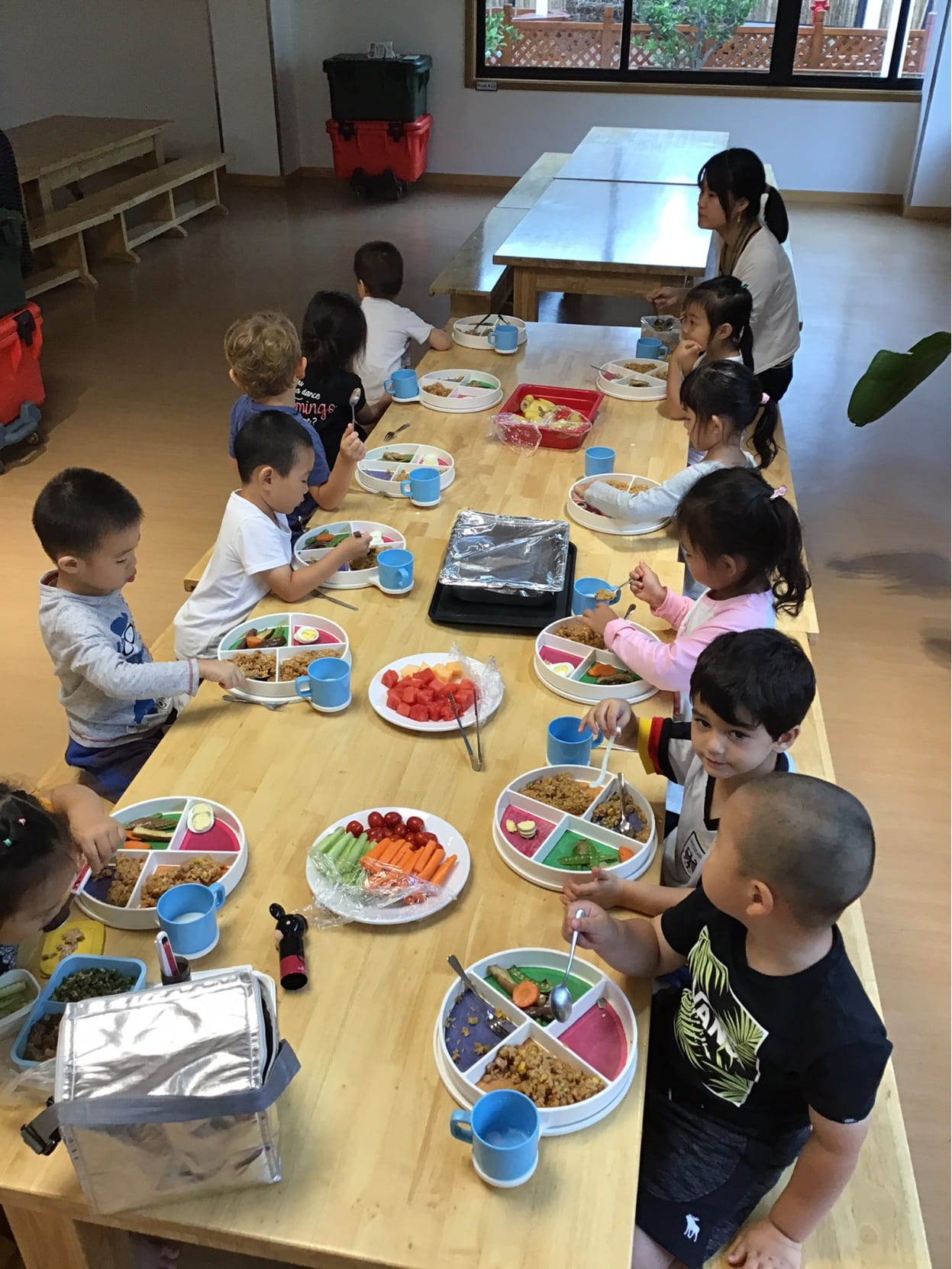
At lunch time, a few children go over to the kitchen to set the table, to prepare for our meal together. We all sit together to eat our ‘school’ and ‘home’ lunches. We focus on independence, encouraging and learning good table manners.  We pass the food platters around, serving only what we can eat, talking about balanced diets and good hygiene. We discuss waste and care for the environment. After lunch, we pack up all the cutlery, crockery and clear away the dirty dishes. Taking responsibility for the spaces we use is an important part of our learning together.

Being caring and accepting others is one of our Essential Agreements. We seek out and celebrate instances when these agreements come to life in the community.

The teachers frequently sit together with the children, sharing what they have noticed.

Making invisible actions public and celebrating instances when the community have been able to solve problems together through dialogue and collaboration. These are great opportunities to highlight the role of kindness, empathy and care in communities.

The children frequently create with blocks, loose parts and other materials in the classrooms. Sharing the materials as we create can be a challenge for some of us. It is important to be able to capture instances when we act as a community. 

In the picture below, the students noticed that there were many people crowding around the library check out counter.

When the teacher shared her observations, the children quickly lined up behind one another, waiting patiently for their turn to check out their books. Being mindful and respectful of different behaviours in different places helps us create a calm and positive learning environment.

In order to make this happen we spend a lot of time, learning about ourselves; our actions and behaviours, how they affect us and the others around us, how we can manage these emotions.

The Zones of Regulation help us visualise and verbalise emotions. We refer back to this language to help us learn how to manage our feelings, emotions and actions.

Here are some examples of kindness in the Early Years.

We aim to seek out opportunities that bring us together as a community. In order to celebrate our PreK-K1 community, we worked together to bake muffins that we then shared with our friends.

Our community is more than just our PreK-K1 friends. The children frequently visit the other campfires in our Early Years space, to play with the other children and explore the different centres. In the picture below, a K2 student reached out to a K1 student, when he could see that she was unhappy in the playground.

Caring for others helps us develop a safe, kind and positive environment where everyone feels valued and empowered to learn.

Central Idea: What we do matters to others.

Lines of Inquiry:

  • how we behave towards others (perspective)
  • appropriate behaviour in a variety of settings (connection)
  • the impact of our behaviour on others (responsibility)

Key Concepts: connection, perspective, responsibility

Related Concepts: acceptance, relationships, attitudes, behaviours

Building Relationships through Kindness and Cooperation

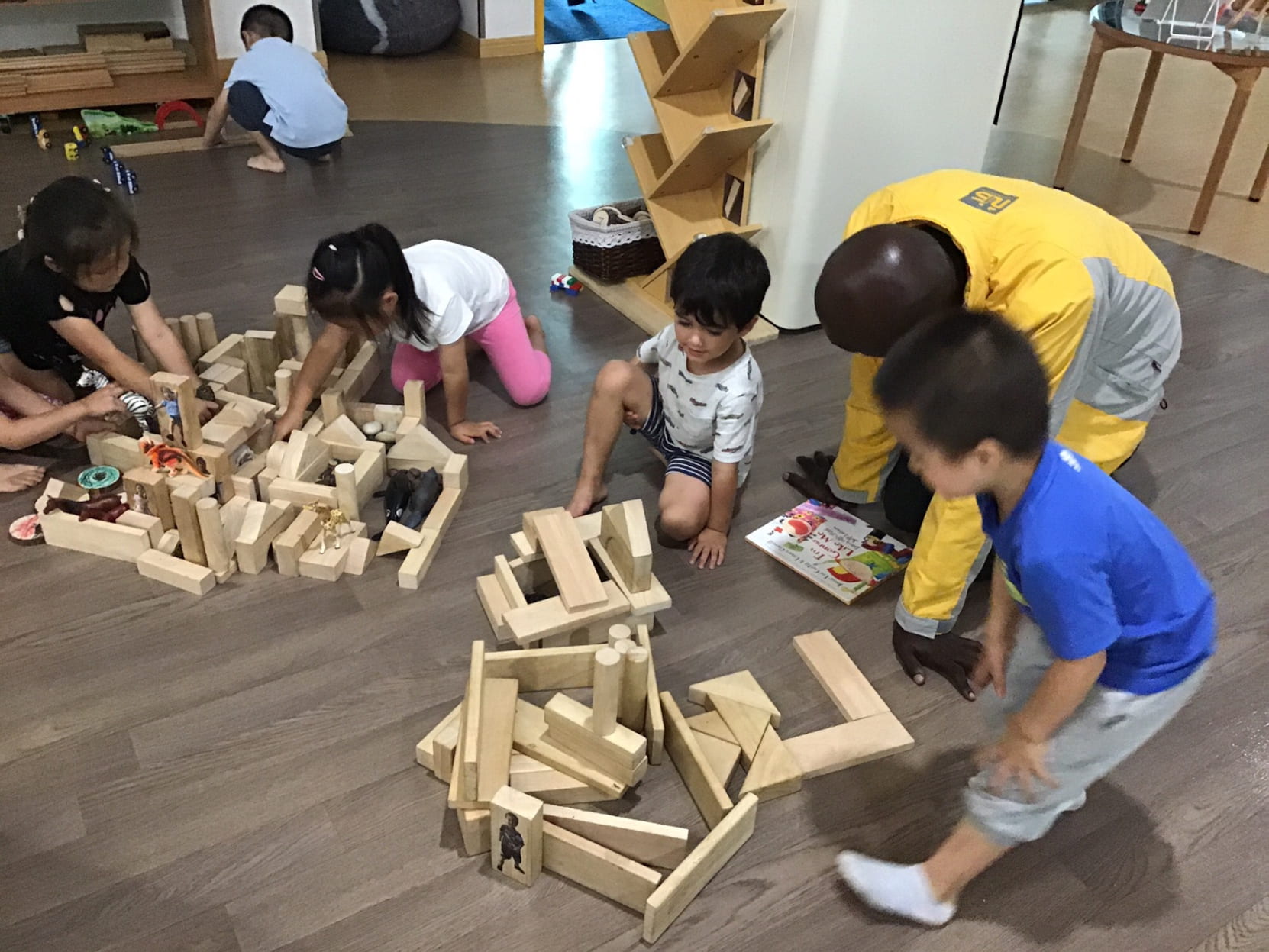
The children have been creating homes and trains with blocks and loose parts. These creations live around the classroom, and the children frequently revisit their creations to build upon ideas or reconnect with the stories that live within them.

  • Felix “They are building the house. I was building an animal train.”

A train that carries animals

A home for animals

The children use ‘people blocks’ (wooden blocks with pictures of the children on them) to signpost important structures or ongoing creations that need to be protected. Unfortunately, as the children played around the classroom, the creations were knocked over. The children were sad.

  • Sebastian “Breaking.”
  • Michelle “Sad, because it’s broken.”

They wondered what they could do to help.

  • Sebastian “Fixing. Me”

We had pictures of what the structures looked like before they were knocked over. The children looked at the pictures and began to recreate them with the blocks. They worked together and helped rebuild all the broken sections of the structure.

  • Felix “I take the thing on the animal train and build from Sarah, Michelle and Charlotte.”

While working together, the children were able to show empathy towards others. They had opportunities to talk about their feelings and the different ways they can express themselves.

The children continue to show respect for others through their actions and language. These are wonderful opportunities for us to talk about the essential agreements we create as a community, that help us have fun and stay safe.

Through this exploration we had opportunities to…

    Use discussion and play to generate new ideas and investigations.

    Listen actively and respectfully to others’ ideas and listen to information.

    Express oneself using words and sentences.

    Participate in conversations.

    Practise empathy and care for others.

    Be respectful to others.

    Play cooperatively in a group: sharing, taking turns, helping.

    Be aware of own and others’ feelings.

    Be aware of own and others’ impact as a member of a learning group.

    Use strategies to problem-solve.

-Approaches to Learning (ATL’s)

Student-Led Conferences

‘The learning belongs to the students, not the teacher. We are supporting our students to take ownership of their learning and to be able to think and talk about their learning with knowledge and confidence. When students know how they learn best and are able to reflect on their learning, they are able to advocate for themselves.’ (Parent Survival Guide to Student-Led Conferences, NIS)

The PreK-K1 Student-Led Conference is a special day in the school calendar. Throughout the year, the students have decided what learning stories they would include in their ‘treasure box’, that showcase their growth, learning and general development.

It is a special day for the teachers, as they watch the students take ownership over their learning. In order to do this with purpose and confidence, they first practiced this task with a friend.

https://twitter.com/NISPreKK1/status/1111151903830765568

The students are provided with a guide to help them navigate through the day’s activities. 


The Treasure Box – Portfolio

At this station, students shared their portfolio boxes with their parents. These boxes are a treasure chest of learning. Students can go through the items they have treasured through the year, while reflecting on their experiences.

The Name Game

At this Literacy centre, the students followed a guide to build, write and create their name using blocks, paper, card and writing tools. 

Estimation Station

At this centre, the students completed an estimation and measurement activity. 

https://twitter.com/NISPreKK1/status/1107931145692299264

The Weave

The students have been working on a weaving project in the classroom. At this centre the students were invited to complete the weave with their families. 

https://twitter.com/NISPreKK1/status/1111782766679490561

Musical Centre

The students have been excited to share a special song in Mandarin. This centre invited families to join in as the students sang along to the song. 

https://twitter.com/NISPreKK1/status/1118133101647974400

SLO’s

  • share their learning with peers and parents in a reflective process (SLCs)
  • communicate in different ways

Expressing Ourselves Through Photography – Climate Change Challenge

Today is a special day. All around the world, the children are uniting their voices to bringing attention to ‘Climate Change’. We sat down to talk about the impact it has on us. We used a photograph to begin our discussion.

How does a photograph tell a story? 

A child wearing a protective mask in Tiananmen Square, Beijing. Beijing’s mayor Wang Hansen has said smog had made the capital “unlivable”. Photograph: EPA

  • Jasmine “I see a mask because she is not good.”
  • Charlotte “Mask, very not good, not happy.”
  • Felix “When the world makes mask, and there we need masks. Then it will come in the mouth. Messy wind.”

  • Ruby “I think because it is foggy.”
  • Lawrence “Some air in the mouth is not good.”
  • Amber “Because we will get sick. Because we breathe some air, we will get a cold.” [in Mandarin]
  • Michelle “Because I don’t like it. Because I think mummy say no, no, no. My mummy say because that is very, very, very not good.”
  • Nicolas “Because I think that when it is raining, the rain is also dirty, so sometimes when the rain mixed together and when it gets cold and not so good for us, it is a problem. It changes.”
  • Michelle “We need that mask.”
  • Sarah “If the air is bad, we should put on our masks.” [in Mandarin]
  • Ruby “We like to play.”

One student had brought his camera to school. It was a wonderful day to go outdoors, to feel the cool breeze, to see the blue sky and the plum blossoms. We decided to take some pictures. We could also use the iPads!

How might we capture the beauty of our world in 1 or 2 pictures?

What do we miss when we have to be indoors?

The students began by wearing masks to go outdoors. Do we like wearing them? How does it affect us? Why do we need them?

The students looked around them. What would be a perfect picture?

  • Jasmine “The sun is very beautiful.”

  • Ruby “The grass is so much fun.”

Click…click…click…

Here are our favourite pictures…Do you hear our stories? 

https://twitter.com/NISPreKK1/status/1106492365785579520

Approaches to Learning (ATL’s)

Thinking Skills

• Observe carefully.

Research Skills

• Use all senses to observe and notice details.

Communication Skills

• Understand the ways in which images and language interact to convey ideas.

Self-management Skills

• Choose and complete tasks independently.

The Accident

  • Felix “What is it? Ms. Cherry, she is in the room.”
  • Nicolas “Did she break her leg?”
  • Alejandra “Ms. Cherry!”

Alejandra shows Freida the picture.

  • Jasmine “That’s Ms. Cherry.”
  • Ruby “Ms. Charry has a broken leg because she has something on her foot.”
  • Amber “Because he hurt his leg.”
  • Alejandra “It’s because Ms. Cherry looking for some people for the window. Someone broke the window and Ms. Cherry go to say something and some pieces fall from the window and fall on her foot and all the foot.”

A few days before we had spoken to the students about a broken window in Ms. Cherry’s class. It had broken when a student threw a stone.

  • Felix “I think when the window come then its broken then the foot.”
  • Nicolas “She is smiling and her foot is broken!”
  • Charlotte “Its broken.” In Mandarin “Ms. Cherry bones are broken.”
  • Alejandra “We can give to Ms. Cherry some flowers and chocolates.”
  • Teacher “How do you know she will like to have flowers and chocolates?”
  • Alejandra “Flowers. Because I love!”
  • Felix “In the house then it is broken and then it came this. She fell in house.”
  • Poli “Ms. Cherry and doctor and here and here and doctor.

  • Nicolas “Maybe she go to the house upstairs and lies down and then she fall down from the bed and then she went out and looked to the window and then she falled down to the ground.”
  • Freida “Ms. Cherry will sit on…”
  • Ruby “Wheelchair.”
  • Frieda “Ms. Cherry go on a wheel chair and then she goes to a doctor on the wheelchair.”

  • Ethan “Ms. Cherry is hurt, and her legs are in some straps. I don’t know what happened.” 9in Mandarin)
  • Ruby “Its bandages.”

The teacher explained that she had no money. How can we earn some money to buy some flowers and chocolates. The children suggested we ask Ms. Angie because she had money. She used money to buy things from the supermarket when we went to buy things.

  • Nicolas “We can make our own chocolates. We can pick flowers from the garden. From the playground where there is a spider web.”
  • Alejandra “Ms. Cherry comes to the nurse and see its broken and she sits down to the doctor and she can push her and the chair in the office. He can call her doctor to help to push.” (the nurse will help to push the wheelchair)
  • Lawrence agrees that she needs some chocolates and flowers.
  • Felix Ms. “Cherry comes a doctor.”
  • Poli “Ms. Cherry and doctor and pillow and house and put on floor.”
  • Alejandra “My mum and me go shopping I can first say to mum, ‘Can I buy some flowers for Ms. Cherry’. Because I like. My mum has some money to buy.”
  • Lawrence “Girls like Chocolates and flowers. Boys no.”
  • Nicolas “I like flowers.”
  • Ruby “Maybe in the window, someone threw the rock in her window and I saw the crack and then maybe it fell and hurt her foot. Also she go to the doctor and go get a plaster, and also why did someone crack her window?
  • Alejandra “It’s because in her house, so many bad guys go to her house, it’s a fire and then she hurt her leg.”
  • Poli “Ms. Cherry and doctor and house and home and flower and chocolate.”
  • Lawrence “It’s boys no like flowers. Girls thinking, boys is boys thinking.
  • Ruby “Boys like chocolates and girls like flowers. Boys don’t like smelling things. I know because you know Ms. Cherry has flowers, it will make her feel better.”
  • Freida “I wasn’t to bring chocolates and flowers. I have money for buying fruits and vegetables.” 
  • Nicolas “Wait!!! I have money in my bank! Remember my small money!”

We wonder what action students will take…

The next day we discussed our ideas. We checked with Ms. Angie about getting flowers from the garden, but we have not seen any. We know that there are flowers growing in the garden plots, but those do not belong to us. The students explained that, “We can’t take things that do not belong to us.” 

We then wondered if we can make our own flowers. Ms. Angie offered to help us create our own flowers. We could use paper, card, tissue paper, pipe-cleaners and glitter. Nicolas was concerned that the flowers won’t smell like flowers. He suggested that we spray perfume on our flowers. 

https://twitter.com/NISPreKK1/status/1064459094642180096

What would you like to say to Ms. Cherry?

The students went to see Ms. Cherry with their flowers and notes. 

Ethan wanted to know how Ms. Cherry broke her leg. 

Jasmine wanted to know why Ms. Cherry was not getting better. 

The children wished Ms. Cherry a quick recovery and then went back to class to have snack.  

https://twitter.com/NISPreKK1/status/1065870247196950528

Approaches to Learning (ATL’s)

Social Skills 

Interpersonal relationships

  • Practise empathy and care for others.
  • Listen closely to others.
  • Be respectful to others.

Social and emotional intelligence

  • Be aware of own and others’ feelings.
  • Be self- and socially aware.

A Muddy Mess!

A new space opened up to the students. The space was shaded by the young trees and the ground cleared out so that it can take on a new life in the playground. A week of rain contributed to new opportunities for learning. The ground was soft, muddy, slippery and ready to be explored. The playground was full of muddy puddles. The students ran around in their wet boots, jumping in the mud shouting with excitement. It was so much fun!

At the end of the second day, the challenges were apparent. The children’s boots were covered in mud. Their clothes were muddy and clay blobs lined their faces. 

The class gathered for a walk outdoors. The students quickly observed how fun play had also resulted in disrespect for the environment. They noticed and commented on their observations.

There were mud balls on the walls.

Mud on the wooden pillars.

Trucks in the pond.

Mud in the sand pit and on the fire truck.

Mud on the windows and on the carpets.

And Ms. Cherry’s window was broken by a travelling stone!

A plan was needed!

The students gathered to discuss what they had noticed.

How might we have fun and still be respectful of our environment?

  • Alejandra “We need to remember to stay ‘STOP’ because I think that we can’t clean the muddy puddle off the window.”
  • Ruby “No throwing mud on the wall because the wall will crack.”
  • Nicolas “If somebody throws the mud on the wall then you can’t clean it.”
  • Felix “Not running and pushing because it’s not ok.”
  • Ruby “When someone pushes you two times then you have to tell the teacher. Play with the trucks in the sandpit. But now the sand pit is covered in mud because someone threw the mud in the sandpit. When you are being rude to your mummy and daddy, then they will be sad. When someone is not your friend then find an English other person and I play with other friends in Chinese.”
  • Felix “The fire truck is not in fire (there is no real fire)”.
  • Freida “Don’t put the mud on the wall and not on the fridge. Because it will break. You cannot wipe it.”
  • Lawrence “我们不能把泥巴扔在窗户上。我们不能把泥巴放在脸上,也不能把泥巴放在自己和别人的身上。” “We can’t throw the mud on the window. We can’t put the mud on the face, on our body or others’ body.”
  • Alejandra “我们不能把泥土仍在别人的脸上。如果有人扔泥巴的话,我们可以告诉老师。” “We can’t throw the mud on people’s face. We can tell teachers if somebody throws the mud.”
  • Ethan “我们不能把泥巴扔在窗户上。” “We can’t throw the mud on the window.”
  • Charlotte “我们可以用泥土来做城堡。而且我们要洗手。”“We can use the mud to make castle. And we should wash our hands.”
  • Lawrence “我们不能把泥巴带到教室里面来。我们要在玩泥巴的地方玩。” “We can’t bring the mud into the classroom. We have to leave the mud in the muddy space.”
  • Alejandra “我们可以用泥巴来做公主。” “We can use the mud to make princess.”
  • Lawrence “ 不能把玩具弄坏。”“We can’t break the toys.”

We continue to talk about how we can make playtime a great experience, while reflecting on how we can respect our environment. 

SLO’s

  • the impact of simple actions on their immediate environment
  • how to take care of things
  • enthusiasm and respect for nature and Earth

Morning Meeting – Leader of the Day

Morning Meeting is a special time for the students. It is a time when students greet their peers and adults by name, and prepare to settle in to play, explore and learn together. Morning Meeting activities help build a strong sense of community and sets the students up for success. Students are encouraged to listen, look at the person who is talking, and manage their bodies, which sets the tone for a respectful and trusting learning environment.

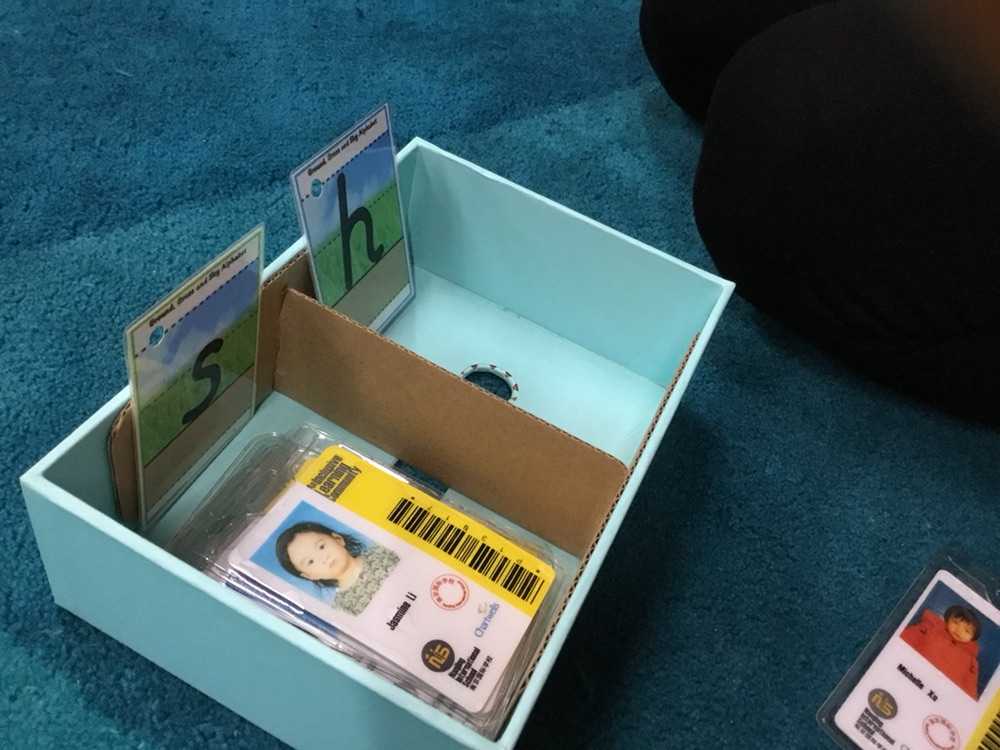
This morning, one student was in charge of the lunch order.

I asked Nicolas, “School lunch or home lunch?” Because he needs to eat. 

Letter ‘s‘ is for school lunch and letter ‘h‘ is for home lunch. 

Alejandra “We put it into the packet and then we put it on the door.” 

Each morning, the students will be responsible to place the order. 

We wonder, how many students will eat lunch tomorrow?

Self-management

• Complete tasks independently.

• Follow the directions of others.

• Follow classroom routines.

• Share responsibility for decision-making.

Responsibility

What agreements do we have as a community when playing outdoors?

What is our responsibility?

How do we show care and respect towards the ‘things’ we have around us?

We used these photographs to learn more about our outdoor learning space.

The students discussed different ways of playing with mud. Alejandra explained that some children like to make mud pies and mix muddy water in containers. These are fun ways of exploring natural materials. But how could we use the spaces we have around us respectfully?

Freida “Mud and water get it to mud. We should clean it.” [referring to the the mud on the wall]

Alejandra “Clean it up!” [Referring to the mud on the playhouse toys]

Amber “Sand is for playing.” Amber explained that putting sand in our mouth was not a good choice. It can make us sick. [in Mandarin]

Ruby “We keep the sand toys in the sand pit. NO GUNS! If we hit the sand toys they will break.”

A small corner of the playground has seen a lot of activity during the last few days. The students explained that they have seen many little frogs in this area.

Ethan explained that the frogs were tadpoles first and then they became frogs, just like the caterpillar becomes a butterfly.

Michelle “Maybe put the frog in a tank? It will be sad without mummy. Give him some water. If we touch the frog he will jump.” Michelle went on to suggest that if the frog was lost he could use a map to find his way home.

Amber “The frog can live in the water. Be gentle with the frog.” [in Mandarin]

Nicolas “He is not a people. He cannot find a place with a map. If you put him in the water he will go to the sea. Be kind. Touch him gently.”

Ruby “Keep him safe in the home in the forest.”

We will continue to explore how we can show respect and care towards the toys and learning spaces we have around us. 

SLO’s

  • how to take care of things
  • resources are necessary to meet the needs of living things
  • the ability to take care of things – animate and inanimate
  • appreciation of own environment and all living things in it
  • a sense of wonder and curiosity

Agreements in Communities (continued)

How do we treat each other?

What are our responsibilities?

The students share their thinking:

  • Amber “No hitting.”
  • Ethan “No running” [in Mandarin]
  • Ruby “No shouting. Everyone needs some quiet time and some peace. We be nice and some friends be nice.”

Jasmine explained that it is not nice to grab friends by their clothes.

Alejandra explained that if we play nicely then friends then they will play with us.

  • Ethan “We keep our clothes on or people will laugh at us.”
  • Amber “No hitting anybody.”
  • Charlotte “No crying.”
  • Ruby “We have to help each other. We have to be in the green zone.”
  • Ethan “When we walk on the stairs, if someone pushes, we will fall down and get really hurt.” [in Mandarin]

Charlotte agreed saying, ‘No running.”

  • Alejandra “If everyone is running in the class then we will be in the red zone.”
  • Ethan “Don’t play in the dangerous places like the drain or near the electric wires.”
  • Freida “If someone pushes someone, then we will fall down.”

My Family, My Community at Home

We have been inquiring into how we are part of different communities. We are a community in class and also a community at home. The students drew pictures of their family. Some students used photographs to share precious memories of their family.

How are families the same or different? We wonder…

SLO’s

  • identify themselves in relation to others
  • discuss similarities and differences between themselves and others
  • their roles and responsibilities within the family and class
  • that everybody has a family
  • that not all families are the same
  • there are people with more than one cultural identity/nationality
  • their sense of identity and self-worth
  • positive acceptance of diversity
  • open mindedness

What makes a community?

We read the story ‘Swimmy’ by Leo Lionni. This is a story about a little fish who lives deep in the sea.

The students share their ideas and feelings while listening to the story:

  • Alejandra “One fish is black.”
  • Michelle “He is lost, he needs the map.” [In Mandarin]
  • Nicolas “I think his family wasn’t there.”
  • Charlotte “The red fish and the black fish are different.” [In Mandarin]
  • Amber “He likes eating grass.” [In Mandarin]
  • Ruby “He is so tiny.”
  • Nicolas “The big fish wants to eat all the fish which are red, not black. The small black one is his baby.”


  • Felix “I saw fish in China.”
  • Alejandra “He found his family.”
  • Ruby “The black fish is in the blue zone. [Ruby is referring to the Zones of Regulation here]
  • Ethan “The zombie will eat the plants.” [In Mandarin]
  • Alejandra “The black fish is lonely. He wants to find his sister and his mummy and daddy.” [In Mandarin]
  • Ruby “Maybe he is the red zone now.”
  • Michelle “His daddy and mummy must be here. He will find his mummy first and then find his daddy.” [In Mandarin]
  • Charlotte “He doesn’t have a brother. The brother will eat him. It will hurt people.” [In Mandarin]
  • Jasmine “I don’t like that fish [ referring to the black fish]

Swimmy shows his friends how they can overcome any danger with team work.

How can we work together as a community?

Essential Agreements

The students shared their ideas about feelings and emotions after listening to the story ‘The Feelings Book’ by Todd Parr. We discussed how these emotions may affect how we feel, and how we react to these different feelings.

This led into a conversation about behaviour and agreements. To be safe and feel happy, we all need to work together and support each other in our learning spaces. These spaces may be within a classroom, the playground, the toilet or even at the lunch room.

We noticed the Essential Agreements created by the class of 2017-18, displayed in our new classroom. We reflected on what the words ‘Share’, ‘Play Safe’ and ‘Be Kind’ mean. The photographs displayed along with the words, were good examples which helped our discussions.

How might our ‘Essential Agreements’ help us when we are at home, on the school bus, at the supermarket or swimming pool?  We wonder…

Student Learning Outcomes (SLO’s):

Mental and Emotional Development: 

  • explain possible causes for their different feelings and emotions
  • Identify positive thoughts and attitudes in themselves
  • Identify and explore strategies that help them to cope with change

Social Development

  • recognise that everyone has feelings, emotions and perspectives that may differ from their own
  • identify themselves in relation to others
  • discuss similarities and differences between themselves and others

Group Dynamics

  • interact, play and engage with others
  • take turns
  • listen respectfully to others
  • share their own ideas and feelings in an appropriate manner
  • celebrate the accomplishments of others

Growth and Development

  • communicate with others in order to experience relationships and make friends
  • reach out for help when it is needed for themselves or others
  • identify when their actions have impacted on others

How do you feel?

We read the story ‘The Feelings Book‘ by Todd Parr. We discussed the emotions angry, sad, frustrated, nervous, happy, or embarrassed.

We then gathered in small groups to talk about what makes us feel angry, sad or happy. The students were encouraged to share their ideas in their preferred language. It was important to respect and acknowledge the feelings and views the students shared. Therefore, teachers listened, documented and helped the students talk about these big emotions.

HAPPY

  • Sarah “I feel happy when I have many dresses at home.” [in Mandarin]
  • Lawrence “I felt happy when I got chocolates.” [in Mandarin]
  • Amber “I felt happy when I shared my chocolate.” [in Mandarin]
  • Sarah “When I feel happy, I will cut my tomato into two pieces and share it with my friends.”
  • Sarah “When I feel happy I will dance and sing.” [in Mandarin]
  • Jasmine “When mum took me to the amusement park and bought me toys. I felt happy.” [in Mandarin]
  • Ethan “When I recovered from my cold I felt happy.” [in Mandarin]
  • Amber “If I get a pair of beautiful shoes, I will be happy. If I have a delicious chocolate. I’m happy.”
  • Alejandra “When dad took me to the park and did the rope skipping with me. I felt happy.” [in Mandarin]
  • Charlotte “When I go to the supermarket and sit in the trolley, I felt happy.” [in Mandarin]
  • Nicolas “When I am not hurt I am happy. When I play with my friends.”
  • Audrey “When I go to school and make friends. It makes me happy. When I am colouring with my favourite colour pink. I paint flowers.”
  • Ruby “Building with blocks in my room makes me happy.”
  • Felix “When I play with my Lego and Playmobile. Play Duplo with my mama.” [in German]
  • Paul “I will be very happy when my container arrives, because then I will have my toys and my drums. I like to play the drum. Lego makes me happy, especially if I play with my papa. [in German]
  • Poli “Before I fell asleep with my dad, mom, and brother. (In fact, Poli’s father often say that “I am so happy when lying down before I go to bed🤣🤣”). I want to be with my family when I am happy.” [In Korean]
  • Jooeon “I Really like to travel and I feel happy when I go to new place, meet new people, eat delicious food and have new experiences. I like to play with blocks and sing a song. When I feel happy I smile, talk a lot and jump.” [In Korean]

SAD

  • Ruby “When something big falls on me and it’s big and oval and it cracks on my head, that makes me feel sad. When my bones break, the superhero sticked a needle in me and it hurts me. It makes me cry. When someone pulls my hair.”
  • Nicolas “When I bump my head I feel sad. Then I cry. When I fall down, when I spring (like jumping), it makes me sad.”
  • Amber “When I couldn’t find a dress, then I will cry.” [in Mandarin]
  • Sarah “When I couldn’t find my shoes, then I will cry.” [in Mandarin]
  • Amber “When the doctor pulled out my teeth, then I will cry.” [in Mandarin]
  • Sarah “When I lost my bag, I felt sad. And also when I lost my water bottle, I felt sad.” [in Mandarin]
  • Audrey “I cry when somebody hurts me.”
  • Ethan “When somebody hits my brother, then I felt sad.”
  • Jasmine “I don’t feel sad because I always feel happy.”
  • Charlotte “When people yell at me I feel sad.”
  • Alejandra “When people yell at me I feel angry.”

Audrey explained how she felt sad when her cat died. He fell from the 16th floor when he slipped from the balcony. She explained how emotional it was and that it made her family sad.

  • Paul “I get upset when somebody gets angry with me. I got sad when someone had to go to the hospital after an accident on the football field.” [in German]
  • Felix “I get a bit sad and scared when I see animals running around (wildly).” [in German]
  • Jooeon “I feel sad when I read a sad story book and I am not allowed to do what I want to do. When I feel sad I start to weep.” [In Korean]
  • Poli “When adults scold me. I want to play with my mother when I am sad.” [In Korean]

ANGRY

  • Amber “When I want to play alone but other people want to play with me, I feel angry.” [in Mandarin]
  • Sarah ” I feel angry when other people hit me.” [in Mandarin]
  • Lawrence “When I want to play with Amber and other people squeezed in, I felt angry.” [in Mandarin]
  • Amber “When other people refuse to give me toys I get angry. I will stamp my feet when I get angry. I will hit other people when I feel angry.” [in Mandarin]
  • Alejandra “When I play with my friends and they run faster then me then I feel angry.” [in Mandarin]
  • Charlotte “When other people don’t play with me then I feel angry.” [in Mandarin]
  • Ethan “I will ask grandma to take me to the supermarket when I feel angry.” [in Mandarin]
  • Alejandra “When I feel from the motorcycle without a helmet, I felt angry.” [in Mandarin]
  • Freida “Cornelis  gets angry when he falls down. Then he say ‘I’m OK!'”
  • Ruby ” I don’t get angry at home. When someone hurts me then I cry, and the teacher puts a plaster on me. I don’t cry, I be brave.”
  • Paul “I don’t really get angry.” [in German]
  • Nicolas ” I don’t get angry. When someone hurts my friends, then I get angry because I don’t like it. When I get angry then I just go away and play with my other friends. I don’t hurt friends.”
  • Poli “When my friend take my toys or hit me. I want to play with mother when I am angry.” [In Korean]
  • Jooeon “I feel angry when someone interferes with my play and ignore my opinion or thought. When I am angry I say “I’m angry”, and sometimes I start to cry or shout.” [In Korean]

What makes you happy, sad or angry?

In the coming weeks, the students will inquire into communities; how to be part of a community and the agreements communities have.

Welcome to Our Shared Space!

The first week of school has been a period transition into our new space. The Early Years Centre we planned for is now a reality. The new classrooms were set up, the common space boasted a large stage, and we celebrated our learning experiences with new and returning friends.

The students connected with one another through conversation, games, activities and joy. They created, explored and collaborated with their peers. We reminded ourselves that being in a new space, school or country can be overwhelming for some of us, and that getting to know the community that we work and play with takes time. Our school day offered us opportunities to trust, reflect, support and encourage one another.

Watch this space to learn more about our stories and journeys of learning.

Get Well Soon!

Ms. Angie was away from school for a few days. The students gathered together one morning and a discussion emerged about why Ms. Angie was away. The students decided that it would be a good idea to make a card for her.

Reggie and a group of students began the project.

Reggie decided to use purple card as it was Ms. Angie’s favourite colour. He used a tick list to make sure everyone had the opportunity to sign the card. Some students drew pictures, others created art to include in the card. Hannah wrote ‘From PreK/K1C!

Reggie took the card home to Ms. Angie. She was very happy to receive the card! We hope to see Ms. Angie SOON! 

Taking Action

A group of students noticed that the water bottle tub was full of water. They worked together to clean it out. They organised the bottles, cleaned the tub and put the bottles back in a clean tub.

Learner Agency:

Students taking responsibility and making decisions through authentic tasks.

Family

Mr. Cal read the story ‘Heather Has Two Mommies’ by Lesléa Newman, illustrated by Diana Souza. This is a simple story about a little girl named Heather who has two mothers. The story illustrates that, “The most important thing about a family is that all the people in it love each other.” Mr. Cal encouraged us to reflect on how different families can be.

After listening to the story, the students drew a picture of their own family. Some pictures included cousins and pets too! They gathered in a circle and shared their picture with the class.

SLO’s

  • respect differences
  • accept that others might have different opinions and preferences about things

Morning Meeting

We start each day by greeting one another by name. This is an engaging way to start each morning. It also builds a strong sense of community and sets the students up for success. Students are encouraged to listen, look at the person who is talking, and manage their bodies, which sets the tone for a respectful and trusting learning environment.

Another component of Morning Meeting is the morning message. Students read and interact with a short message written by the students and/or teacher. The message may highlight a task for the day or provide information on the days activities. Creating and reading the message, builds language awareness.

The K1 students worked as a team to create the first part of the message. They took turns to write the different letters that spell ‘Good Morning’.

SLO’s

  • write letters of the alphabet
  • listen and respond in small or large groups for increasing periods of time
  • focus on a speaker and maintain eye contact
  • participate in shared reading and writing experiences

Making a Dragon

The students had just observed a dragon dance for Chinese New Year. Cornelis decided to create his own dragon costume.

Cornelis “I am making a dinosaur, no a dragon. The tail goes like this [moves the piece of board, using an up and down motion]. I cut one piece of paper and made a line and then I make a belt. I need yellow. I will tell you [Ms. Angie] when it’s done. I have done enough talking.”

Cornelis “Okay, now I have more paper. I can put this here and make it bigger so my outfit will go on.” [The outfit did not go on, Ms. Angie encouraged Cornelis to think about the problem]


Cornelis “Maybe I need it bigger on the other side.” 

Abby “My dragon is eating a pea. He spitted the ball out of his mouth and put it on the classroom floor. I am cutting it because I don’t want anymore paper.”

Cornelis “Okay, no I need a belt.

Reggie “I can cut you one out.”

Cornelis “Okay, I can get the stapler.”

Reggie “Long or small?”


Cornelis “Long, now I will use the stapler. No, not there Reggie. It goes on the back.”

Teacher “What is the belt for?”

Cornelis “I am going to wear it. It is my dragon costume. Myoutfit will go on me. My belt is too small.”

Abby suggests that Cornelis makes another belt. Cornelis decides to make a bigger belt.

Cornelis walks over to Lizzie who helps him solve the problem.

Loose Parts – 2

What do we learn? How do we learn?

Over the last few weeks, the students have been exploring with ‘loose parts‘. They were invited to play with these materials during choice time. The term ‘loose‘ allows us to use the materials to explore a variety of concepts. They provide students with opportunities to be creative, persistent, courageous, committed, confident, curious and independent.

https://twitter.com/NISPreKK1/status/939335290719576065

Care and Empathy 

As the weeks progress many examples of how students grow as a community become more visible. Helping each other navigate through tasks, showing concern and empathy for those who are hurt and supporting each other emotionally helps create a safe, caring and thoughtful learning environment.

One student holds an ice pack for another who is hurt, while another helps to tie up an apron.

Students help rebuild a broken wooden tower.

https://twitter.com/NISPreKK1/status/900297029338906625

SLO’s

  • communicate with others in order to experience relationships and make friends
  • reach out for help when it is needed for themselves or others
  • identify when their actions have impacted on others