A Plan for Learning


Sharing the experiences of lifelong learners…

Our workshop materials have arrived. We are excited to create our space The Seed Atelier! Watch this space for updates!

The Field Trip to the Skyways Kitchen!
After months of research, problem-solving, and collaborative inquiry, the children were ready for their field trip to the Skyways Kitchen. We gathered all the materials we needed: the cartons of milk, the lunch cards, and the first aid kit that the children had planned to take. We stepped onto the school bus, excited to visit Skyways Kitchen to make birthday cupcakes. The children spoke about the map they had created, which now directed their journey to the kitchen.
Mr. Patrick had prepared spaces for the children to make chocolate chip cookies and decorate the cupcakes.  The children enjoyed both making and decorating the cupcakes, adding frosting and topping the cakes with Smarties, sprinkles, and wafer biscuits.
  As they worked to decorate over 75 cupcakes, the children in K2B made chocolate chip cookies for both classes.

Next, we went on a tour of the kitchen, looking at all the different areas used to prepare breads, ice creams, chocolate treats, and pastries. Mr. Patrick explained the various sections of the kitchen, showing the children all the tools and materials used, as well as discussing safety and hygiene when preparing food.
 Finally, the children enjoyed a treat of hot chocolate. We were pleased that the milk had not gone to waste but was instead used to make hot chocolate for everyone on the trip.

The Cupcake Distribution
 The cleaning staff and gardeners were excited to come into the Early Years Centre to meet the children. They were eager to learn about the project the children had been working on and delighted by the thoughtful gesture.
 K2A visited all the different spaces with their teachers and their birthday cupcake trolley to distribute cupcakes to all the staff who had not received a cupcake for their birthday. They visited Aiden Kitchen, Homecaught, and the security guards.
 The children’s inquiry created opportunities for authentic learning experiences, allowing them to understand and appreciate the work that various members of the community engage in to make the school a positive and joyful environment.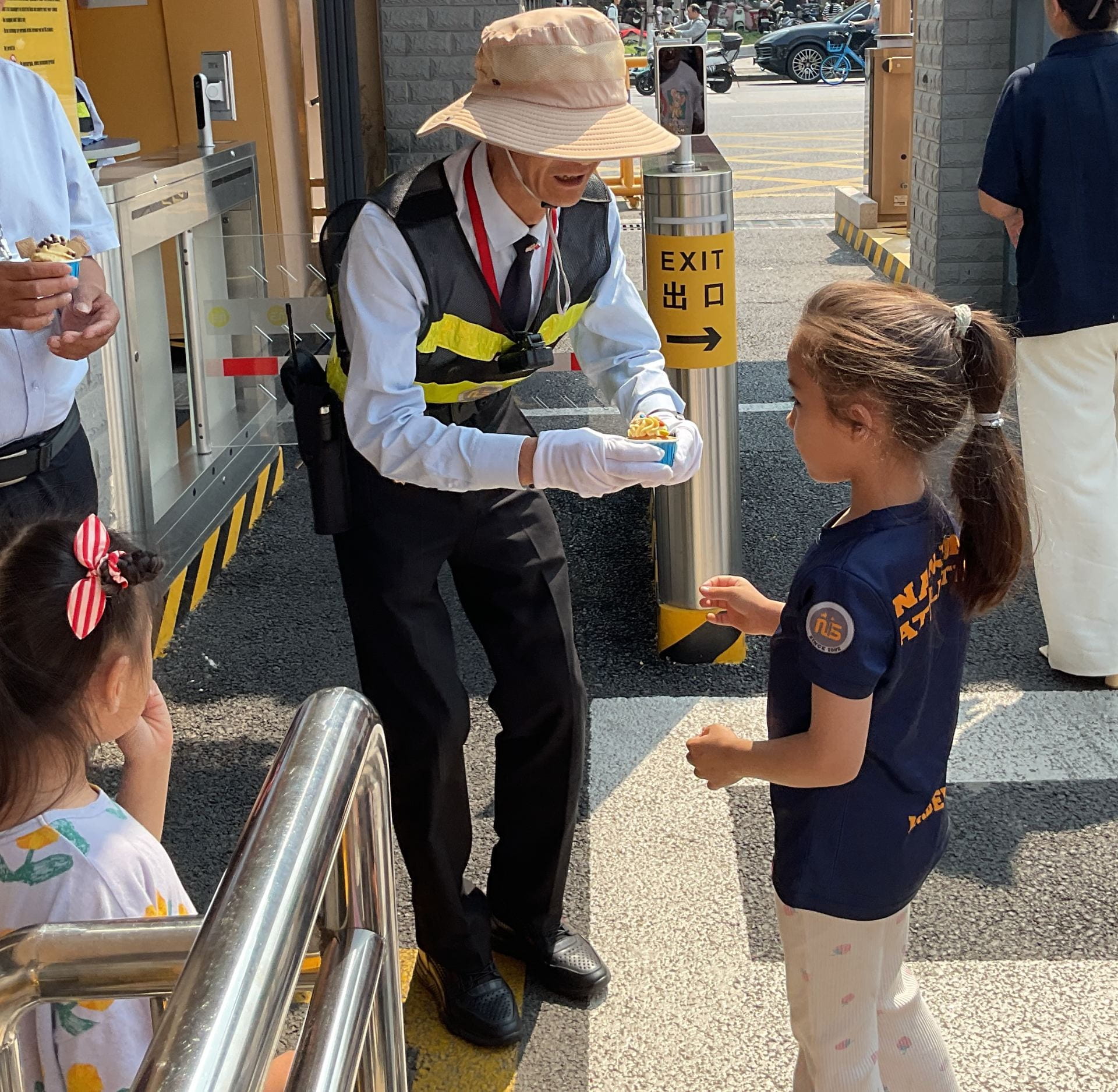

 The children’s dedication to the project helped them learn more about themselves and the connections they share with those around them. This thoughtful gesture helped everyone feel included and appreciated.
The children were ready to plan the rest of their trip to the Skyways kitchen. There were several activities they wanted to engage in during the trip, therefore, they had to think about additional support they needed. The children decided to invite some of their teachers to join the field trip to ensure some adults could support them. They sat with Ms. Hannah to decide on the important information they needed to include in the invitations, brainstorming and then designing the cards.


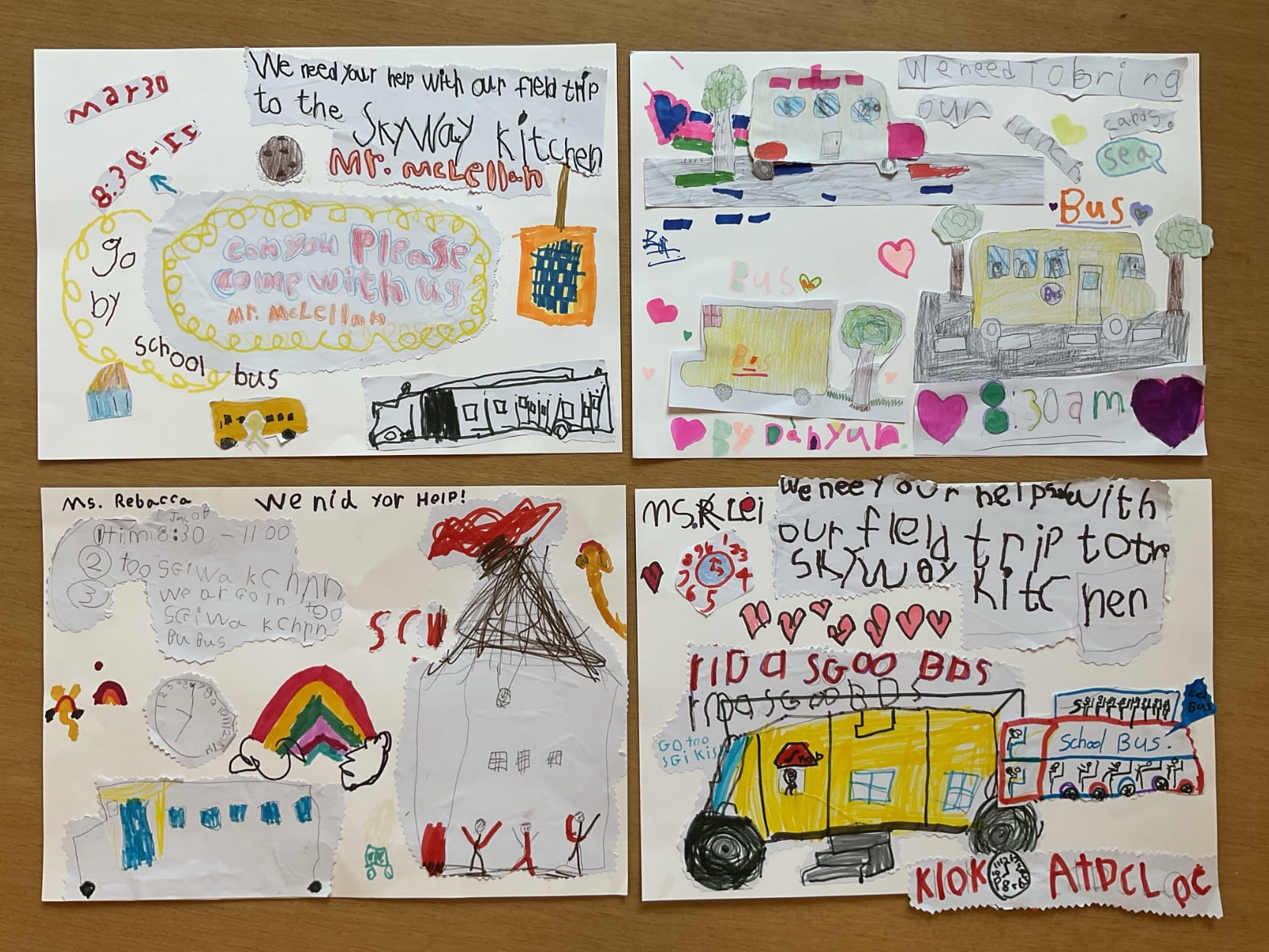
We are excited to finally visit the Skyways Kitchen to make the cupcakes for the community!
The children were inspired by Isabella’s experiment and wondered if they could make their own paper. Isabella and Adalyn volunteered to use the shredded paper that the children had collected to create new paper.
They began by conducting research, reading books and watching a video to learn how to make paper using used or unwanted paper scraps.
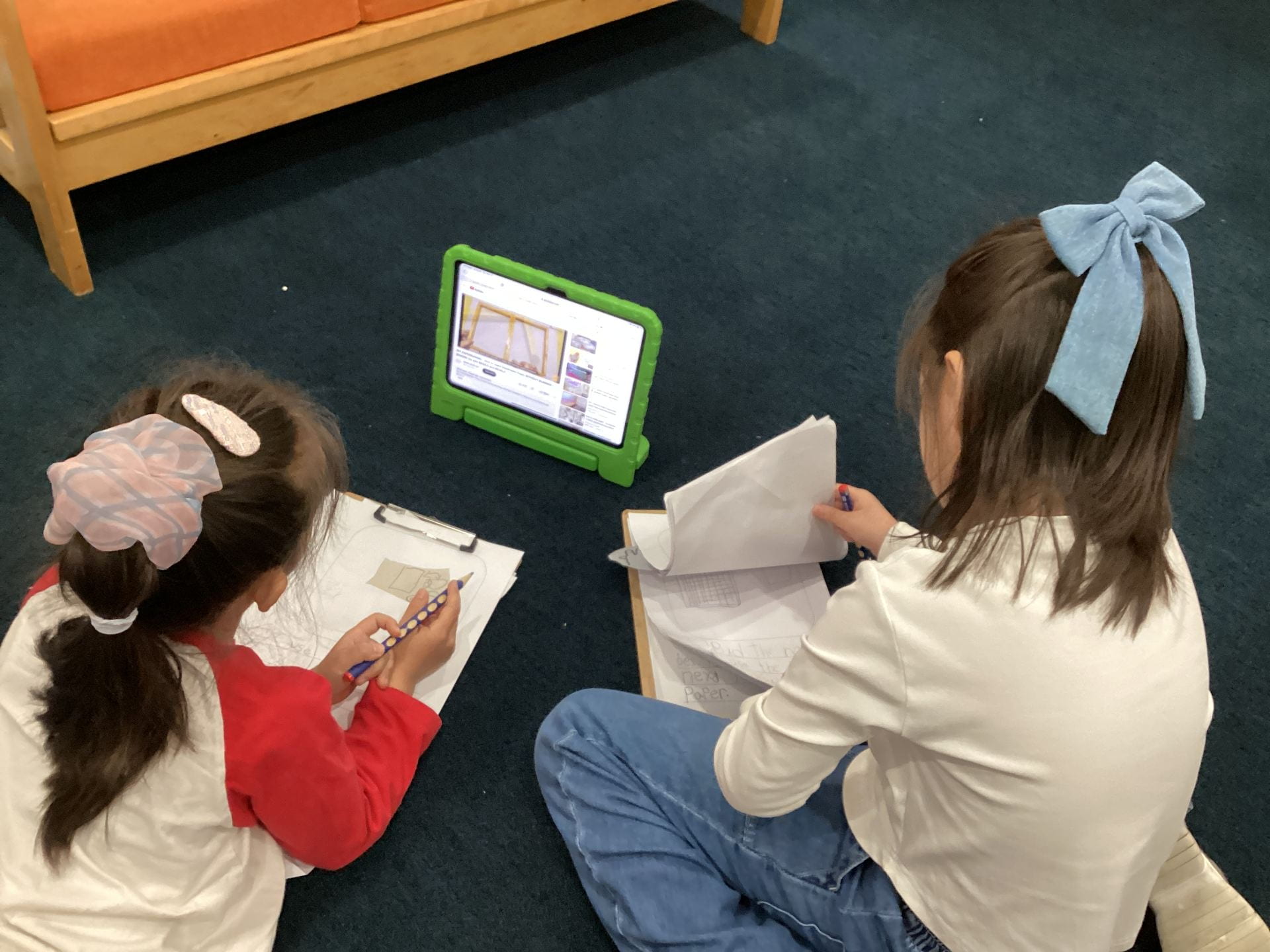 Isabella and Adalyn took notes as they watched the video, using pictures, words, and sentences to create their own ‘how-to’ book. In this information booklet, they provided step-by-step instructions on the process of paper-making.
 They were careful to include pictures for each step and detailed instructions that guide the reader through the process of making paper.

Several weeks of research and note-taking were required to create the instructional book. Finally, Isabella and Adalyn were ready to put their research to the test, by following the instructions to make their paper.
They began by soaking the paper scraps in water for a few days.
 Then, they turned the paper mixture into paper pulp, following different steps to ensure that the mixture of water and paper pulp was correct.

Then, they dipped the frame into the water with the paper pulp until they had a thin layer of the mixture on the netting.

Finally, the frames were left to dry in the sun and the new sheets of paper were created by the team.

Isabella and Adalyn presented their learning to the class, sharing the various steps they took to create several pieces of new paper.
The inquiry process provided Isabella and Adalyn with opportunities to explore different tools and methods. The sequence of planning, data gathering, interpreting, and communicating enabled them to develop skills in information literacy.
The team now wonder what other natural materials they could use to make paper.
Is it a tower?
Over the last few weeks, a group of children have been collaborating to create a tower using Lego bricks. The idea was seeded by Jacob and Evan, yet many other engineers have joined this initiative.
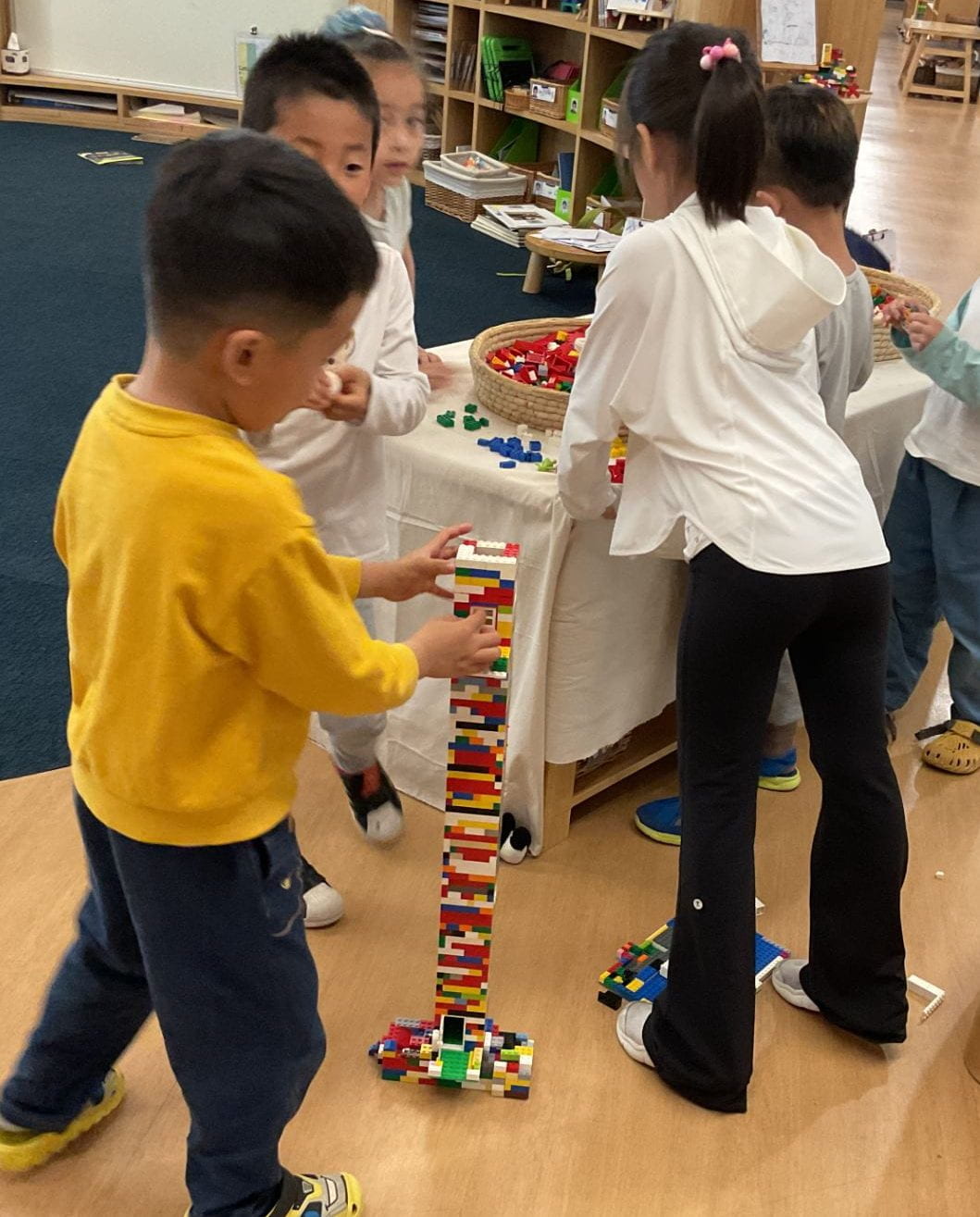 As we watched the children engaging in their structural design, we noticed how the young engineers spoke to each other about their ideas, listened with intent and collaborated with enthusiasm with one goal in mind.
 Each section of the tower was thoughtfully put together, with the bricks being positioned purposefully to make sure there were no unplanned gaps around the perimeter of the structure.

The building moved from the tabletop to the floor as it grew taller. The engineers sort out children to stand next to the structure, attempting to build the structure taller than them.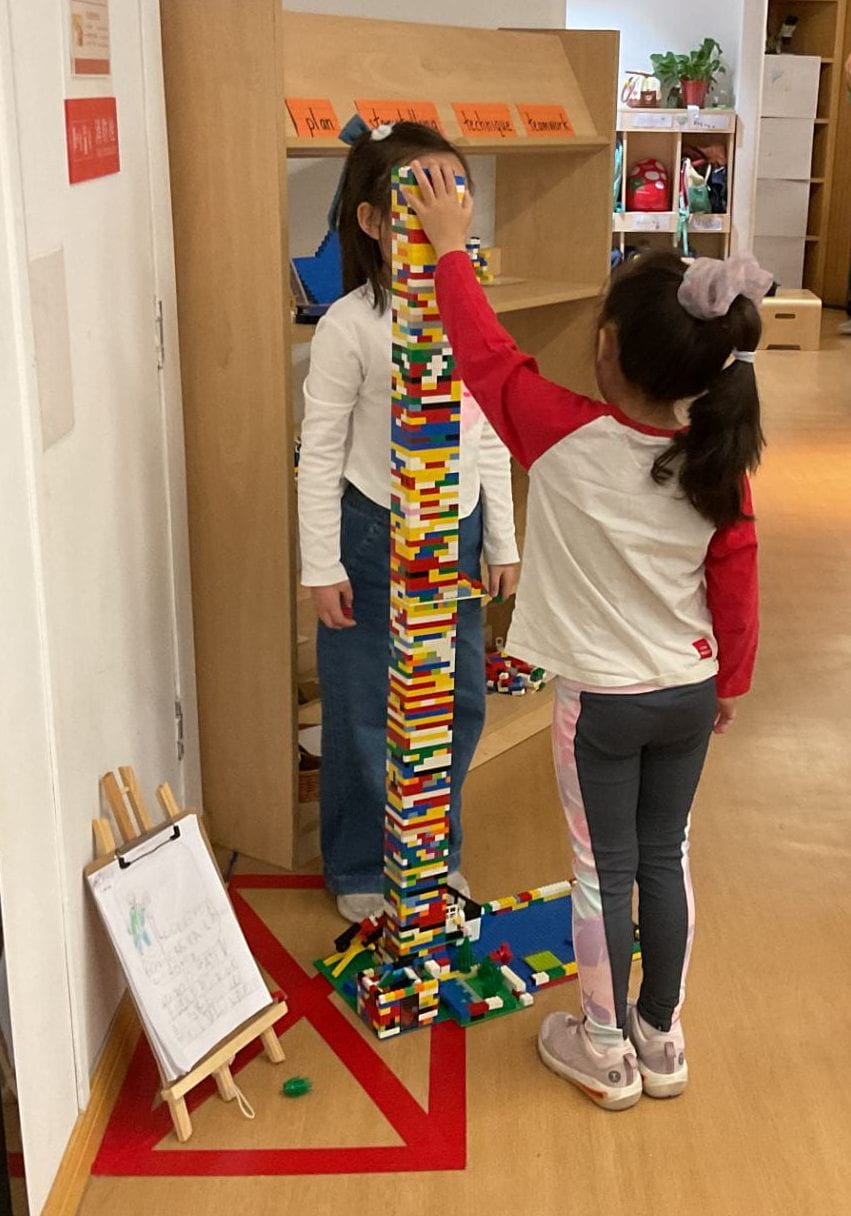
The engineers moved the structure to a safer space, to ensure that it would not collapse if someone accidentally knocked against it. Curious onlookers stopped by to learn more about the tower.
The Highest Tower in the World
As the weeks pass by, the structural designers continue to work on their structure, creating stories and narratives about this amazing piece of engineering.
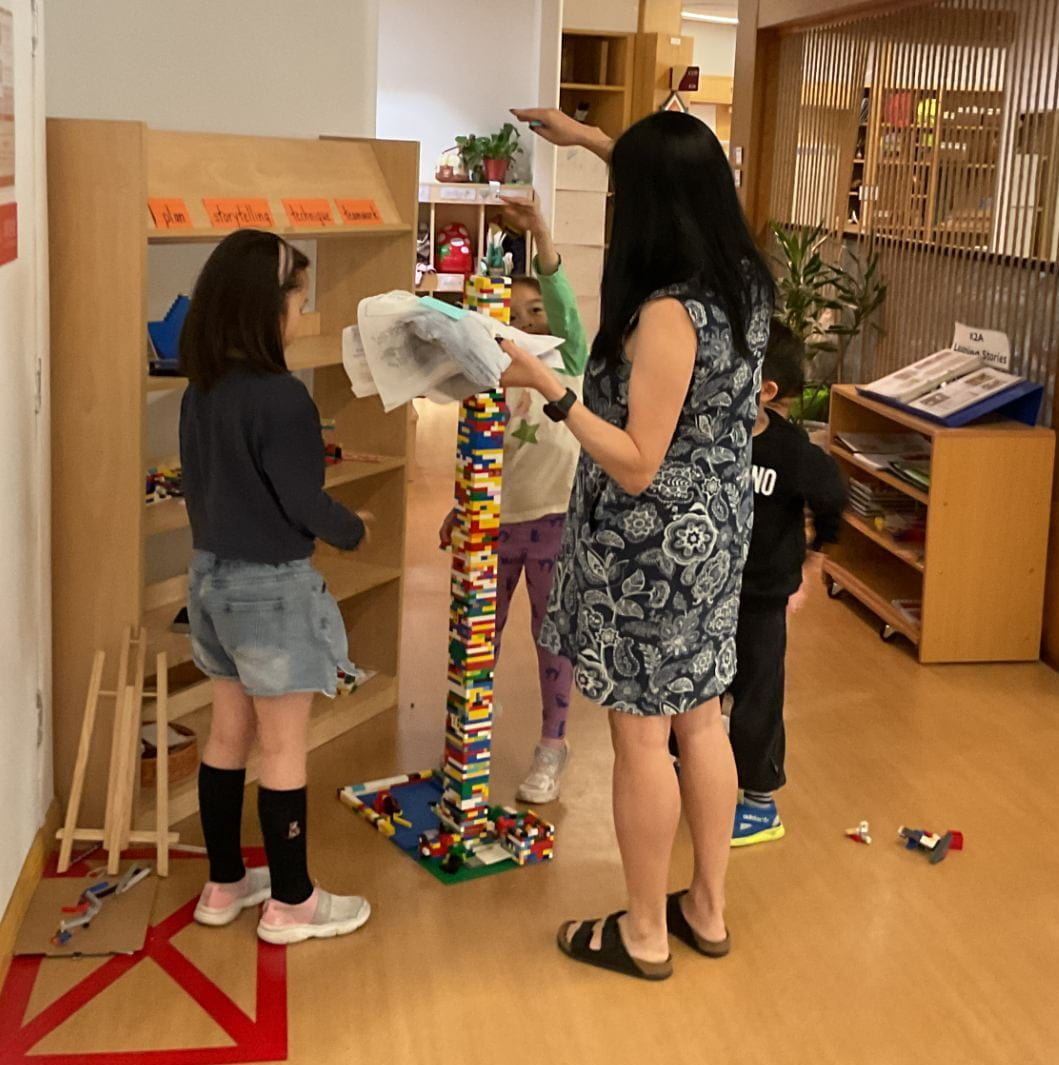
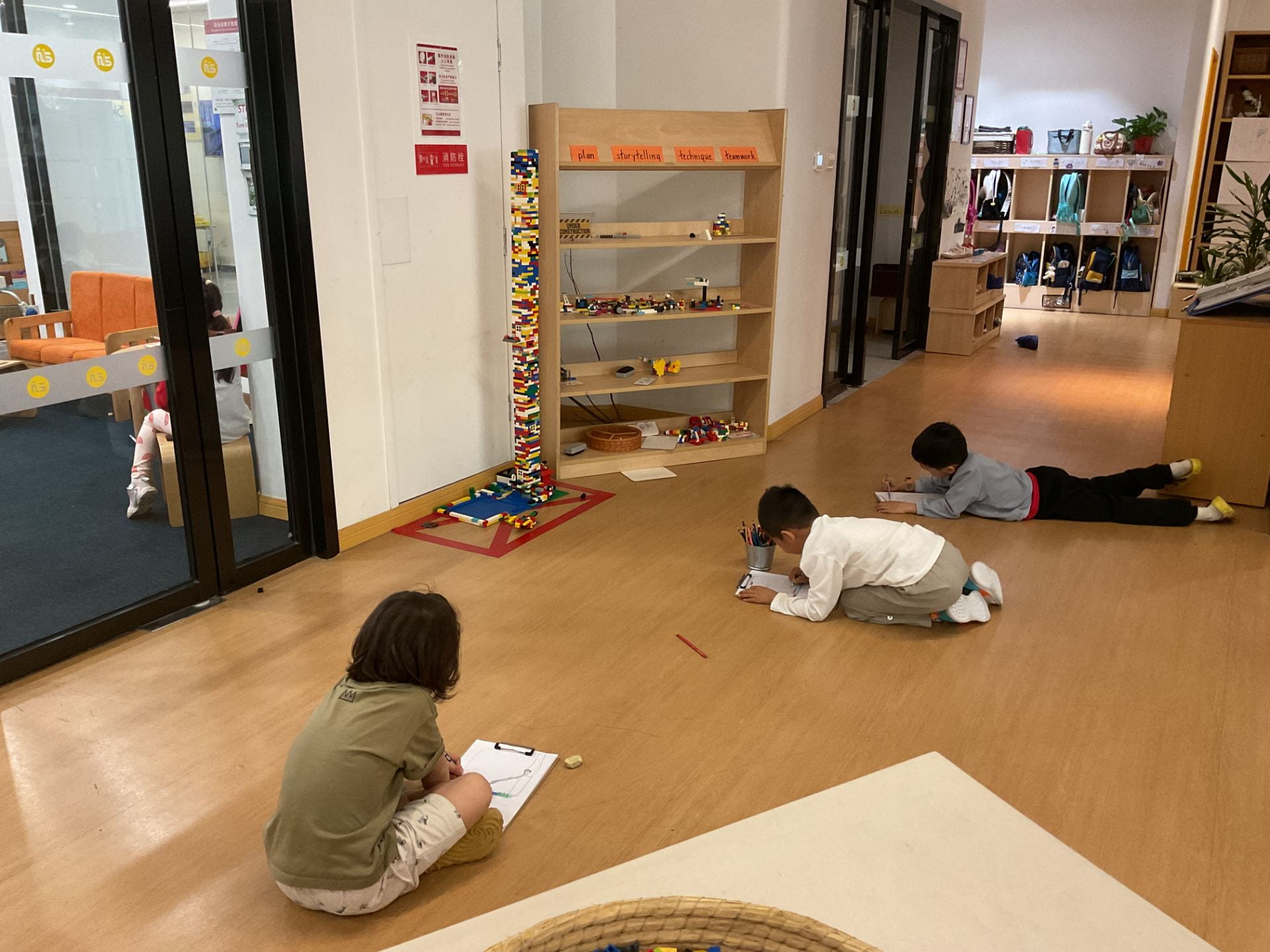 We look forward to hearing and reading about the stories that take place in and around the tall tower in the world!
The children have been engaged in various activities related to ‘The Challenge Project’. Different teams will work on specific aspects of the project to help us stay organised. Following on from our inquiry into money, we were now ready to purchase the watermelon. It was time for us to have a small team walk across to the supermarket to buy the watermelon.
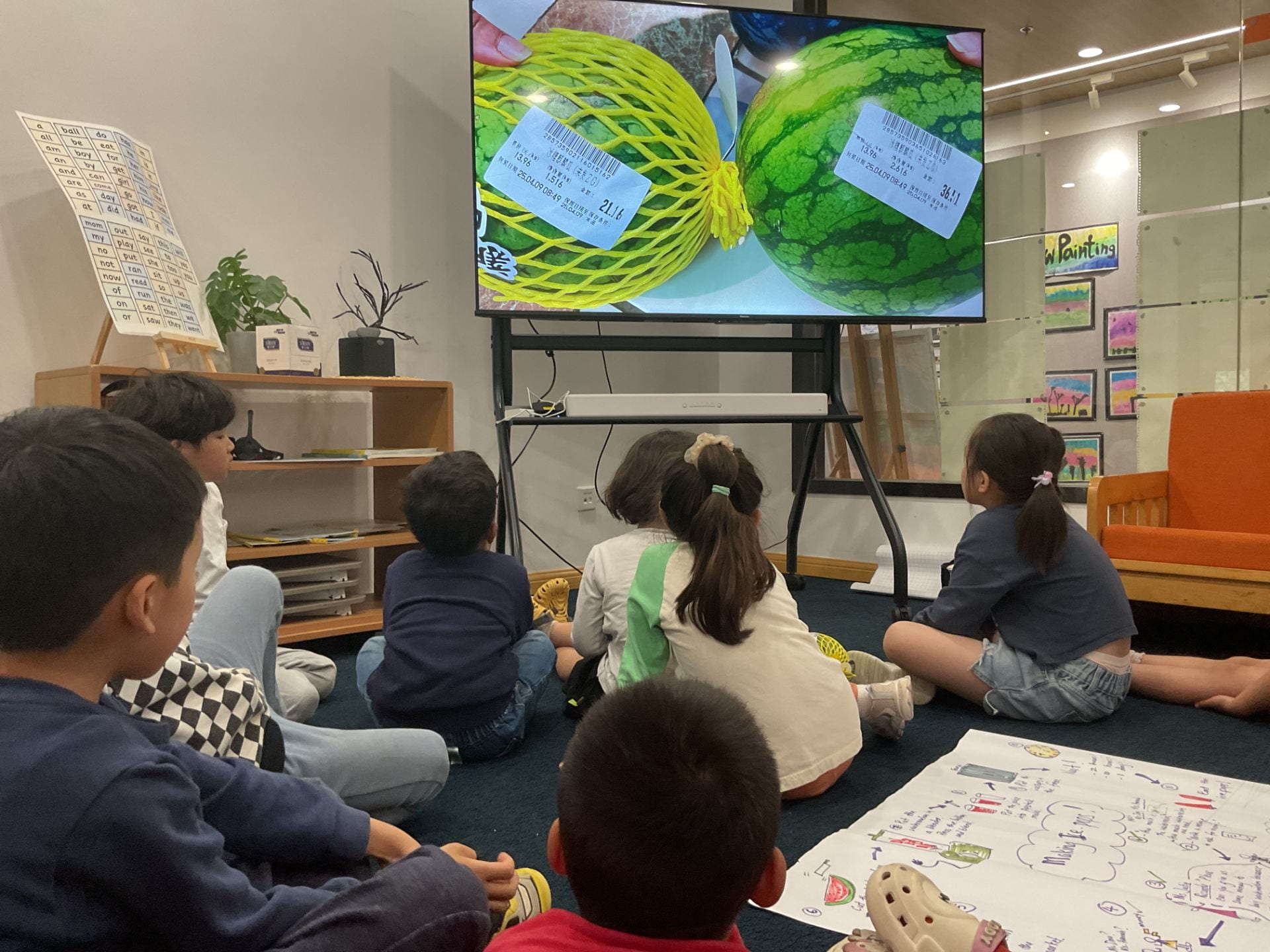 The shopping crew updated the others on their trip to the supermarket.


The experience at the supermarket helped the children experience the process of choosing and purchasing food items. On their trip, they needed to make many decisions and work together as a team to solve the problems they encountered.
Jacob “We are going to the supermarket to buy the watermelon for making the ice pop challenge. 3 minute challenge our buddy can make the watermelon ice-pop. We use 57 RMB to buy the watermelon and we took the middle one and one small one. We chose not heavy one, we choose the smaller one and smaller so we can carry this, used the basket too heavy. Me and Isabella carry it and go to school. We take a long time.”

Many opportunities for mathematical thinking and learning were explored. These authentic learning experiences are great opportunities for children to explore and learn about concepts through real-life experiences.
Our next step would be to carry out the test to find out how many ice pops we can make from one watermelon.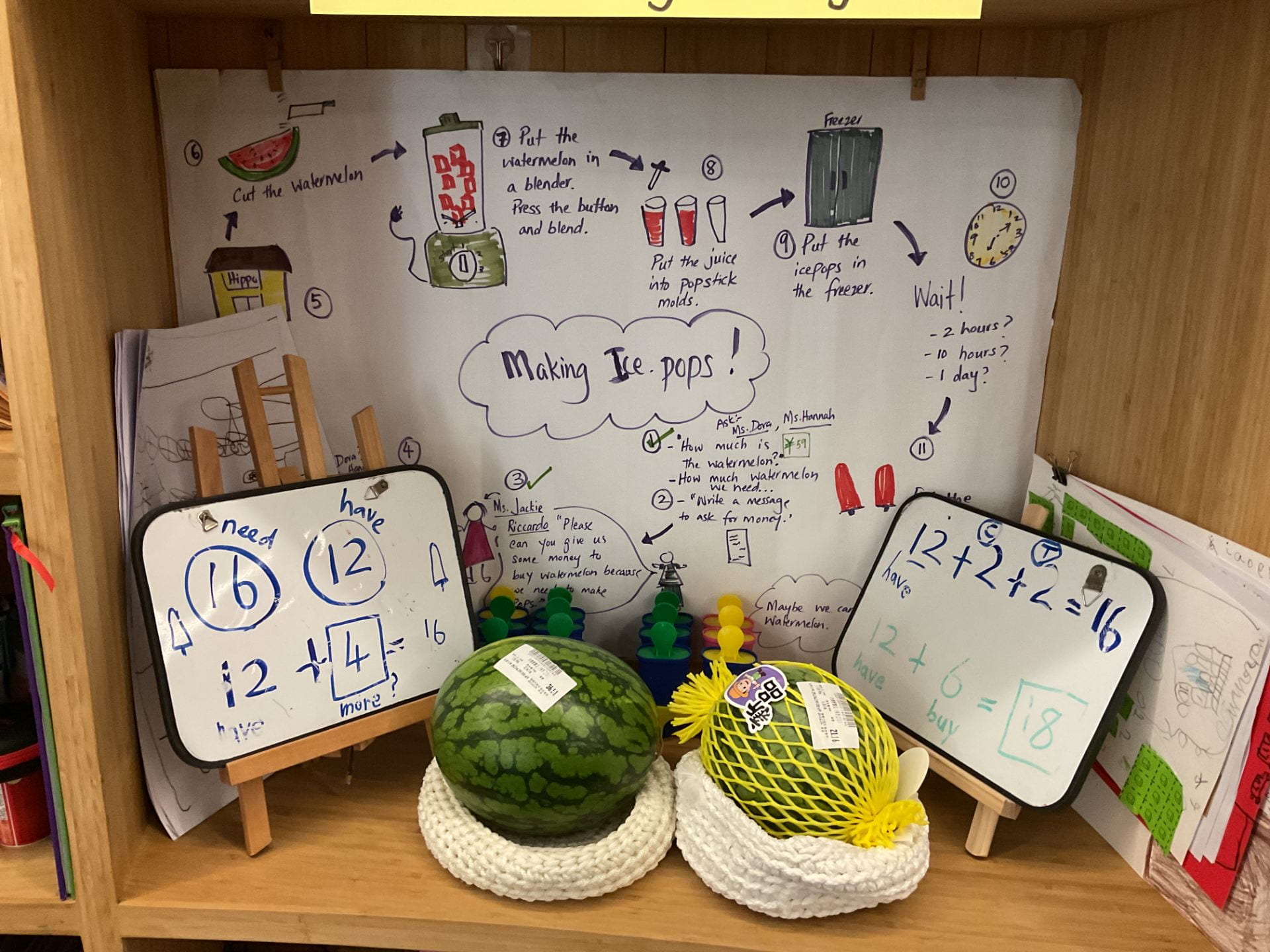
YAY! Making the Ice Pops!
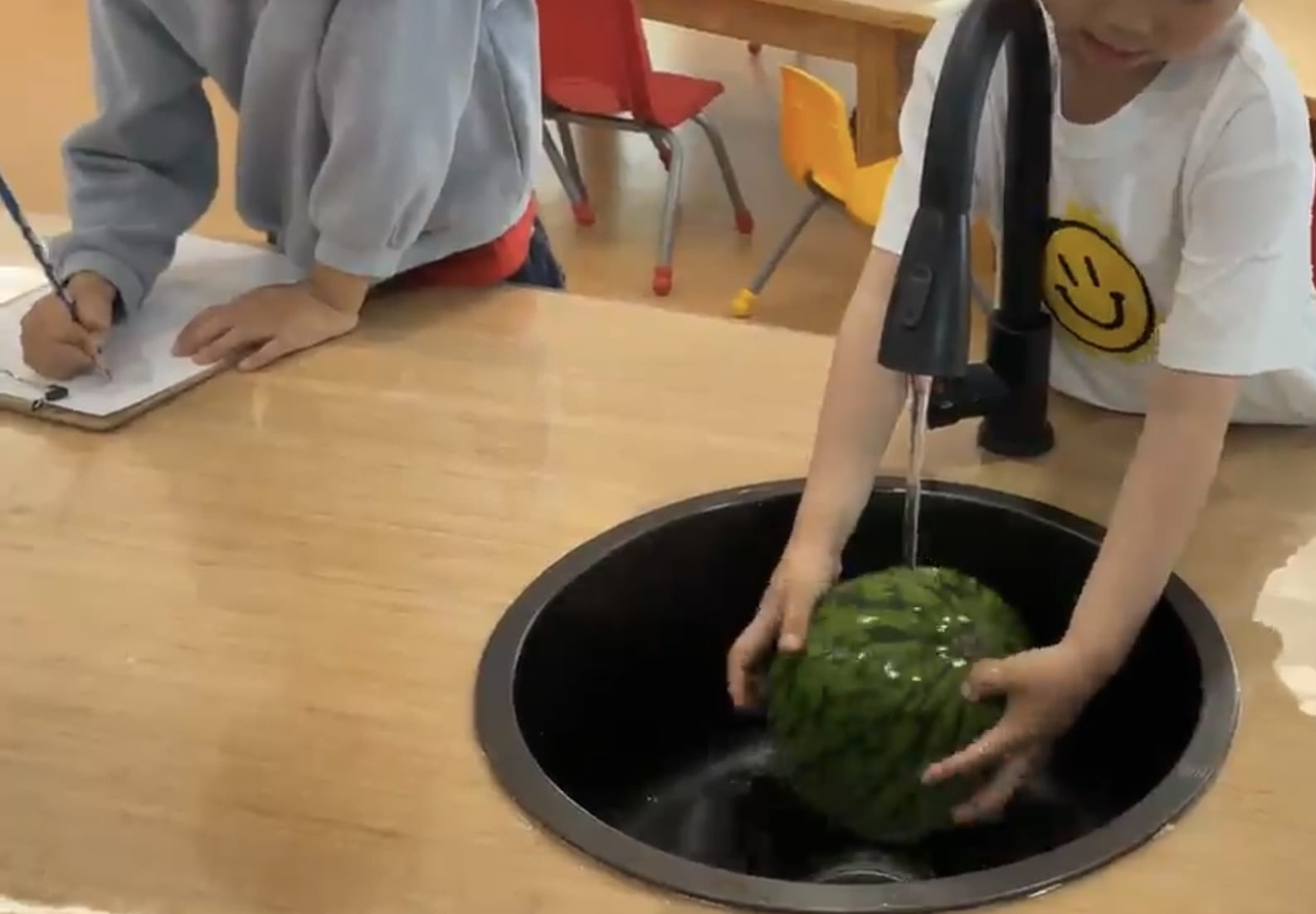
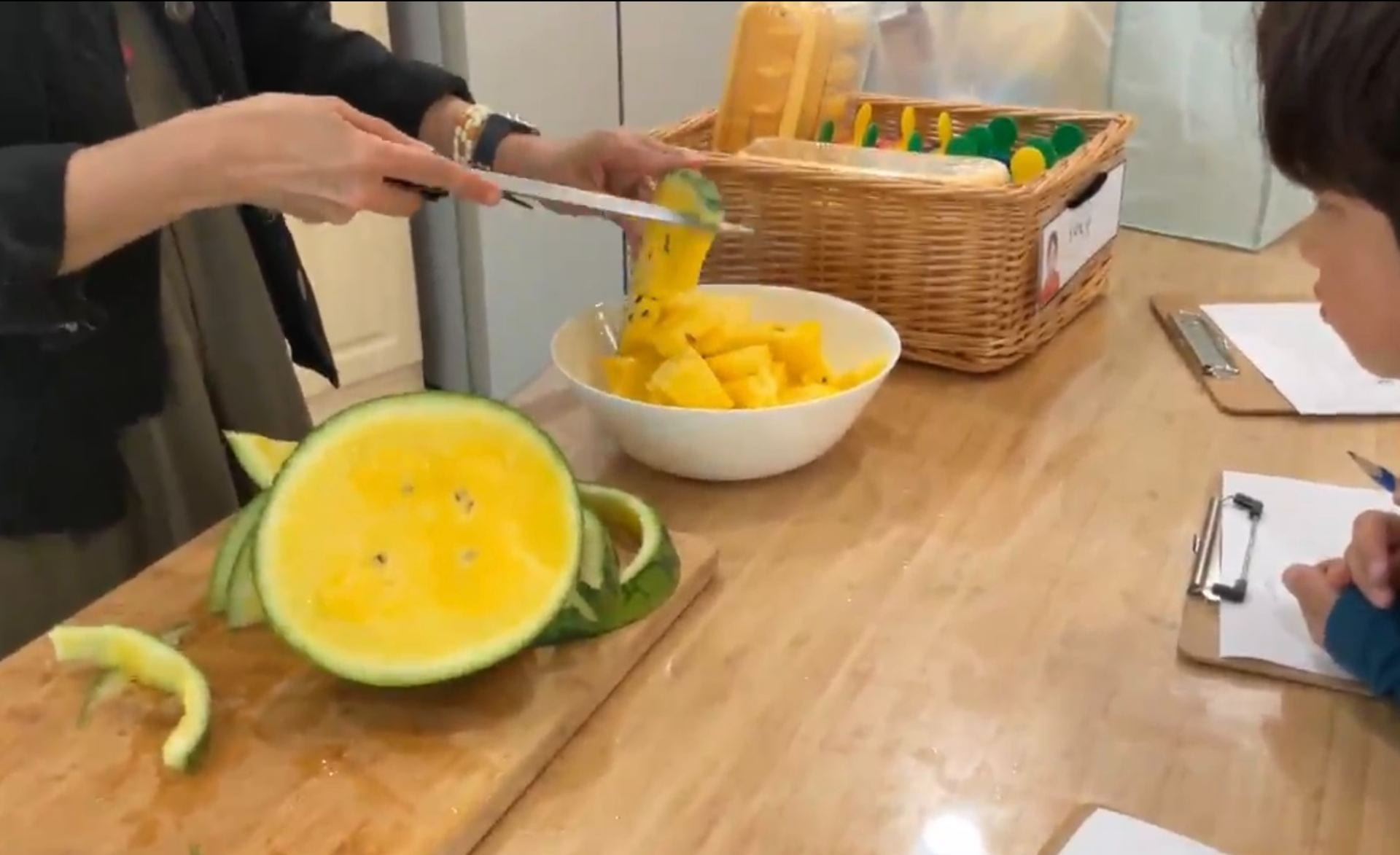

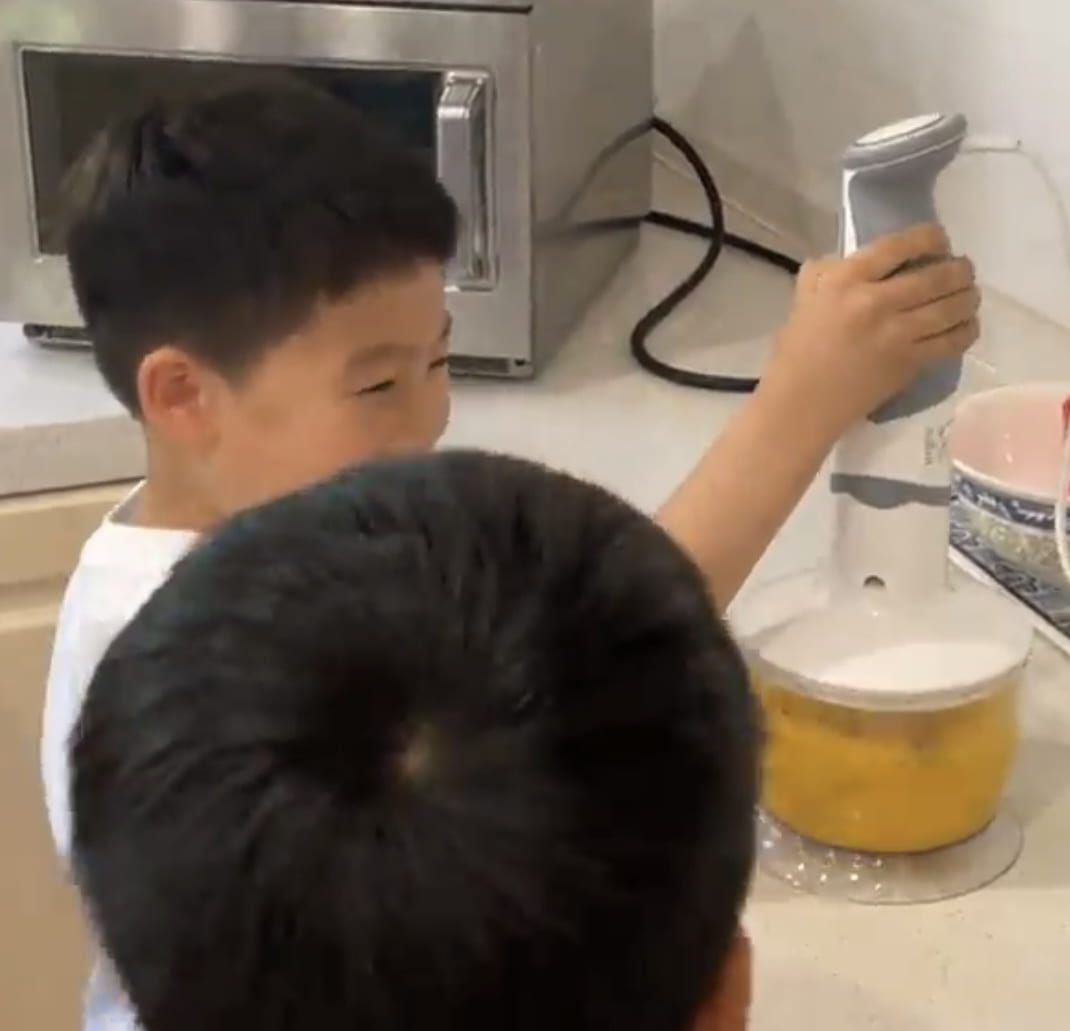

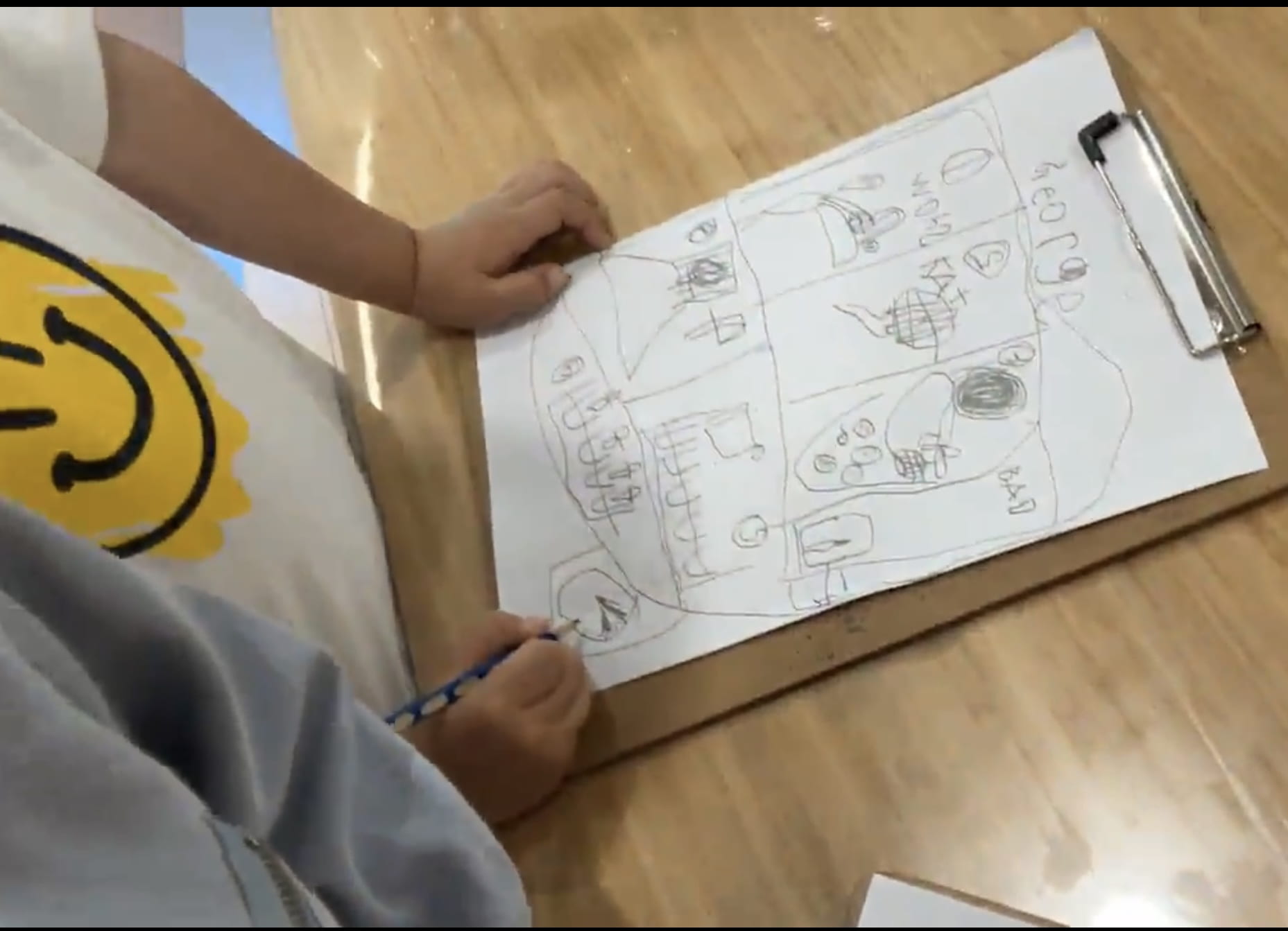
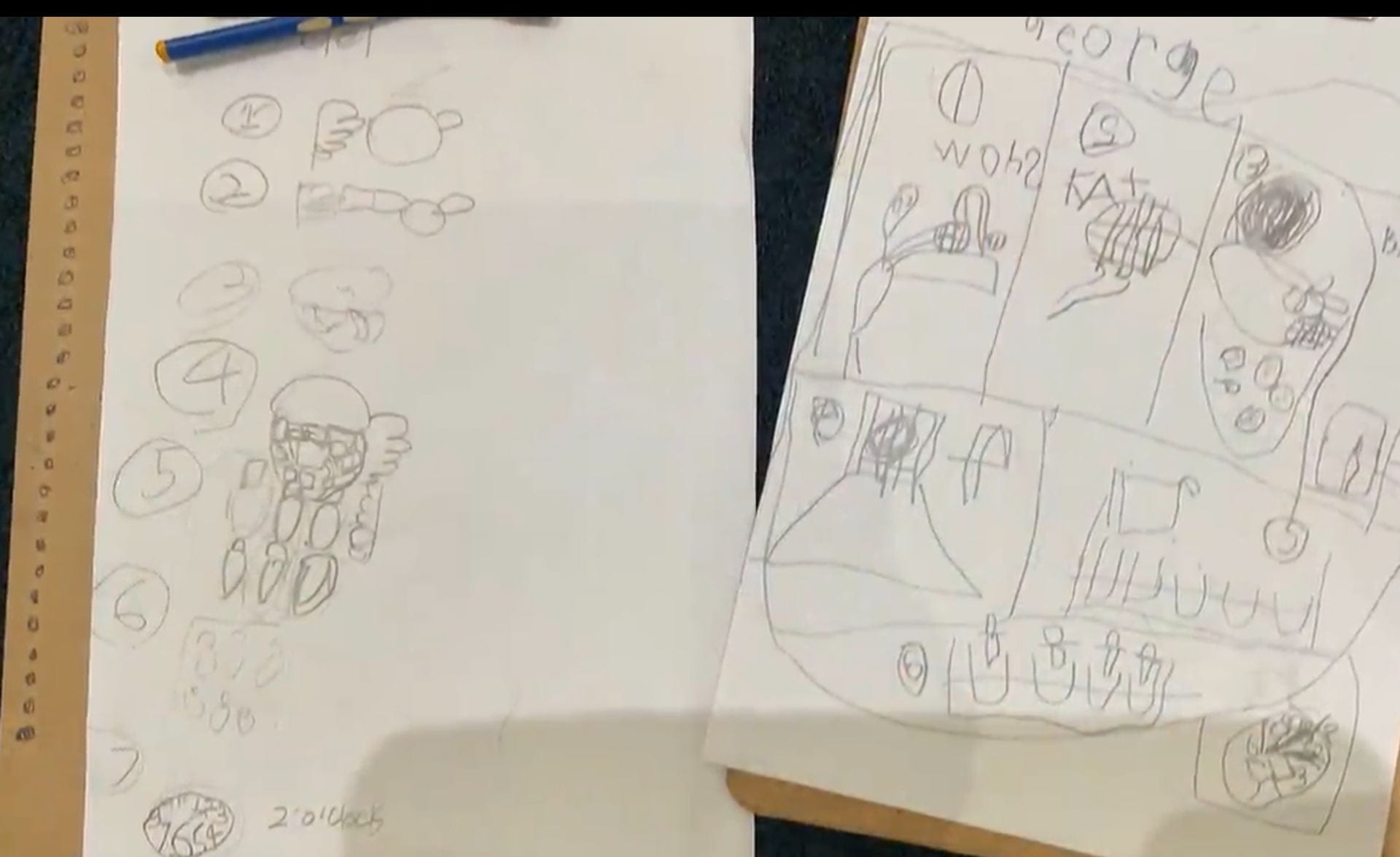


The children explained, “It was a fun challenge because it was icy.”
We wonder what our next challenge would be…
A group of children were interested in using Domino’s to create a game. They began to prop the dominoes up next to each other, to create a structure that would produce the domino effect. Each time they placed a few Dominoes, they fell over. 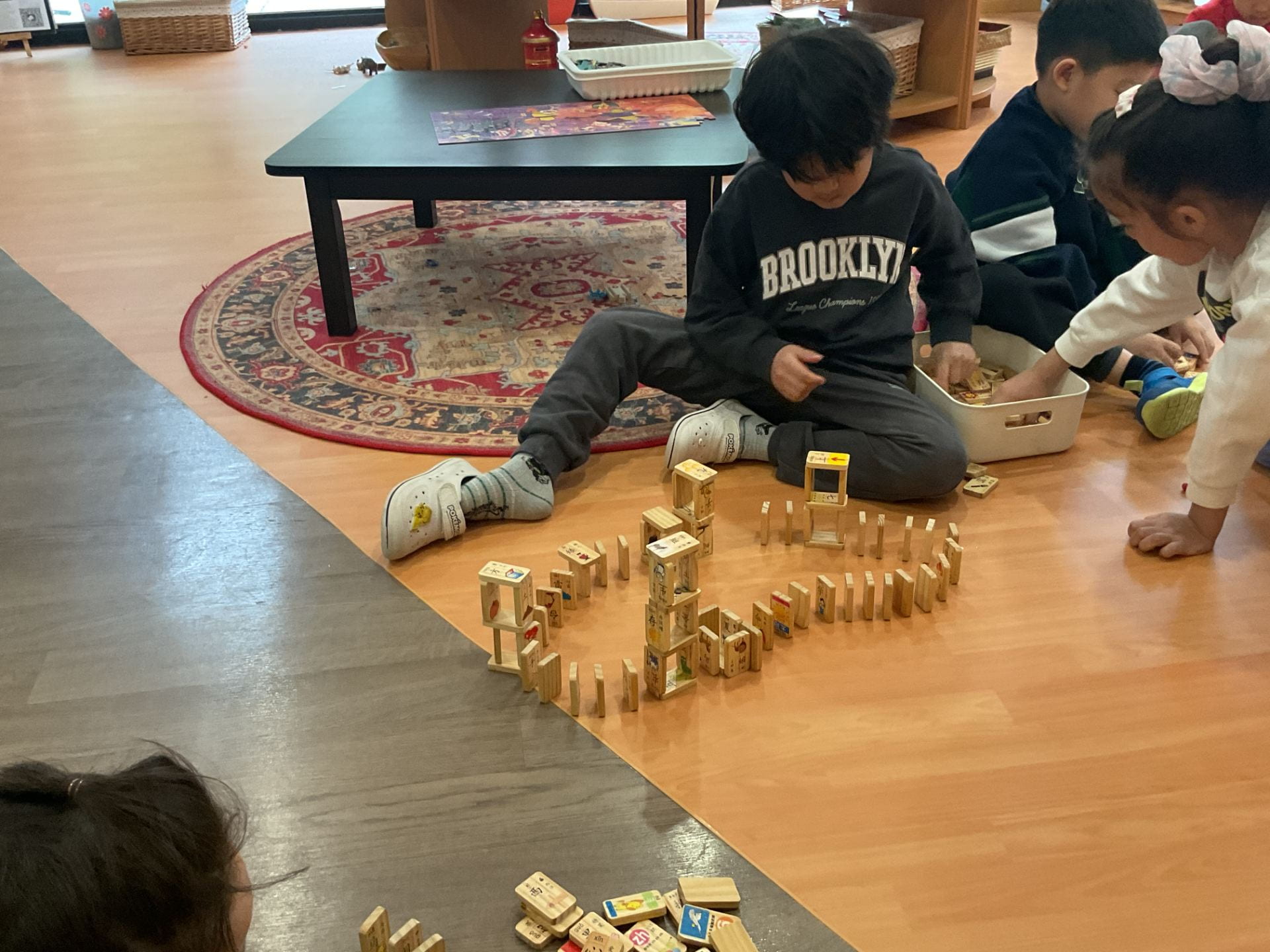
How can we make the challenge more interesting?
Noticing the children’s interest in creating the domino challenge, we decided to share a video that shared many different ways to create the challenge using a range of materials and toys to make it more exciting.
Isabella recalled watching a similar video in the past. She was excited by all the ideas that were shared.
What are some important things to consider when we play with the dominoes?
The team went back to work on the chain. They persisted till they created a long chain. More children wanted to join in as it looked like fun! The domino chain spanned the width of the classroom. The team was ready to test the chain reaction. Gently, they pushed the final domino forward hoping for the others to come crashing down. However, the chain reaction only resulted in a few dominoes falling over each time, which resulted in the team knocking some over until they reached the end.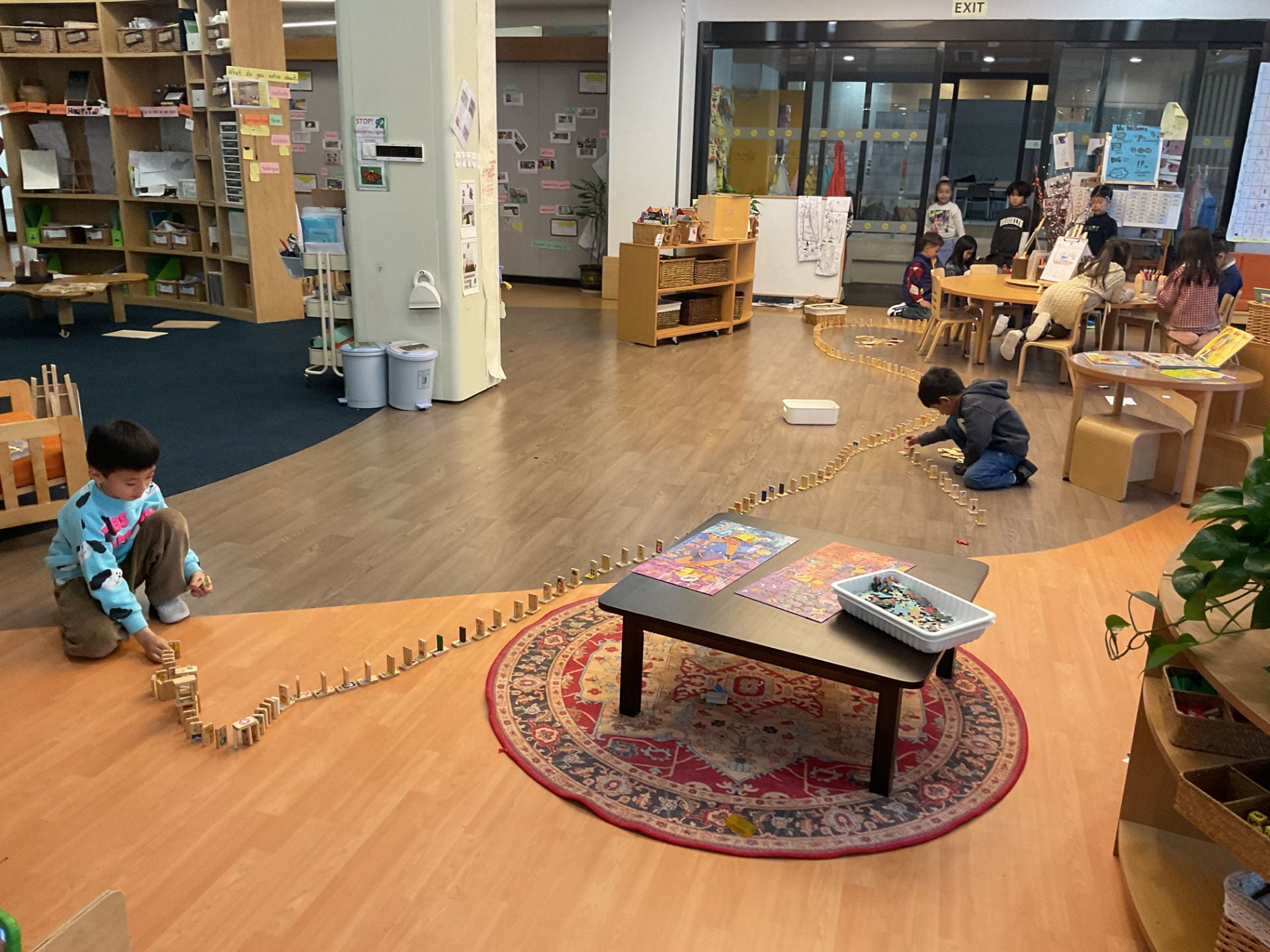 Isabella watched what was happening, she said, “They need to be closer or it won’t work!” Ciel agreed and shared his observation too.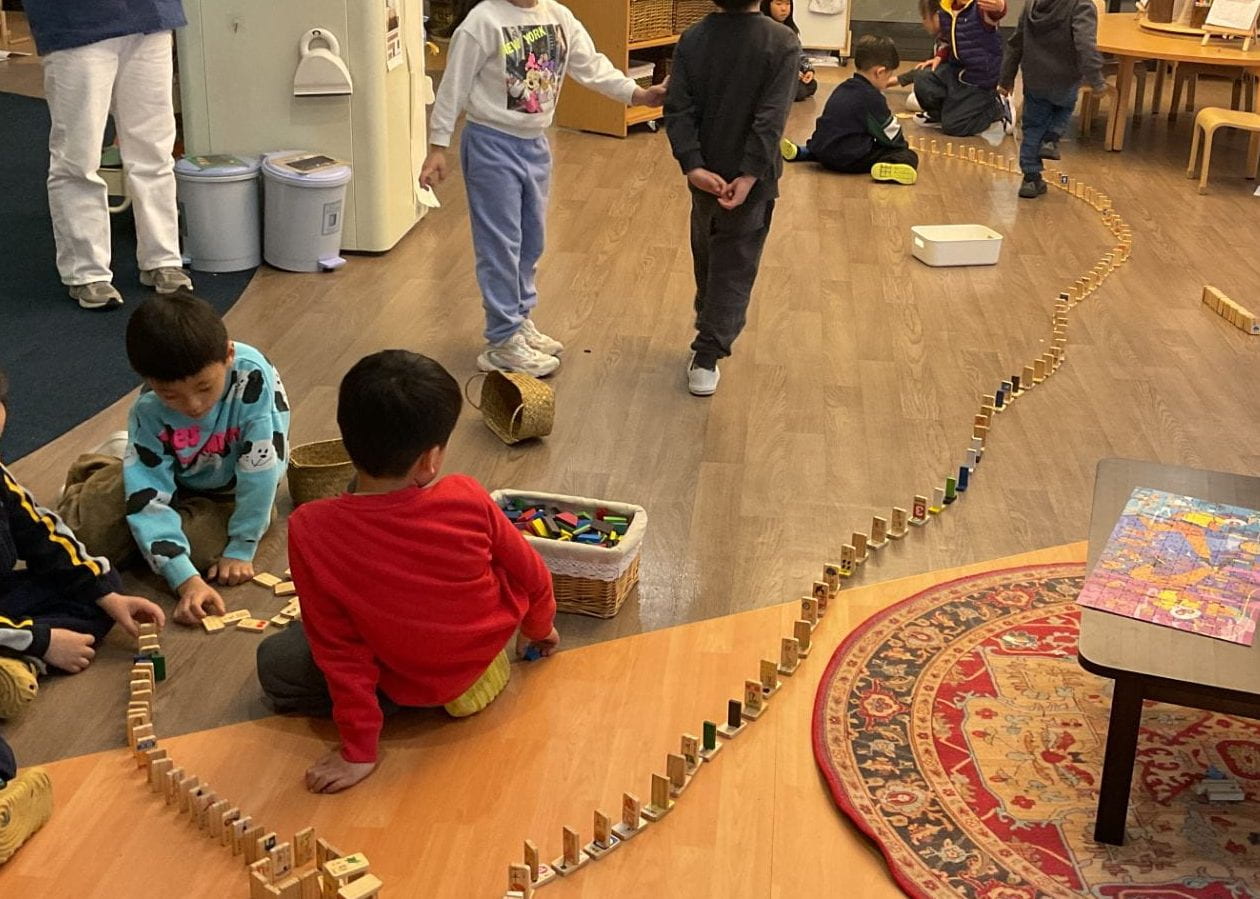
The next day Ciel went back to working with the dominoes. Others gathered around him and wanted to join in. They discussed who would use the different materials.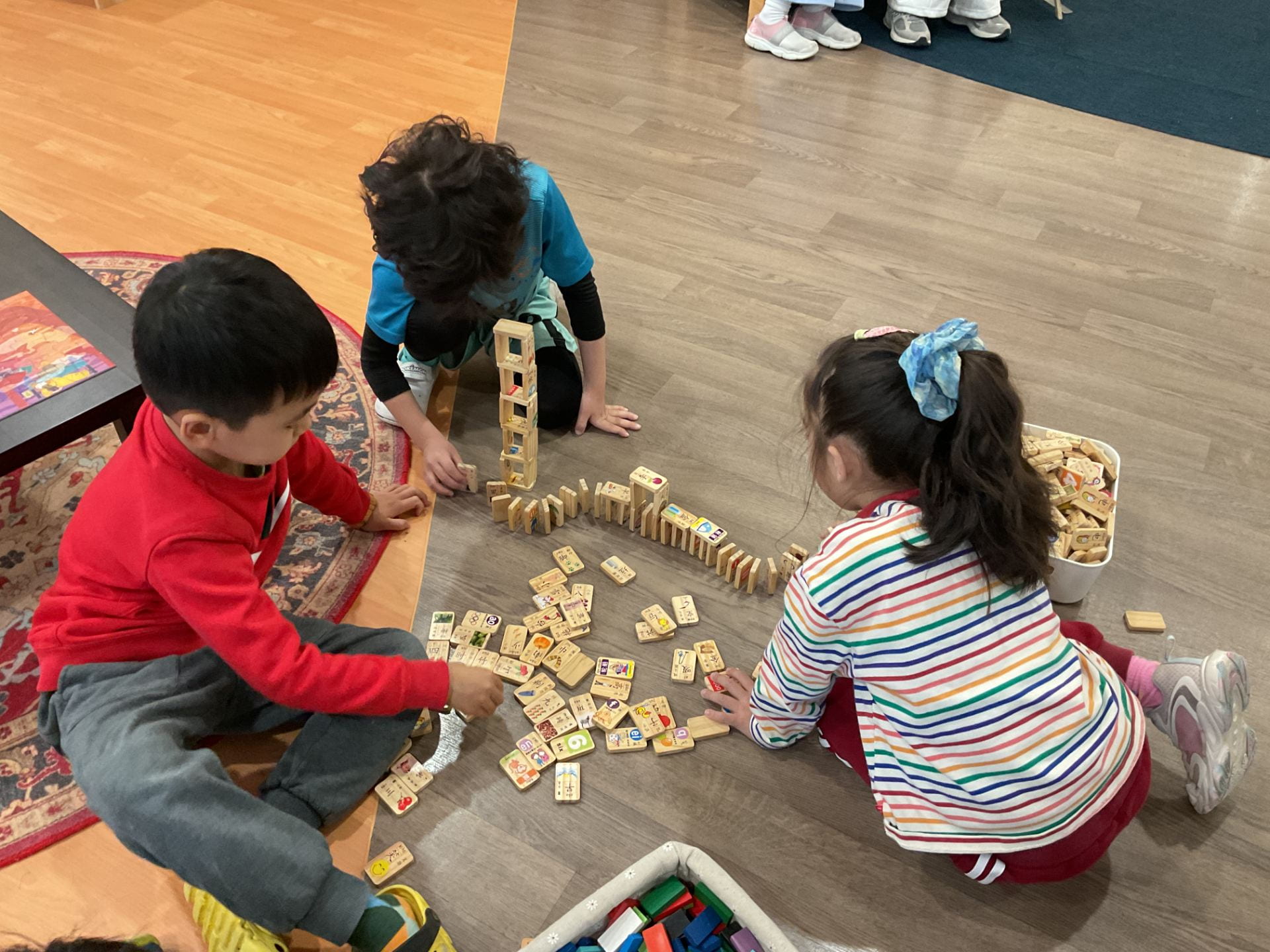
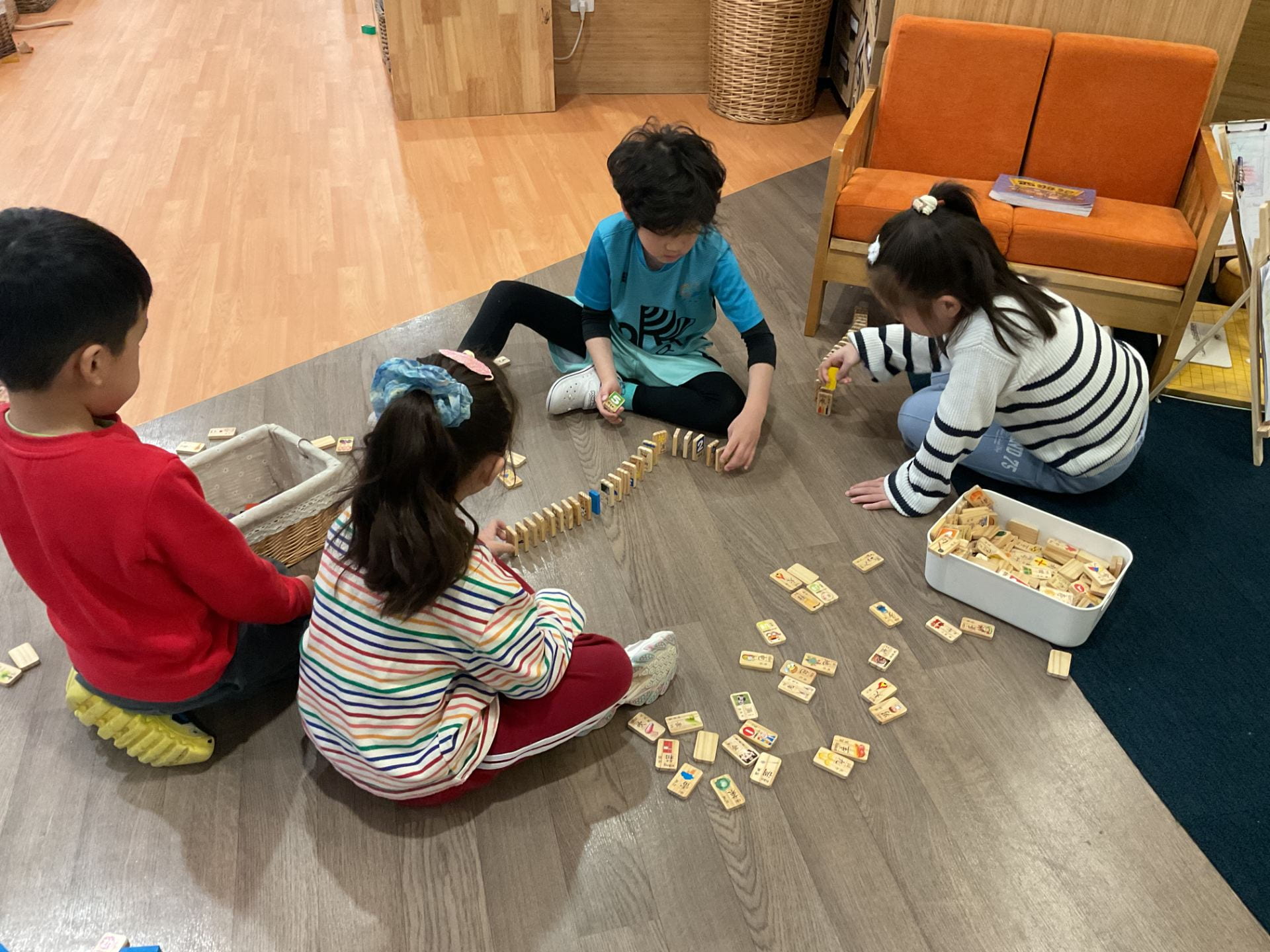
Ciel worked with Isabella. He made a few vertical structures, but they came down. Evan joined Isabella and Ciel.
Ciel “We can make a big circle inside the sofa!”

What information will help us create a successful chain reaction?
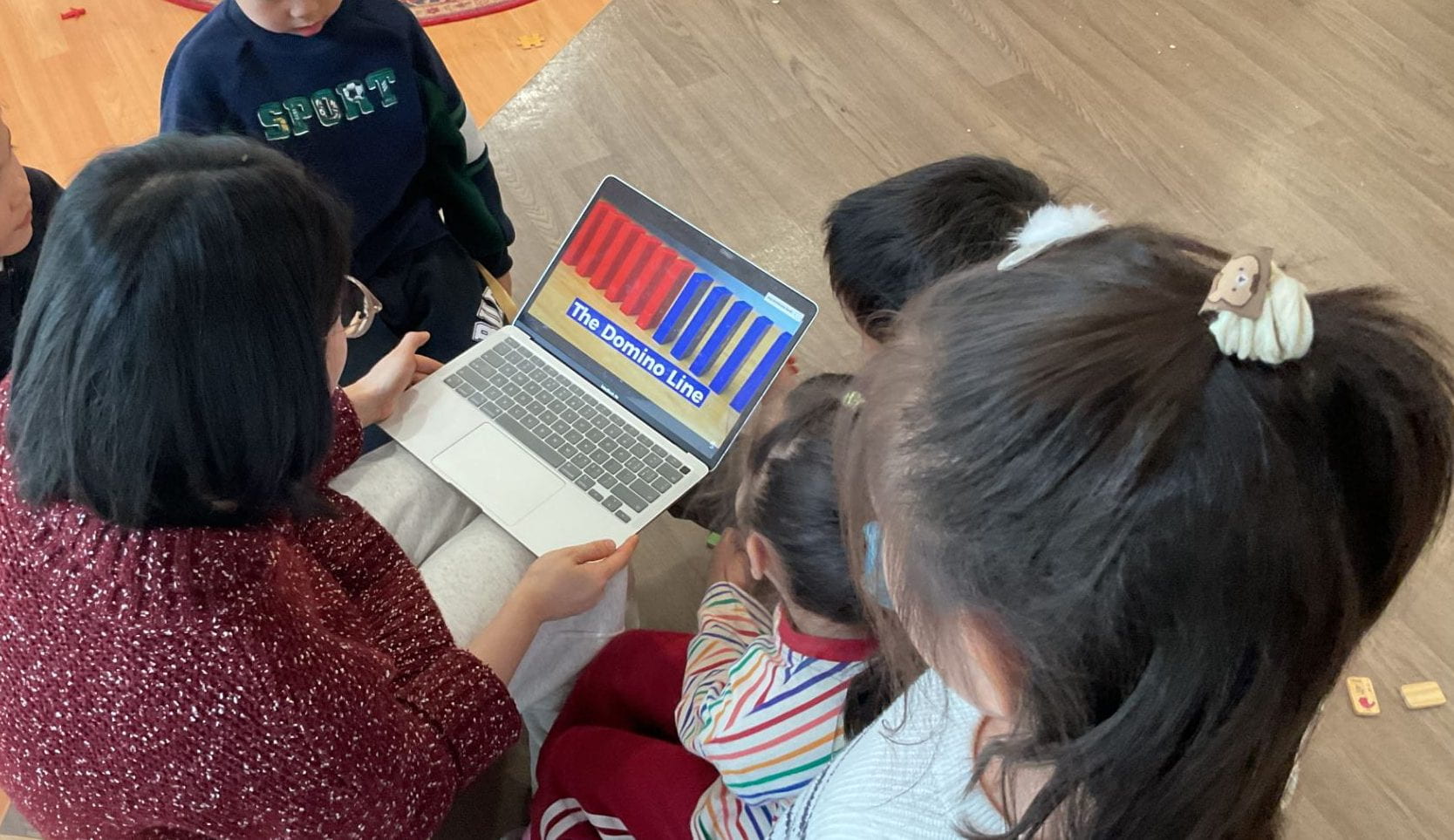
Over the next few days, the researchers continued to show their interest in creating the chain reaction. They wondered how they could create an effective reaction. Ms. Sophia suggested that they seek out more information to learn about the domino reaction. The team watched a video to see what they could learn.
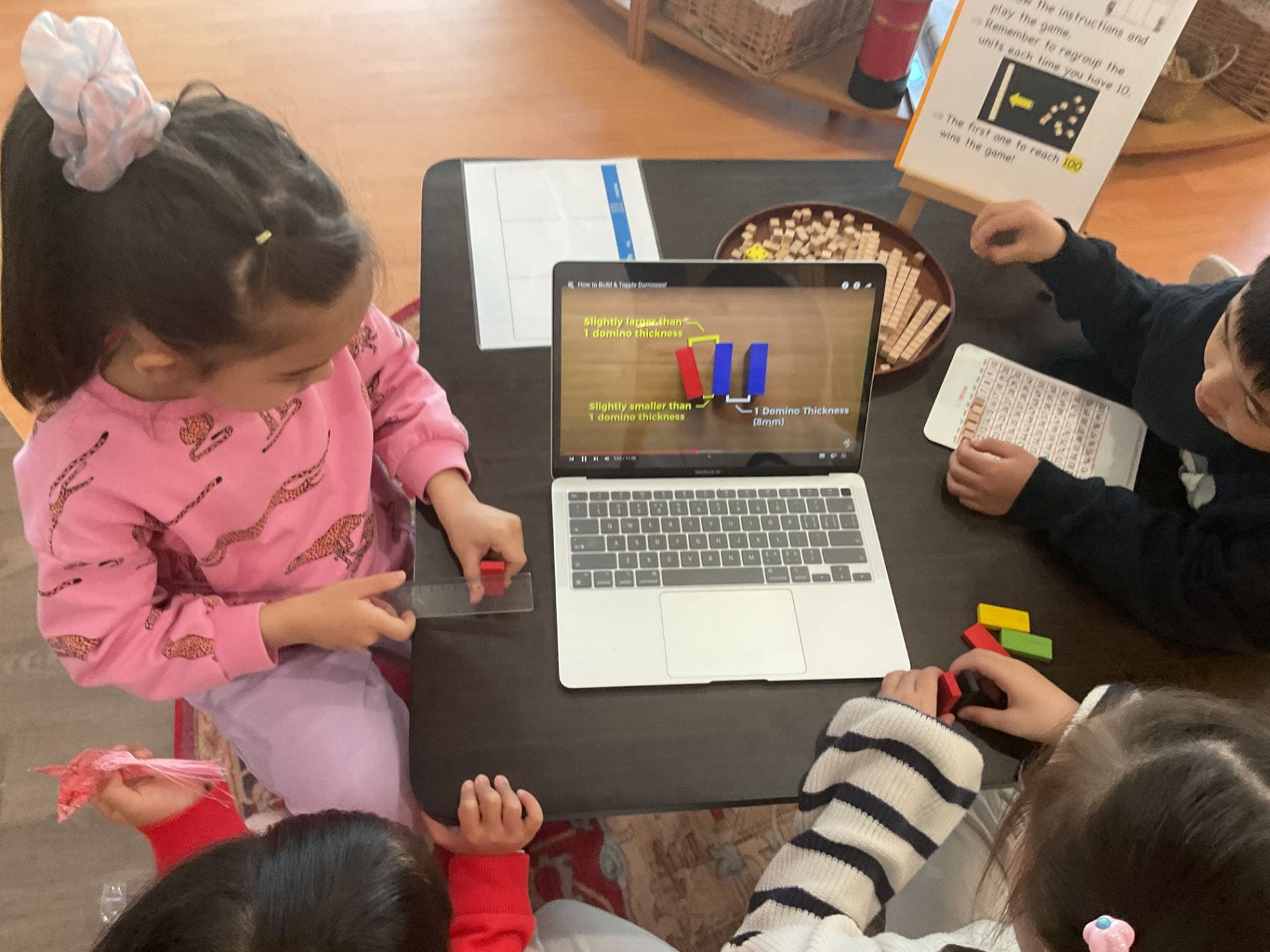
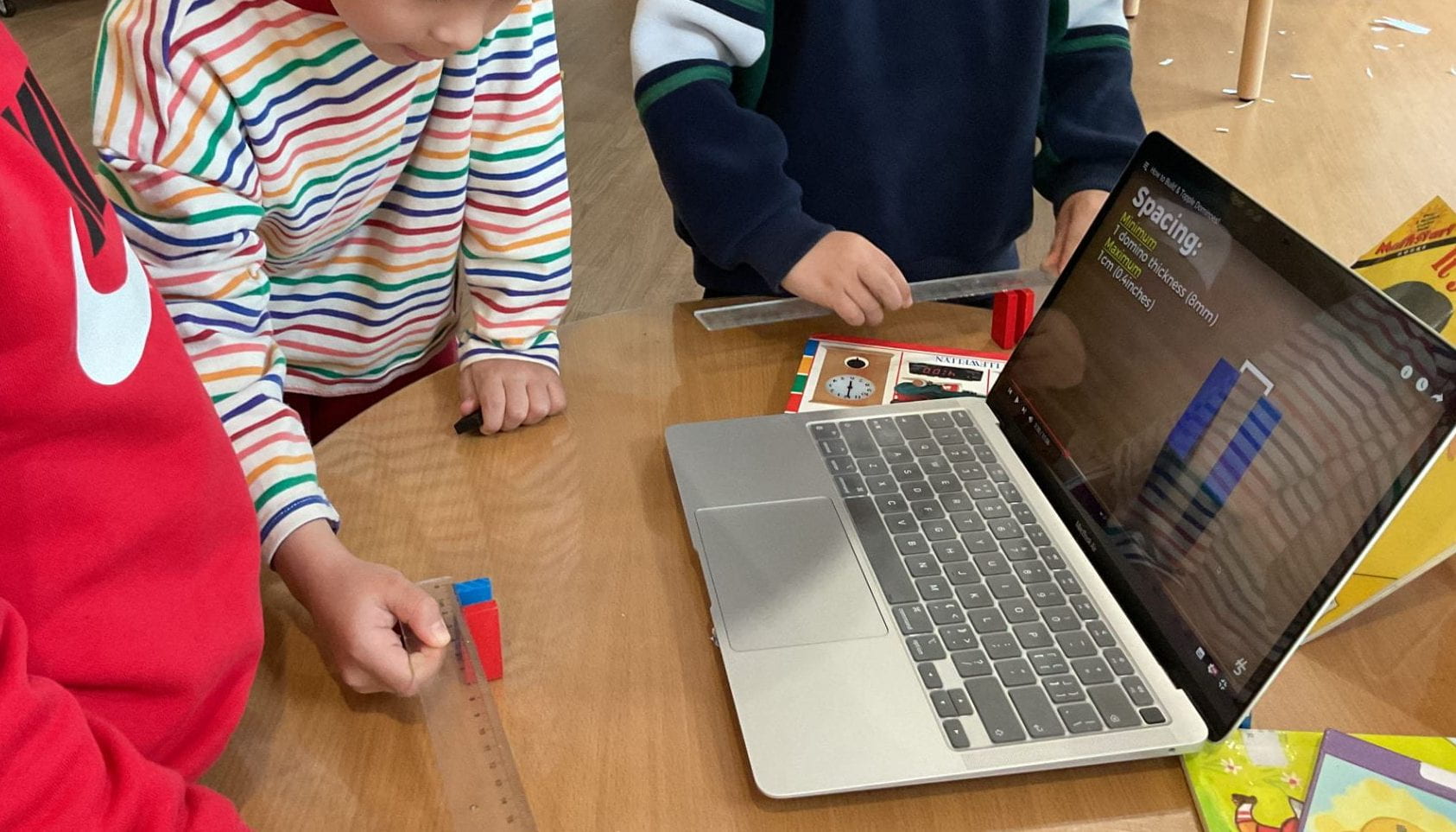
The team used rulers to measure the distance that was suggested in the video. Then, they tested some of their ideas to see if they would work. They carefully curved the edges of the ‘test’ chain, being mindful of the distance they needed to maintain between 2 Dominoes.
As Ciel missed out on watching the video the first time, he asked to watch it with the others.
Ciel “The dominoes need to have a 1cm space between them because if we don’t do that it will not fall. I learned how to make interesting dominoes. I can make it interesting by making some cool dominoes.”
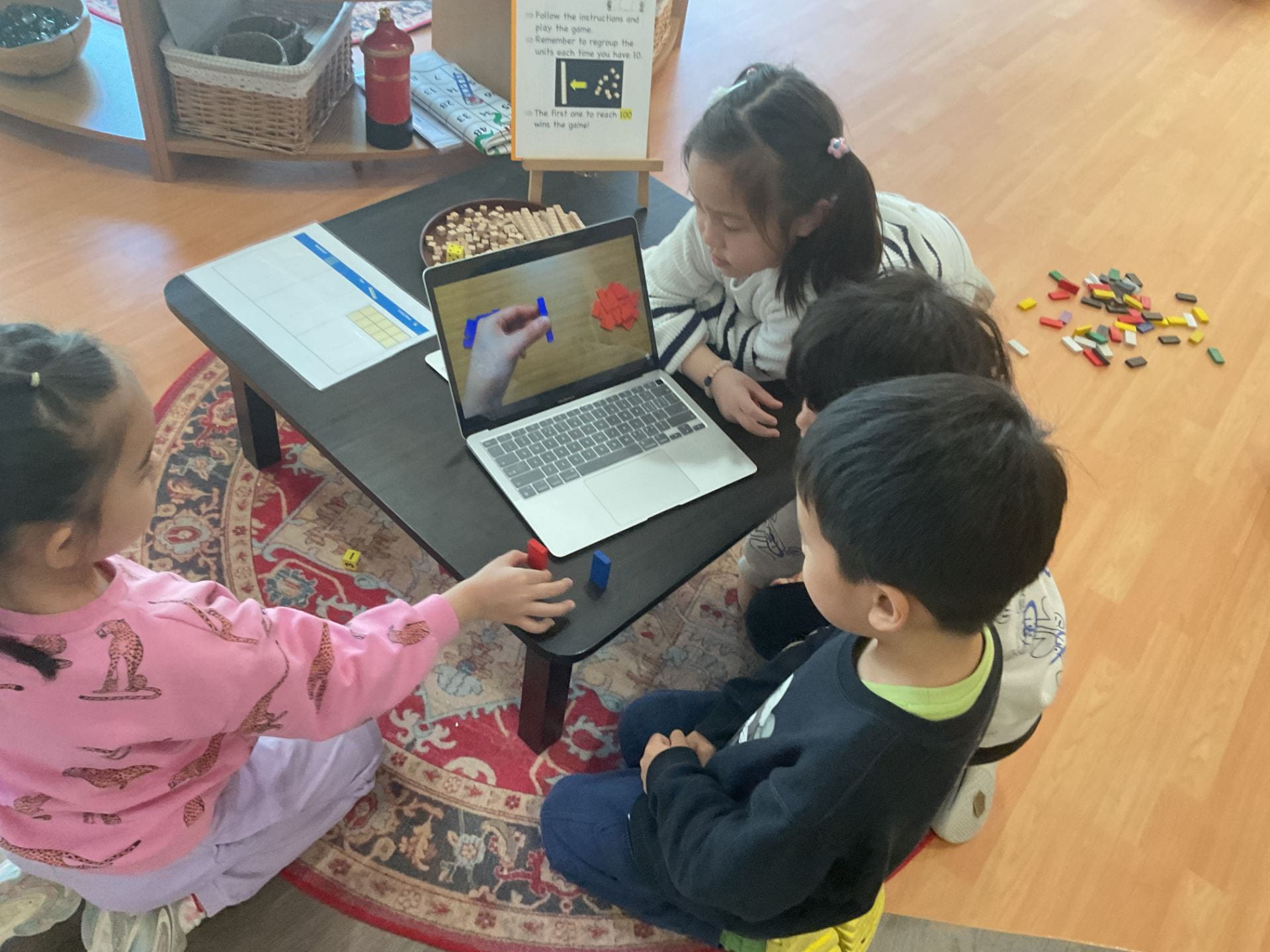
Considering that the team have now learned more about creating the domino effect we wonder…







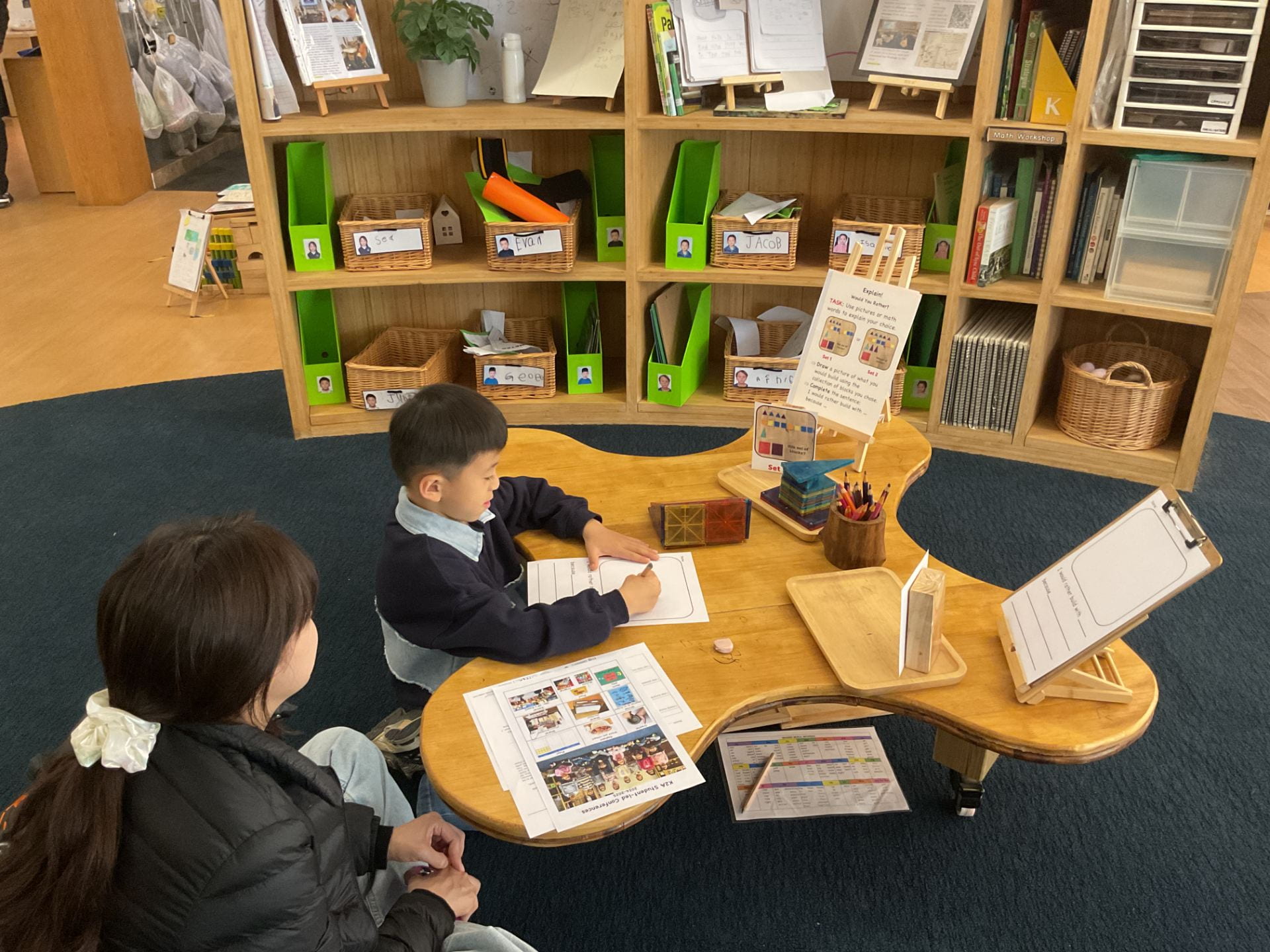


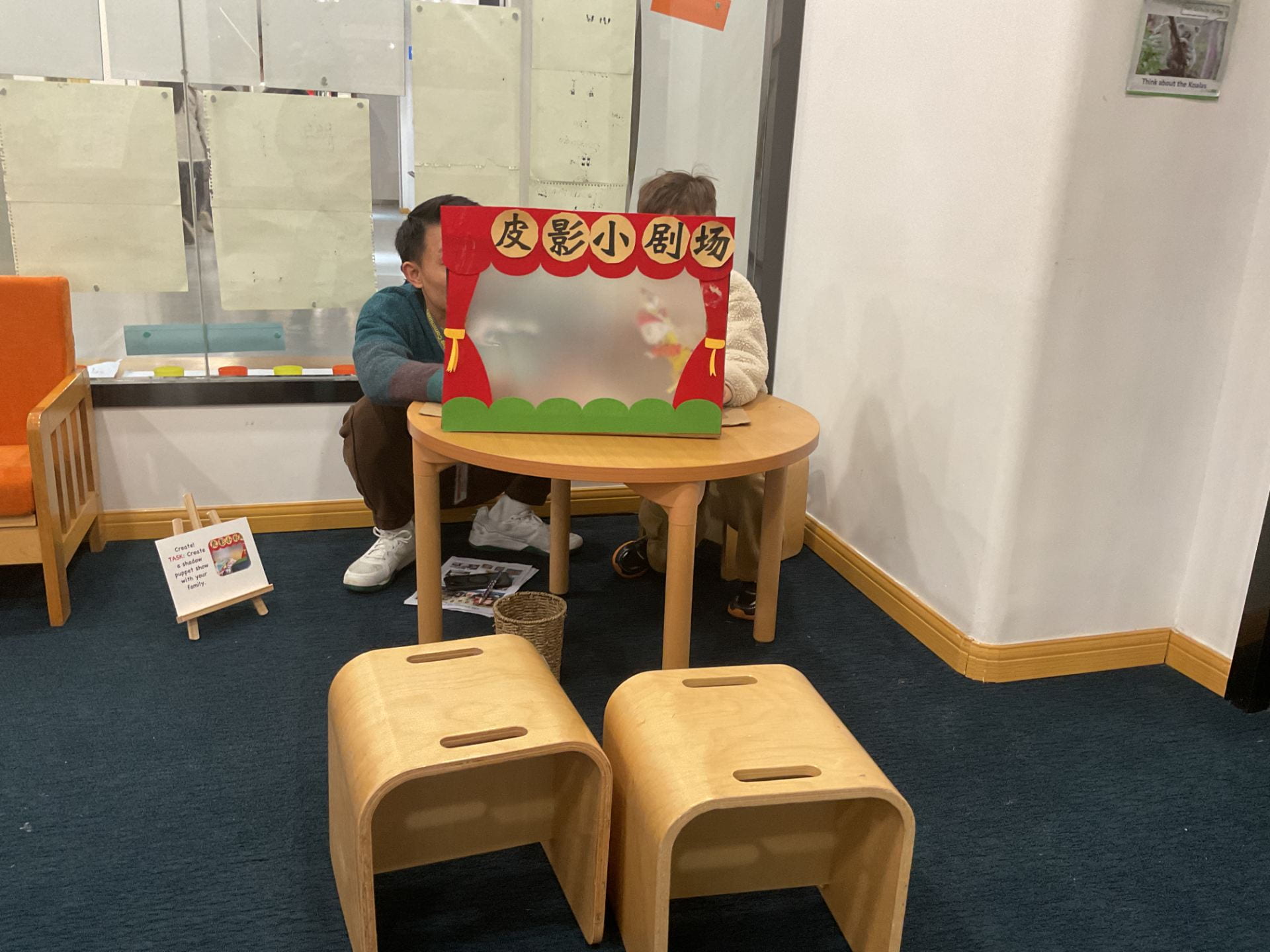

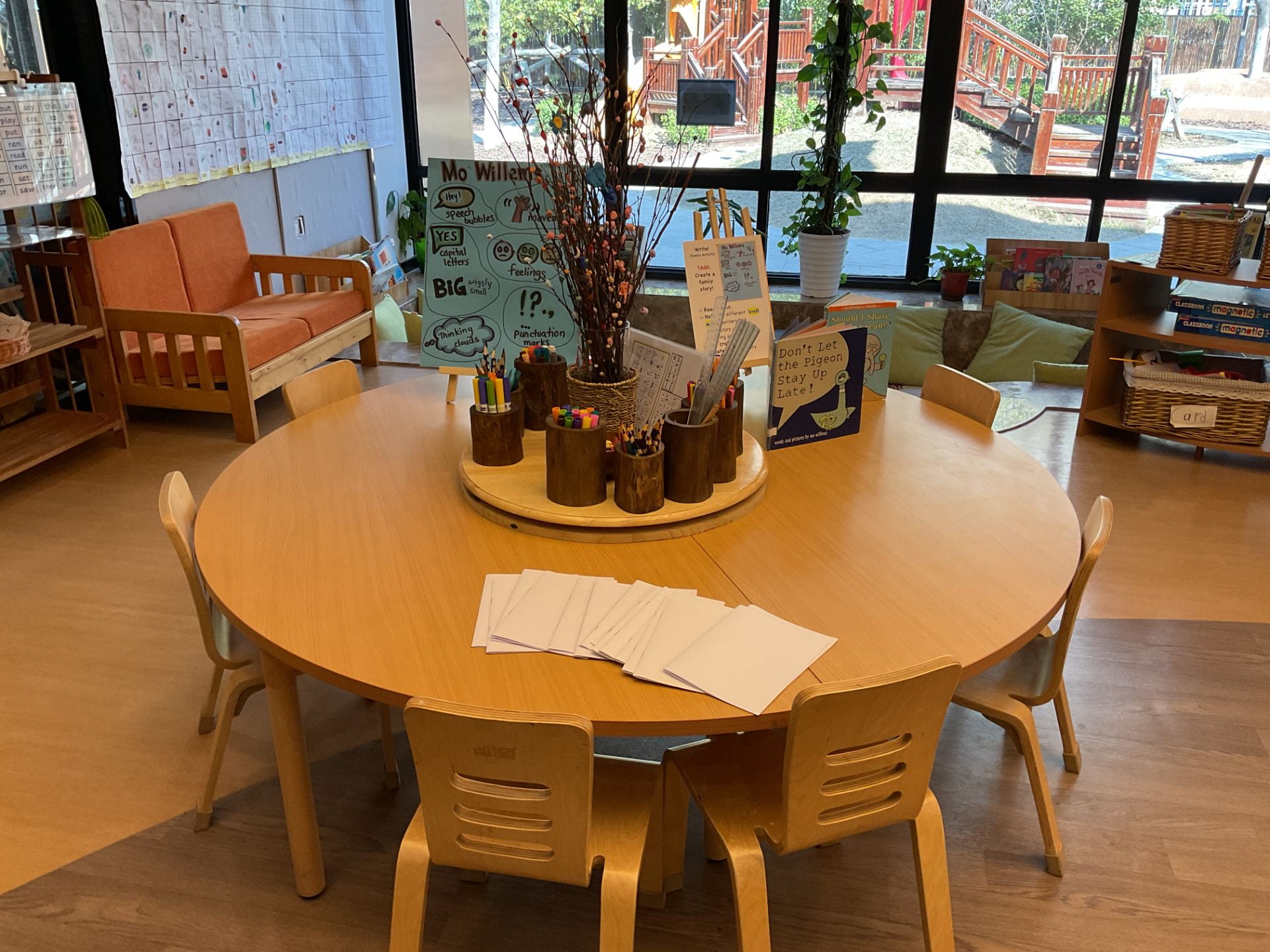
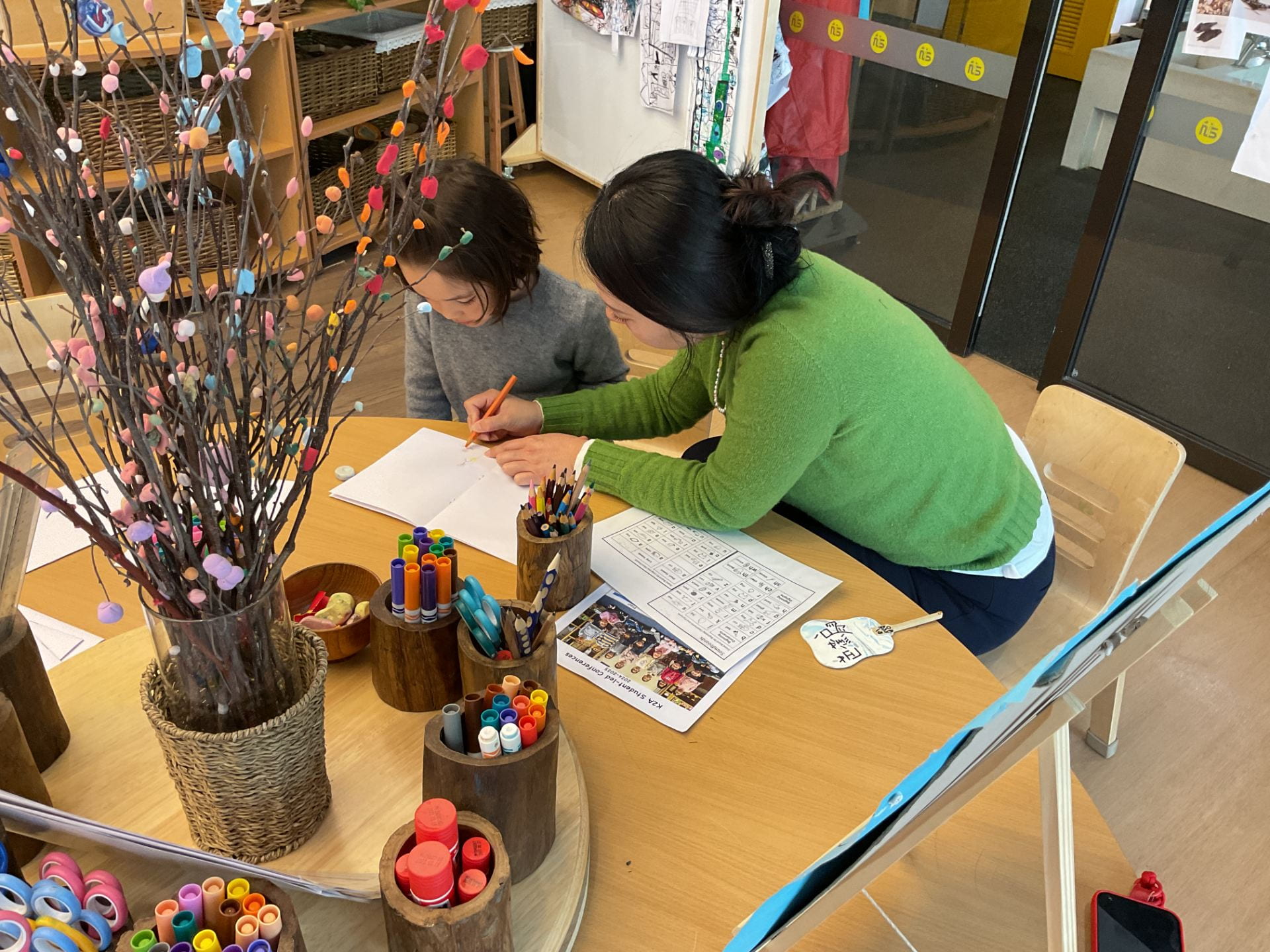






Ms. Jenny shared some photographs of one section of the EY playground, which has been closed off temporarily due to maintenance work. As we shared the photographs, the children discussed what they noticed. They were curious to find out how the maintenance staff would fix the ‘hole in the ground’ next to the sand pit.
 One of the problems that children continued to focus on was that the walkway to the shelf where they store the sand play toys had been cordoned off.


They wondered where they might keep the sand play equipment after playtime. The children were thoughtful, explaining what might happen to the toys if they weren’t put away safely.
The children thought hard to find a solution to the problem. After considering and discussing many different ideas, Mohammed said, “In the garden”.
We were curious about what he meant and decided to invite him to share the safe space he was thinking about. Mohammad went outside with Ms. Sophia to take photographs of the spaces he was referring to. He presented his ideas to the class, pointing to the different spaces we can keep the toys, till the shelf is accessible. Mohammad’s solution was to store the toys under the worktables near the garden.
 They could also be hidden in the sand so they will be protected.

When Mohammad was done Junsu turned to Mohammad and gave him a thumbs up and said, “Good job Mohammad!”. The children agreed that this was a good idea!
The children’s conversation highlights their natural curiosity about the environment, and how they use their senses to understand how things work around them. It further highlights their enthusiasm to explore possibilities and be solution driven.
The Trolley Project: Sourcing the Missing Parts
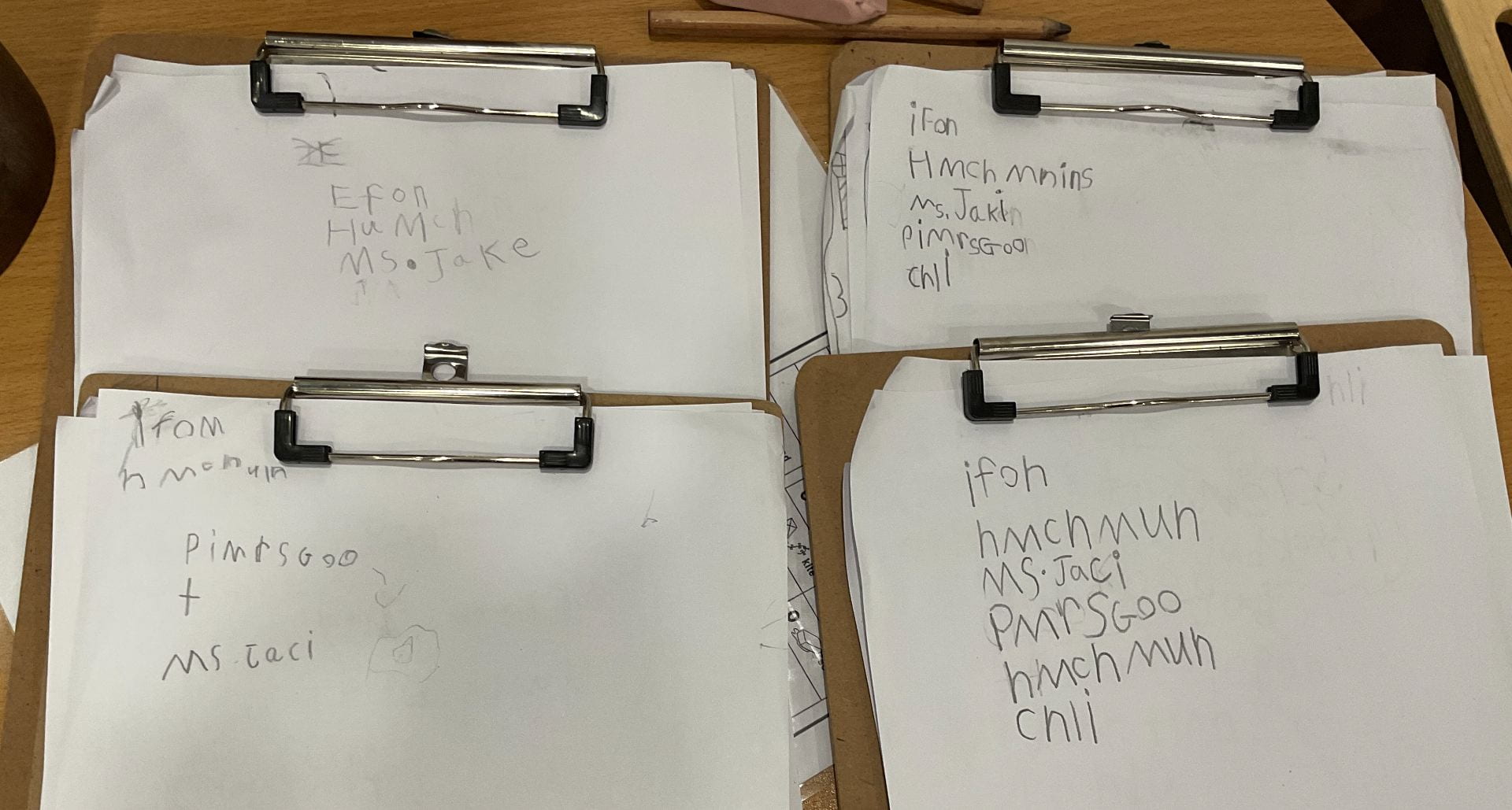
The trolley assembly team had been working on their project for a few weeks. Having lost some parts, they were trying to figure out their next steps. They had decided to reach out to different people in the community to ask for their help. The children checked their lists to see if all the missing parts were recorded on their papers. They found that they still needed to add one more piece of data, the missing back rings on the wheel. Then, they measured the part of the wheel that was going to be connected to the rings.

Now that they had a list of all the missing parts, they decided that they were ready to ask members of the community for help and more information. They made a list of the people they were going to visit.

Evan showed Ms. Jo his clipboard and pointed at the stuff on it, “We need some screws which is 8 cm long and some nuts.”
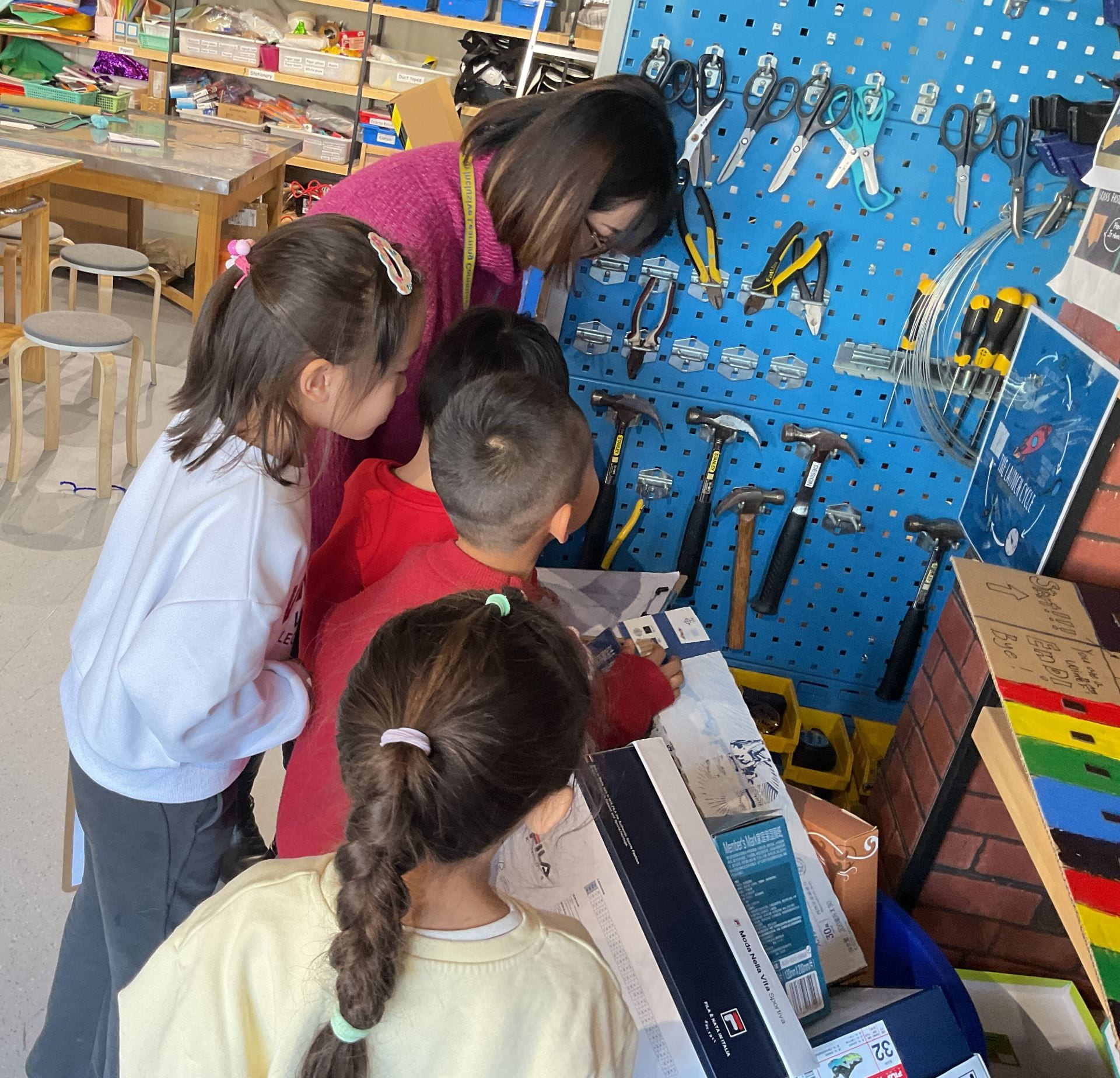
Ms. Jo led the team to her tool board and checked but she didn’t have any of the parts that we needed.
When the facility staff member came in the afternoon, the team showed him the parts that got lost and what they were looking for. Unfortunately, he told them that they do have some screws and nuts, but they don’t have the same ones that we need.
 Adalyn “We need to go ask Ms. Cherry if she can help us buy another set of the small pieces now.”
The team began to plan their visit to see Ms. Cherry.

Children wrote down their questions before heading over to see Ms. Cherry.
 The children went over to the main building to meet Ms. Cherry. They explained the problem to her, showing her their drawings and documentation to help her understand which pieces were needed to complete the trolley.
 When the team returned, they recorded the information that Ms. Cherry shared about the process of ordering things for the class.

The team were excited to learn that a box had arrived in the post.
 They opened it up to find the missing pieces that they needed to assemble the trolley.
Presenting the Trolley
The team presented the trolley to the class.


Reflecting on Learning…
The team took many months to put the trolley together. They had to overcome obstacles and collaborate to achieve their final goal, ‘to assemble the water bottle trolley’. Reflection is an important part of learning, therefore we paused to encourage the team to think about the skills they have learned, the knowledge they have acquired and attitudes they have developed as a result of their learning. They made a list of ideas they wanted to share with their friends.
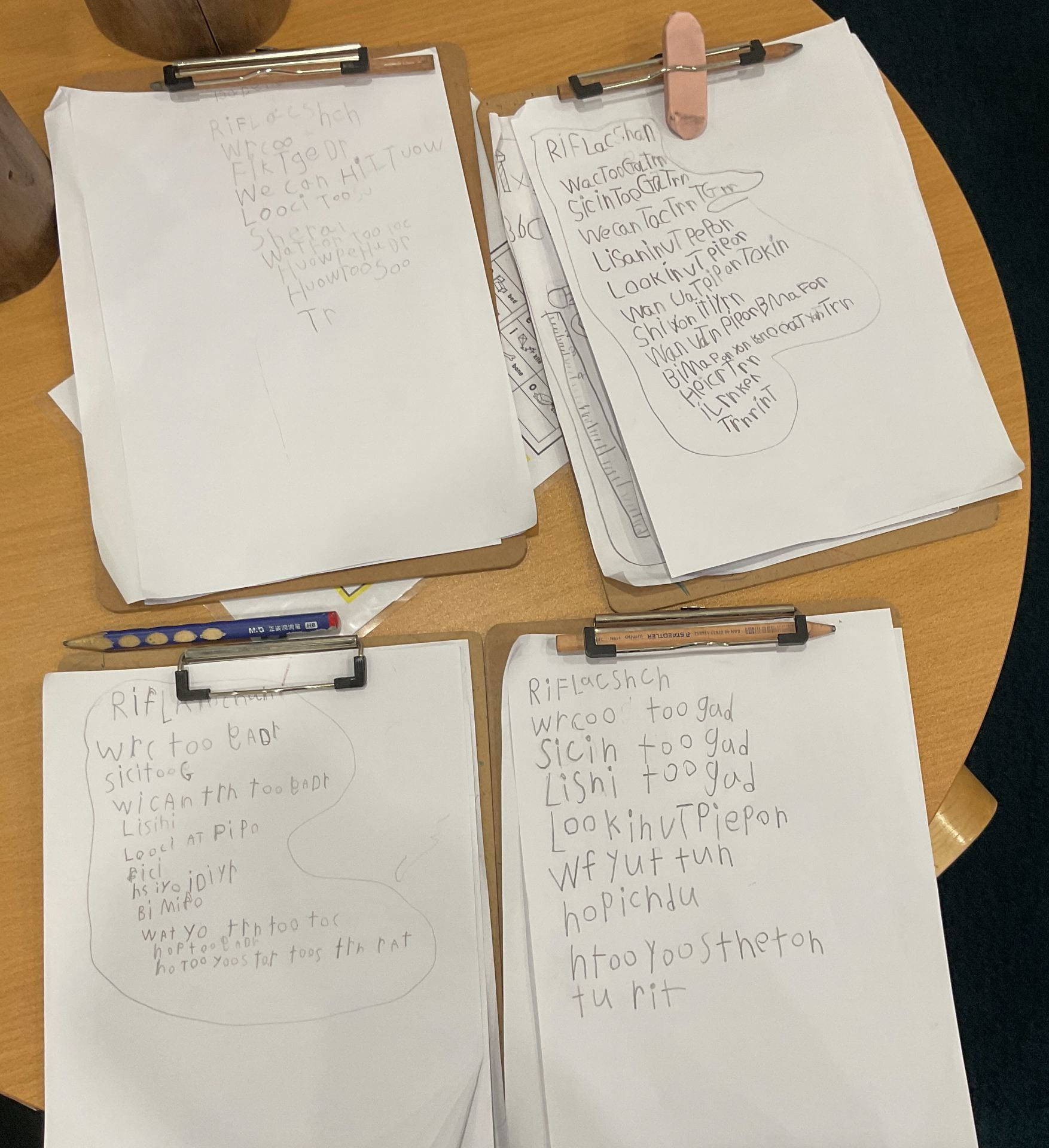
The children wanted to ask PreK-K1 how they look after the trolley. Isabella and Suzy volunteered to speak to them. They came back with suggestions on where to place the trolley and how to use it carefully.
 Through their inquiry, the team have developed a better understanding of the different ‘systems’ in place at the school to help the community maintain the school facilities and equipment. These authentic experiences have helped the team explore how ‘interconnected’ we are as we collaborate and work to ensure the community within the school has what it needs to support teaching and learning.
 By using their ‘senses’ to explore the world around them, the team had opportunities to pursue their ideas based on their curiosities, documenting their thinking through a variety of mediums.
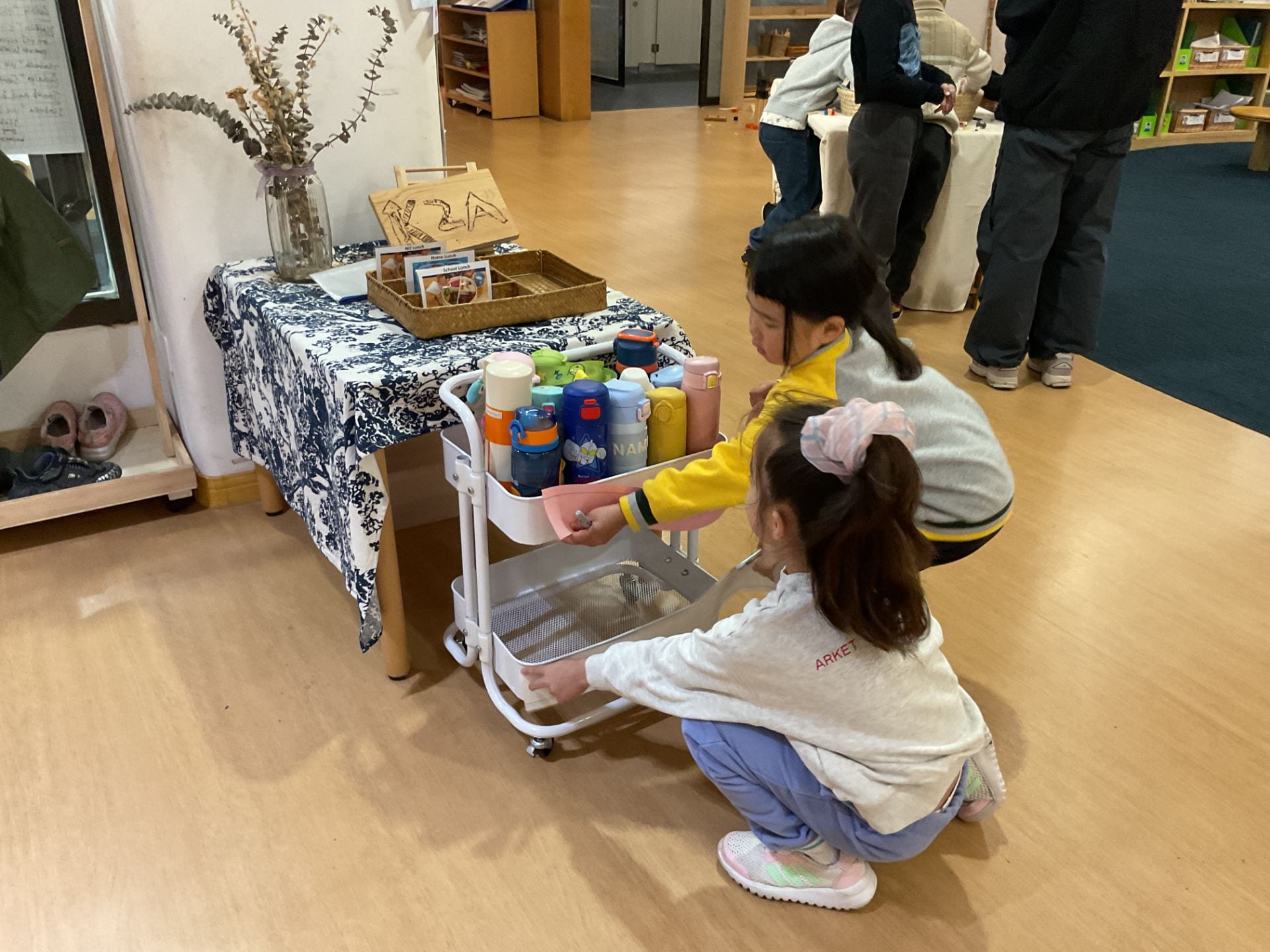 The team had opportunities to explore mathematical concepts about ‘measurement’ and ‘number’.
 They developed their literacy skills as they took notes at interviews, documented their thinking, created plans and noted reflections using illustrations, words and sentences.
  Presenting ideas and updates to the class encouraged the team to see themselves as problem-solvers, risk-takers and communicators.
– Jacob’s statement, “You turn right to tighten the screws and left to untight (loosen the screws).” Shows how the team developed their skills and knowledge about tools (wrenches and Allen keys) for making and design.
How many cartons of milk do we need to give everyone a cup of chocolate milk?
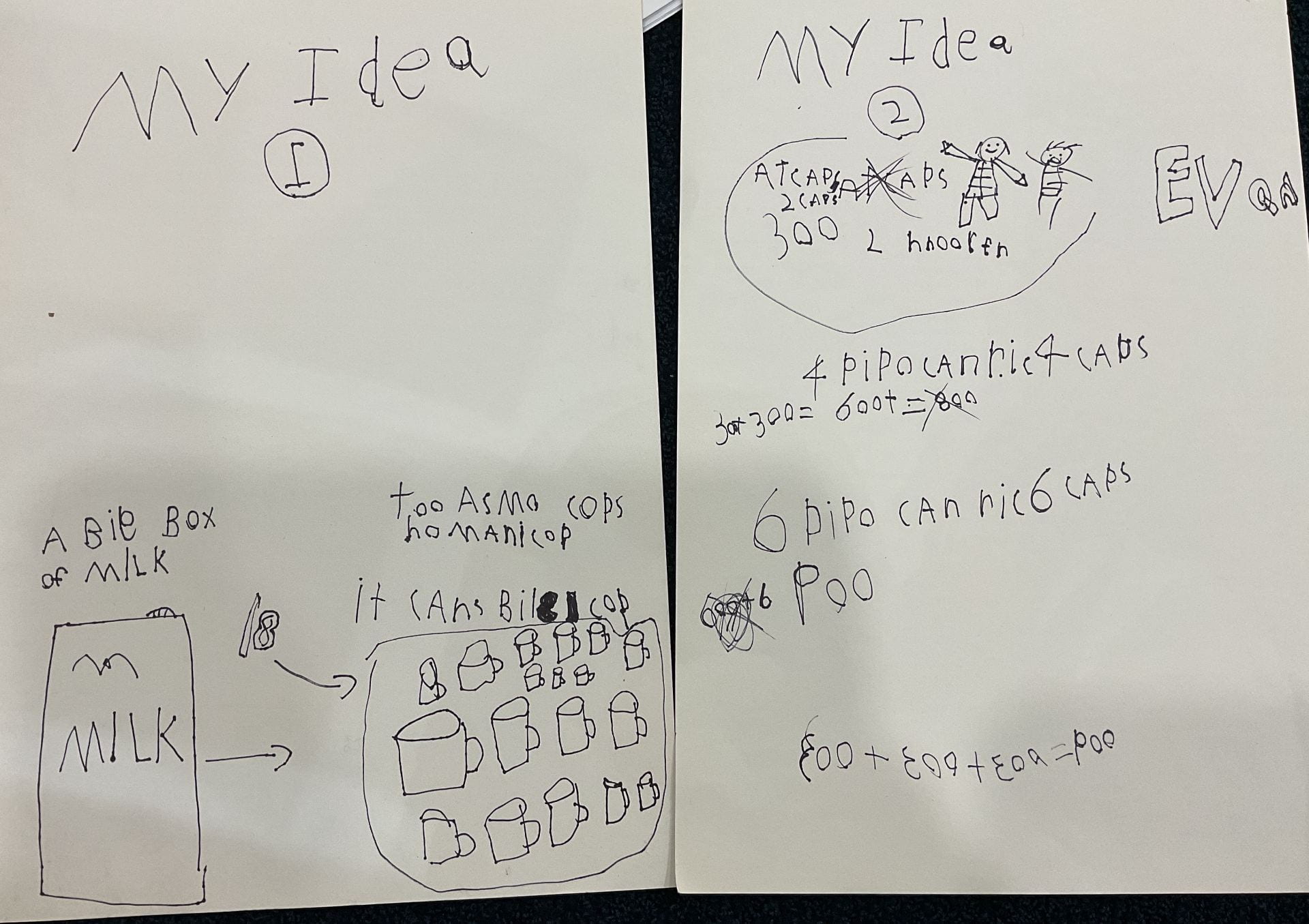
After working with a group of mathematicians to calculate how many cups of milk there were in one carton of milk, Adalyn took the initiative to work out how many cartons of milk we needed all together to make chocolate milk for both K2 classes. 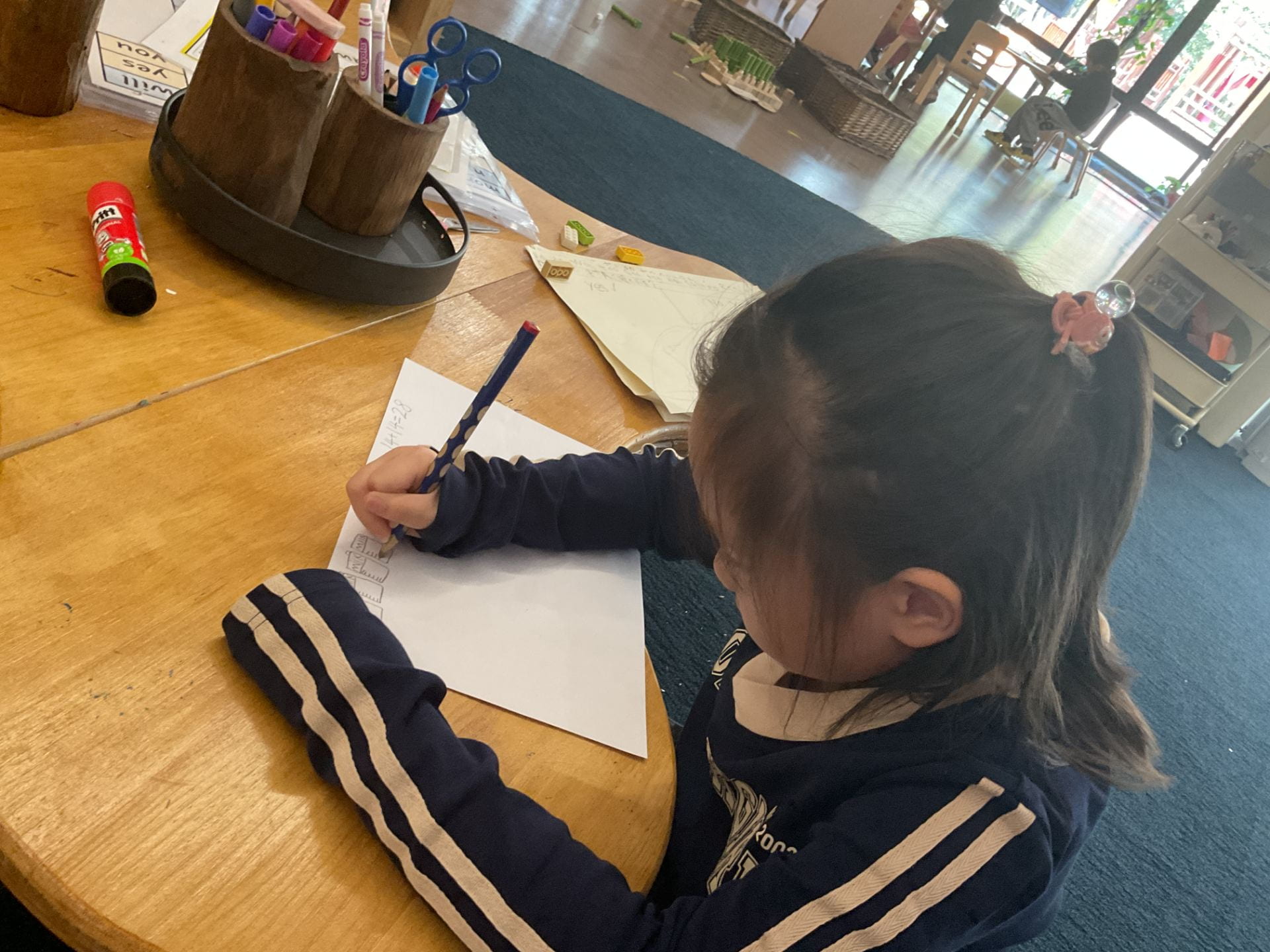 She illustrated the problem and the process, using pictures, words, numbers and symbols to show her problem-solving strategies.

Adalyn explained her process to the class, suggesting that 6 cartons of milk would be enough for the 28 children, four teachers, Ms. Hannah and Mr. Patrick. She also suggested that we bring the two remaining cups back for Ms. Dora and Ms. Jacqui.
How many seats are there on one school bus?
Ciel counted the number of seats on the school bus…

Ciel “I counted the bus seats because then we can go to the field trip. Then we can know how many children and teachers can go in the bus. We will need 2 buses because if one bus has 28 seats but teachers go too, so there won’t be seats for the teachers so we need one more bus. Then the K2A teachers go in the K2A bus and the K2B teachers to in the K2B bus.”
We updated our trip planner, including more information, checking off tasks that we have completed and adding more steps where appropriate.
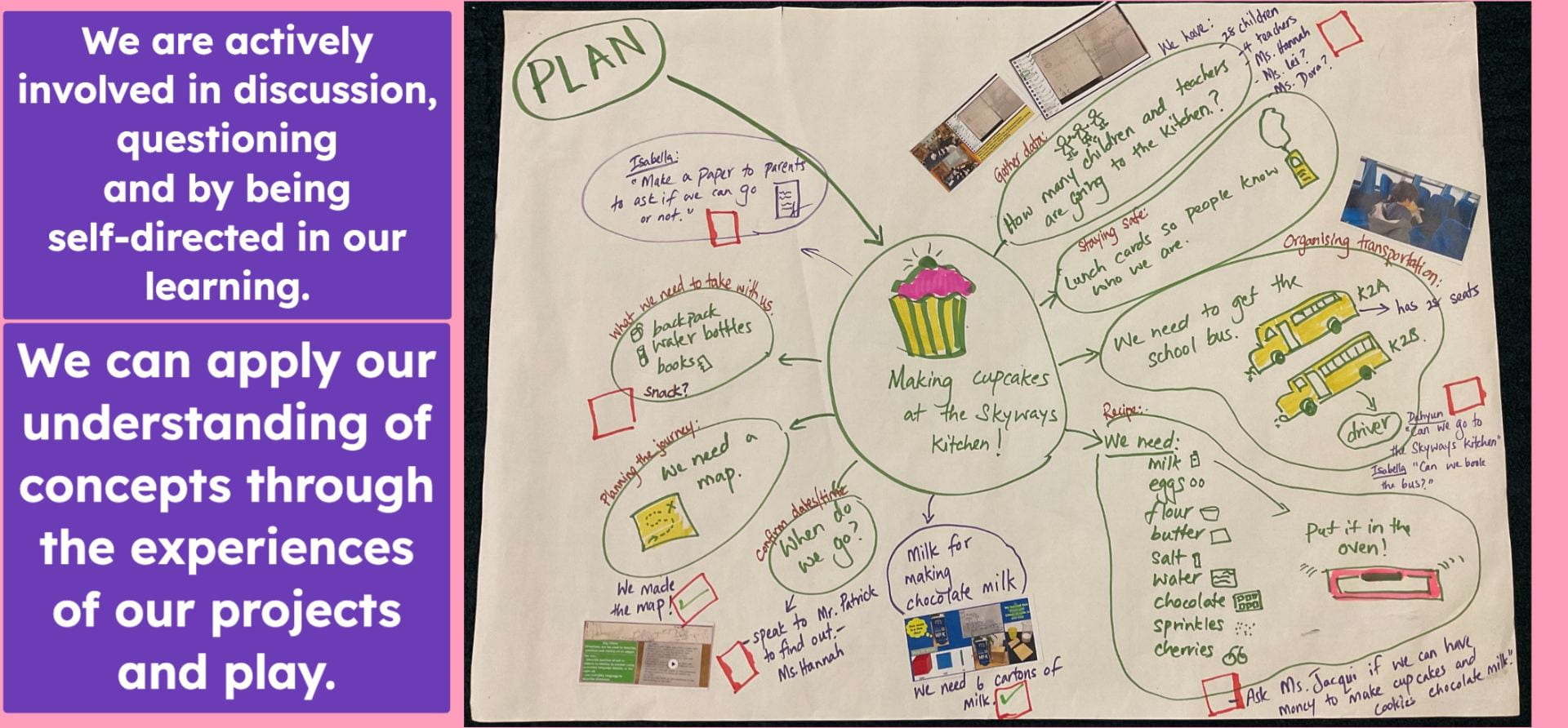
When children have AGENCY they:
 We referred to our plan for the trip to the Skyways Kitchen to plan our next steps. The children were eager to invite K2B to join us on the trip to the kitchen. The team created a survey to find out how many children and teachers would like to join K2A on the trip.
Suzy “We can ask them, ‘Do you want to come to the Skyways kitchen to make the PTA but the cupcakes?’” The team wrote their question and possible responses. Then, they went off to K2B to speak to their friends.
Dahyun “I am finding the letter and big letter and I write that. Because then I know letters. Because I sound it out and find the letter, and it helped.”

Euno “I write the question. I used the alphabet chart to find the letters. I see the alphabet chart and I can write the word.
I sound the letter. It was a little bit hard but then I sound and write and see the alphabet chart and write.”

Euno “I asked ‘Do you want to go to the cafeteria for making the PTA cupcake? And they said ‘yes’. I tell him sign your name on the paper on the ‘YES’.”


Dahyun “Because he want to go to Skyways kitchen and make cupcakes so they say it in the paper. Everybody said yes.”
The surveyors presented the data to the rest of the class explaining their process and what they learned as a result of their research.
Suzy “We are going to K2B and ask them and then I write the names. Everyone wants to go!”

While presenting the information, the class noticed that one child did not want to join the field trip. We wanted to make sure that the team had surveyed all the children. Therefore, we decided to check the responses against the K2B class list. As the names were called we realised that two of the children had not responded to the survey.
The researchers went back to collect the data they needed.

The class was pleased with the results both teachers and 13 of the 14 children wanted to join the field trip.
Having collected the information they need, they are ready for their next step, deciding on the date and booking the school buses for the trip.
Jacob was inspired by our challenge project, particularly the part about making ice pops with watermelon juice. He decided to visit a supermarket to learn more about watermelons. On his return, he shared what he had uncovered.

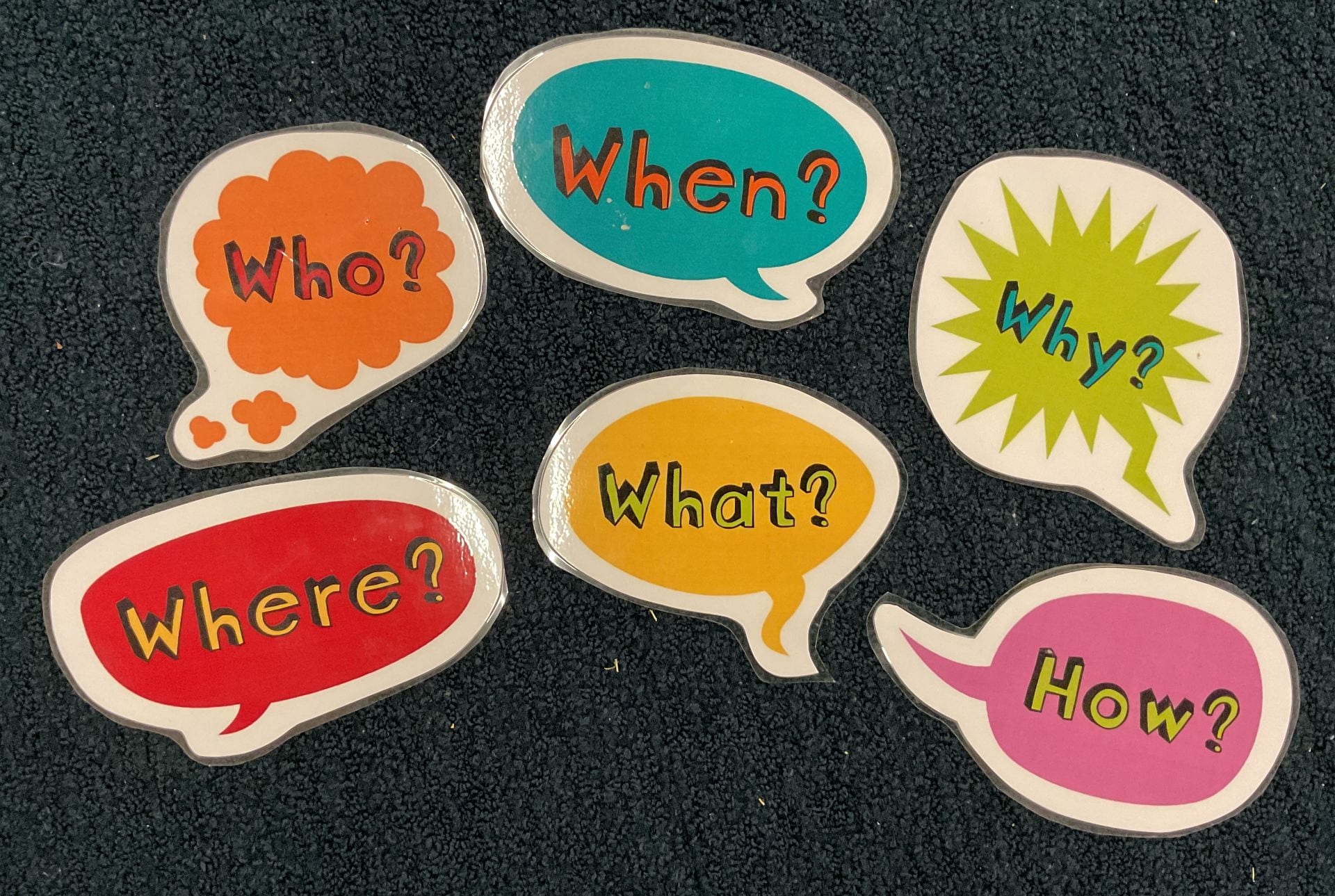
Jacob used the question starters to help him present his learning to the class.
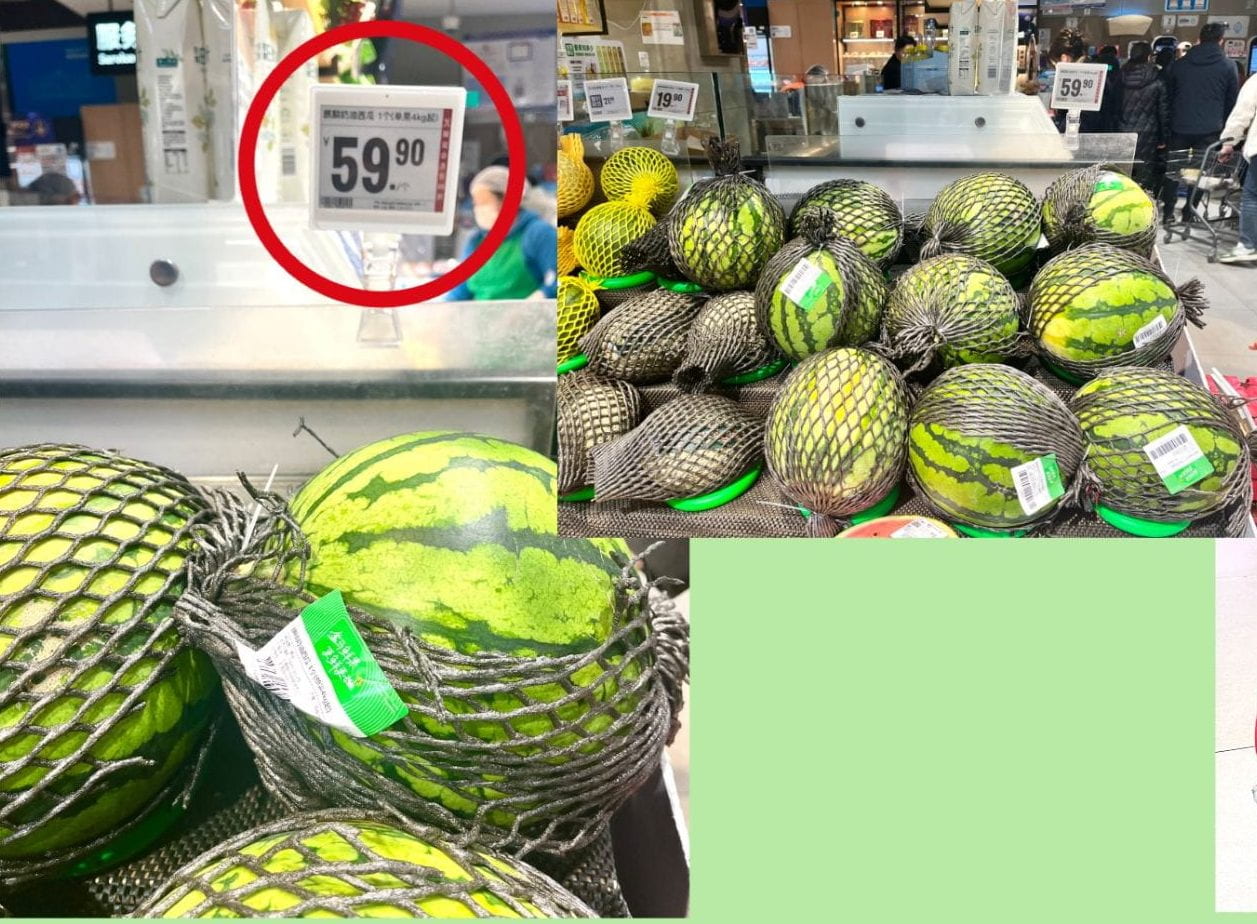 Jacob’s presentation made us wonder how many watermelons we might need to make the ice pops. We wanted to make sure we had enough for the project, but we also didn’t want to waste any food.
Can we have some money?
A group of children volunteered to take the project plan to Ms. Jacqui to ask her about the money they needed for the project. The children explained that they would need 60 RMB to purchase one watermelon to test the ice pops. Ms. Jacqui was excited to hear all about their plans and invited the children to think about the different steps they needed to take to plan a safe field trip across the road.
 They needed permission slips, money to purchase the watermelon and teachers to accompany them on the trip.
Do we have enough ice-pop moulds?
Teacher “What about the moulds for the ice pops do we have enough for everyone?”
Isabella recalled using the ice pop moulds when she was in K1 and decided to reach out to Ms. Hannah to see if she could find them in the Early Years kitchen. Mohammed and Adalyn wanted to help Isabella with the task.
 The team looked in all the cupboards to look for the ice pop moulds but couldn’t find them. After a lot of searching, they found two sets of 6 ice pop moulds in the Early Years pantry.
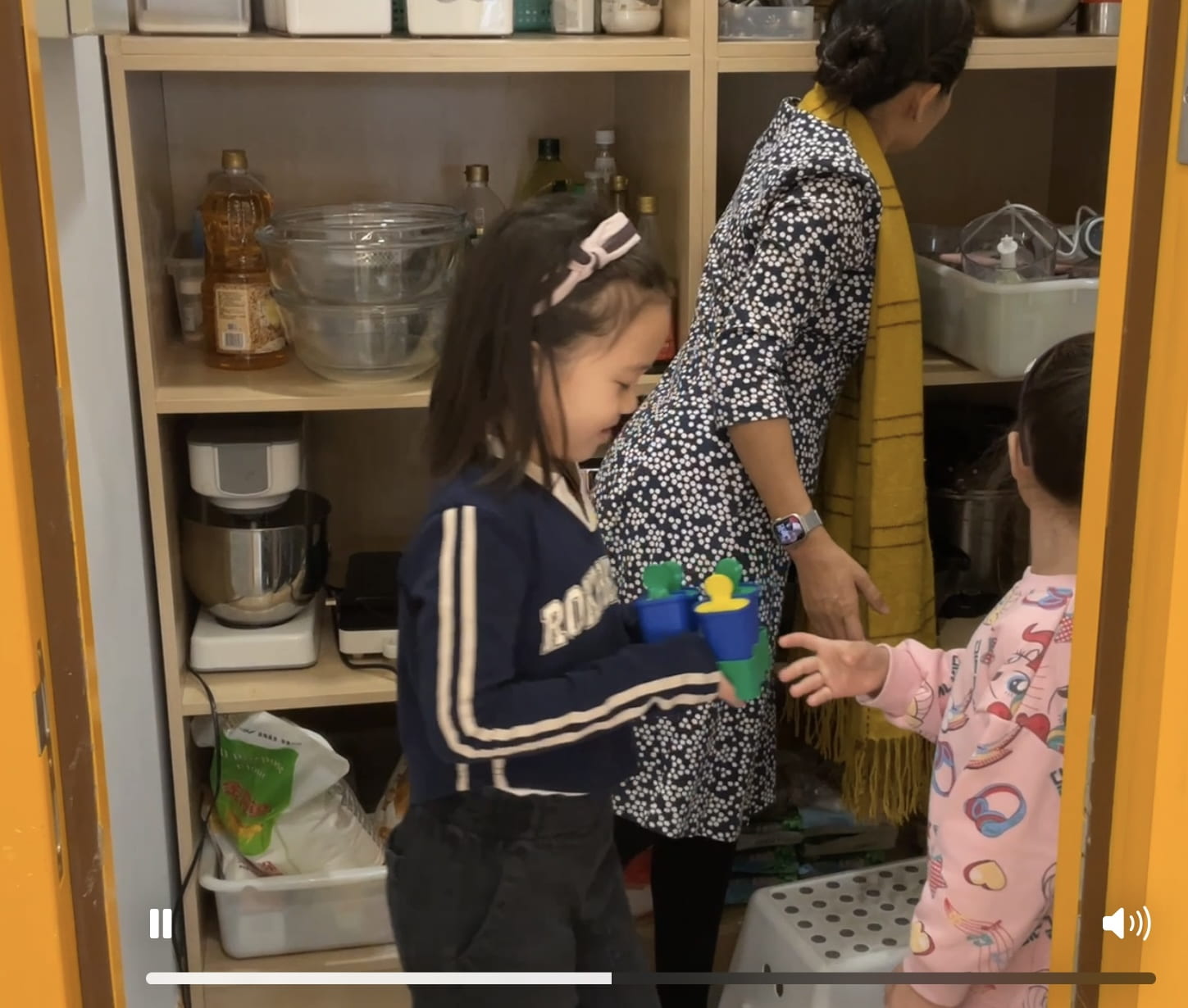
The children decided that they needed 16 moulds for the children and the teachers in K2A. But they only had 12! They used what they knew about numbers and calculations to help them solve the problem.
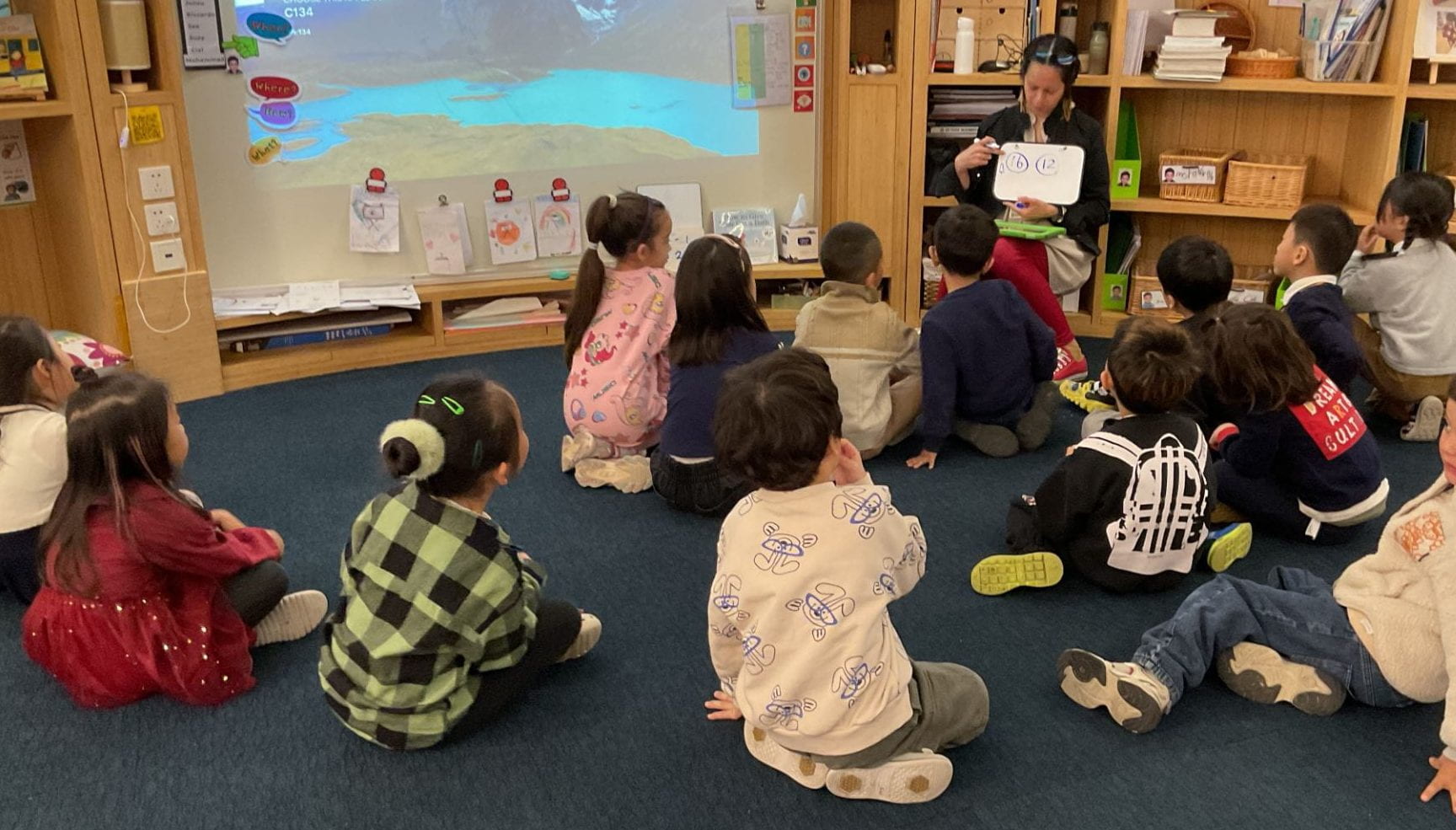

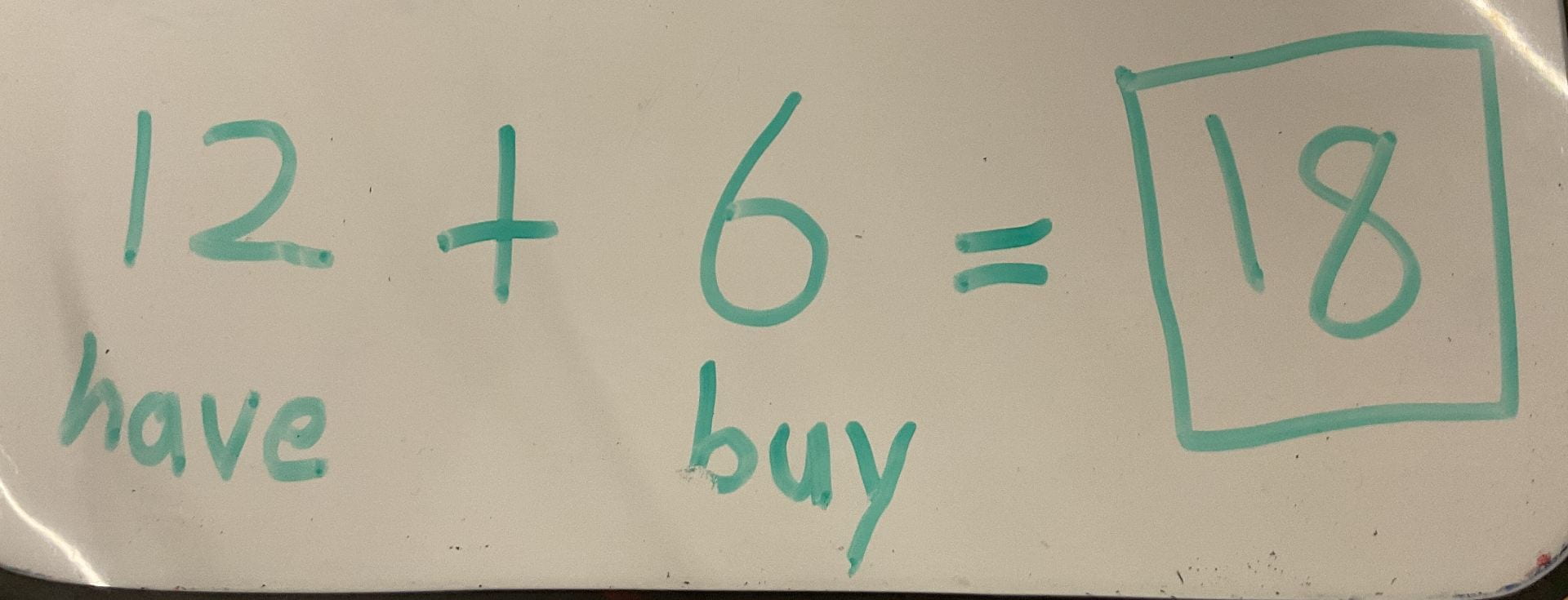
They decided that they need to buy 6 more moulds to have enough for everyone in K2A.
We revisited the 3-Minutes Challenge Project, where the children had suggested creating a range of activities based on an inquiry into ‘time’. They were excited to plan their ice pop challenge and gathered to think about the steps they would need to follow to complete the task and have the challenge.
 As the children shared their ideas, we documented the details on large chart paper using illustrations, words and symbols to communicate information.
The children were excited to make watermelon ice pops. They tapped into previous experiences of planning a field trip, explaining how forms needed to be filled in and permission sought to go ahead with the field trip.

They will have to find out how many ice pops need to be made. This would include calculating how many they need to make in total for the children in K2A and 5A buddies.
The children suggested asking Ms. Dora or Ms. Hannah how much the watermelon may cost. This would help them estimate and make a request for money from the school for the project. Next, a team would need to complete an order form and take it to Ms. Jackie.
The children suggested that we ask Mr. Dora and Ms. Hannah if they could help us visit the supermarket.

The children explained the steps we needed to follow such as preparing the watermelon, blending the watermelon to make the juice and finally freezing the molds of juice to make the ice pops.
We wonder how the children will gather and organise the information to help them plan and prepare for the challenge.
The children are deeply engaged in their inquiry, solving problems and organising themselves to help plan the field trip to the Skyways kitchen. One of the suggestions they had was to make chocolate milk at the Skyways kitchen. We decided that this would be a good opportunity for the children to solve a real-life problem using their understanding of number and calculations. 
How many milk cartons do we need to make chocolate milk for all the children and teachers in K2?
We began by estimating how much milk they thought they would need.
Estimating how many cups of milk are in one carton.
The mathematicians drew to share their ideas, the estimates ranged from 10-20 cups in each milk carton.


We noticed that the children were referring to the ‘units’ (millilitres) of measurement when talking about volume. Riccardo had also suggested using a measuring cup with numbers on the side to measure the milk. Their explanations and suggestions communicated their working theory that, ‘we can use a ruler and measuring tools to measure accurately’. Having noticed this interest in using standard units, we decided to draw their attention to the 1L displayed on the milk carton.
But how much is a litre (1L)?
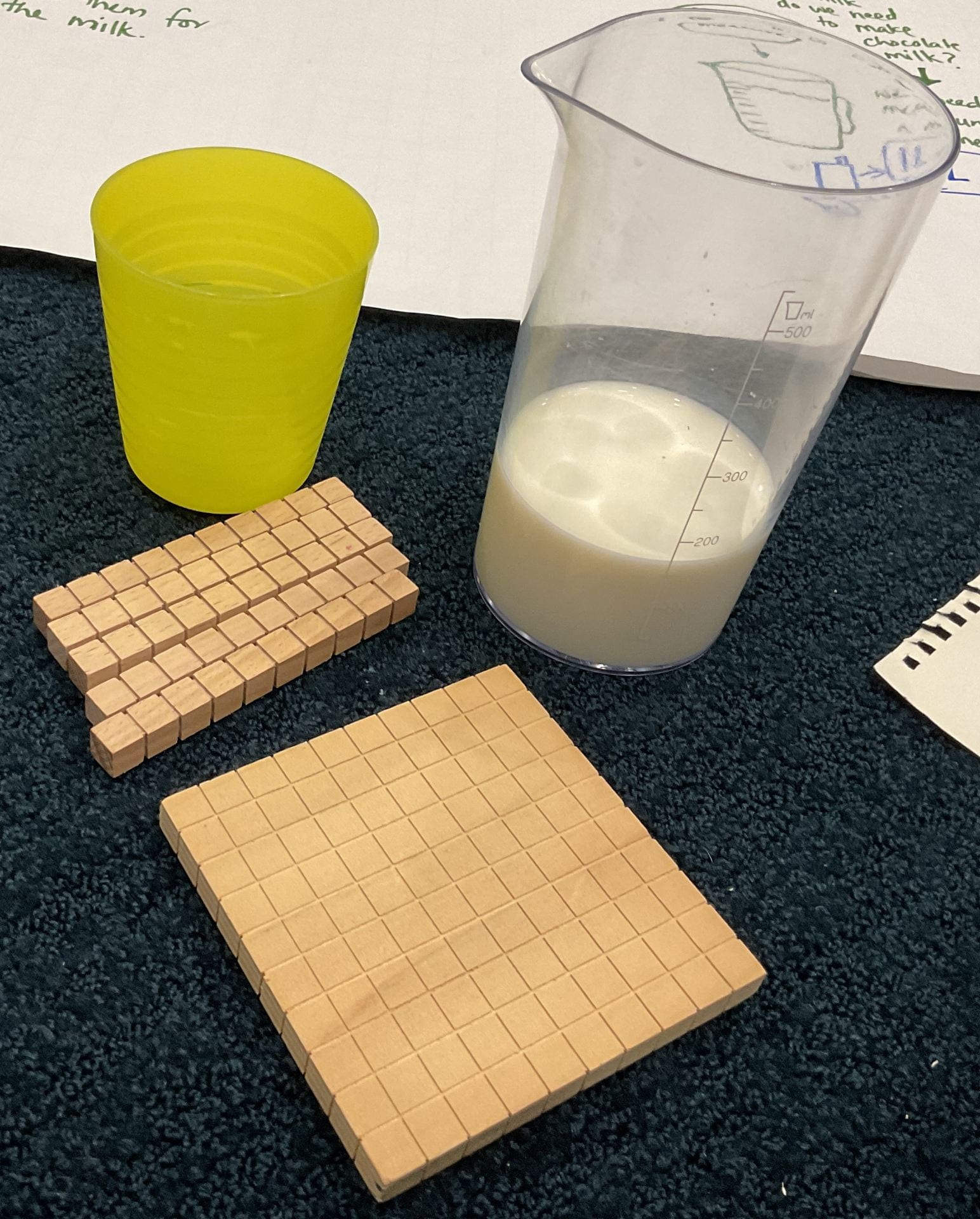
As the children are familiar with the use of the Base 10 system to represent numbers and number relationships, we used the blocks to draw a parallel to the ‘volume’ discussing the value of one, ten, one hundred and one thousand.

 The mathematicians concluded that the milk carton had 1000ml, or one litre (L) or 2 of the 500ml jugs of milk.
We decided to check if Jacob’s estimate that a cup of milk was of 25ml was correct. We poured out one cup of milk from the carton and used the measuring jug to measure it. We learned that there was 150ml of milk in one cup. We used Base10 blocks to show the number.
 How would we know how many cups of milk were in each milk carton?
The mathematicians used words, images and numbers to make their thinking visible. As they documented their ideas, we noticed that they were calculating the quantity in millilitres and cups. Therefore, we continued to use the Base-10 blocks to help them calculate, solve and explain their math problem.
We noticed that each child processed the problem and documented their strategies differently. They shared and listened to each other’s strategies and thinking and helped each other with the calculations.
 Together, they learned that a carton of milk had about 6 cups of milk.



The team presented their process and learning to the class.


We look forward to our next steps as we plan our trip to the Skyways kitchen.
We decided to revisit our first ideas about the wasted milk. The children recalled Mr. Patrick’s suggestion to make chocolate milk when they visit the kitchen.

Teacher “How much milk do we need?”
The children’s conversation revealed their understanding that we use tools to measure accurately. They suggested using a measuring cup to find out how much milk we need to collect for both classes to have a cup of chocolate milk.
During Atelier time, the children revisited the PTA cupcake project. They were excited to tell George why they had decided to visit the Skyways bakery and make the birthday cupcakes as it was his first day back in K2A.
Inviting K2B
The children had suggested inviting the children and teachers in K2B to join the field trip. However, the K2B class didn’t know many details about the project. The children decided it would be a good idea to provide more information to determine if they wanted to join the field trip to the kitchen.
What would we need to tell them about the trip?

The children documented their ideas about making the cakes, thinking about all the ingredients they needed to make the cupcakes.

 Next, the children will prepare to interview the children in K2B to share their plans and ask them if they would like to join the field trip.
We decided to revisit our plan to make the cupcakes.

The children referred to the plans they had created when they were in the Atelier. They discussed the ideas they had documented in their notebooks.
This led to a deeper conversation about the concept of safety. Jacob suggested that we book 2 school buses. Susy explained why when she said,
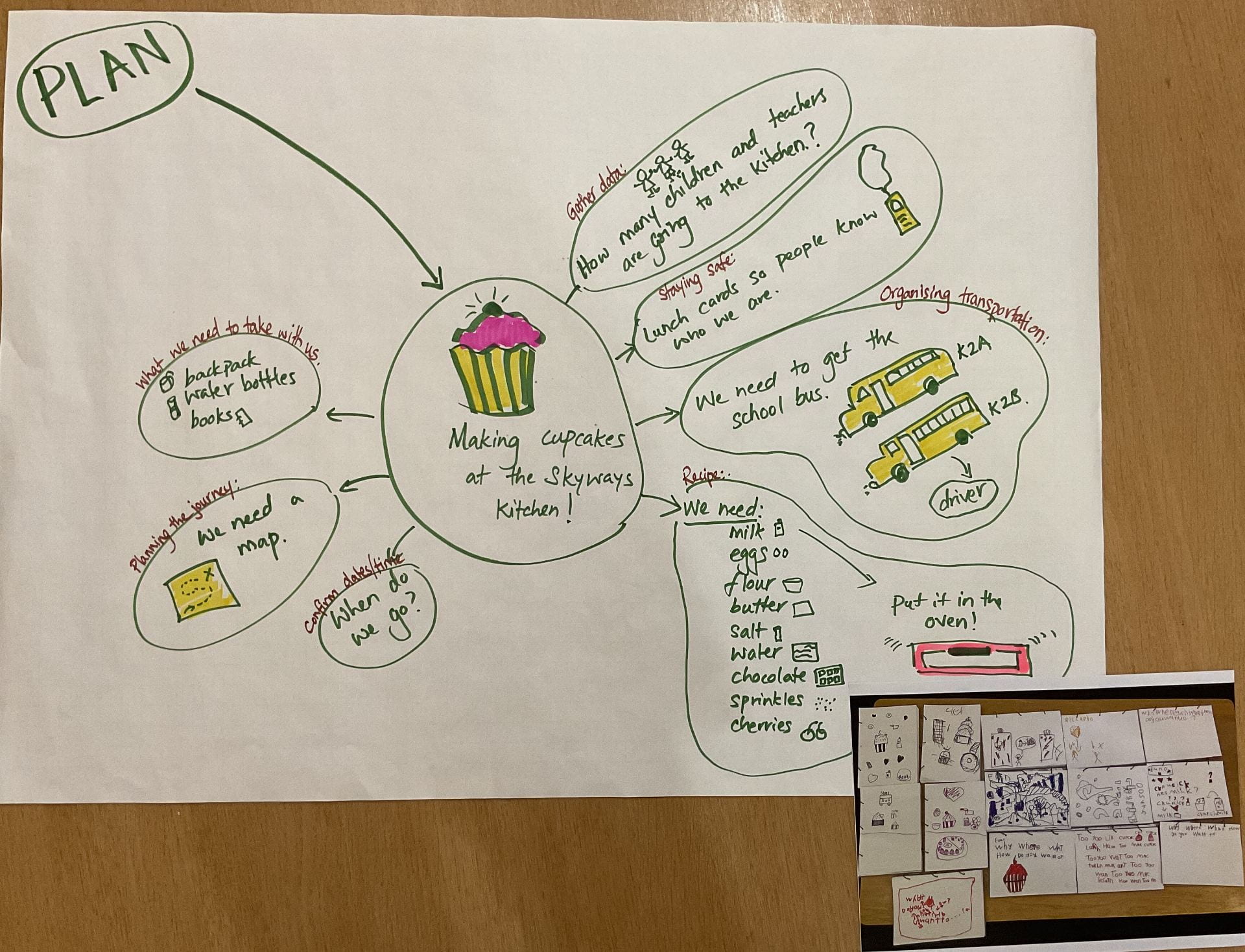 We documented all the children’s ideas and suggestions for their next steps. It was clear that many different aspects needed to be considered and planned before we went on the trip to the kitchen. They would need to:
Two years ago, Patrick was in K2A. During this time, he was interested in learning about waste and recycling and made a presentation to his class after conducting his research. Patrick is now in grade 2. He recently visited a waste recycling center in Nanjing in response to a unit of study in class and was excited to return to K2 to share what he had learned during his visit.
Oliver, who was in K2A the previous year, had created a poster about waste disposal while learning about recycling. Patrick referred to Oliver’s poster, explaining which items could be disposed of in the different coloured recycling bins. The children have noticed some of these bins around the school campus and were eager to learn more about their function in recycling.
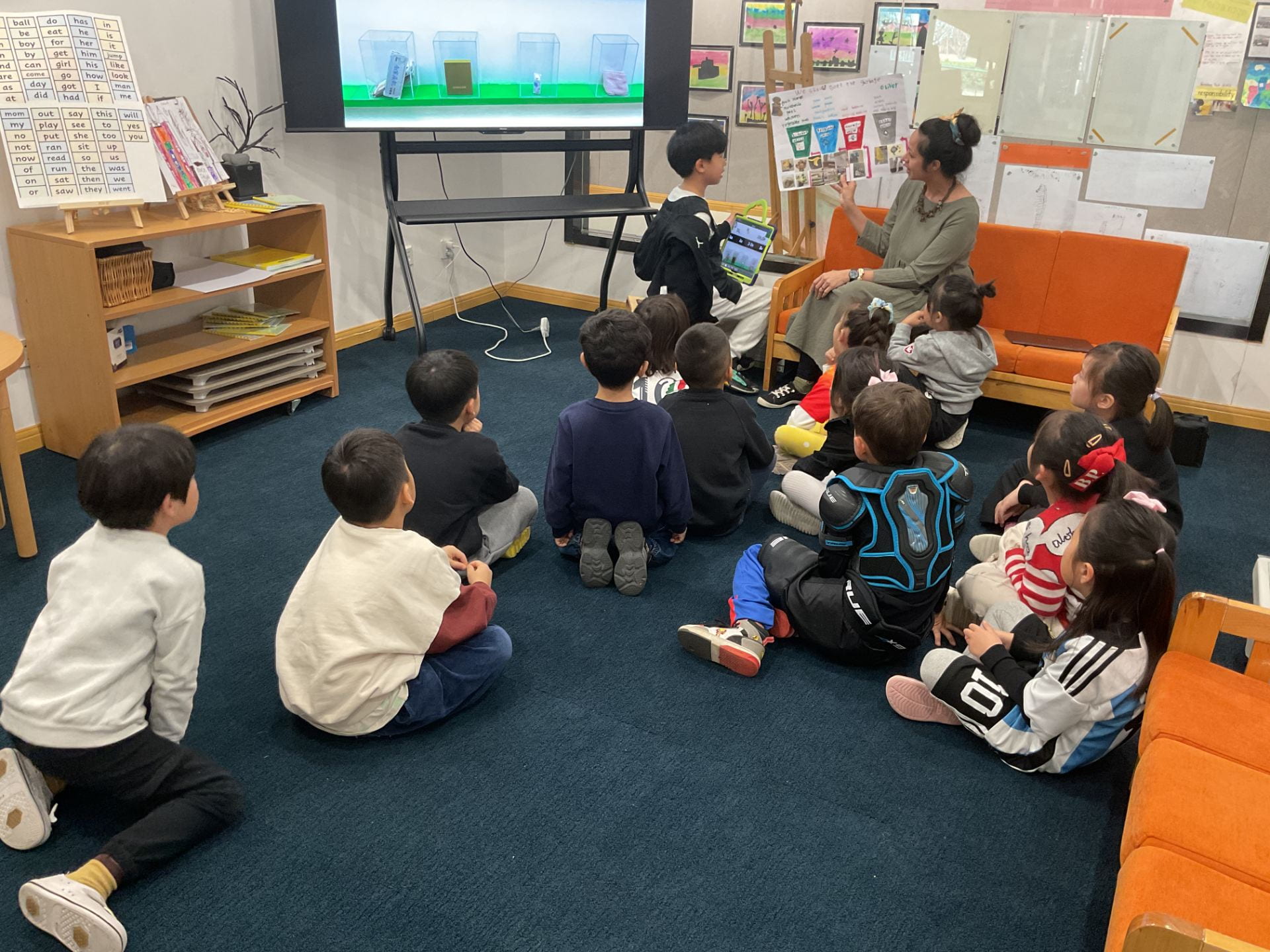
Patrick shared many different photographs of the recycling center, providing explanations on the Process of transporting and sorting materials such as paper, food and plastic waste. He was excited to talk about how long it takes for materials such as paper, fabric and plastic to decompose.
The next day, we revisited Patrick’s presentation.
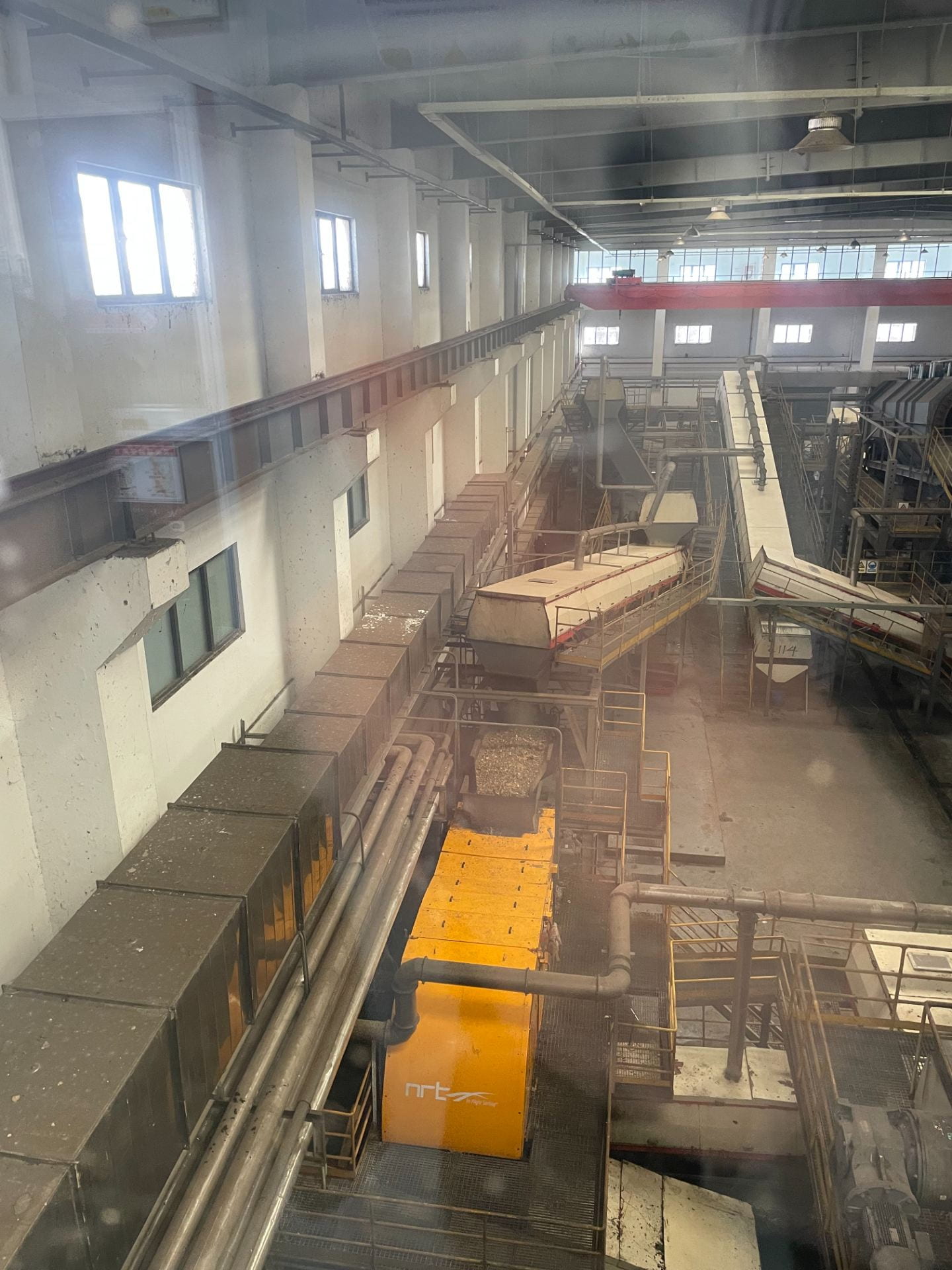
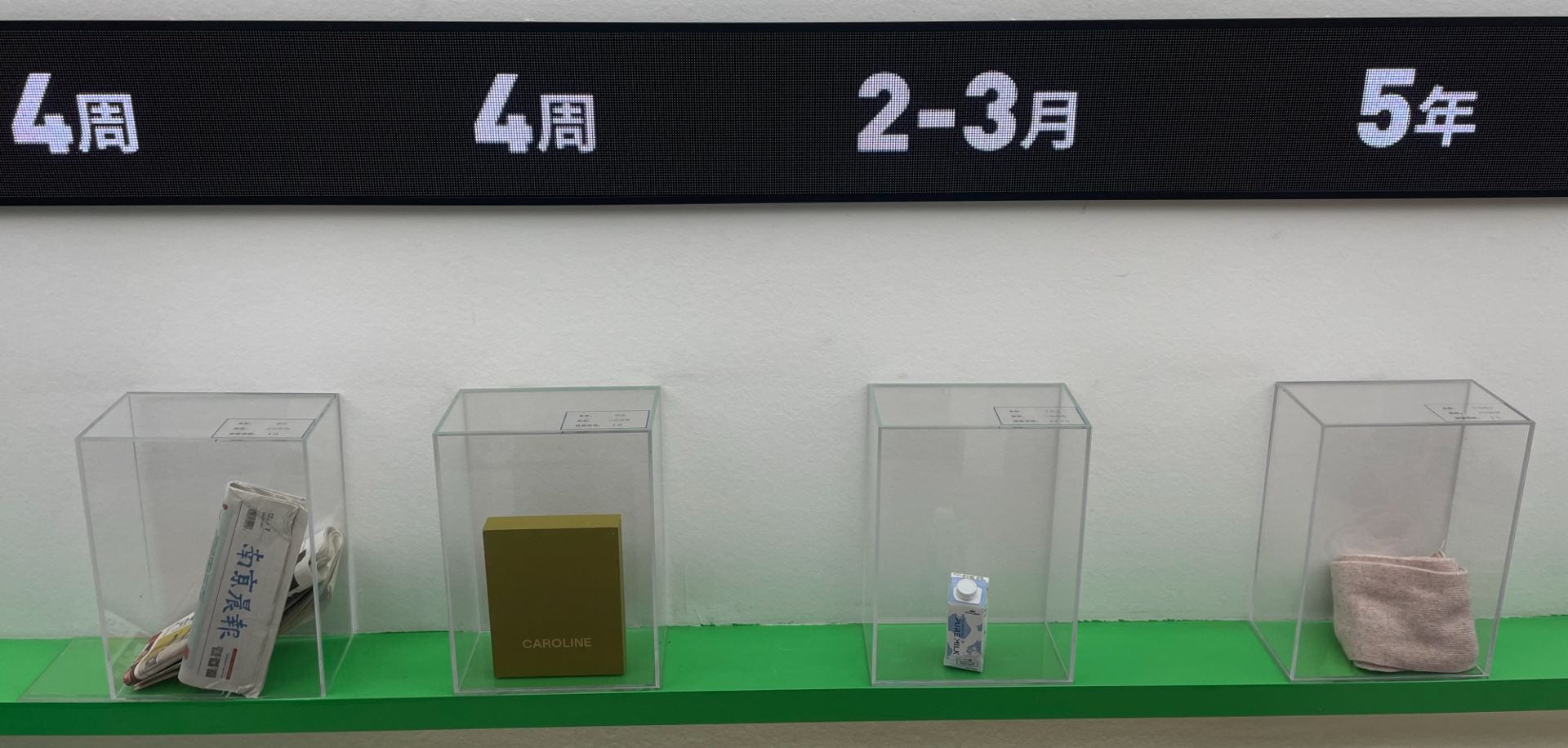
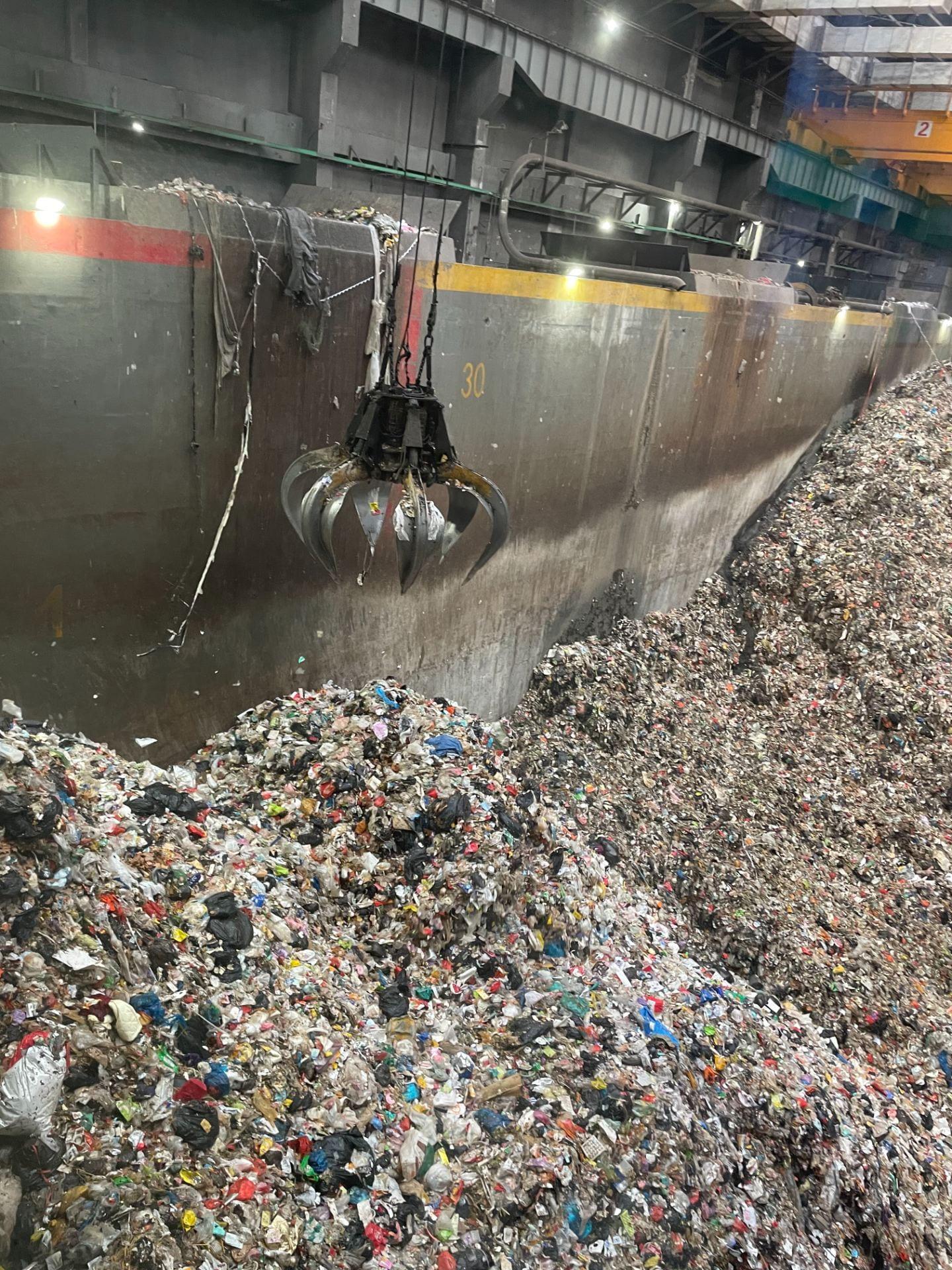
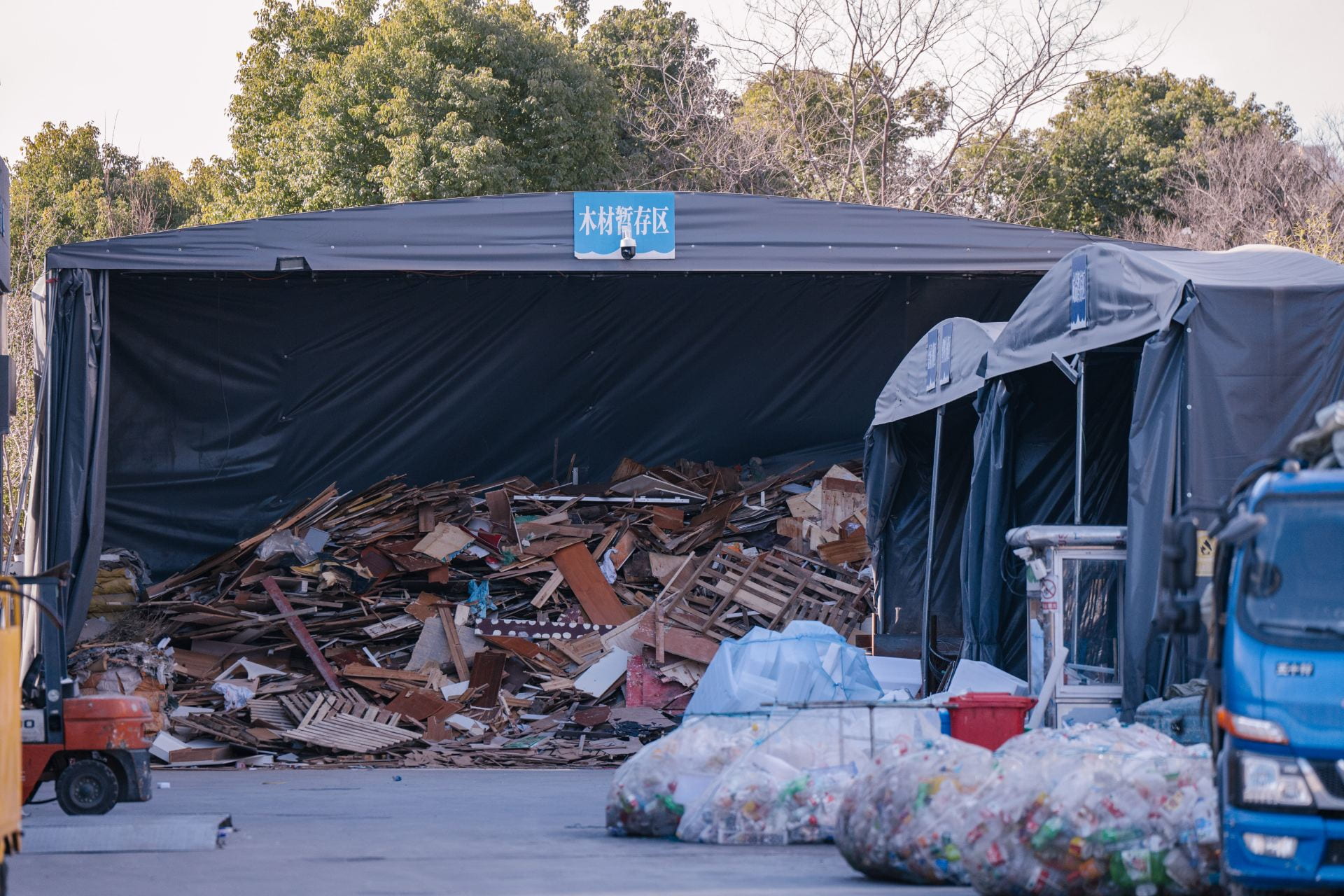
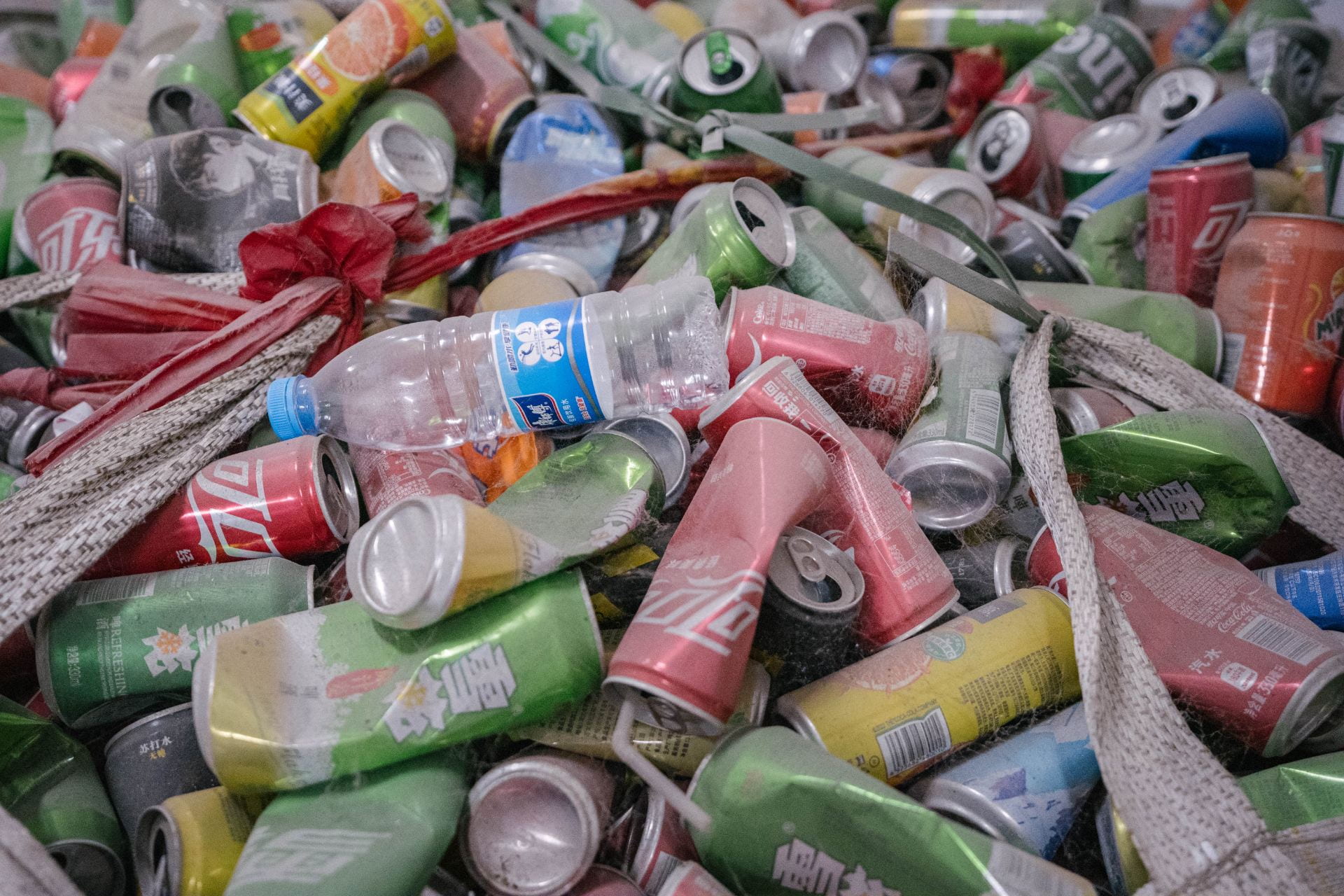
Ms. Shemo showed the children her snack bag. It was made of plastic.
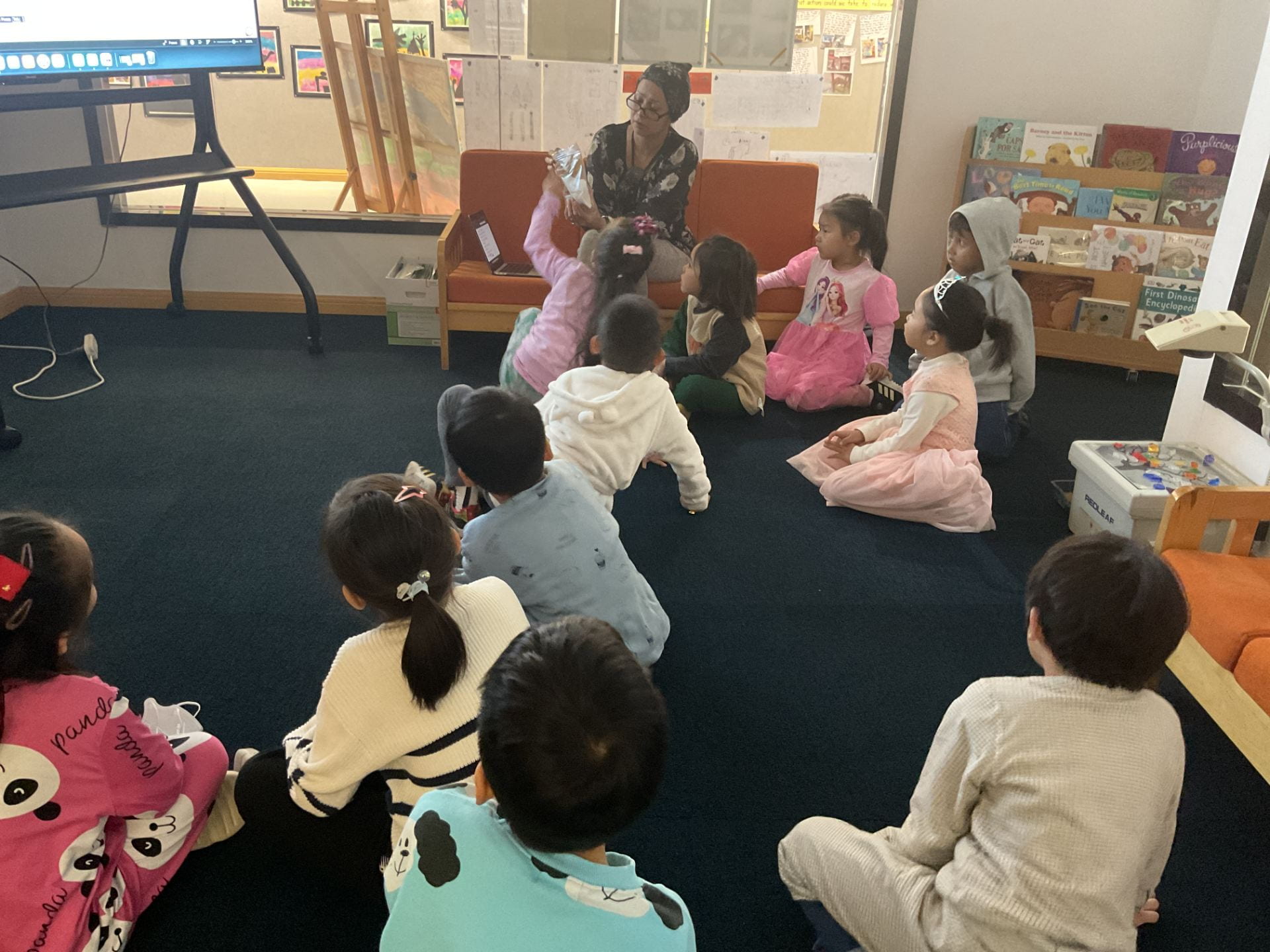
Ms. Hannah “Do you notice any trash waste around you at home?”
We wonder about the action the children will take in response to Patrick’s presentation on the importance of recycling.
We have been exploring the concept of ‘waste’ in many different situations around the classroom. We have been thinking about and taking action to solve some of the problems we have noticed with food and paper waste. We decided to gather the children to discuss yet another issue to do with food waste during lunchtime.

We began by trying to identify the problem.
The children agreed that the leftover milk was going to waste. We began to look for ways we could solve this problem.
What are the things we can do?
We discussed this idea further and invited the children to think of possible solutions to the problem.
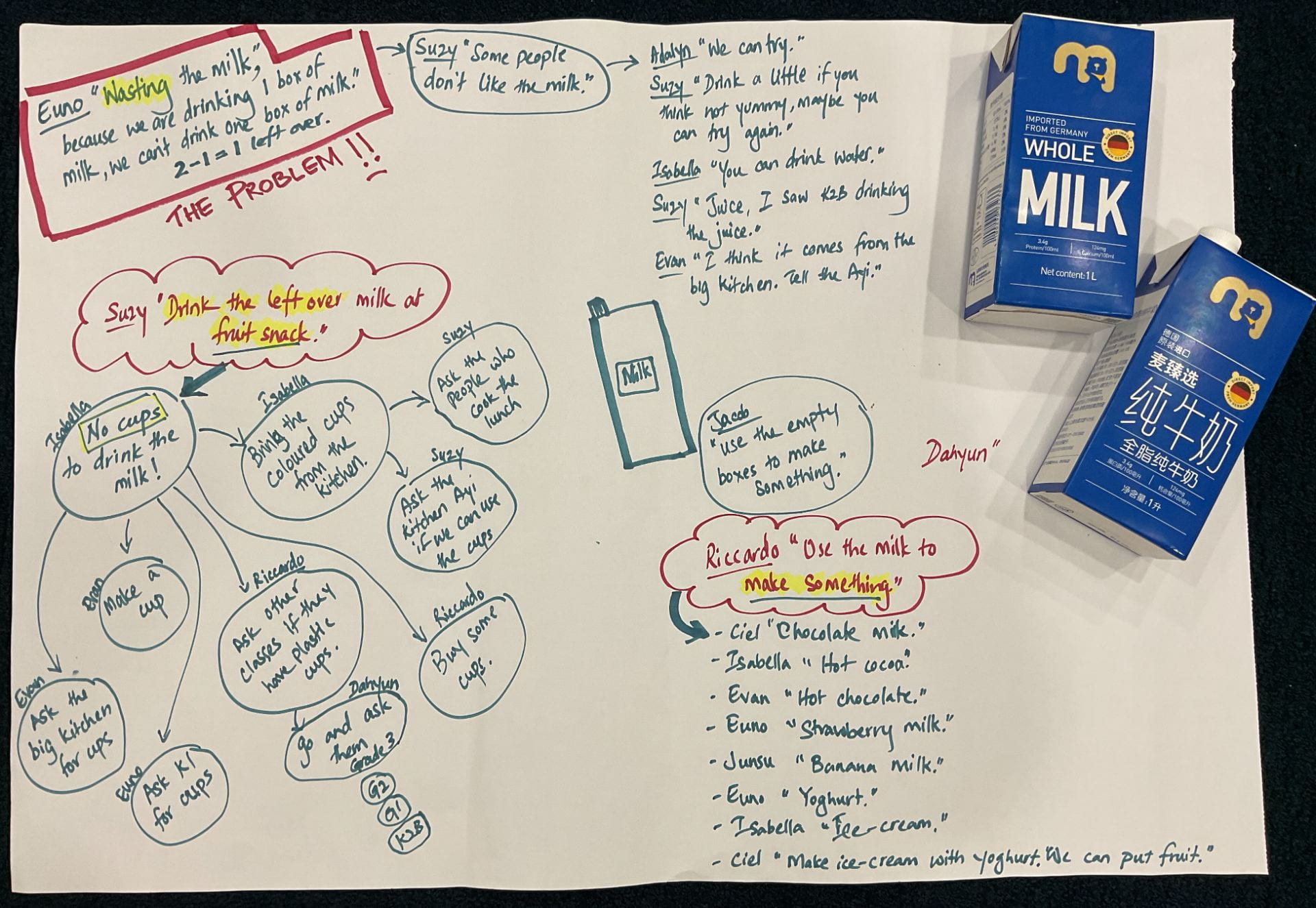 What if we don’t like the milk?
Ricardo provided another suggestion…
 As we listened to the children’s creative ideas and solutions, we noticed their developing understanding of the choices we can make to reduce waste. We look forward to exploring some of these suggestions, to create an action plan for their next steps.
A team were tasked with calculating how many cupcakes they needed to make for the NIS community that did not receive the birthday cupcakes.
 The children went back to the list to see how they could solve the problem. Paper, pens and manipulatives were available as resources.


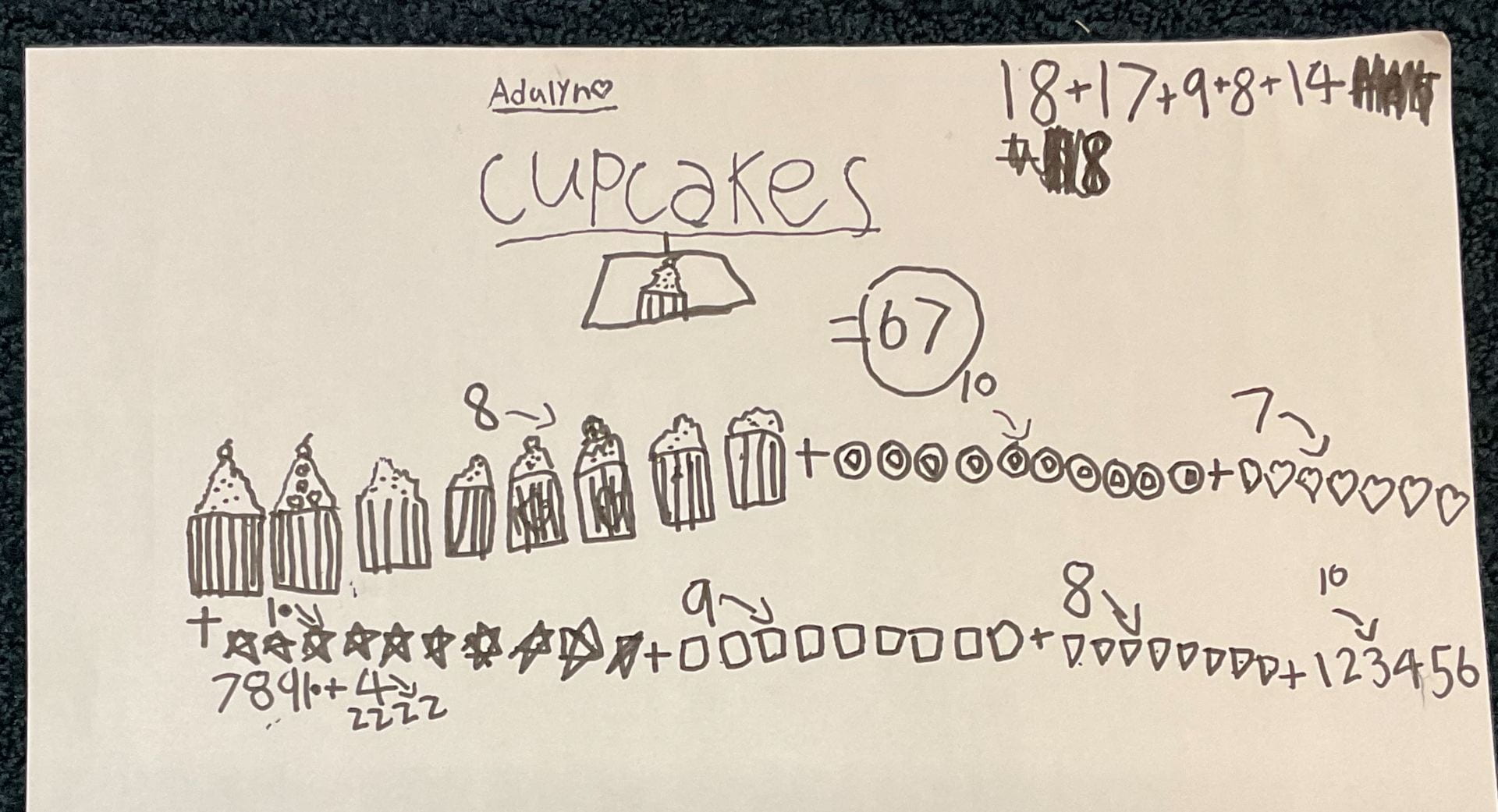


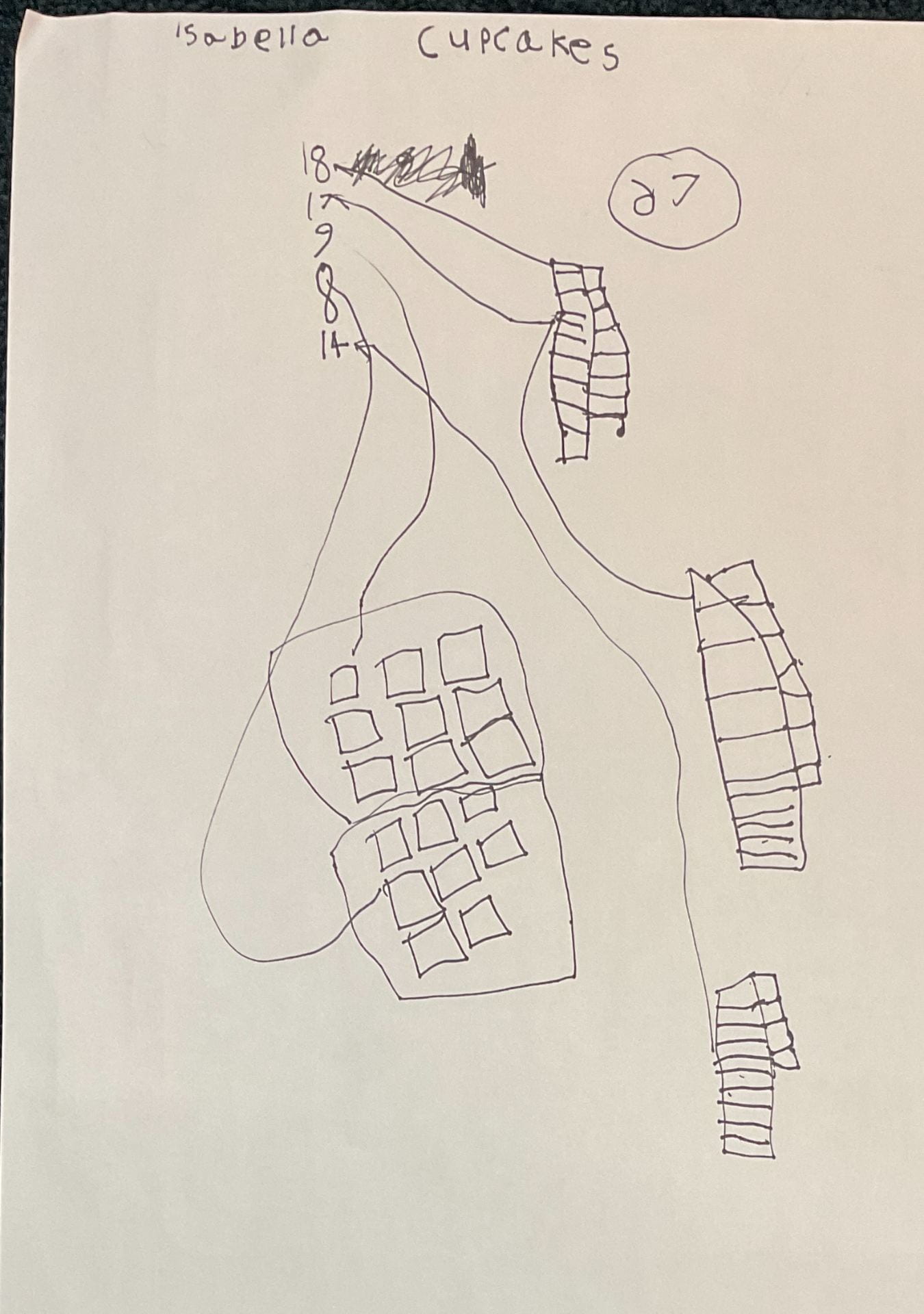

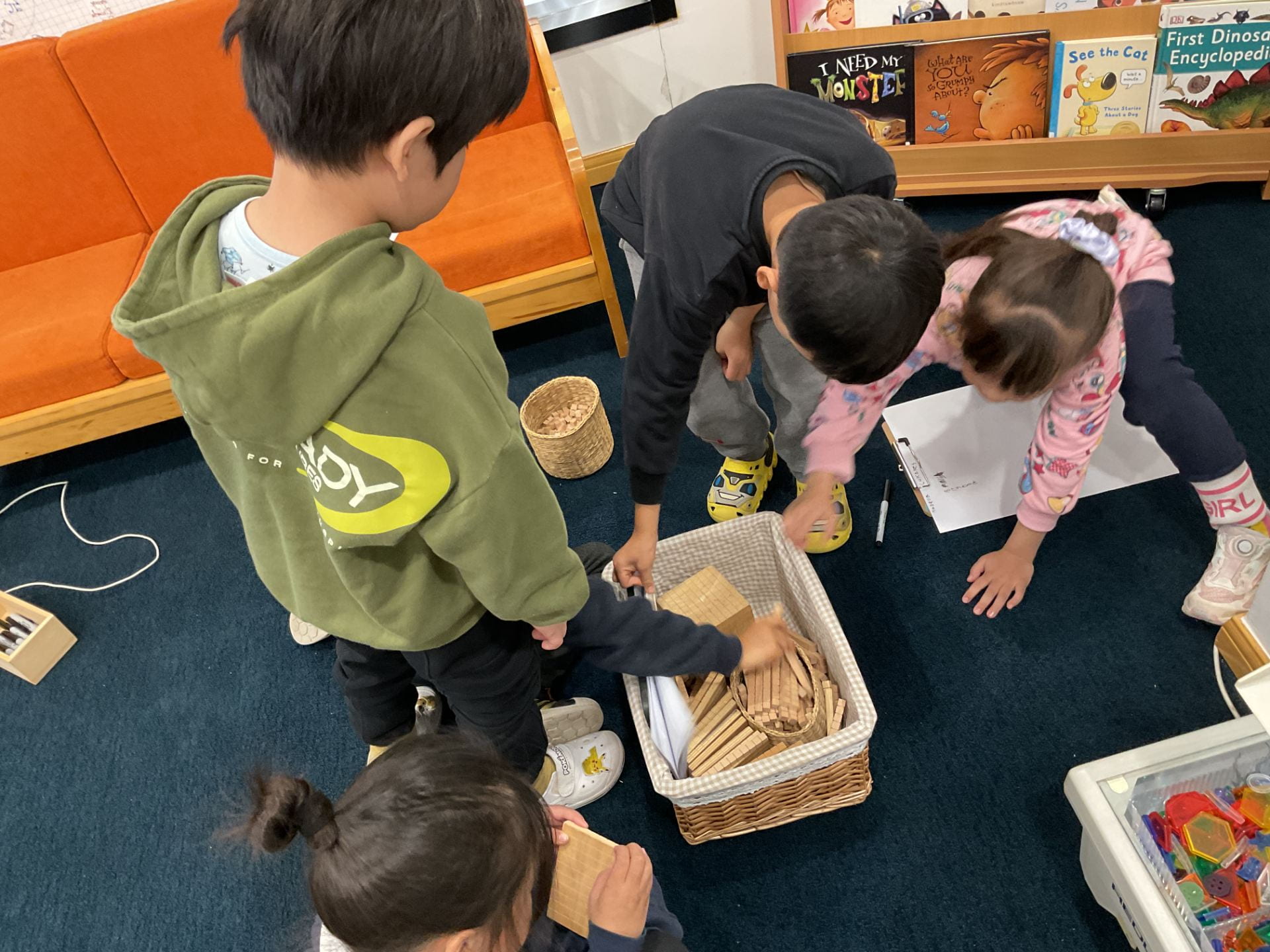


Further to the children’s suggestion, we decided to use the virtual Base 10 blocks to discuss and solve the problem together. The children helped colour and count the different addends to find the total.

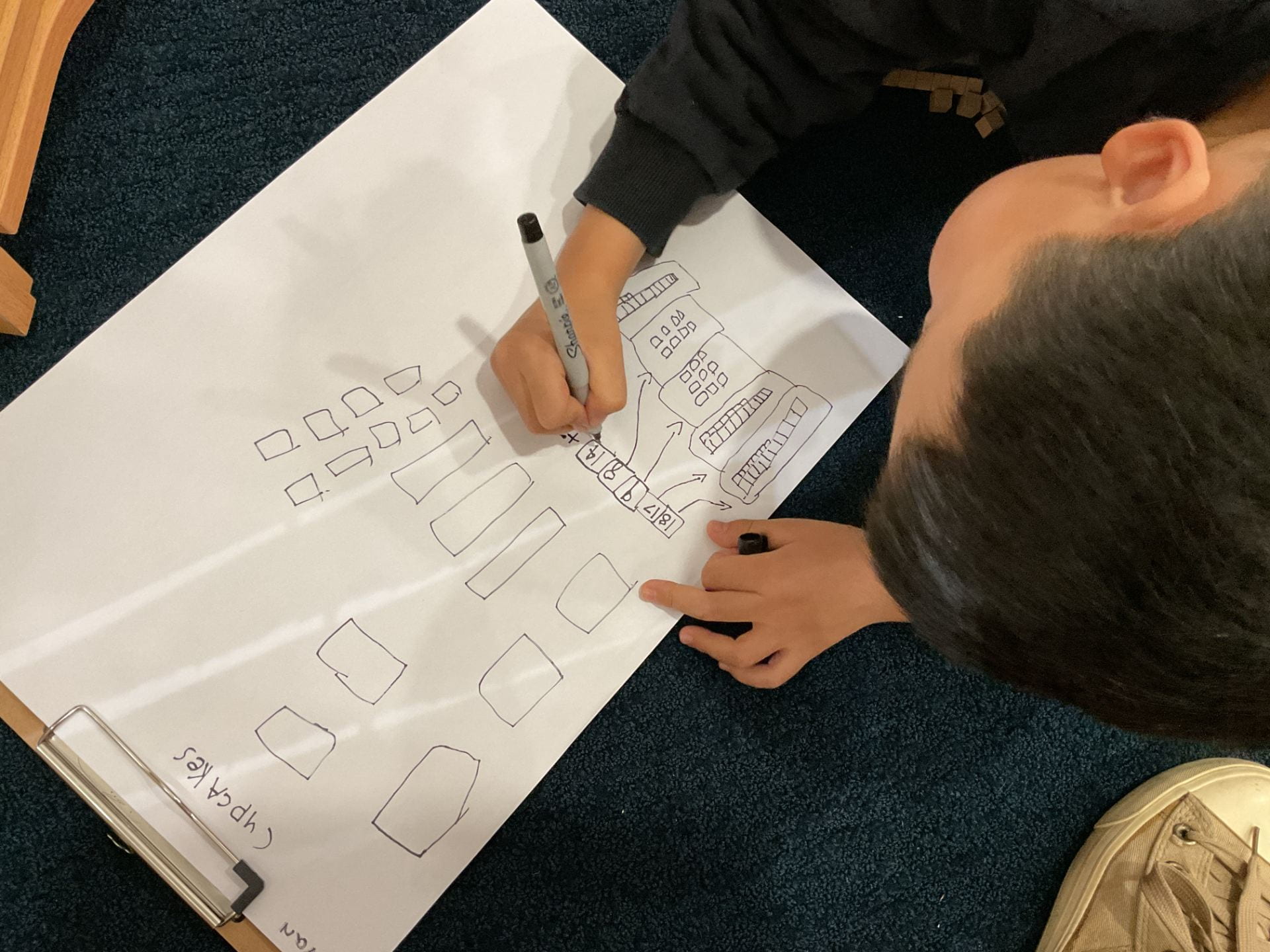
The cupcake problem helped the children explore the different strategies we can use to solve number problems. Making their thinking visible through their drawings helped them communicate their ideas with each other.

Additionally, the children explored the relationship between their drawings and manipulatives and their function in solving mathematical problems.
The Birthday Cupcake team met with Ms. Hannah to plan their next steps. One of the first steps was to find out how many people at NIS don’t get the PTA cupcakes.

Ms. Hannah showed the children the list of the outside contracted workers at NIS, which was shared by the Human Resources department at NIS> Collectively, there are 18 security guards, 17 cleaners, 9 gardeners, 8 Homecaught workers, and 14 Aden workers at NIS.
These members do not receive a Birthday cupcake from the NIS PTA, as they are outsourced contracted staff. However, they get different types of birthday celebrations. The children thought it would be great for them also to get the PTA cupcakes and wondered how they could make this happen.
The team wondered who they could ask.
They wondered how much money they needed for a cupcake.
The children presented their proposals to the rest of the K2A. They had some questions to solve before the field trip to the Skyways Bakery:
 The PTA Birthday cupcakes project invites the children to explore a range of different concepts through the process of research. Their inquiry has focused on the concepts of ‘inclusion’ and ‘community’, as the children have been learning about the people in their community to look for authentic ways to connect with them. As they dive deeper into this project, they will need to apply a range of skills to answer the questions and wonderings they have noted, plan their field trip and organise a special treat for those who do not receive one for their birthday. They will need to find more information about the location of the bakery, and explore maps signs and symbols to make decisions about the journey. They will need to contact relevant members of the community to organise the transportation and plan the field trip. They will need to contact the bakery to find out important information about the visit and plan for the necessary items and the money that would be required for the trip. We look forward to observing how the children apply their knowledge and skills to take responsibility for the preparation and organization of the field trip.
The Cupcake Team and Ms. Hannah shared their presentation and poster with the children in K2A to seek feedback before presenting to the NIS faculty team during the ‘Monday Briefing’ in the Staff Room. Overall, the children thought they presented well because:
The team worked together to prepare for their presentation to the NIS staff. They gathered all the items they needed for the display in the staff room.
They made the decisions together. They presented the poster and the information to the teachers.
We wonder what their next steps would be!
We revisited the bike park project to discuss our next steps. The children were invited to create new signage for the bike park.


A team of volunteers sketched their first ideas on paper. We noticed that some of the children wanted to include drawings, and some of them were keen to use words.


These ideas will be presented to the class to gather feedback.
The team reviewed the information they had gathered about the missing components to decide their next steps. Isabella volunteered to help with the process.
 They decided that an important first step was to measure the missing parts accurately, to order the correct items. The team used what they knew about measurements and measuring tools to begin their work.
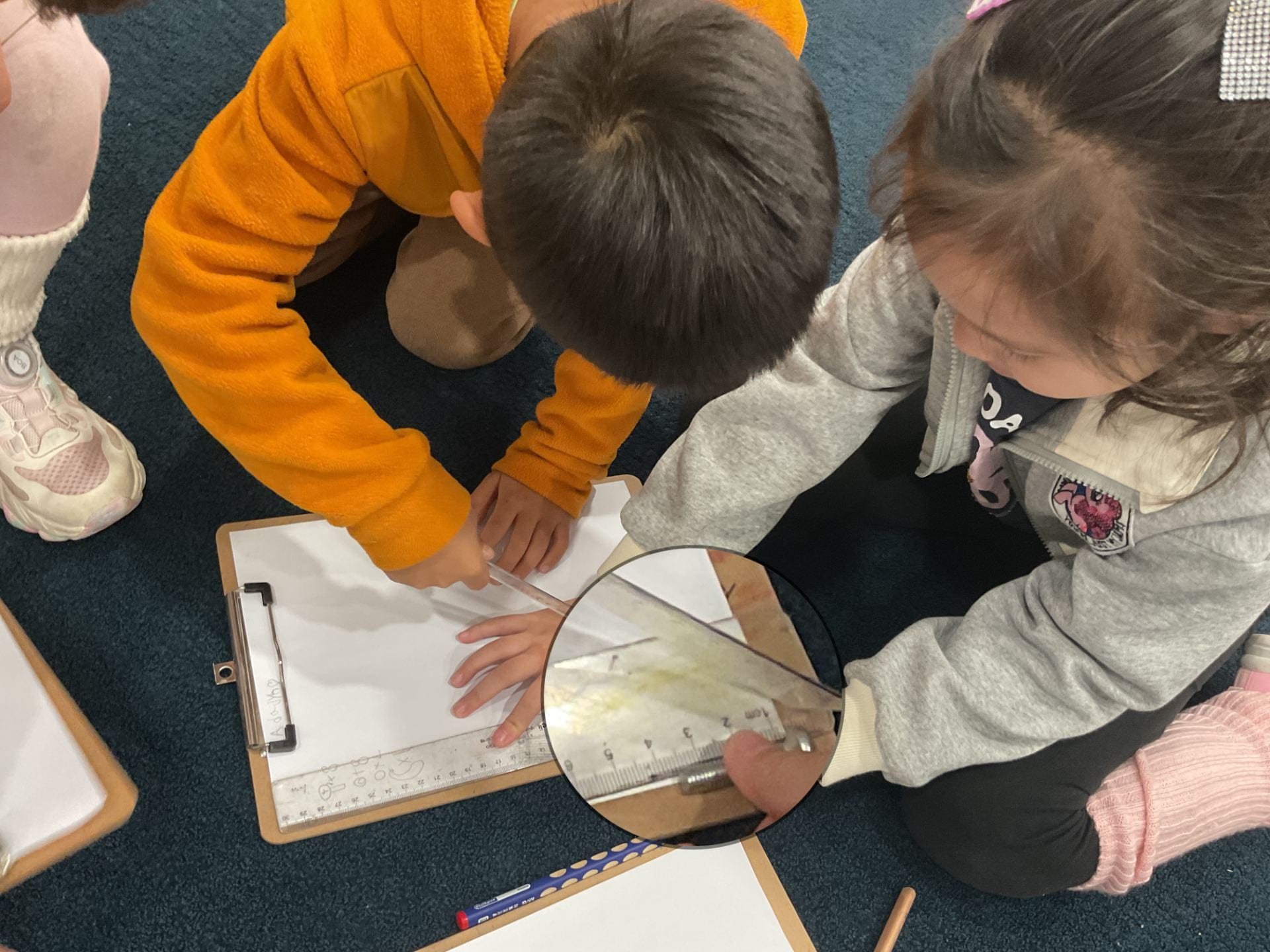
 The team sought Ms. Sophia to discuss the function of the hash marks on the ruler, exploring the connection between millimetres and centimetres. They found that each small space was 0.1cm, and the measurement was 3.6 centimetres.
Evan placed marks on the picture and drew an arrow to the number, to show the purchasing officers which part of the screw they were measuring.
He wrote the unit cms beside it, which lets others know what the number means. Everyone decided to follow Evan’s method to avoid any confusion.

Jacob decided that he wanted to measure the diameter of the nut and placed the ruler on the head of the nut to find the measurement.

Evan and Jacob measured the length of the hook, it was 4.5 cms.

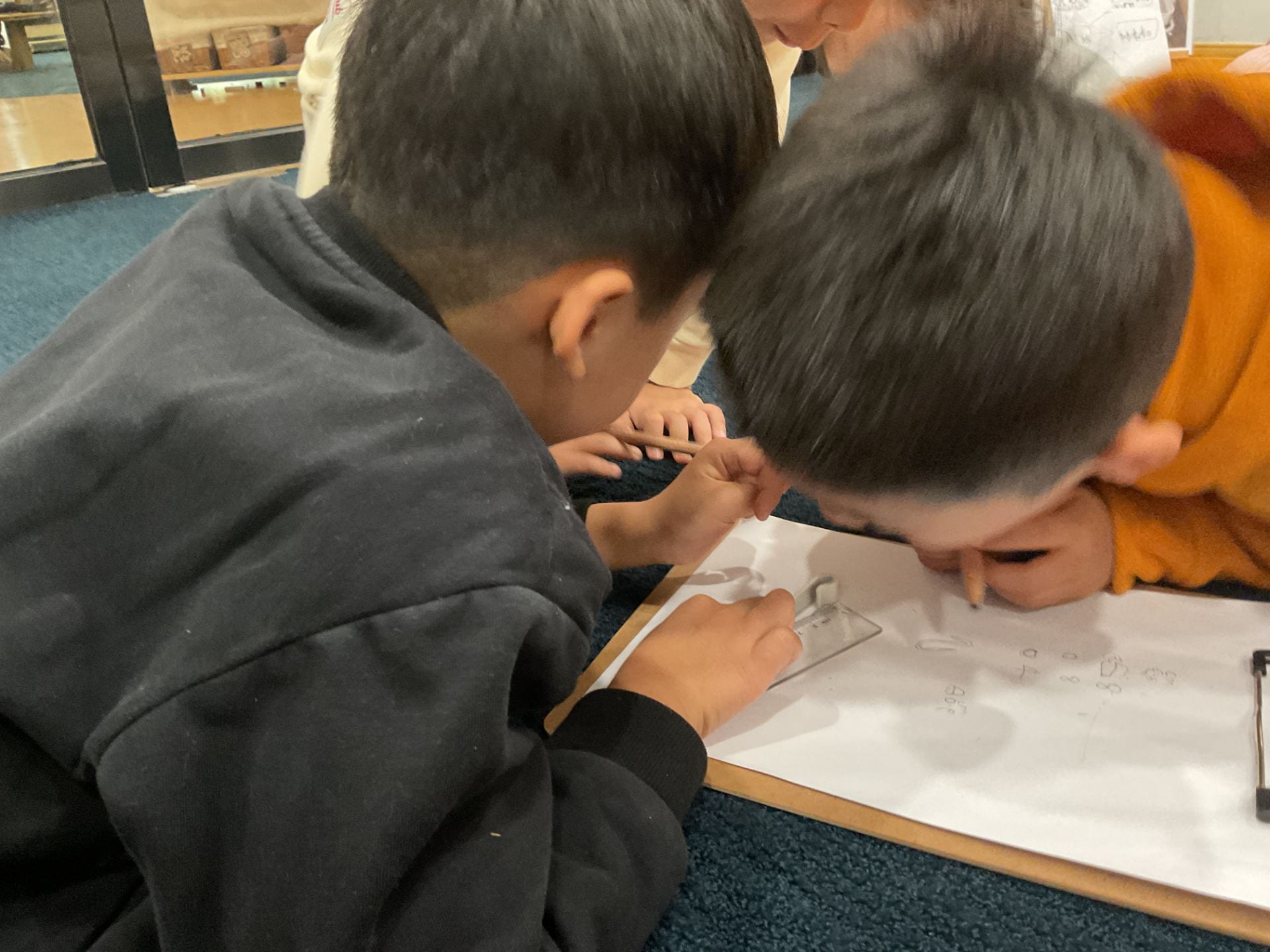

Adalyn thought it was necessary to also measure the width of the hook, “It is 0.9 cm wide!”


After we took a break from the project, Adalyn and Isabella decided to work together to find out how many millimetres there are in 1 cm using a ruler to count all the small lines between the 2 numbers.

They worked as a team to figure out that there are 9 lines between 2 numbers on the ruler, and if they add the two long lines right under the two numbers, there are 11 lines.


Isabella “So how many millimetres are there in 1 cm? 9 or 11?
Isabella was curious about the recycled paper in the classroom. She wanted to see if the paper could be reused. Isabella wondered if the marks, drawings, and lines would disappear if she soaked the paper in water. She decided to test her theories by finding a large glass bottle to place the paper in water and observing what happened over a few days.


She made a sign to inform others about her paper experiment and documented her observations over time.
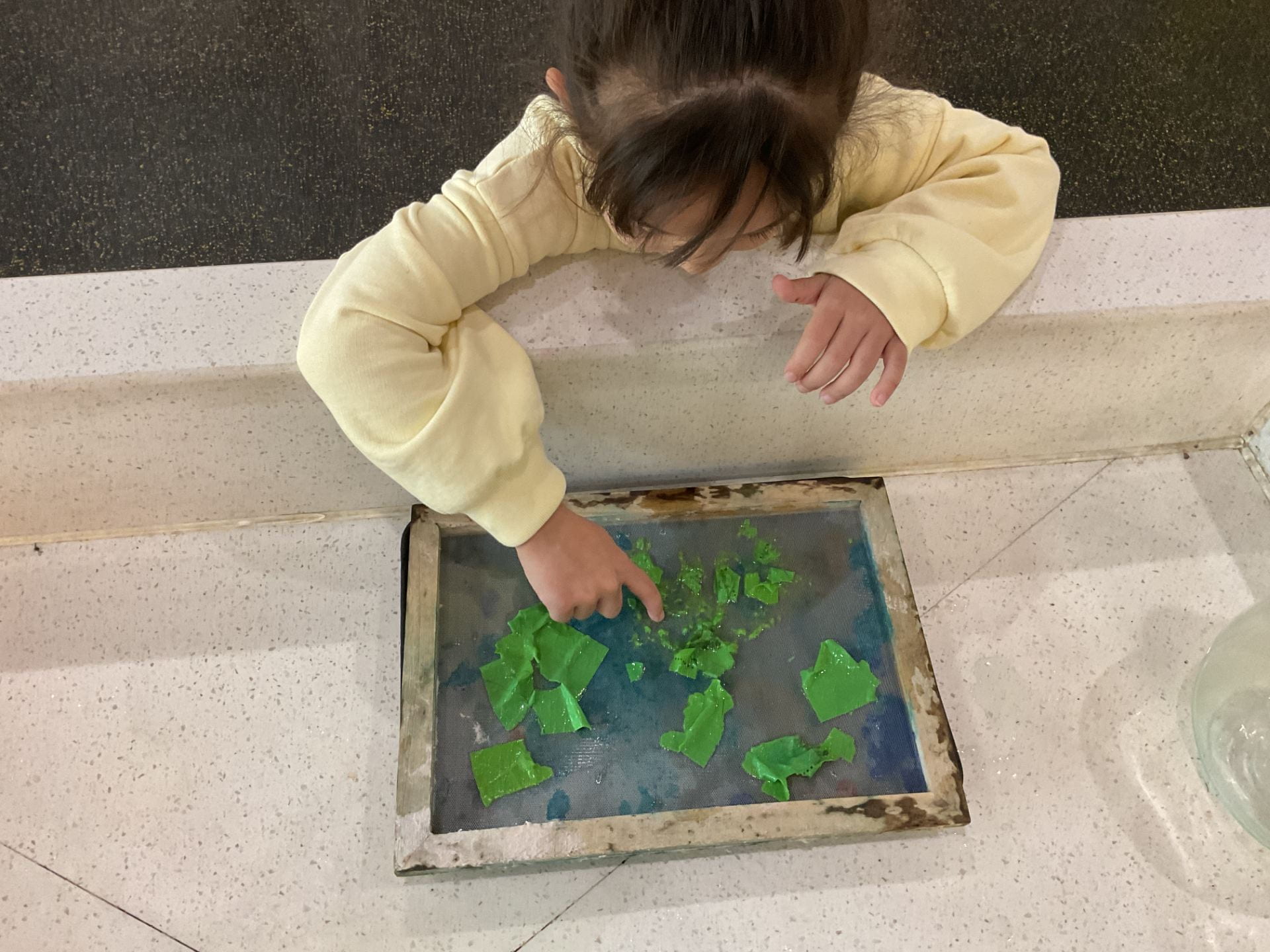
Isabella noticed that the water began to change colour and the texture of the paper changed from dry to wet to ‘mushy’. Finally, she placed the pieces of paper on a drying rack and presented her findings to the class.
 The children were inspired by Isabella’s experiment and decided to make their own paper. We began by creating a plan, documenting all the steps that might be essential in the process.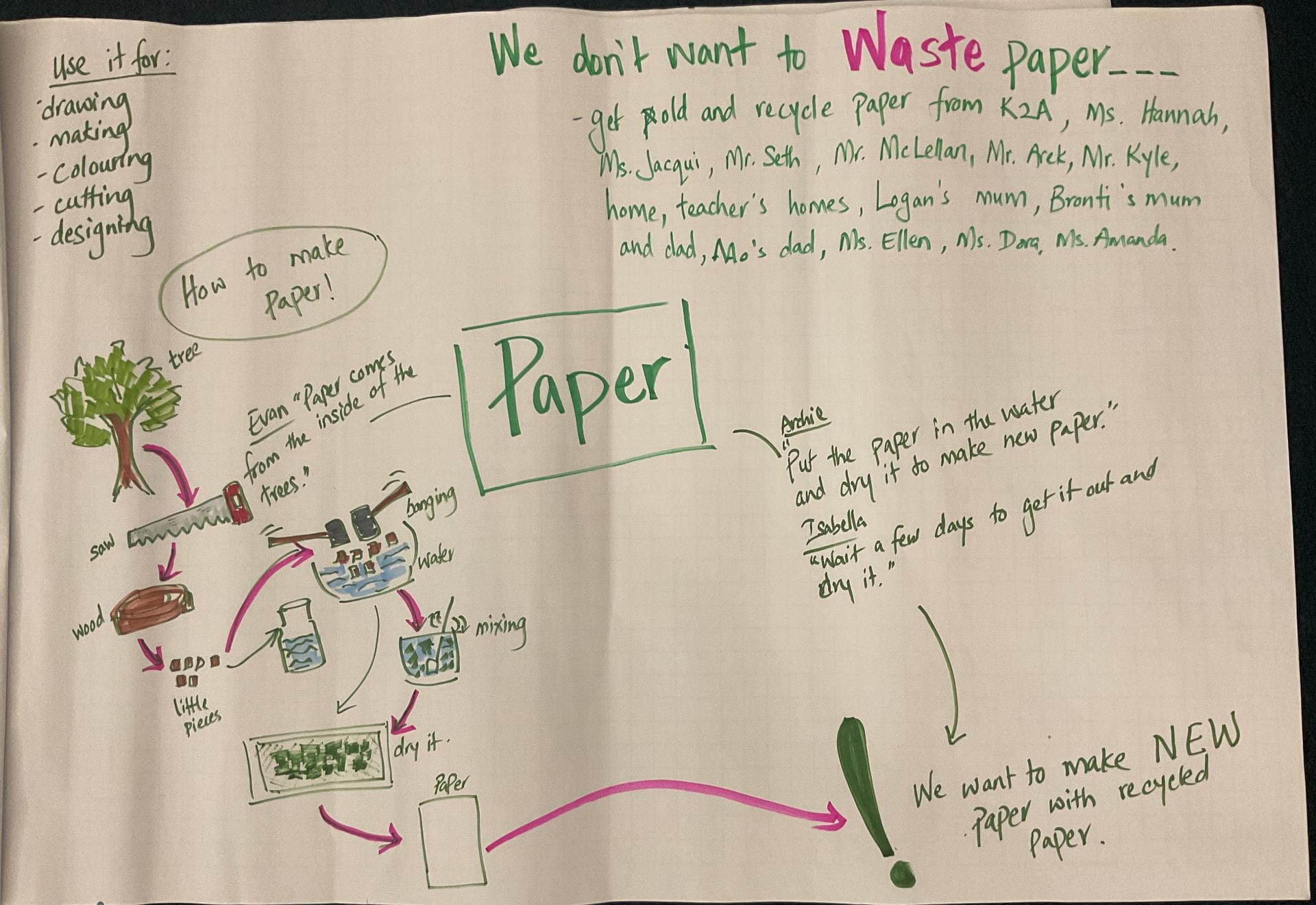
As we drew and wrote what we heard the children say. We included images and labels to help us express our ideas clearly. The children volunteered to lead different parts of the process, beginning with informing others of their plan for paper-making and collecting recycled paper from the community.
Our discussions about ‘food waste’ led to the children sharing all the foods they like to eat from their school lunch menu. They drew pictures of the different foods and included labels to share their ideas.

Then, we gathered to sort and organise the information we had collected.
We began to sort and group the different foods. The children discussed the data that emerged through this process. Rice, hot dogs and pizza were some of the children’s favourite foods.
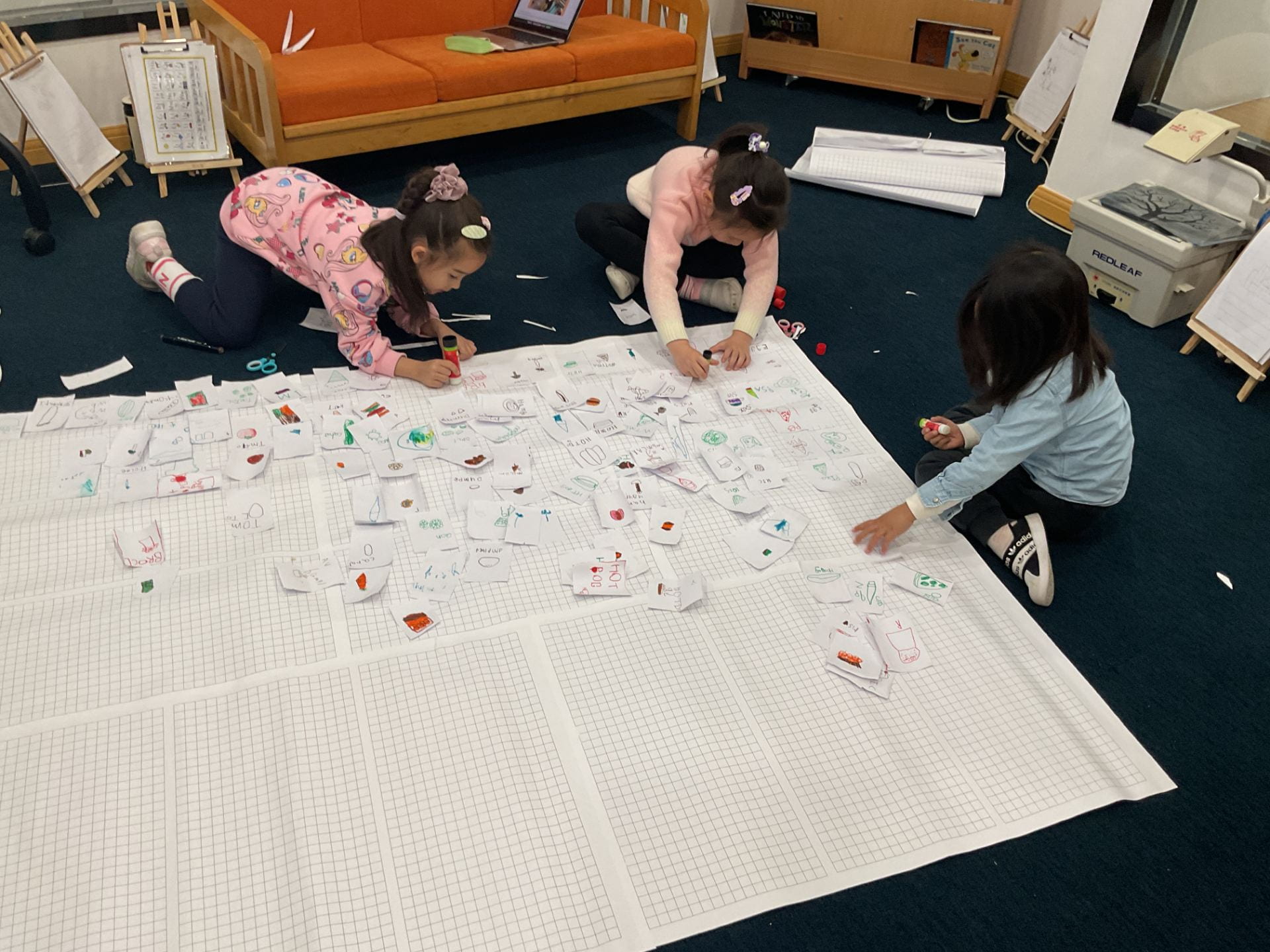
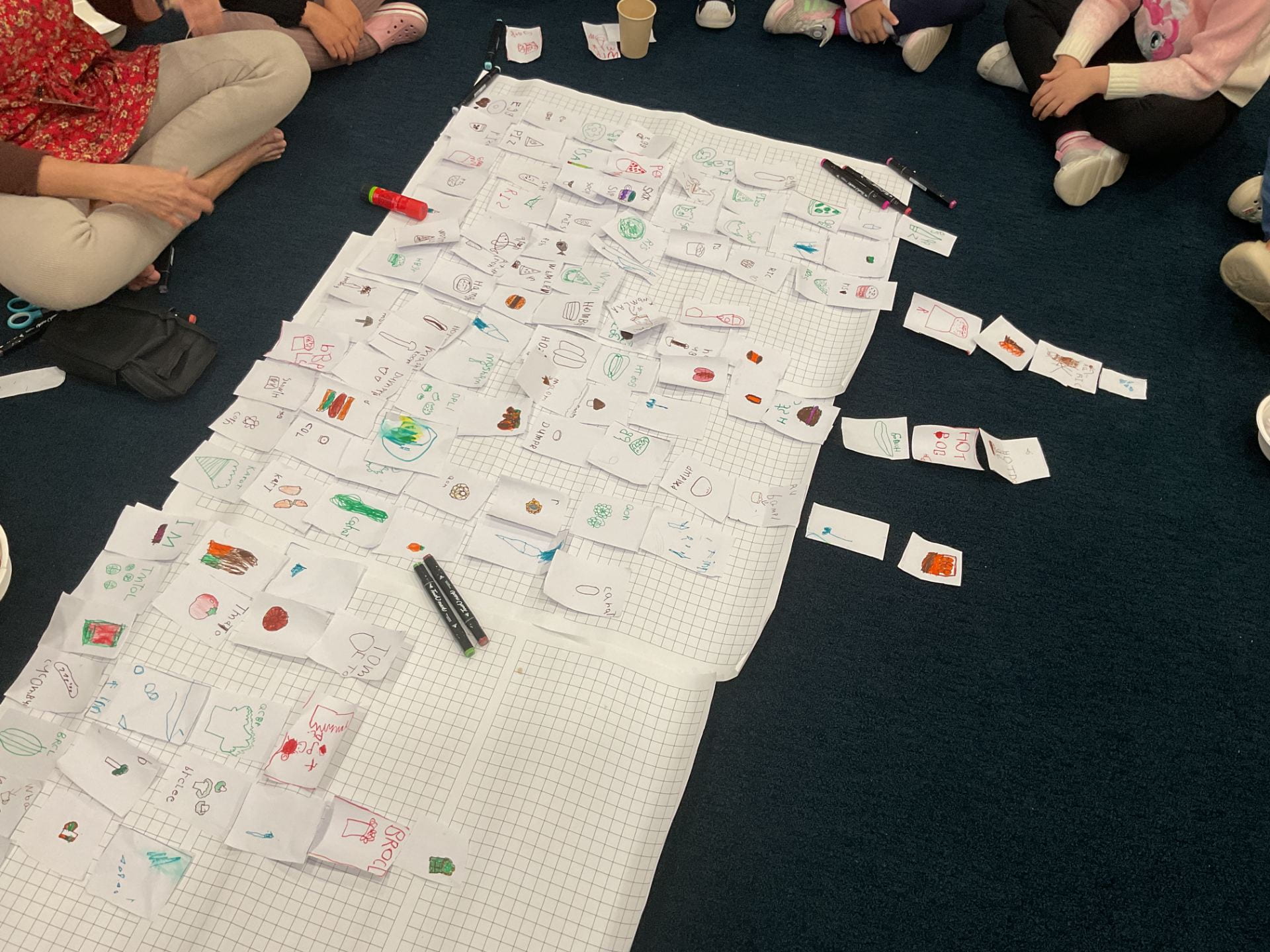
How can we tell how many people like each type of food?
The children included numbers on one side of the graph.
How can we tell which foods are in one column?

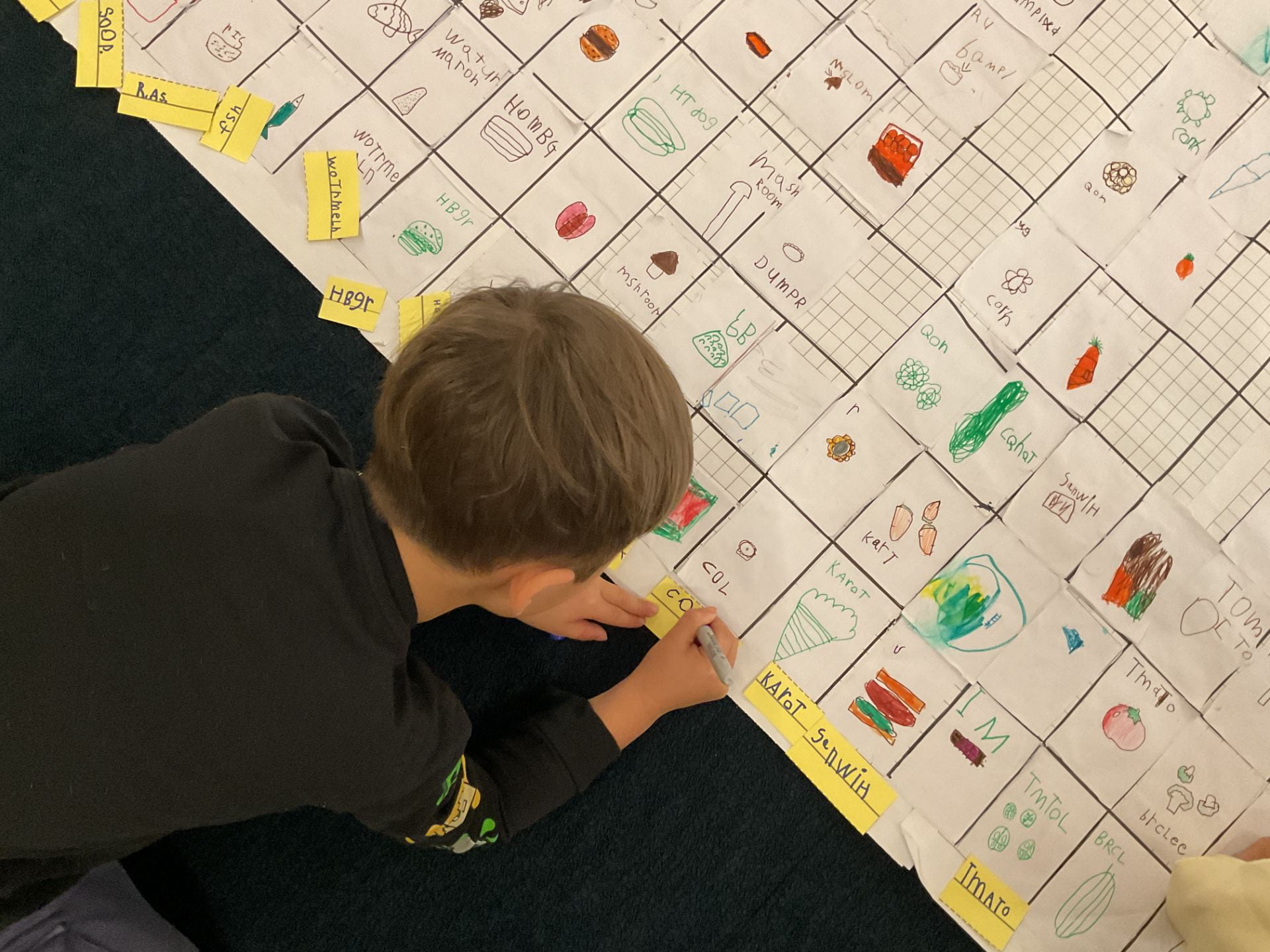
We decided to add the names as Riccardo suggested.
The children discussed the idea of a title, to let people know what the graph was about. They agreed that it was ‘What K2A Like to Eat’.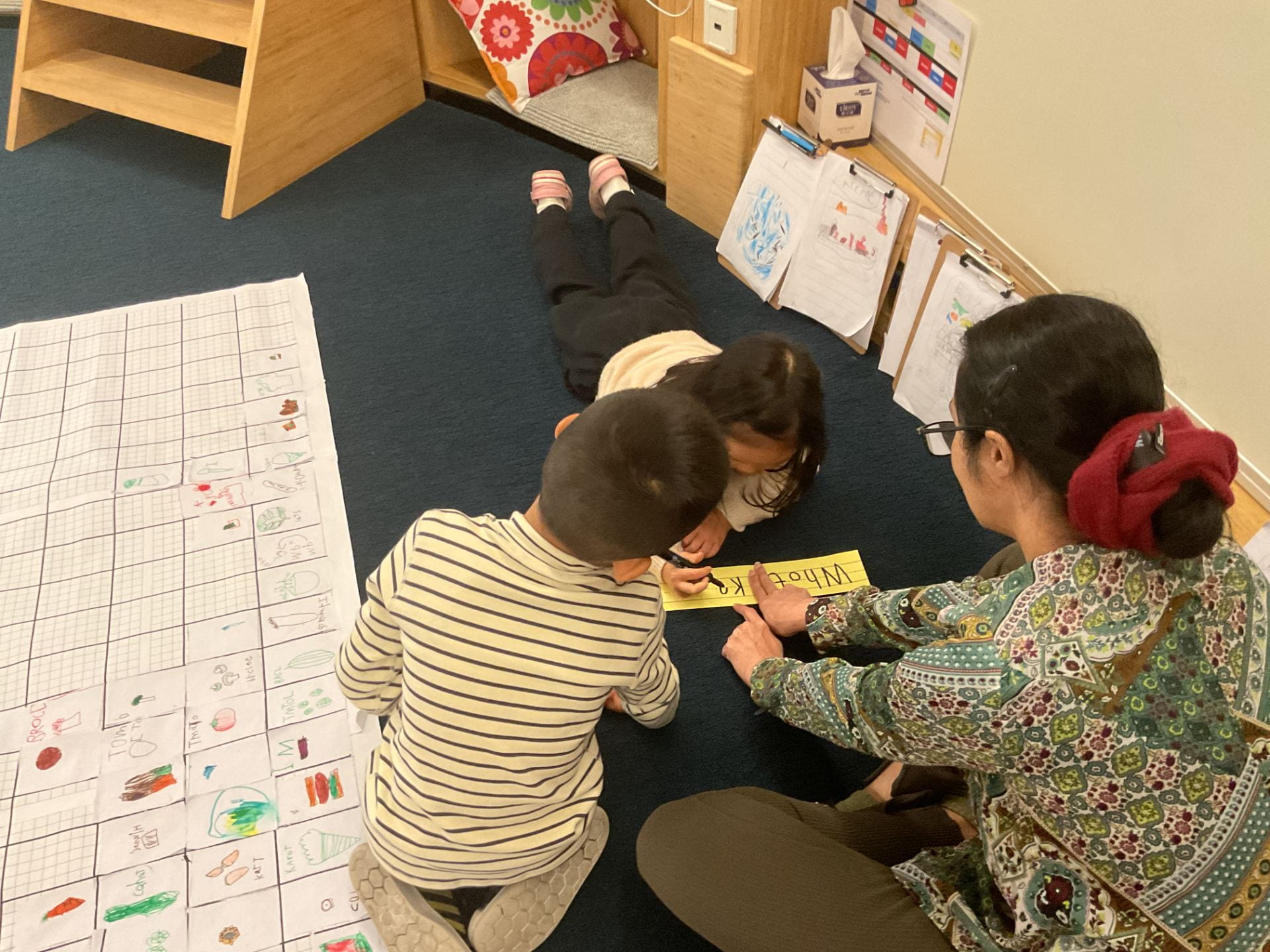

We wonder what choices the children might make because of their data collection.
How will they use the information to guide their next steps to reduce food waste?
We have been discussing the concept of waste, thinking critically about the choices we can make to reduce food waste. A photograph of the food waste in K2 during lunchtime led to many discussions about choices and our responsibility to reduce waste.
The children wondered how much food waste we had at lunchtime. We decided to collect the leftovers from the lunch boxes to find out.
 How do we know how much food there is in the box?
We decided to read a book about measurement to help the children think about the tools we use to measure ingredients and food. Having seen the images in the book, we decided to weigh the leftover food. Mr. Arek told us there were scales in the cafeteria for this purpose. A team went over to the cafeteria to see if they could weigh the box of leftovers.
 They learned that the box was 1111 grams. When we returned to the classroom the children used a scale Mr. Seth had in his classroom to see if it recorded a similar weight. They also tried weighing the box of food using a bathroom scale.

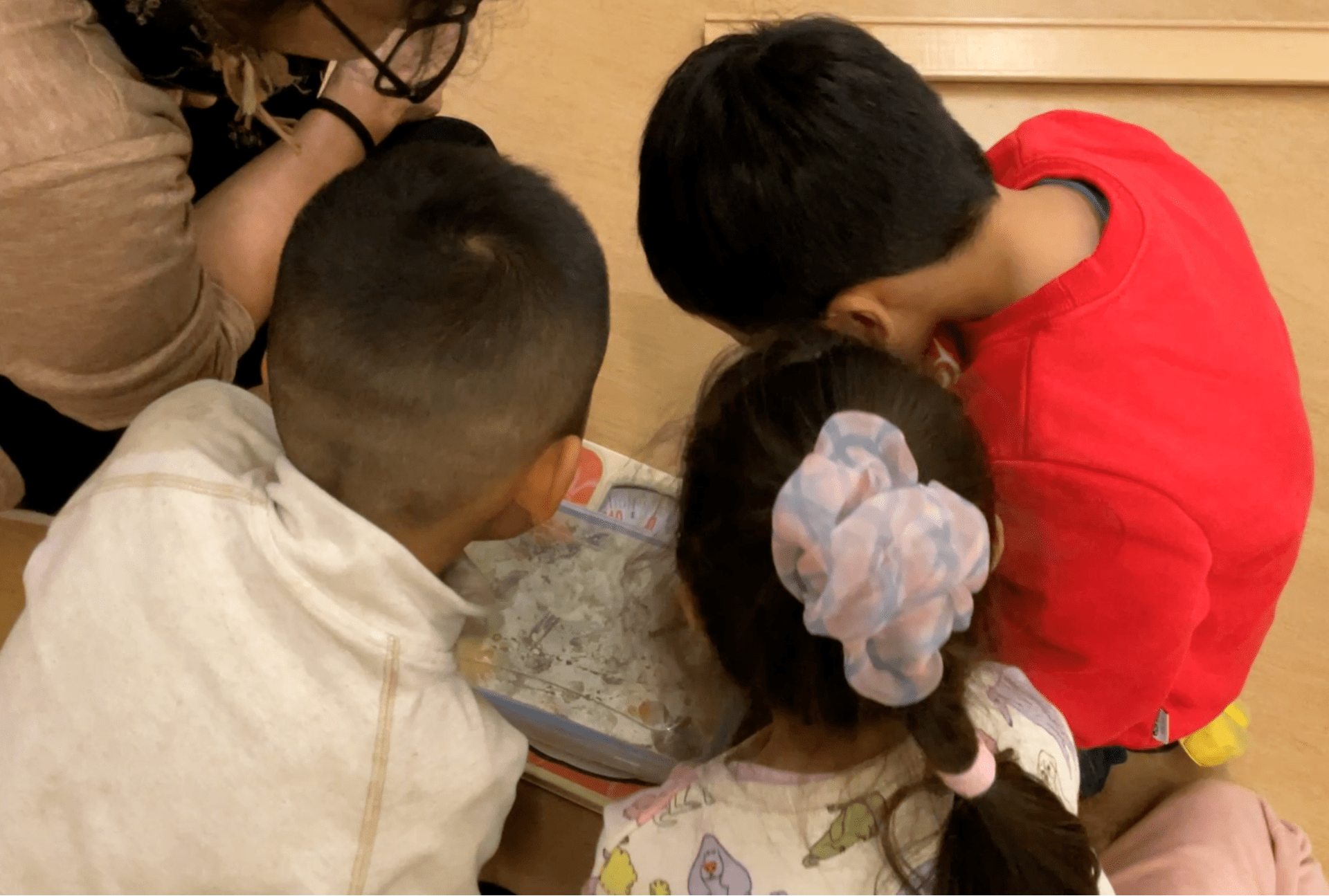
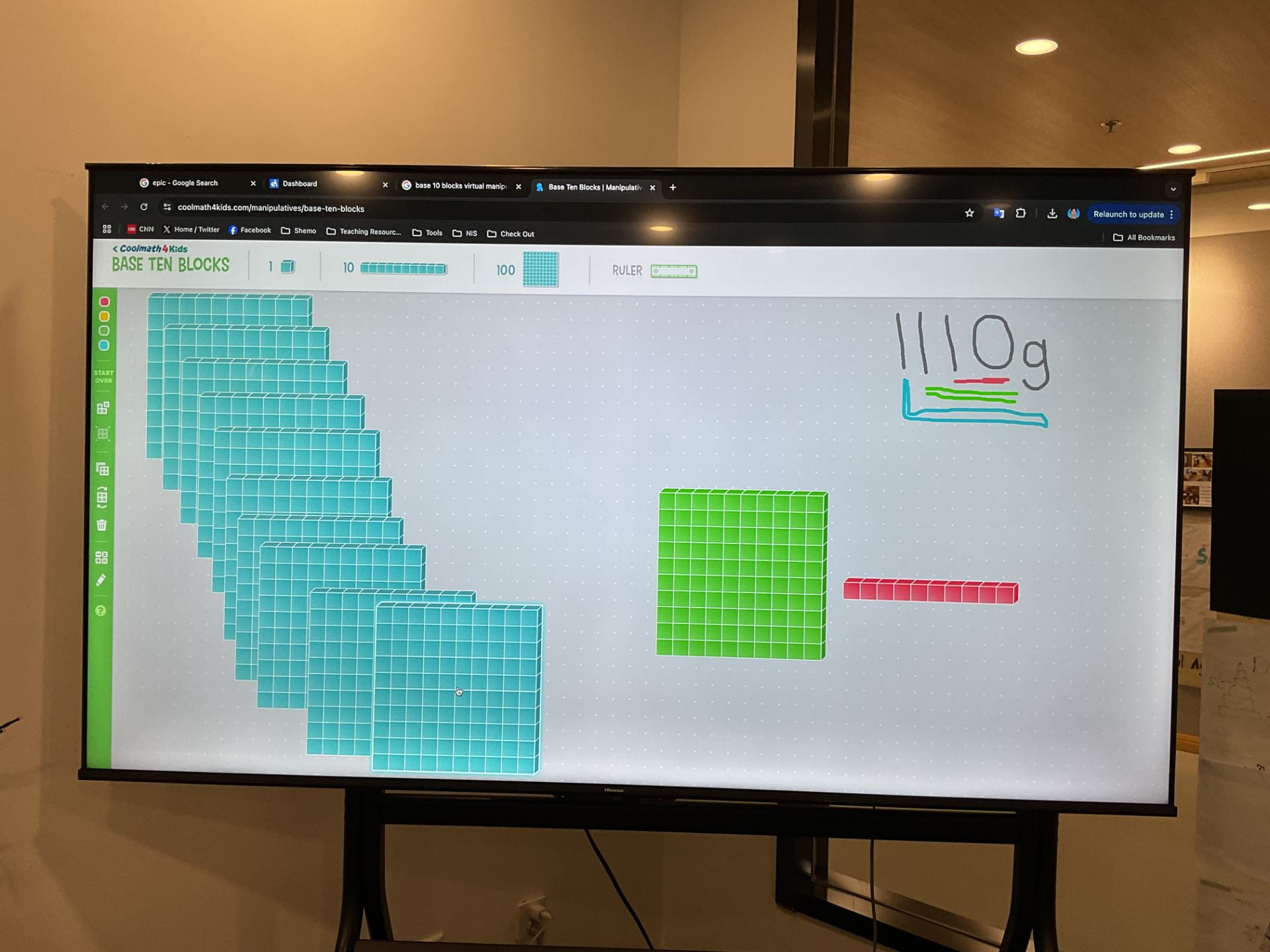
Children were unsure about the number that was recorded on all the different scales. On day one we had 1110g of food waste. We decided to use manipulatives and virtual tools to talk about big numbers.

Reflecting on the waste we had collected, the children decided to make an effort to reduce the waste by:
On the second day, we weighed the leftovers to see if there was a difference. This time the scale recorded the weight of 534 grams.

Was the food waste more or less than on day one?
We used the base 10 blocks to see what these two numbers looked like. We talked about regrouping the hundreds to make a 1000 when showing the number 1110 grams. We used the words more and less to describe the two lots of manipulatives.

Having seen that the second day’s waste was less than the first, we decided to explore some other ideas to reduce food waste. We discussed the different foods that were offered as options in the children’s school lunch box.
Which of these foods were their favourite which ones did they dislike eating and why?
The children drew and wrote to share all their favourite school lunch options.


We wonder how we might organise the data that we collect about the school lunch.


 The Grade 4 students returned with the used pens and tools to show their K2 friends how to reuse the coloured markers. They set up their station and shared the process.
Archie “They said they’re gonna put the ink in and then they’re gonna cut it and then put that in and they can give it back to us. If the pen is not working then put it in the box. Then, they can fix it. It will take so long. And then they are gonna put the pencils in the water and then when they’re done that they they can give it back to us. If a pencil can not work or crayon then we don’t want to waste it. We don’t know what to do if the pencil or crayon is not OK. We don’t know what to do and then can we call them and ask them what to do with the crayons as well.”


Suzy “They take the pen and then fill it up with water, because then they will work again.”

Riccardo “We want to use the pen to do something, Grade 4 buddies want to do something with the pen and they talk with us and then they go and bring a if they are not good we put in the basket. Then, they have water and then put it in. Some is easy to take off and some is not easy.”
Archie talked about recycling pieces of used crayons and leftover coloured pencils. We wonder if the children might explore this further.
We have been talking about waste and recycling.
Jacob shared what he had learned about sorting and recycling and Archie shared photographs of food waste at home.
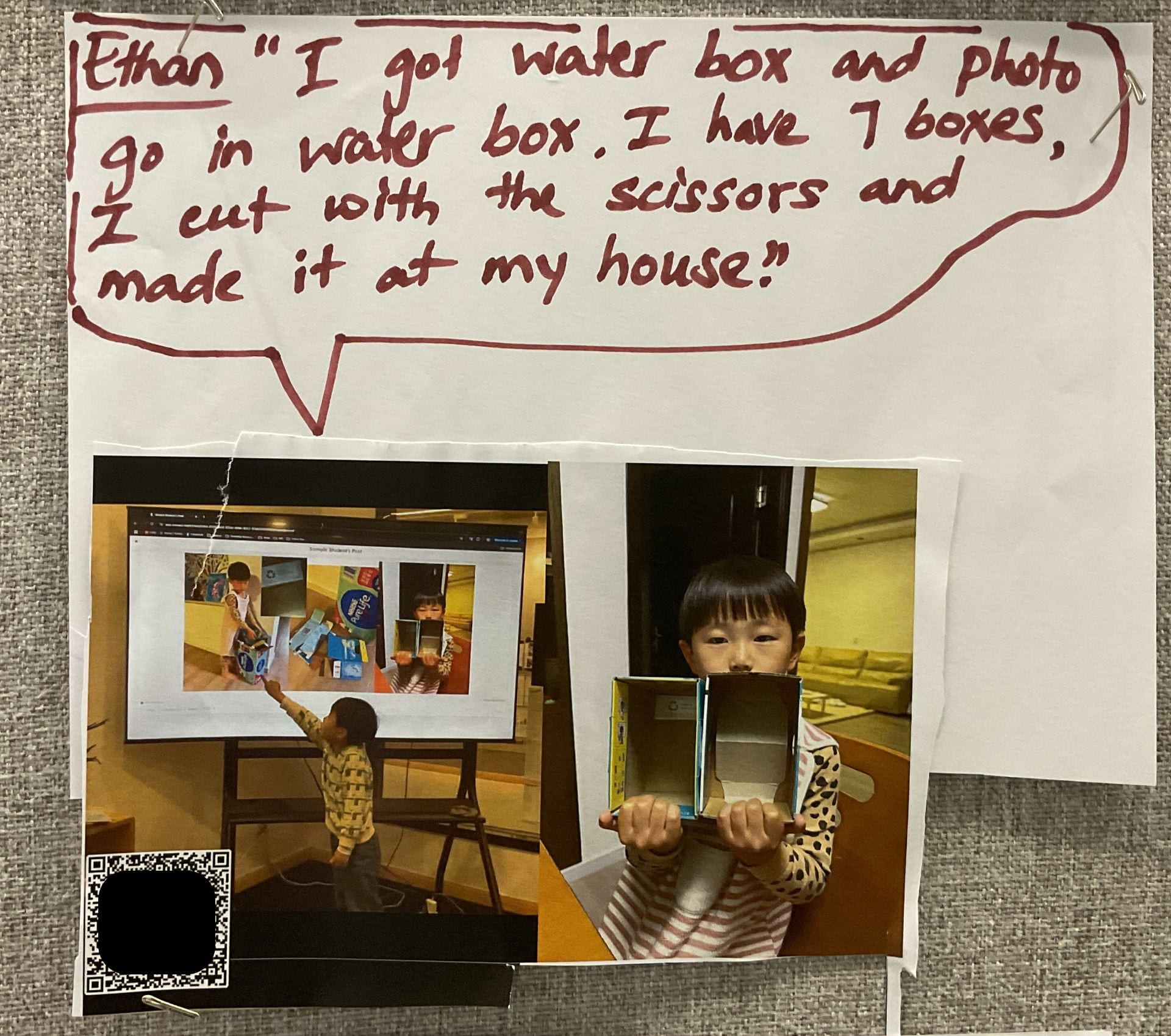
Isabella and Ethan had decided to repurpose the boxes they had at home. Isabella used the boxes to make a home for the cats in her compound to keep them warm during the winter. Ethan used his boxes to store objects.


The children recalled seeing similar waste bins around the school. A small group walked around the campus looking for and documenting the different locations the bins were at.

These conversations helped us think more about what ‘WE’ might want to do about the things we waste at school.
Paper and Card Waste:
Snack Fruit and Vegetable Waste:
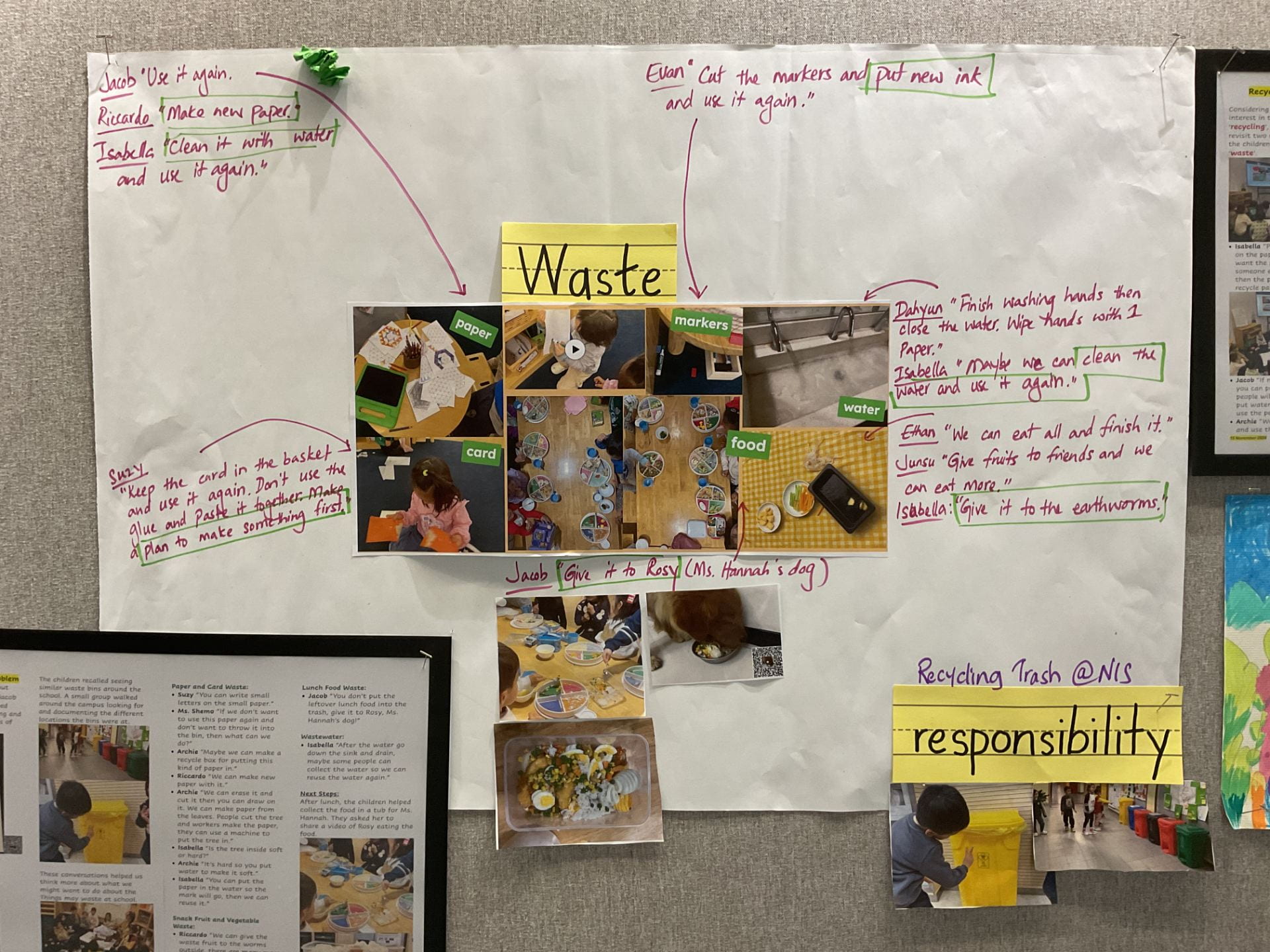
Lunch Food Waste:
(We asked the children to consider other possible solutions to the problem.)
Wastewater:
Next Steps:
Our brainstorm highlighted many different ways we can take action to solve some of the issues we found with waste.
Ms. Shemo “What can we do with the fruits and vegetables we remain at school?
 The children decided to take the fruit and vegetable snacks to Ms. Hannah to ask her for some advice.
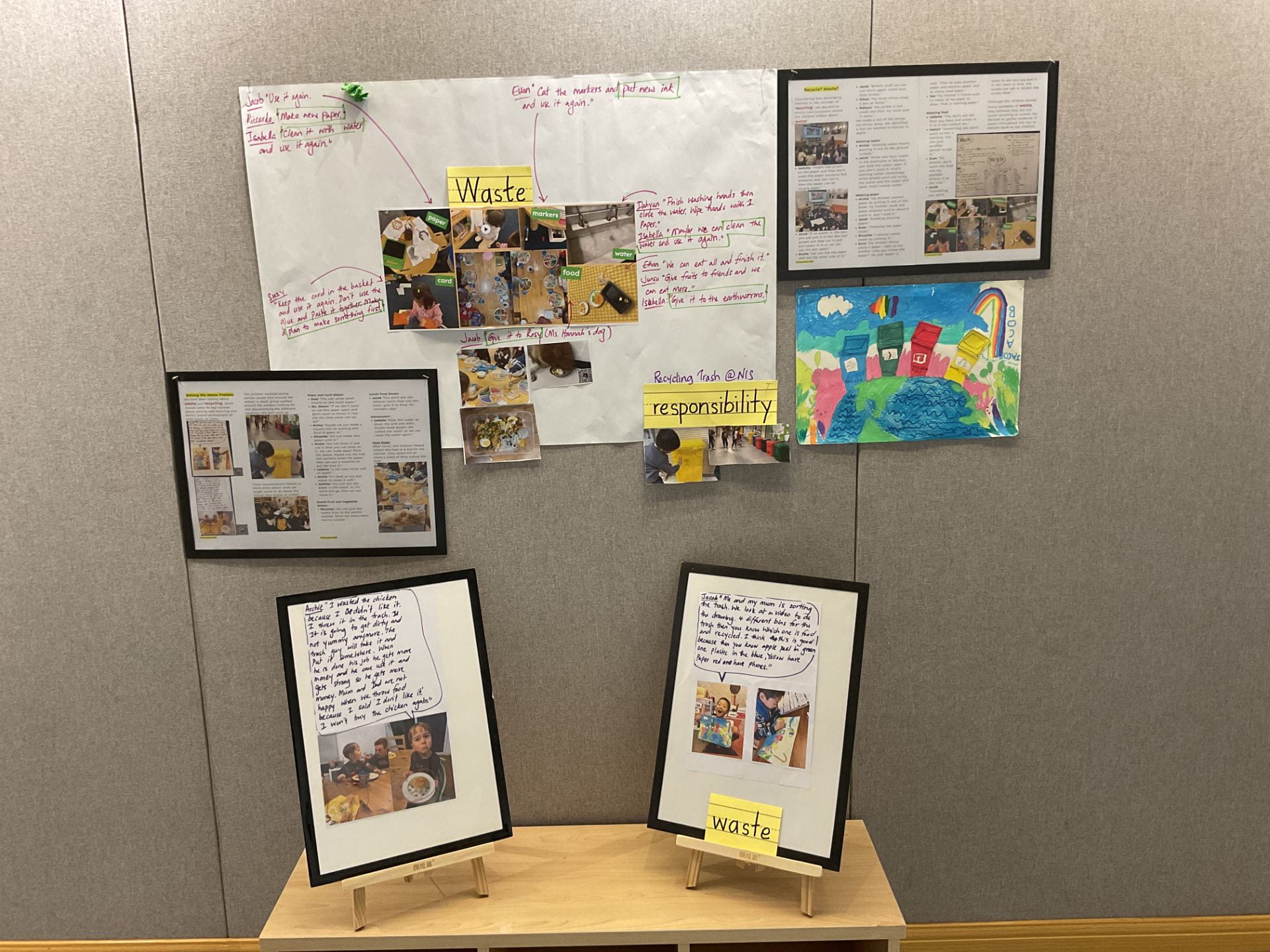
Over the next few days, the children will work in small groups to explore some of their theories about paper and seek more information about wastewater and composting at school.
Story #1 – Why should we use Recycled Paper?
While planning our paper airplane challenge, Evan suggested that we use drawing paper to make the planes. Isabella said recycled paper would be a better choice. However, we noticed we did not have much recycled paper in the classroom. We decided to go towards the Grade 5 classes to see if they had a stack of recycled paper. On the way, Jacob and Evan met Ms. Jacqui and told her about their problem. They asked her if she knew where to find recycled paper.  Ms. Jacqui was excited to tell them that she had some in her office. Jacob and Evan followed her to collect the paper.
Story #2 – Used Pens
Three students from Grade 4 visited us with an important message. As part of their inquiry into systems and organisation, they are looking for ways to reuse colouring markers at NIS. They presented their idea to the children and asked for their support.

Archie “If you throw it in the garbage then it will get dirty and disgusting. That means it’s stinky. One time I put something in the garbage and I smelled it and it’s disgusting.”Euno and Dahyun translated to share the plan for the used pen box.
The children were curious about the plan for the used pens and asked the students to return to share the process of refilling the pens.
Recycle? Waste?
Considering this developing interest in the concept of ‘recycling’ we decided to revisit two occasions where the children talked about ‘waste’.
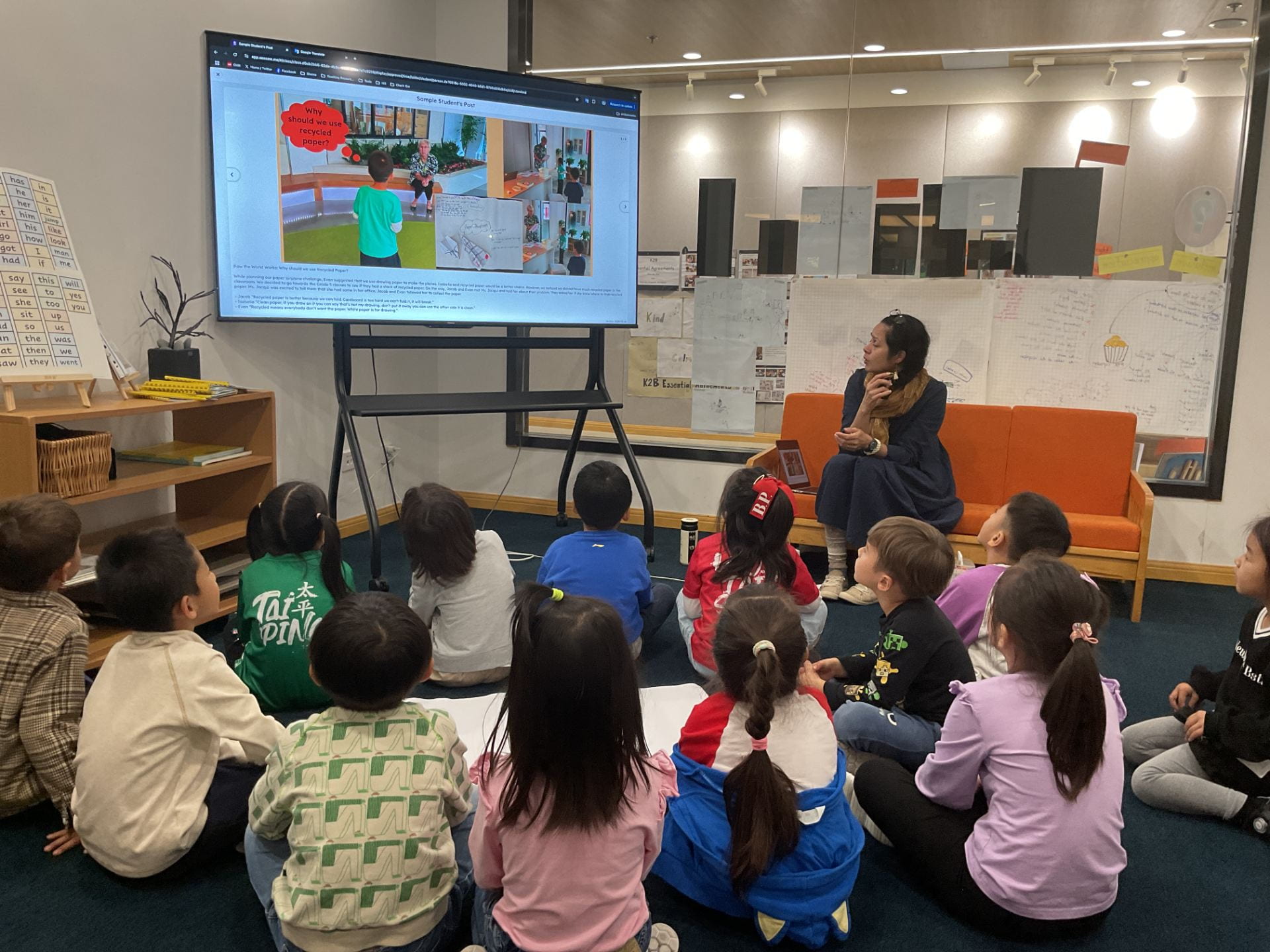
We made a list of the things we throw away. We identified a few we wanted to discuss in depth.

Wasting water
Wasting paper
Wasting food
Although the children shared many examples of waste, they believed they did not waste anything at school. We decided to gather evidence of waste throughout the day to present back to the children.
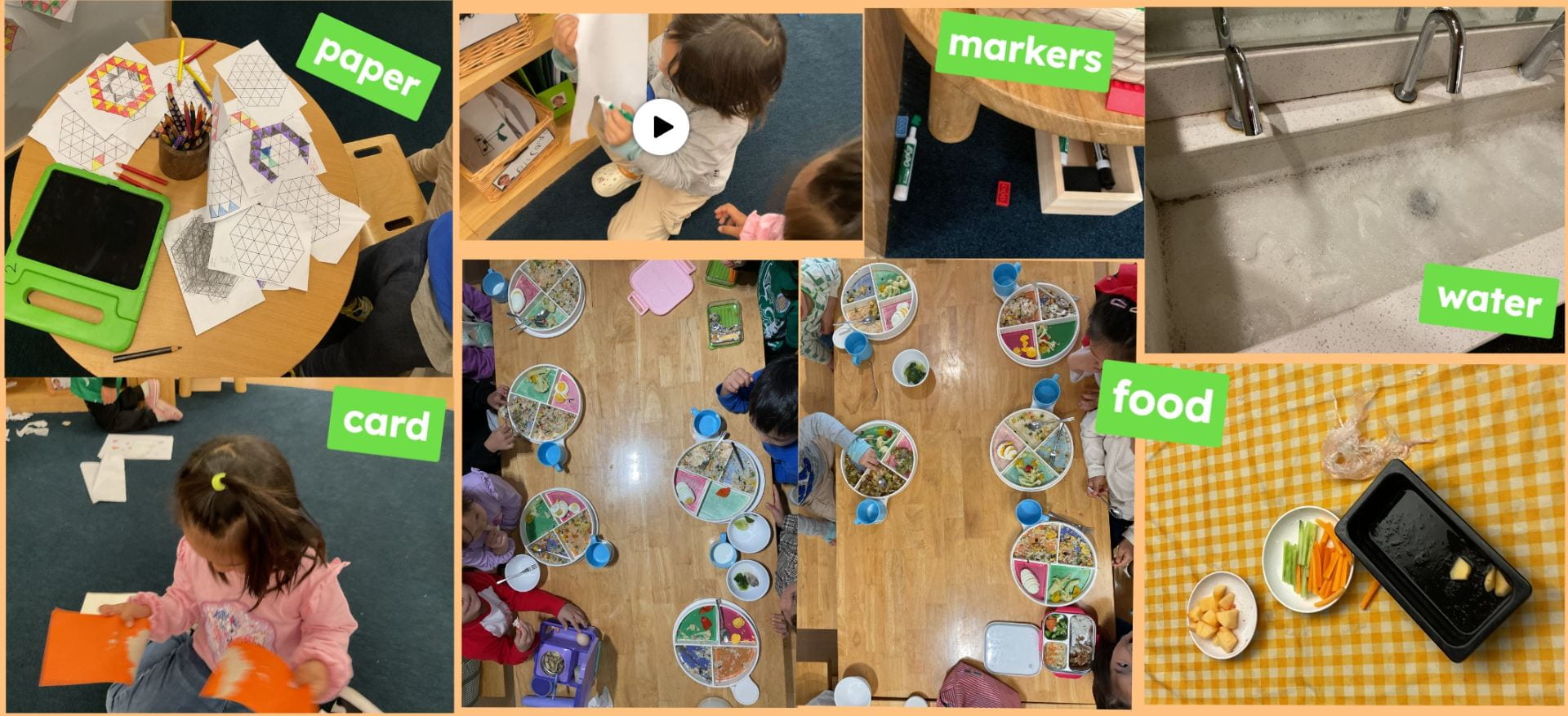
We wonder what they notice and think about the evidence that has been collected.
The children had decided to make changes to the Bike Park in the Early Years playground to maintain a safe and organised space. We went back to the documentation we had collected, to think about on next steps.

The children began to share their ideas. They believed the Bike Park would look beautiful if:
We went back to look at some of the Bike Park signs created by previous K2 students. The children noticed that the signs were no longer useful as they were wet and drawings on the signs were unclear and invisible.
 The children decided that they would like to create new signs and discussed important considerations when creating new signs. They talked about the choice of materials. This seemed important as the weather outdoors had affected the previous signs.

A group of children volunteered to take on the challenge of creating new signs for the space.
 Approaches to Learning:
The children have been discussing the concept of ‘time’ while engaging in play and exploration. Often, they refer to time as being ‘long’ or ‘short’.
The children were interested in creating challenges to explore the concept of ‘time’. They were excited about the three-minute challenges they had brainstormed and voted on.  We gathered to discuss the different ideas collected, noting them all down on chart paper to help us create a plan for our next steps. As the children discussed these ideas, we used drawings and words to document their thinking. We had 13 challenges altogether!


How would we decide which one to explore first?
We decided to vote on the different challenges to find the most popular. Making ice creams received the highest votes (6). The children had many different ideas about the ice cream challenge. They suggested purchasing ice creams from the café, and buying ice creams at the supermarket or McDonald’s. Having heard all the ideas, the teachers decided to encourage the children to consider the practical challenges connected with some of these ideas.
The teachers decided to stretch the children further, to encourage them to consider alternate opportunities for learning.
Does anyone know how to make ice creams?
After some thought the children tapped into their prior knowledge and experiences from previous years. Isabella and Evan recalled making ice pops at school. They explained the process of making watermelon ice pops, preparing the fruit and using moulds and popsicle sticks to make the ice creams.
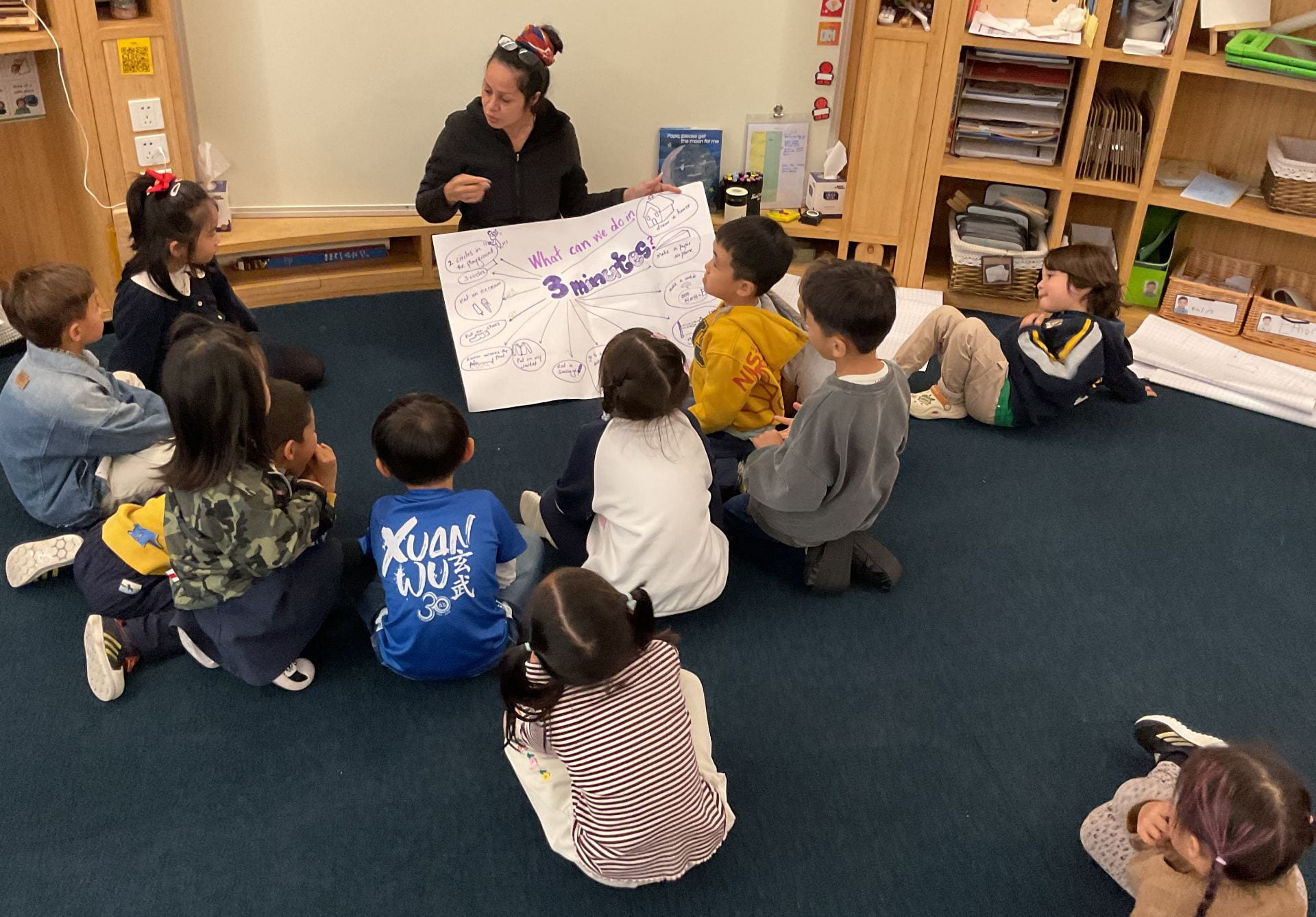 The children were excited about making their own popsicles. They discussed several ideas, including the flavours they could choose. Considering the many opportunities this project may have for the children to apply their understanding of concepts through their experiences and play, the teachers agreed to support the children in preparing for the challenge if they could come up with a plan for their next steps. They would need to solve some practical obstacles to make their ice creams and carry out the challenge. They would need to decide and plan how to purchase the items, the process they needed to follow to make the ice creams and how they were going to organise the challenge.
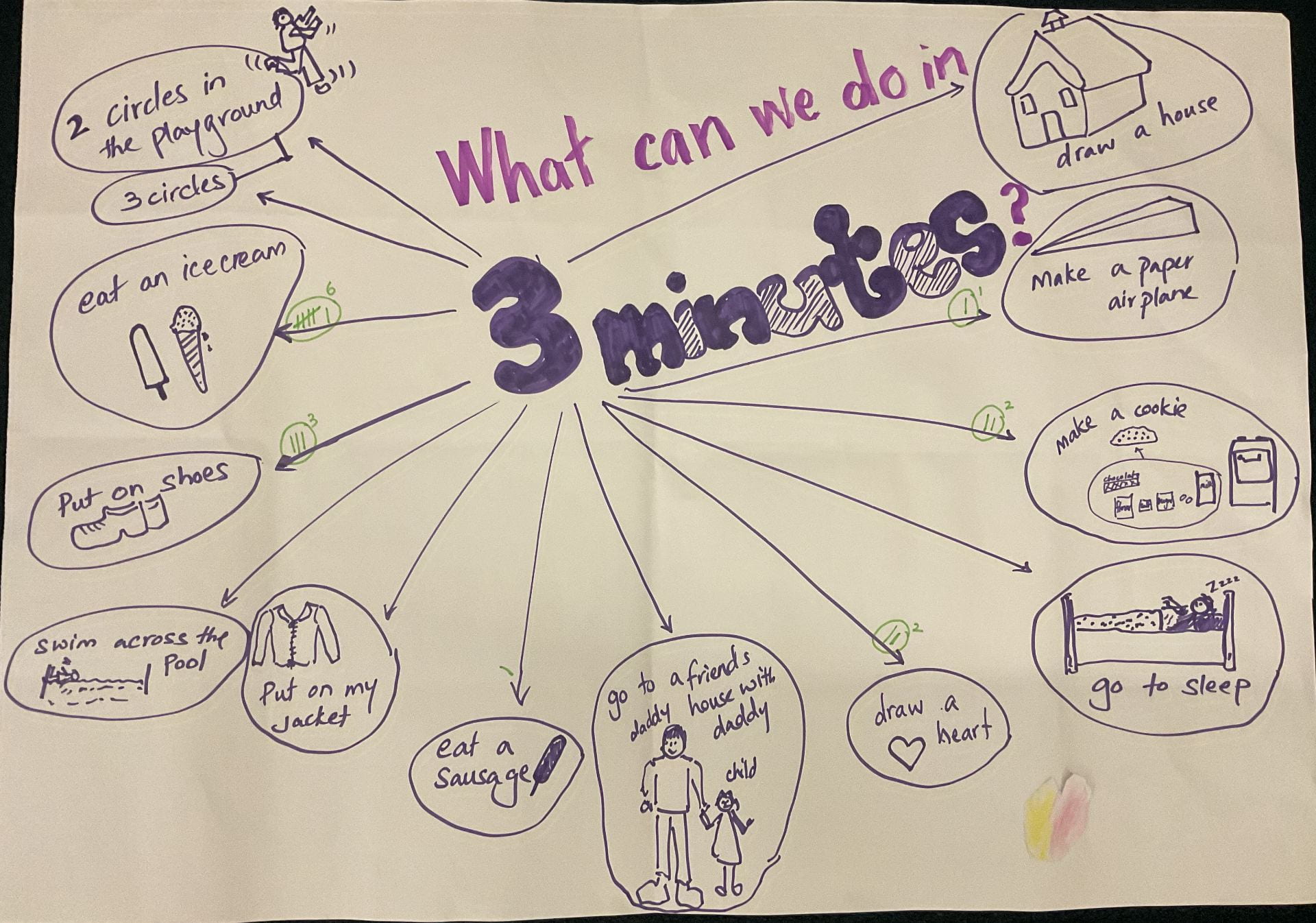
We wonder how the children would:
The children love to build with blocks and loose parts in several spaces in the classroom. These structures can often spread across spaces and can cause practical problems.

While on a check-in walk in the Early Years, the security department staff highlighted the issue of congested walking spaces. They advised us to maintain a walkway in the block play area.
As these spaces belong to all of us, we shared the problem with the children to generate solutions.
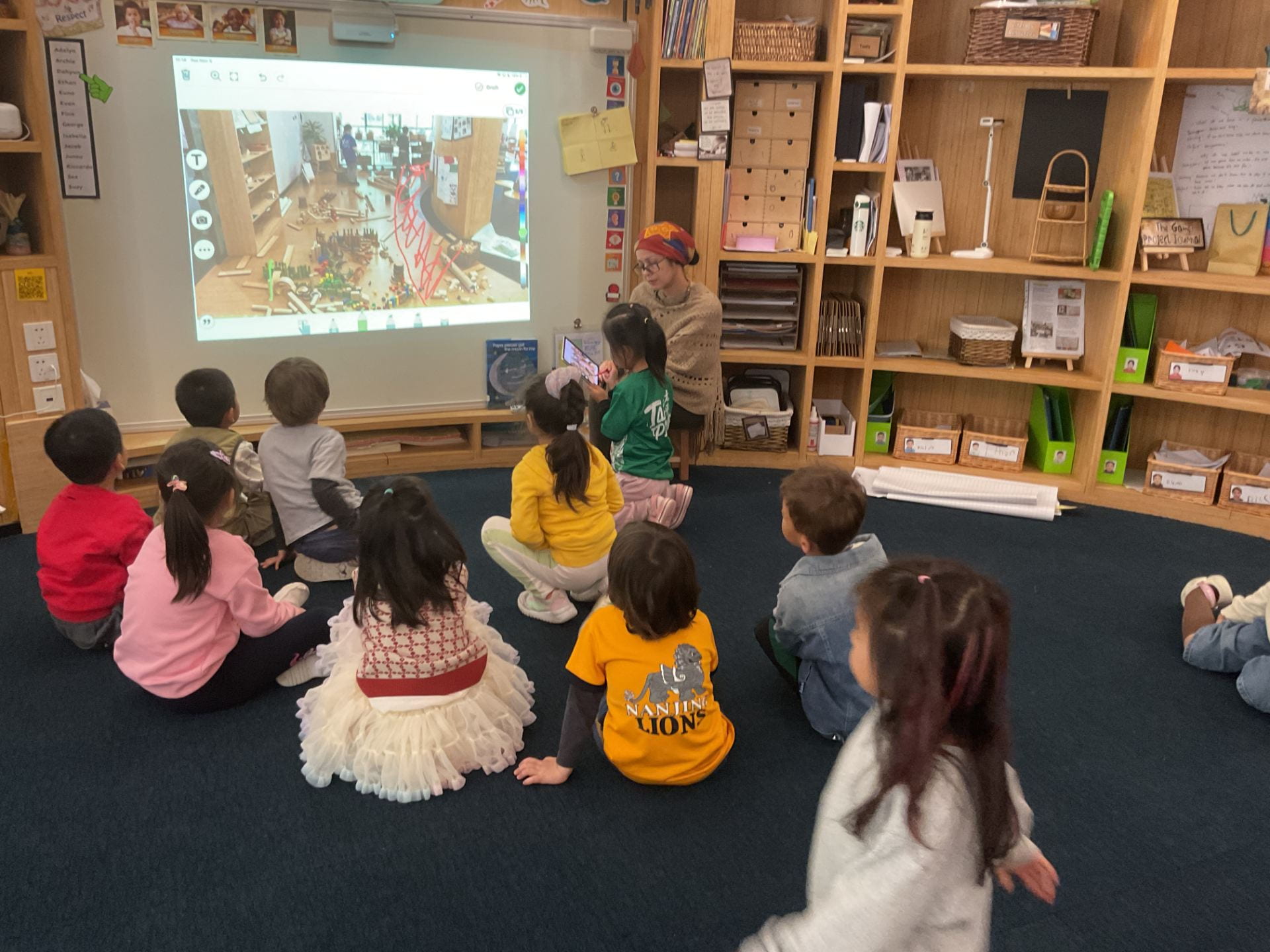

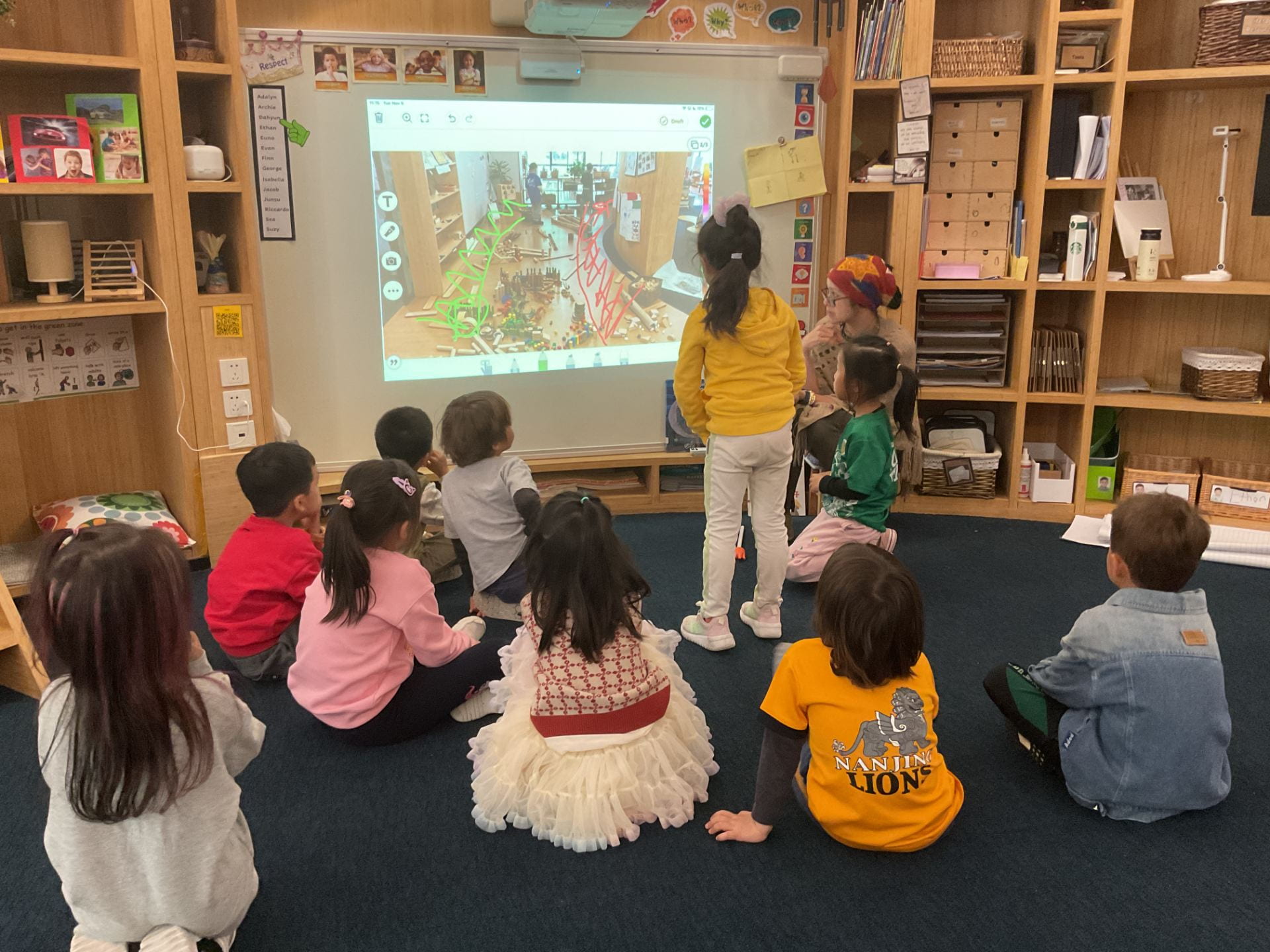
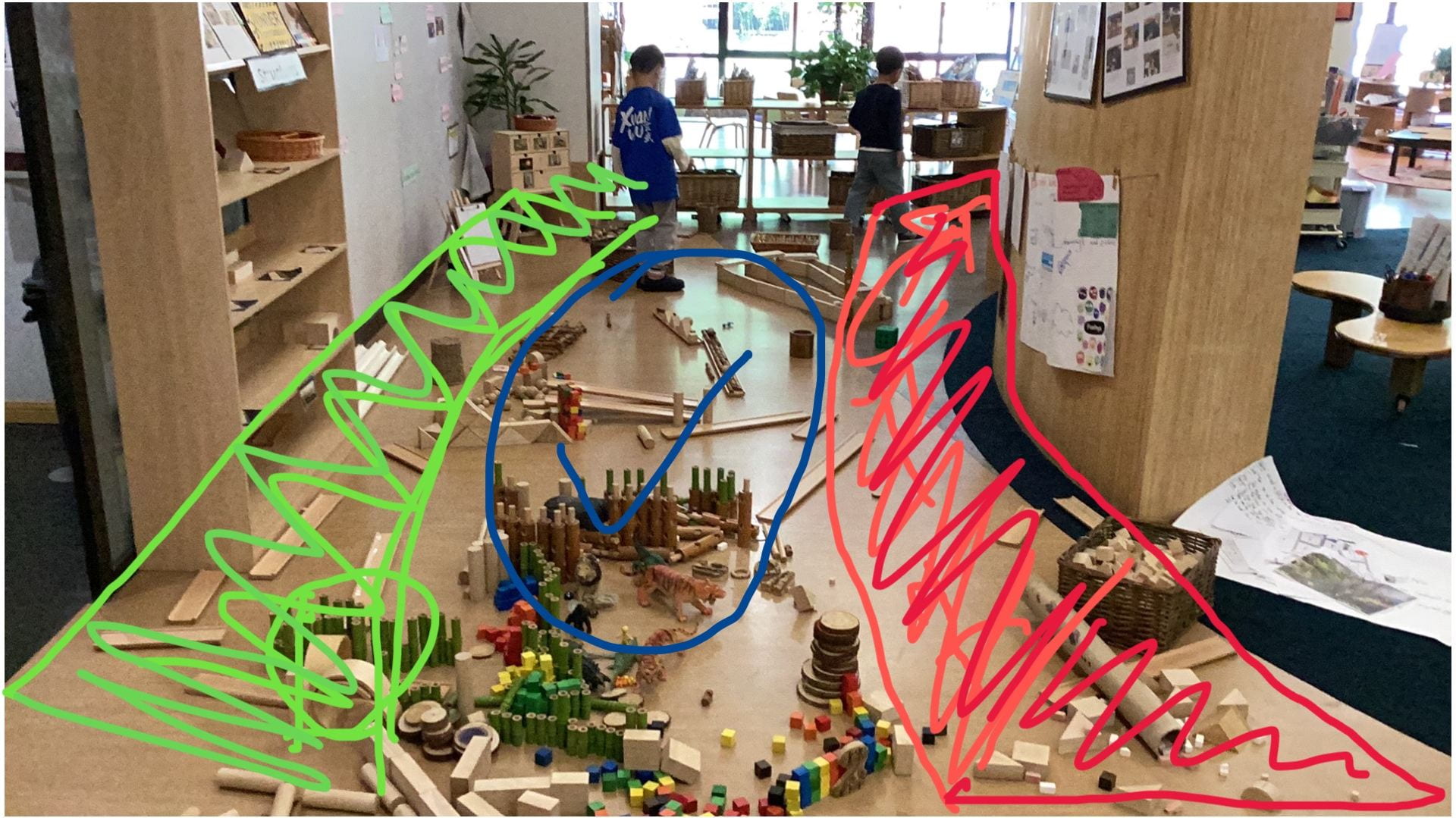


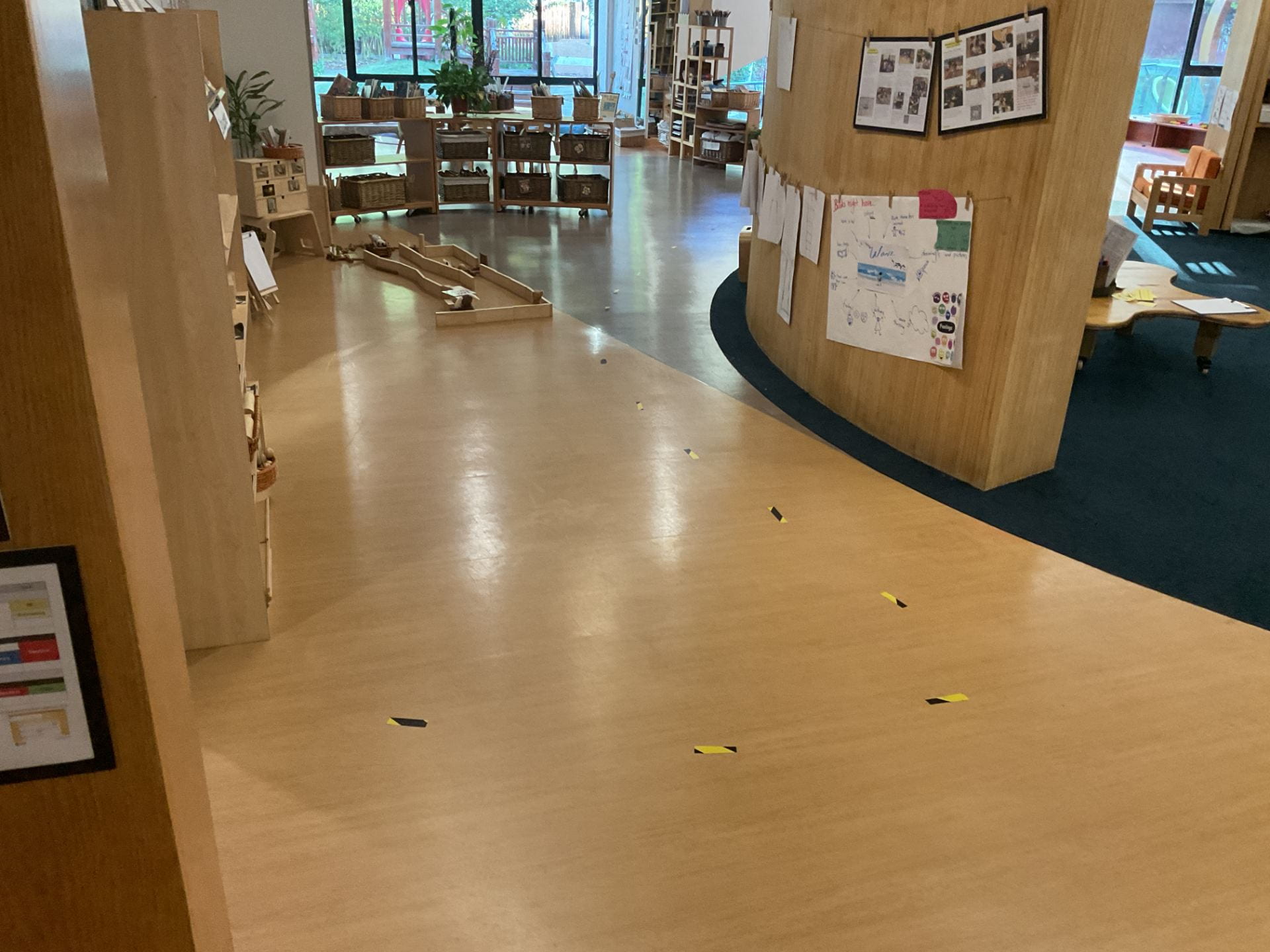
The children shared many different views and solutions to solve the problem. They finally reached an agreement to create a pathway near the block play area that was 80 centimetres wide. They used hazard tape and a measuring tape to mark out the walkway, applying what they knew about tools to measure accurately.
Learners:
Nest steps…

 The team gathered to analyse the data they had collected through the survey. They noticed that many people received cupcakes from the NIS PTA, but a few didn’t. We made a list of all the people (or groups) who didn’t receive cupcakes. Then, the class took the information they had gathered to Ms. Hannah to plan their next steps.
 Considering the children’s ongoing questions about the cupcakes, we suggested that the team speak to the PTA President to learn more about NIS Birthday cupcakes. The children brainstormed the specific wonderings they wanted to take to her.
The PTA President came in to speak to the children about the cupcakes. The children gathered their notes to ask her the questions they had brainstormed.
We learned that the PTA had to think hard to plan and organise the cupcake distribution. At first, they wondered if they could deliver cupcakes every week or every month. They decided that it was better to share the cupcakes once a month with children, teachers and staff who had a birthday in that particular month.

Rebeca “Every teacher and student receives a birthday cupcake. Not parents. All the children get the cupcake. We give to all NIS employees on the list, some of them belong to the facilities department like the bus drivers, so they receive their birthday cupcakes. The guards are not NlS employees so they don’t get a cupcake.”
Noticing that Ms. Hannah was on the list of people who didn’t get a birthday cupcake, Ms. Rebecca explained that perhaps Ms. Hannah was sick on that day or was not in school for some reason.
Rebeca “Some people don’t pick their cupcakes, and then we keep the leftovers in case they ask for them.”
Rebeca “Do you like to get a treat when it’s your birthday? We thought that every child in the school liked to have a treat so we decided to give the children a cupcake.”
Rebeca “There are many ways to make cupcakes. You can use a recipe book. If you never made it before you can use this list of ingredients to make it. Egg, oil, milk, flour, baking powder, a tiny bit of salt. All together.


Then, you beat your eggs for 3 minutes, add oil and keep beating. If you don’t eat egg then tell us so we can make you a special cupcake. Then put the flour and baking powder and salt. And then you keep the dough for 3 hours and you put it in the oven, you make the tiny cakes and you wait for 20 minutes and that’s it. You can decorate the cupcakes as you wish. With cream, chocolate and candy.”
The children wondered if they could put gummy bears on their cake.
Rebeca “Skyways are the ones that bake the cupcakes. They have a special place where they have a very big kitchen for professional cooks, chefs and bakers.”
Ms. Rebeca shared photographs of the kitchen. “Can you see how many things they have there? This is the place they prepare the dough. At the end of the year, we make 700-800 cupcakes. And then there are special tables where they make the dough and when they finish they need to put the cupcakes in a place where they can cool. There is an oven. There are 4 units as tall as the room. When they open the oven and take out all the cupcakes they put it in the tray. Then they decorate them.”
I think we make 800 or 900 cupcakes.
Rebeca “At the end of the day we send it to the teacher’s room so you can go to the teacher’s room you can pick it up.”
We learned that some people on the list did not receive a cupcake for their birthday.
We wonder how the children will use what they have learned to strengthen their relationships with the community
We look forward to hearing about their next steps…
Over the last few years, different groups of children have worked on projects connected to bikes and trikes in the Early Years playground. We decided to share some photographs of the Bike Park to see what the children might notice about the bikes and signs in the play area.


The children quickly noticed that toys and gardening tools were not cleared away after playtime.
They noted that the bikes were blocking the walking path, and emergency exits, and that overgrown plants and bushes were making it challenging to park the bikes in the allocated spaces. Some suggestions for improvement:
As they took a closer look at the signs that were made for the bike park, they realised that the wet and hot-dry weather had caused the signs to fade and get mouldy.
The children’s keen observations sparked conversations about the changes they could make to the bike park and play areas safer and more functional.
We decided to share documentation about the bike park from the previous years with the children, to help them understand and appreciate student-led projects that positively impacted the EY.
 The children were excited to see some of the work past students had undertaken to make the play areas safer and more exciting for others.
The children decided that they wanted to create new signs for the bike park. They wondered what materials would be most suitable for the purpose, considering the challenges with the weather and temperature outdoors.
 They discussed the properties of different materials such as plastic and wood, providing interesting improvements to ensure the signs would last longer.
 We wonder what elements the children would consider as they move forward in planning, designing and creating new signs for the bike park.
Over the last few days, the team of assemblers have continued to work on the trolley. They felt it was very challenging to put the parts together. They gathered to discuss the problem before they began their task.

They began by looking carefully at all the different parts of the trolley.
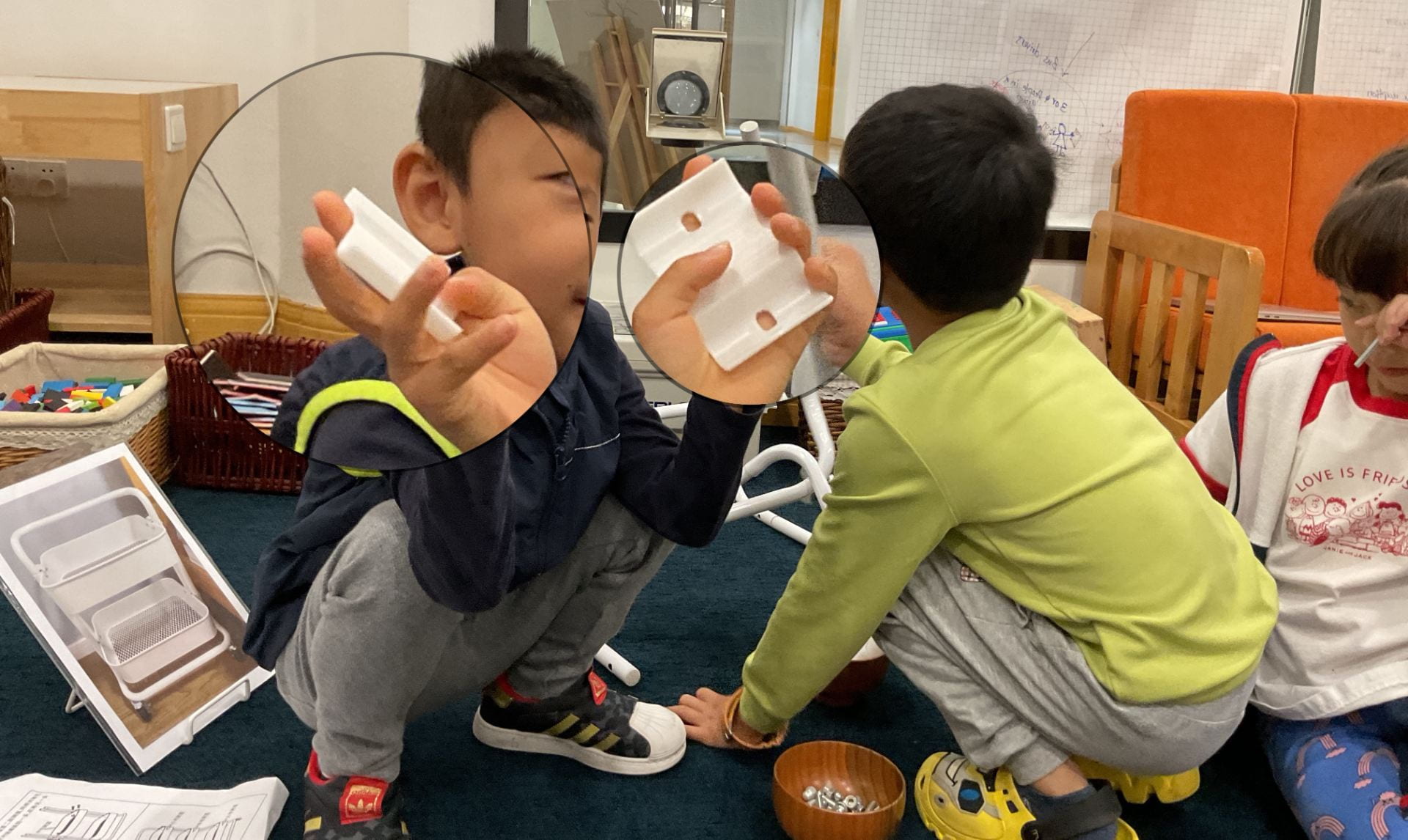


Now that we have all the different parts of the trolley and the tools to assemble it, where do we start? Adalyn suggested that they read the instructions carefully. Isabella emphasised the importance of the pictures in the instructions. However, as they tried to assemble it, Evan could see that it was very wobbly. Isabella suggested taking the wheels off. Jacob agreed, explaining that this could come right at the end.
The team continued their work together, assembling and dismantling parts of the trolley as they tried to complete the task. During the week, a clean-up in the Early Years centre posed a new problem!
One morning, when the team went back to continue with their project, they found some of the parts were missing. How can we assemble the trolly without the parts?
Yet again, the team sat down together to work out which parts were missing. And how they might solve the problem. Isabella suggested that they look at the paper instructions to figure it out.
 The instructions provided information on all the different parts that were required to assemble the trolley. They needed screws, nuts, black rings on the wheels, hooks and the holders. Together the team tried to calculate how many of each they needed in total. The problem invited the children to use their understanding of calculations to find the number of missing parts.
 They continued to work on creating a list of items they needed. Then, the team plan their next steps to solve the problem.
Jacob suggested asking the facilities department for the missing parts because they have the staff who come and fix items that are broken in the classroom. Isabella suggested reaching out to Mr. Matt as he helped fix the table. Jacob recalled Mr. Arek helping to fix ‘The Nest’ in the playground. Adalyn thought Ms. Jo might be able to help as well as she has lots of different materials for making things.
 Everyone agreed with Evan’s suggestion, and they decided to ask the school purchasing office to help them source the missing parts. To do this they decided they had to:
They worked together to gather all this information to take to the school’s purchasing officer. We look forward to their next steps as they solve the problem of ordering and purchasing the missing pieces in the trolley.
The tower in the block play area cannot be missed!!
It has been standing tall for a few weeks, with only its steeple toppling over on a few occasions when children pass by or try to adjust the blocks that support its design. We noticed the children adjusting the columns, replacing and testing out different shapes to see which ones offer better support. Through trial and error, the engineers developed and tested theories about balance, shapes and design.

They were now more intentional when choosing the shapes for different sections of the tower. For instance, they realised that using broader, flatter shapes horizontally provided more foundational support and that they could make the steeple taller by using cylinders with a greater diameter at the bottom. Throughout the process of experimentation, the engineers discussed and negotiated ideas, looking for ways to work collectively to reach their goal, of building the tallest tower.
Through inquiry, we explored different ways to measure the height of the building. At first, the children used non-standard units to measure the tower.
 Then, a team uncovered the use of standard units and decided to measure the tower using a ‘flexible, long ruler’, a measuring tape.

The children shared estimations of the height of the tower.
 Then, we used the measuring tape to measure the tower accurately. The children were excited to learn that the tower was 190 centimetres tall!
 During outdoor playtime, a group of children met Mr. Lee and explained that they had built a tower that was taller than him. Mr. Lee decided to check if this was true. As he stood next to the tower he asked, “How tall am I?”
A team of researchers have been visiting different spaces in the school to gather data using a survey, to find out who gets a PTA birthday cupcake on their birthday month.

Next steps…
What do we do with the information we have?
The team of researchers have been documenting their learning, and sharing the information with the rest of the class. The process has helped the children better understand their research questions as they learn more about the community at NIS.


The team then used what they had learned about data and graphs, to transfer their data into concrete graphs.


We wonder what new theories the children have as a result of their research, and what decisions and plans the class might have as they move forward with their project.
At the beginning of the year, a trolley for the water bottles was ordered for the class. We were excited to see the box with all the components needed for the trolley. But who will assemble the trolley?
The teachers decided to Present the idea to the children as a provocation. 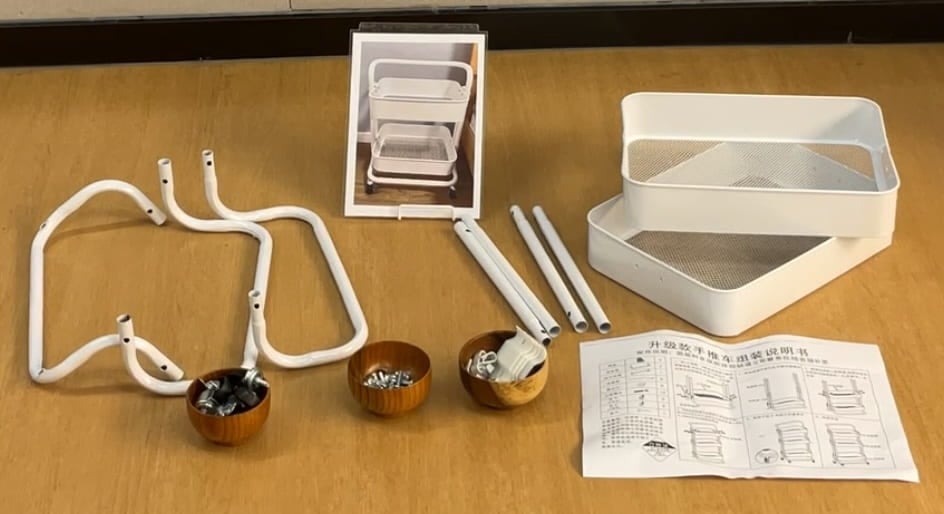
The next morning, some of the children noticed the provocation and discussed the idea.

They wondered what the different parts were and how they might be used.
They began to take a closer look at the pieces. Noticing this interest, other children gathered to see what was happening.
 Isabella “Evan and George, do you still remember we assembled one trolley like this last year?”
 Isabella “以前Ms.Pat 是不是像这样把推车给推走的?” (Did Ms. Pat hold it like this to push the trolley before, Evan?) Ms. Karen 以前带你们做过这个吗?(Did Ms. Karen do this with you in K1A, Adalyn?)
 Evan tapped into his prior knowledge and tried to assemble the trolley.
 George realised the significance of the picture of the assembled trolley and pushed it closer to the group. The assemblers began their work.
 They continued to work on the trolley for a while, and then Evan realised that they needed to revisit the instructions. “这是说明书,你能看懂字吗Jacob?” (this is the instruction, can you read the Chinese characters, Jacob?)
Through trial and error, they continued to explore the complicated instructions, trying to figure out which parts went together. Some children slipped away to explore other spaces, but Jacob, Evan, Isabella and Adalyn continued to stay interested in assembling the trolley. They continued to persevere, finally deciding that it was important to develop a plan of action.
 Jacob “Since the trolley has two parts, we can have two groups working on assembling it. Isabella and I will be in a group, and we are going to be in charge of the bottom layer. Evan and Adalyn, you two can be a team and work on the top layer.”
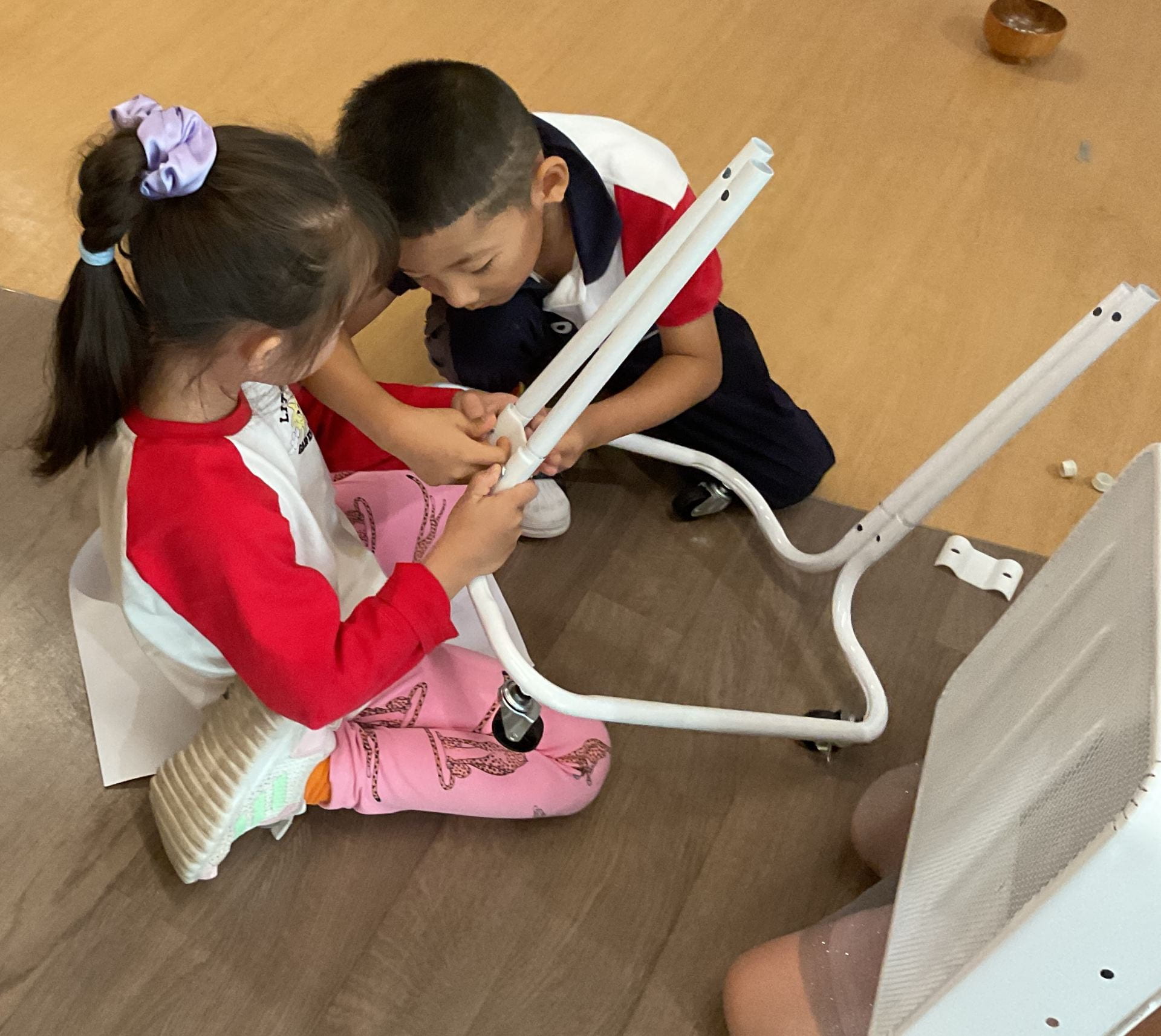
The group assembling the lower shelf began their work. They decided that when they were finished, the top group would take over. As they were working, they referred to the picture and the instructions when needed.
As we observed the children at work, we noticed how they used their communication skills to express their thoughts and ideas with each other to solve a common problem. They understood the significance of the instructions and their connection to the different components of the trolley. They used what they knew about pictures, Chinese characters, numbers and words to read the instructions and explain their understanding to each other.
Their idea of ‘making a plan’ to help with the process of assembling the trolley, and their decision-making demonstrates their understanding of the process, and teamwork and show their developing understanding that people work together for different purposes.
Over the last few days, we have noticed the children showing an interest in exploring the concept of ‘measurement’ through their play and engagement.
How might we measure accurately?
During choice time, Jacob went over to the tower with a building log and began to measure its height. He said it was 9 or 12 logs high. As we watched him measure, we noticed that the block overlapped as he placed it from point to point making his measurement change.
He was invited to place the logs horizontally across the floor to see the length of 9 logs. While placing the blocks, he was encouraged to think about the reason for choosing logs of similar size.

Isabella, Adalyn and George were curious about a piece of documentation on the wall from the previous year that recorded the children’s height.

Isabella and Adalyn were also curious about the sand timers and wondered what they could do in a short time.


We decided to provoke the children’s thinking about ‘measurement’ by presenting the photographs and videos back to them. The children were excited to share their ideas about the measuring tools.
The first reference they made was to the ruler in the classroom. They explained the significance of the ‘numbers’ when measuring. We documented the children’s ideas on chart paper which we will use as a collection of reference points.

Over the next few weeks, we will look for opportunities to test some of the theories the children have about ‘measurement’ and measuring tools. We wonder how they might use different tools to share their observations which in turn helps them understand how tools could be used to measure the attributes of objects and events.
Big Ideas-
– standard units allow us to have a common language to identify, compare, order and sequence
– we use tools to measure the attributes of objects and events
– estimation allows us to measure with different levels of accuracy.
The ‘Tug of War’ house event was exciting. The children enjoyed the spirit of the games, joining in to cheer the teams and their friends as they participated in the challenges.
They were eager to tug the rope with K2B on the opposite side. However, they were unsuccessful in winning the event. Adalyn and Isabella were deep in conversation after the event, exploring the reasons for the loss.

(Conversation in Mandarin)
Adalyn and Isabella decided to speak to Ms. Jacqui, Ms. Zhang and Mr. Lee to explain their thinking and to suggest a rematch between the two classes. They shared their idea with the class.
Teacher: But what does it mean to ‘be fair’?
We look forward to exploring the concepts of ‘fairness‘, and ‘inclusivity‘ when looking for ways to create contexts for participation.
Creating a Plan for Data Collection
The children have been thinking about the people in the community that they would like to speak to, to find out if they receive a PTA birthday cupcake.
They have been making lists and taking photographs of people in the NIS community to collect and organise their research.
 As we thought about the task, we wondered about the ‘process of research’.
The conversation went back and forth as the children shared many different perspectives and suggestions. The teachers decided to ask the children …
A teaching Moment:
The children suggested writing down the ideas that were shared, to help us plan the next steps. The teachers scribed, drew and wrote as the children shared and discussed the details.

The teachers modelled adding details to illustrations to share information with others. We discussed the way illustrators choose colours and show action and key details through drawings. These are important techniques the children will be invited to practise and use when creating illustrations for different purposes.
Creating a Survey
The children’s initial belief that everyone at NIS receives a birthday cupcake has been challenged!
A deep dive into our wonderings about the PTA birthday cupcakes at NIS has resulted in the children wanting to find out more about the cupcakes. They decided to speak to the community, to find out if this belief was true.
We discussed the next steps in our research. Perhaps a survey was required to gather the information the children were seeking. When this was suggested to the children, they recalled gathering data in a similar way, the previous year. They explained how they had done it, writing sentences down and seeking out people to find out what they thought. They recall recording their information on paper.
Isabella explained that a good question to ask the community would be, “Do you get a PTA cupcake?” The children agreed with Isabella’s idea. Next, a small group gathered to prepare the survey.

We began to plan our writing. Saying and stretching the words helped the children isolate the sounds and look for the letters they needed in an alphabet chart. Sight Word cards were used to help the children write the words that were harder to sound out.  We talked about leaving spaces between words and punctuation at the end of the sentence.

The surveys were photocopied and clipped onto boards as they needed to ask many people in the community.

The researchers practiced conducting their survey by asking their friends and teachers in K2A.

Next, they will visit different people in the community to see what more they can learn from their research.

The team of researchers will bring their data to the rest of the class to share their findings.
We wonder what they might uncover through their research!
 Friendship and problem-solving are important concepts that we explore throughout the year in K2. We read the story ‘A Cat and a Dog’ by Claire Masurel and Bob Kolar, to help us talk about different ways we can help and support our friends and community in school. While reading the story, the children were encouraged to connect with the story, share observations and predictions, and look for ways the characters might solve problems to develop their friendship.


Over the last few weeks, the children have been creating the Morning Message, using pictures, symbols and writing. At this developmental stage, the children often use their phonetic knowledge to create messages and stories. As a result, words may be spelt incorrectly. It is important to honour the process of learning by giving children plenty of time to observe, notice and make connections to understand the relationship between letters and sounds in words.
A great teaching moment presented itself when we noticed that the author of the book had used the word ‘friends’ in the story. When looking at the word in the message, Evan was able to spot the difference in the spelling. He then rewrote the word with the correct spelling.

These mini-lessons help us make the connection between reading and writing more visible to the children.

We will continue to use books, literature and environmental print to explore concepts about print, to help the children explore and use these strategies and ideas in their writing.
Oliver has been growing mint in the Early Years Garden. The mint is ready to harvest. Oliver decided to make mint tea for the community. He approached Ms. Hannah as he recalled making mint tea with her the year before. He hoped to recruit Ms. Hannah as she knew how to make ‘great tea’!

The Plan
Oliver began by planning his tea shop. He decided to make a sample cup of tea to ask his friends what they thought.
Then, he would be ready to offer the tea to others in the community.

Preparing the Sample Tea:
Taste and Flavour Test
Oliver was ready to make mint tea with Ms. Hannah. They sat together to talk about his plan, then moved to the kitchen to prepare and test the tea.
 They made 5 different samples to test the strength of the tea.
 Oliver chose the strongest mint tea to share with his friends as he loved the strong mint flavour.
The mint tea was left to brew overnight. Oliver wrote a message to let others know the tea belongs to K2A.


How do we promote the tea shop?
Oliver shared his process with the class.

He wondered how to inform the Early Years community about the tea testing. The teachers shared a sample community coffee shop promotional video to explore possible ideas.

Oliver was inspired to create his promotional poster, inviting the community to test his tea.

He also made a short video to invite his friends and teachers. Oliver set up his tea shop, preparing the cups and getting ready for his customers.

He gathered some customer data to determine if they liked his mint tea. 
Children from the different classes in the Early Years and teachers who passed by the space were invited to try the tea.
As Oliver had a few cups left over at the end of the day, He decided to continue with his tea shop during lunch playtime the following day.

The children gathered to try out his tea again. He was excited to hear some of the children say, “I love this tea it makes me feel so calm.”
 Over the last few weeks, the children have been observing the birds in the Early Years garden (nature). They have been concerned about the mother and baby birds after noticing the broken eggshells scattered on the playground equipment (causation, survival). The children have been discussing ways to help the birds in the playground (safety).

They decided to make nests that they could position around the playground for nesting birds (action). They discussed using a variety of materials including wood, plastic, grass and sticks to create the nests (materials). They began drawing their ideas on paper, using marks, words and pictures to share their ideas with others (organising ideas, making plans).


We wonder how the birds might react to the homes the children create through their project work.
Does trash last forever?
We began our day by talking about Earth Week and the different activities that we might be engaged in to bring awareness to our role in keeping the environment safe and clean.
During snack time, the children noticed the amount of garbage we were producing. The children shared their observations and began to suggest how we could solve some of the problems we have with trash.

One suggestion was to reduce the amount of packaged food we purchase and bring to school. Another way is to avoid using plastic or disposable cutlery.
To learn more about trash, we watched a Mystery Science video on the question ‘Does trash last forever?’.
 The children were surprised to see the mountains of trash that humans had collected.
 They were sad to see what plastic in the ocean can do to the different creatures and plants that live in the water.
 As part of our ongoing research into what happens to the trash and garbage we collect at NIS and Nanjing, Ms. Nicole gathered some videos and photographs of garbage being collected around the city in Nanjing.
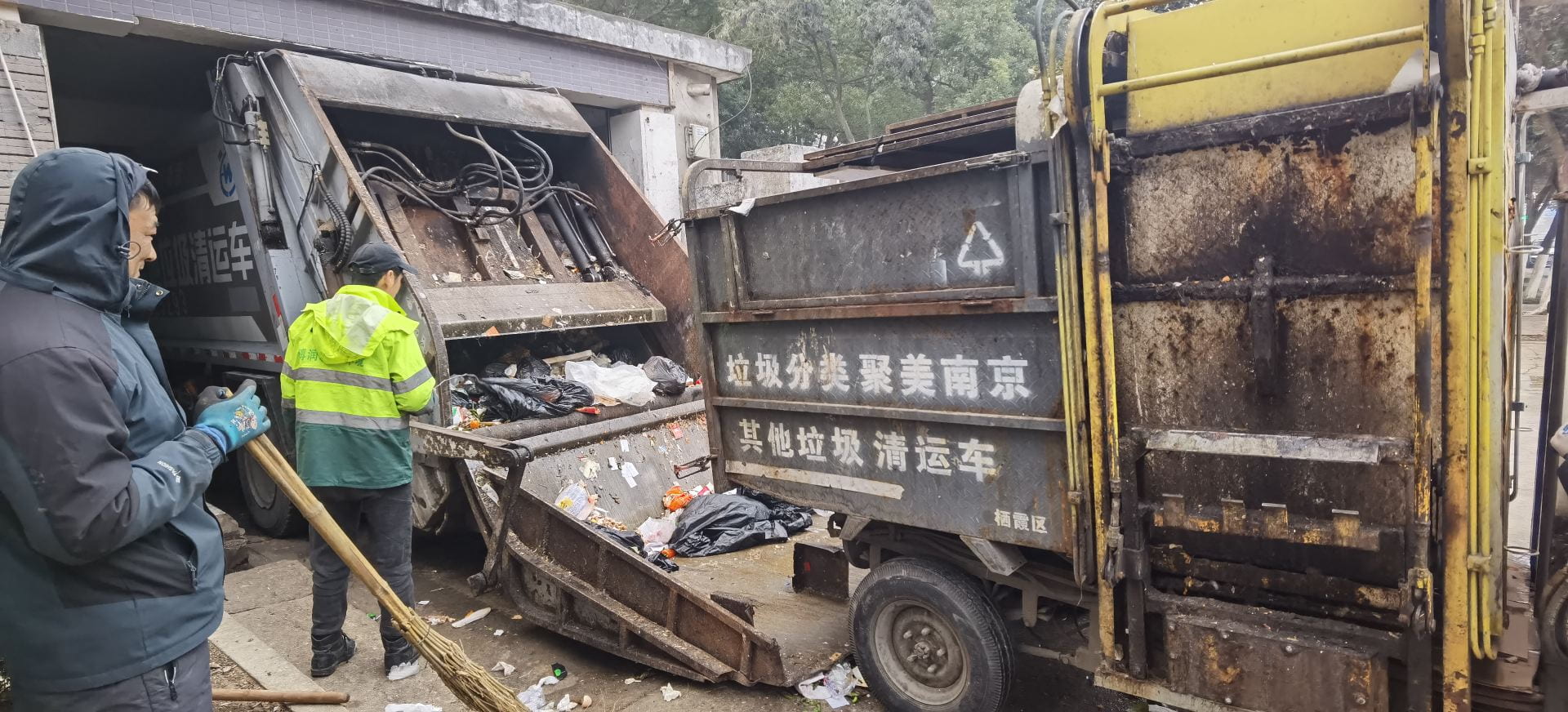

The children quickly recognised the workers in orange uniforms. We talked about the important service they provide to keep the city clean, safe and beautiful. How could we be more mindful of the waste we generate each day and how this affects our environment?

Finally, we invited the children to bring in all the recycled materials they could find at home to see how we can sort, organise, re-purpose or create with these materials.

The children brought in recycled materials and then thought about the different ways they could recycle, create or re-use the items.


ACTION: Taking Responsibility

SEE
THINK
You don’t get the toys and you don’t play.
WHAT CAN WE DO?
Caring for Living Things
We have noticed the child’s continued interest in living things in the Early Years playground. We decided to share some of the documentation the teachers have collected of the children’s play.


We noticed that the children have a deep appreciation for the living creatures in nature. Their theories about the different insects reveal how they observe, form generalizations and develop understandings of nature. The children’s discussion about their play outdoors shows their sensitivity and growing awareness of how to care for living things and what they need to survive in their natural habitats.
Important messages to our community…
The children have been wondering about the ‘speed’ and ‘direction’ the balls might travel if they made changes to the ramps. They have been recording their theories and making changes to their ramps using a range of materials around the classroom.


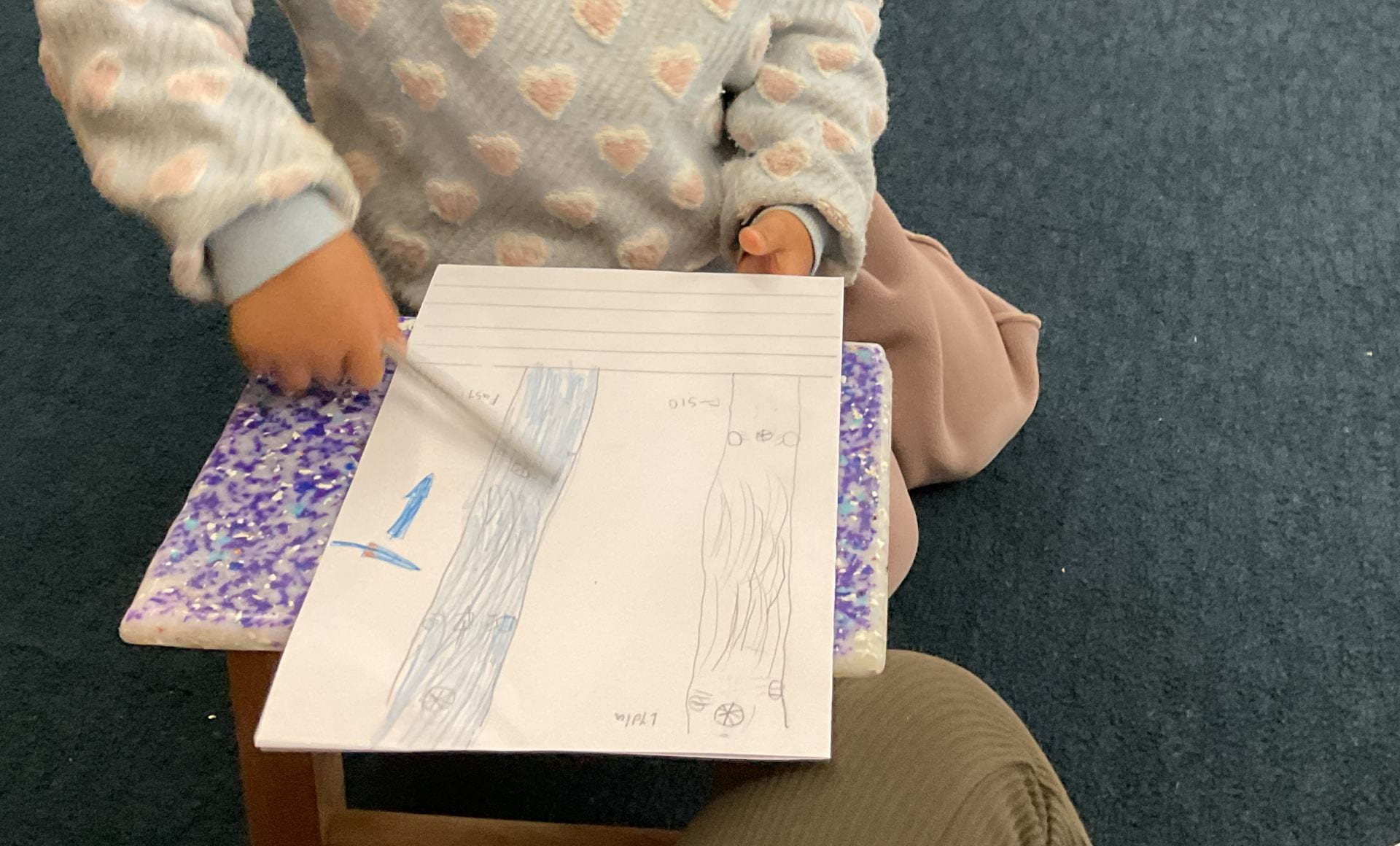


What did they observe and learn from their experiments?




The gardening group (composed of student representatives from each class) gathered to discuss their project. Their task for the day was to document what was still growing in the garden and how they might organise the garden plots.
 Thirteen gardeners joined the meeting with Ms. Hannah. They began by revisiting their agreements. The gardeners reflected on what it means to be a respectful listener “We talk one at a time and listen to others as they share their ideas.”
Then, they reflected on what they did during the previous session.

The team wondered about the ‘temperature’ and what plants ‘need’ to ‘survive’ and thrive.
Which plants might grow in the different seasons?
Which ones will survive?
Teacher “This is a shared space. We have 5 classes. Which means we need to find a way to share the plots. How might we do this?”
The gardeners gathered their clipboards with paper and writing tools. They looked at the plants in the plot and began to draw to share their observations and thinking.

Teacher” How do you know something is still alive?”
We noticed that the team considered the size and shape of the plots when documenting their thinking. The gardeners were encouraged to think about and explain how they knew the plants were still alive. They used their senses to observe carefully, sharing their theories about the growth of plants and the weather. As they visualised the space, they began to share suggestions on how the plots may be allocated to the different classes in the Early Years.
The gardeners gathered to share what they had learned and to decide on what they would do next.
 The gardeners agreed with Sophia’s suggestion.
The children took a vote and agreed with George’s idea.

The team’s suggestions were based on the number of classes in each grade level and the number of students in each of them. The teachers wondered how they might encourage the gardeners to show the division of a space.
A group of children have been working together to create a house, which they named ‘The Octopus House‘. They used their imagination and experiences to inform their art-making.

While building the house, we observed the group sharing and listening to ideas presented, then using a range of materials to improve the different elements in their creation.

Working on one creation can be challenging, problems require solutions and disagreements need to be worked out. 
We saw the team work through these different challenges, persevering and then celebrating their final design. Finally, they presented their creation to the class. The architects were invited to keep a record of their design using their visual arts skills.


We noticed how they thought about and used shapes, colours and mark-making to record their creation on paper. These creative experiences allow the children to collaborate, persevere, listen, learn and have fun together.
