
The ‘Challenge’ Project
What can you do in 3 minutes?
Isabella and Adalyn were wondering about the sand timers and the idea of moving sand:
- Isabella “We are thinking can we can have a race with the timer to see who is the fastest.”
- Adalyn “10 minutes race and 5 minutes race.”

- Isabella “And then I saw the 5-minute sand is the fastest.”
- Adalyn “Because the 10 minutes were more than 5 minutes. But the 3 minutes is faster.”
- Isabella “I think the 10 minutes is faster because we can count to 10 more shorter. I think because it’s fast, we can count to 10 and it’s fast.”
- Adalyn “The 5 minutes and 3 minutes, it’s 2 minutes short.”
Isabella agreed.

- Isabella “3 minutes is faster than 5 minutes and then 10 minutes.”
What can you do in 3 minutes? How fast is 3 minutes?
- Adalyn “I can draw in 3 minutes.”
- Isabella “I can run in 3 minutes, a circle outside.”
- Adalyn “I can do it too.”
- Isabella “I think 3 minutes is not long its so short!”
- Jacob “I think 3 minutes is 100 seconds plus 200 seconds. Seconds mean you have to count.”
- Isabella “You have to count 1 and then wait a little while and count another number.”
- Adalyn “I think 3 minutes is three one-minutes.”
This has led to planning a race against time, to see what they could achieve in 3 minutes.
How long was 3 minutes?
We used an online timer to ‘feel’ the time pass by. The children sat patiently, thinking about the length of time that passed by.

We challenged them to think about the things they could do in 3 minutes. 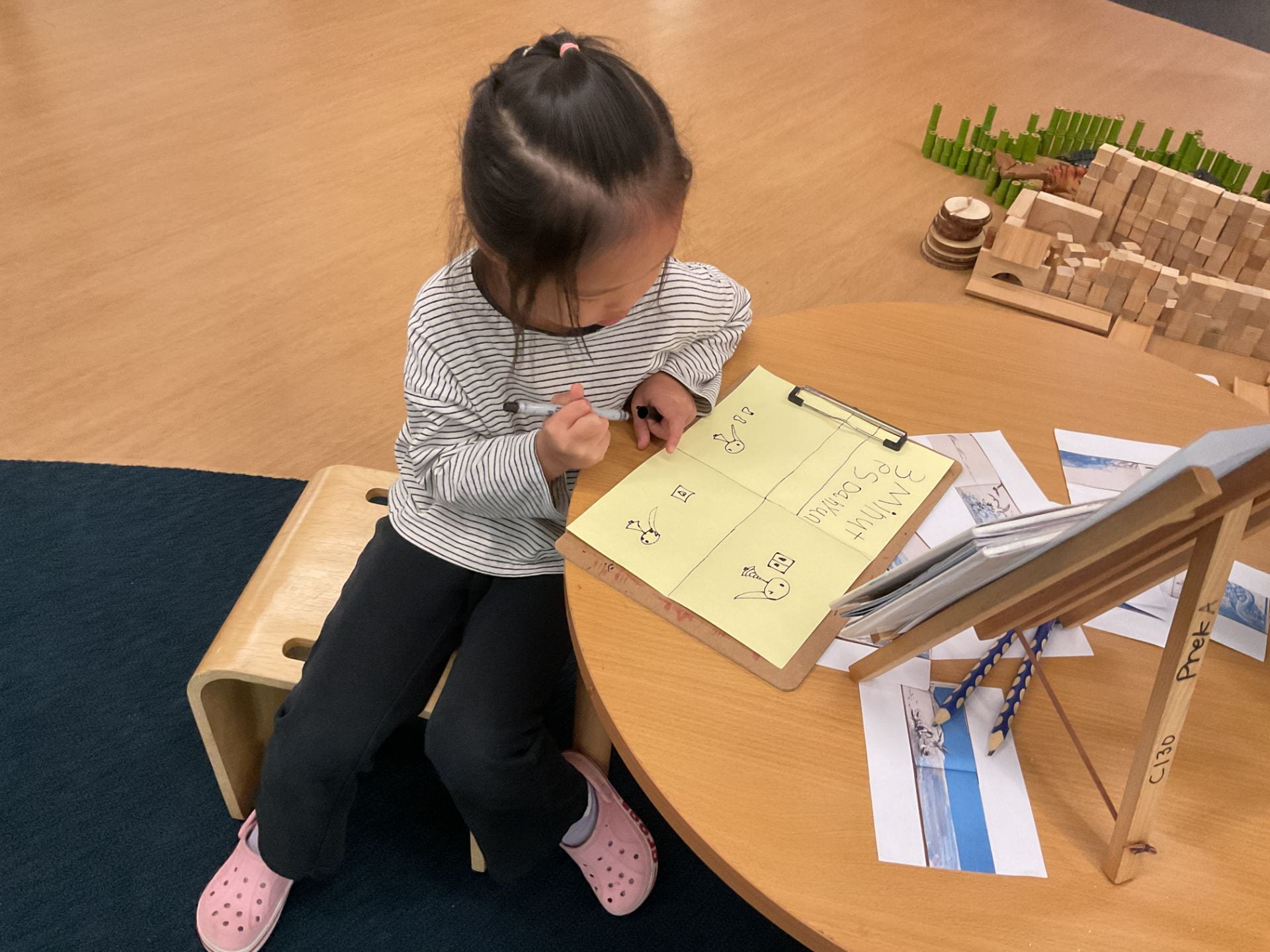
 They drew to share their thinking:
- Euno: Draw a heart, Take a photo, Talk and share 3 ideas
- Isabella: Run 3 circles in the playground, Read 2 small books in the library, Put my socks on
- Ethan: Go to sleep, Cooking a cookie, Eat snack
- Archie: Go on a train to Africa, Come to school in 1 minute, Go to Japan in 5 minutes, Put my shoes on
- Jacob: Make a paper airplane, Build a puzzle, Make a Lego car
- Evan: Make a block tower, Eat lunch, Draw a house
- Adalyn: Run 2 circles in the playground, Pack my backpack, Talk about a tower
- Suzy: Eat an ice-cream, Build a tower with coloured blocks, Run 3 circles in the outside playground
- Dahyun: Put shoes on, Draw a heart, Read 2 little bit small books
- Sea: Read a book in the library, Wash your hands for lunch, Swim across the pool
- Finn: Wash hands, Put on my jacket, Write my name, Put on my shoes
- Riccardo: Write my name, Draw a clock, Eat a sausage
- Junsu: Go a friend’s house with daddy, Read a big book in the library, Robots break the blocks
We gathered many different, interesting ideas and wondered which ones to try out. We decided to vote on each child’s ideas, using tally marks to track our data.


While discussing our next steps, we wondered if other children in the Early Years would also enjoy some of our challenges. The children believed that K2B and PreK-K1 could also do some of the challenges as they run fast and like ice cream because everyone likes ice cream!
Voting for 3 Minute Challenges!
The children have been discussing the concept of ‘time’ while engaging in play and exploration. Often, they refer to time as being ‘long’ or ‘short’.
- Suzy “It only took me two minutes to draw the love heart, that is a short time.”
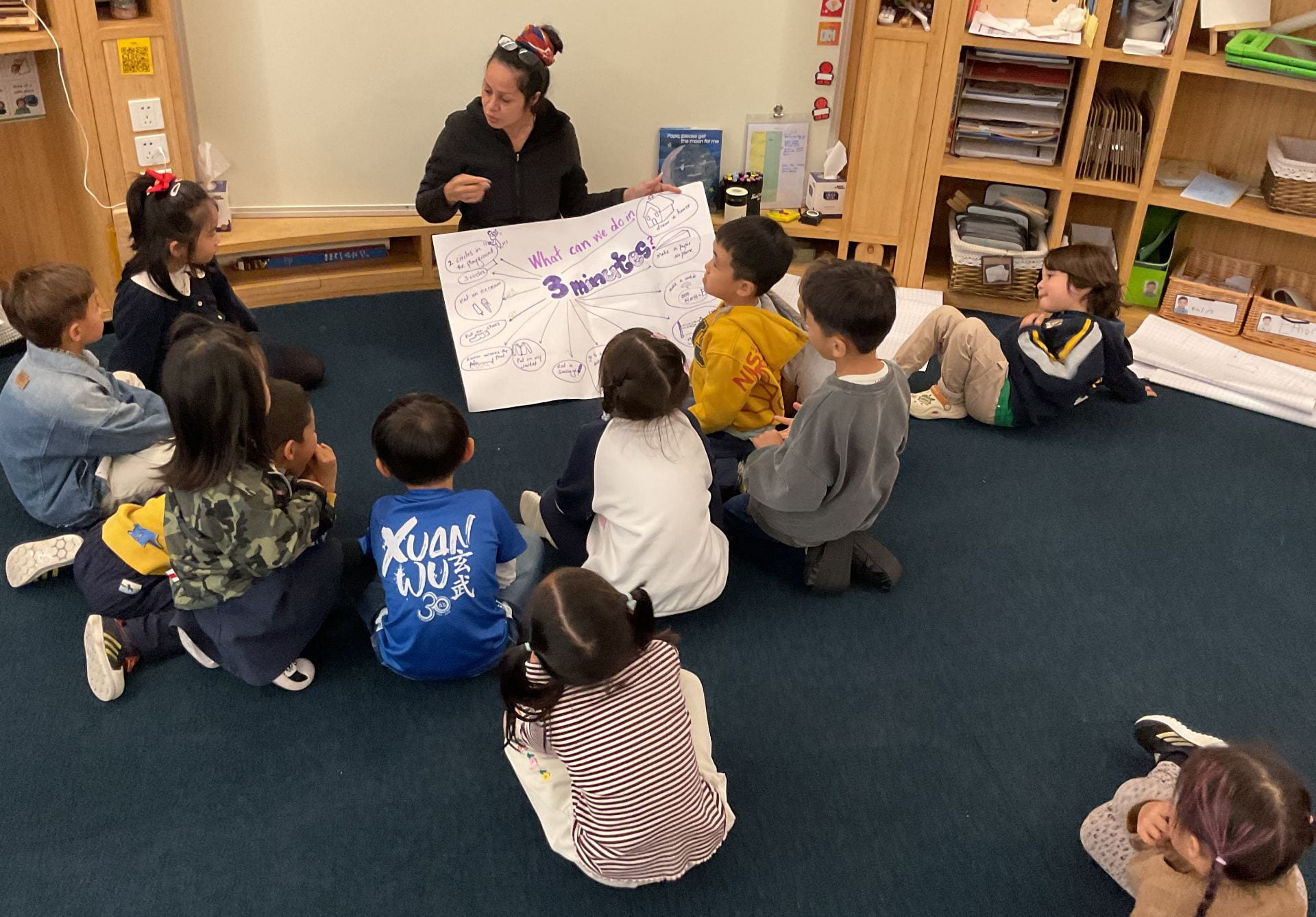
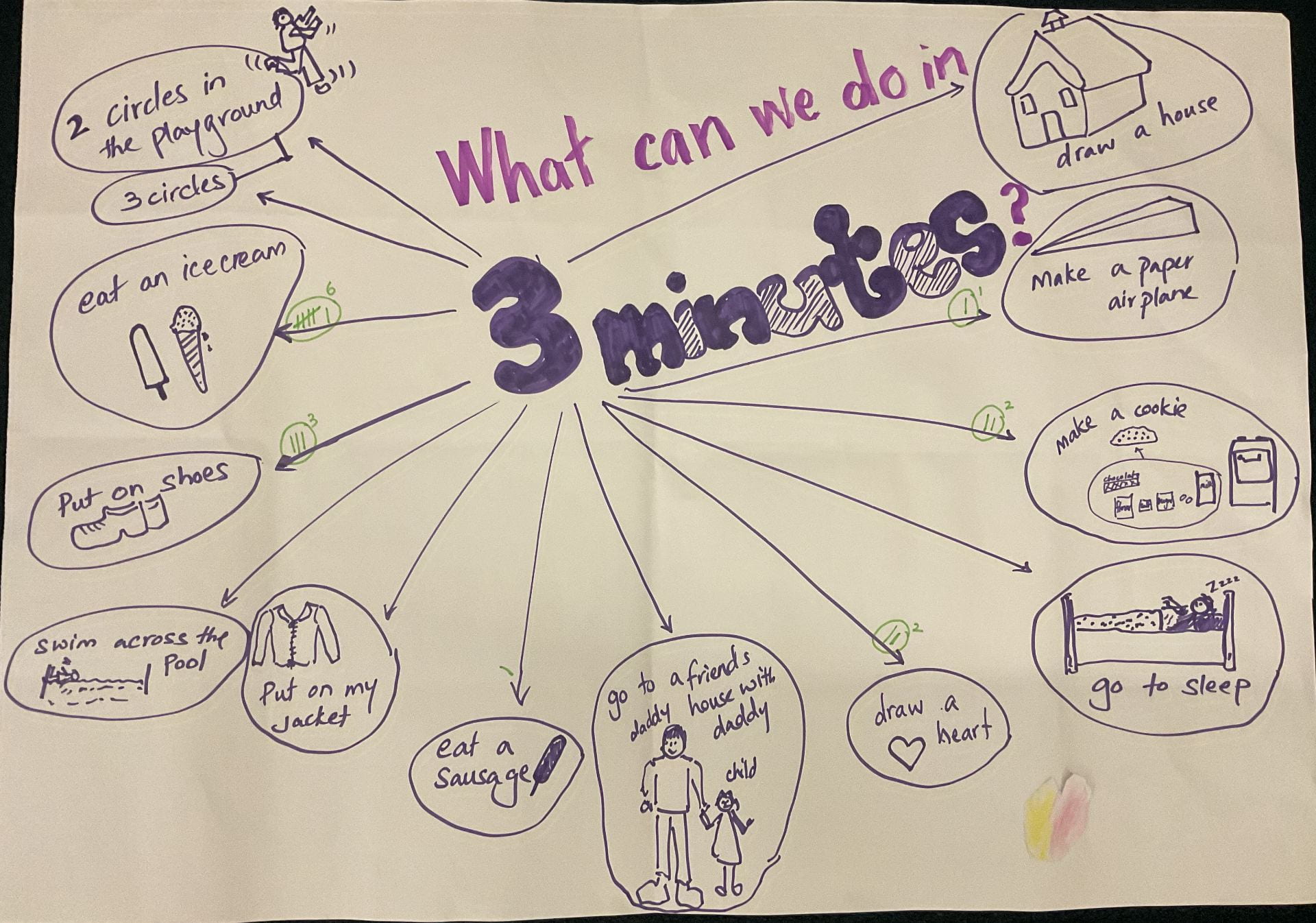
The children were interested in creating challenges to explore the concept of ‘time’. They were excited about the three-minute challenges they had brainstormed and voted on. We gathered to discuss the different ideas collected, noting them all down on chart paper to help us create a plan for our next steps. As the children discussed these ideas, we used drawings and words to document their thinking. We had 13 challenges altogether!
How would we decide which one to explore first?
We decided to vote on the different challenges to find the most popular. Making ice creams received the highest votes (6). The children had many different ideas about the ice cream challenge. They suggested purchasing ice creams from the café, and buying ice creams at the supermarket or McDonald’s. Having heard all the ideas, the teachers decided to encourage the children to consider the practical challenges connected with some of these ideas.
- Where would we get the money for the ice creams?
- What about the children who have different allergies?
- What options for flavours are there at McDonald’s
The teachers decided to stretch the children further, to encourage them to consider alternate opportunities for learning.
Does anyone know how to make ice creams?
After some thought the children tapped into their prior knowledge and experiences from previous years. Isabella and Evan recalled making ice pops at school. They explained the process of making watermelon ice pops, preparing the fruit and using moulds and popsicle sticks to make the ice creams.
 The children were excited about making their own popsicles. They discussed several ideas, including the flavours they could choose. Considering the many opportunities this project may have for the children to apply their understanding of concepts through their experiences and play, the teachers agreed to support the children in preparing for the challenge if they could come up with a plan for their next steps. They would need to solve some practical obstacles to make their ice creams and carry out the challenge. They would need to decide and plan how to purchase the items, the process they needed to follow to make the ice creams and how they were going to organise the challenge.
We wonder how the children would:
- plan and follow through to make the ice creams (process)
- document their thinking and ideas so others can understand and follow their process (representation)
- consider and plan for the safe use of materials, resources and tools (safety, responsibility)
- consider how to include their friends and the community in their challenges (inclusion)
- collaborates with students, parents and other teachers on learning (collaboration)
The Grade 5 Three-minute Challenge
The Grade 5 students were excited to hear about our three-minute challenges and decided to plan challenges for their K2 buddies.
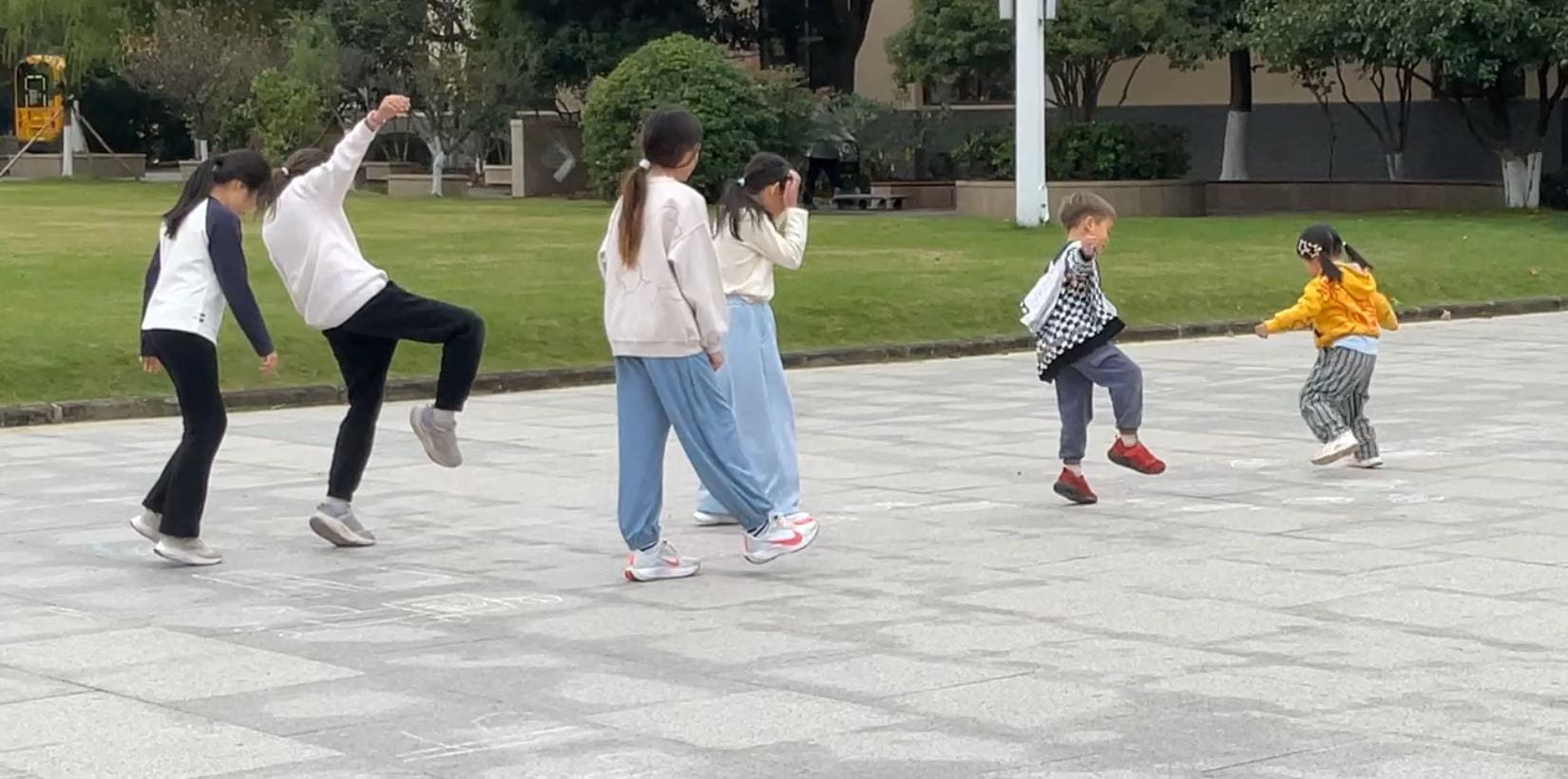 We joined Grade 5 outside the courtyard to play some of the games they had planned for us. The children in K2 rotated around the different stations, attempting to win points and some stickers as they completed the challenges.
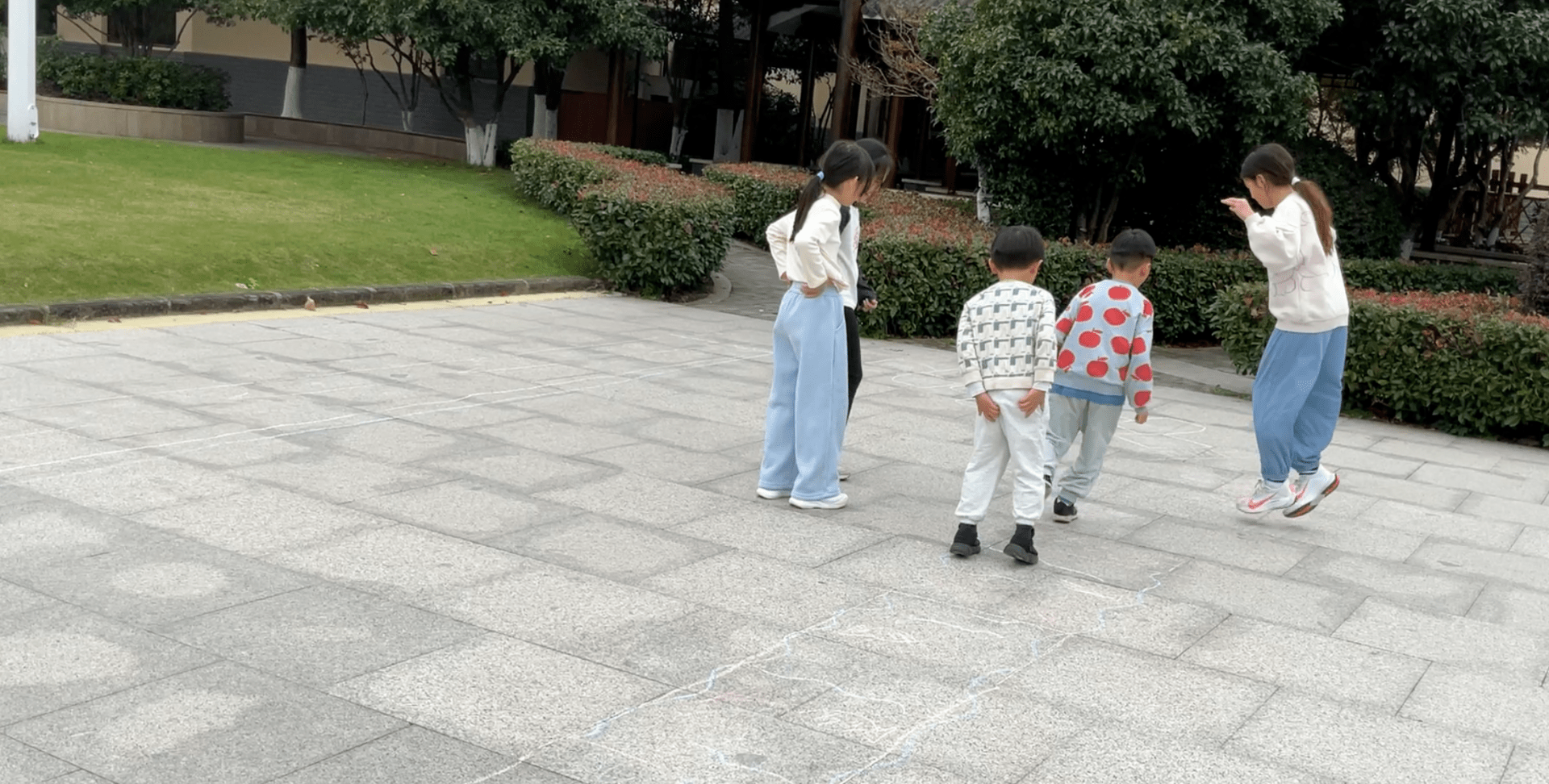 The children reflected on the day’s events, sharing their highlights.
- Suzy “We played a lot of games.”
- Archie “We played tag. I like the tag game the most. Octopus tag with grade 5 buddies in 3 minutes challenge.”
- Junsoo “We played ball game, and I like it the most.”
- Riccardo “I like the ball game, because it’s challenging but I did a great job and I didn’t be tagged by the ball.”
- Isabella “For the hot potato game, when the person counted down to 1, and someone was holding the ball, then he will be out of the game.”
- Euno “I like the octopus game. Octopus game me run to the end and buddy catch people. They didn’t catch us. Then, I don’t know who wins.”
- Ethan “I like the hot potato game because it is so fun.”
- Adalyn “I like the octopus tag and I also like the one that has patterns on the ground and you need to follow the patterns to pop the bubbles. And the beanbag game is also interesting.”

- Isabella “I like the pattern game the most because you can race your buddies and it’s easy for me.”
- Suzy “I also like the pattern game because I like the bubbles. The bubbles were on the ground. You stand on it and it pops.”
- Ethan “I like the tiptoes walking part and it was so much fun.”
- Evan “The hot potato game looks fun because I like the ball game.”
- Suzy “I did the pattern game in 3 minutes.”
- Isabella “I also did the pattern game, the hot potato and the red light green light and I also played octopus tag and throwing the sand bag in 3 minutes. It was easy for me. It was a long time.”

- Suzy “It was a short time, I did it in 3 minutes.”
- Sea “I like the octopus game because they don’t tag me. I ran fast.”
- Dahyun “I like the tag game because it was fun. I won 3 times. We got a sticker.”
We wonder how this experience will help them plan for the challenges they want to set for their Grade 5 buddies.
Planning the Ice Pop Challenge
We revisited the 3-Minutes Challenge Project, where the children had suggested creating a range of activities based on an inquiry into ‘time’. They were excited to plan their ice pop challenge and gathered to think about the steps they would need to follow to complete the task and have the challenge.
 As the children shared their ideas, we documented the details on large chart paper using illustrations, words and symbols to communicate information.
The children were excited to make watermelon ice pops. They tapped into previous experiences of planning a field trip, explaining how forms needed to be filled in and permission sought to go ahead with the field trip.

They will have to find out how many ice pops need to be made. This would include calculating how many they need to make in total for the children in K2A and 5A buddies.
The children suggested asking Ms. Dora or Ms. Hannah how much the watermelon may cost. This would help them estimate and make a request for money from the school for the project. Next, a team would need to complete an order form and take it to Ms. Jackie.
- Riccardo “We need to go and ask Ms. Jackie and say, ‘Please can you give us some money to buy watermelon because we need to make ice pops’.
- Suzy “You need to just walk across the road to the Hippo Supermarket.”
The children suggested that we ask Mr. Dora and Ms. Hannah if they could help us visit the supermarket.

The children explained the steps we needed to follow such as preparing the watermelon, blending the watermelon to make the juice and finally freezing the molds of juice to make the ice pops.
We wonder how the children will gather and organise the information to help them plan and prepare for the challenge.
How much is a watermelon?
Jacob was inspired by our challenge project, particularly the part about making ice pops with watermelon juice. He decided to visit a supermarket to learn more about watermelons. On his return, he shared what he had uncovered.

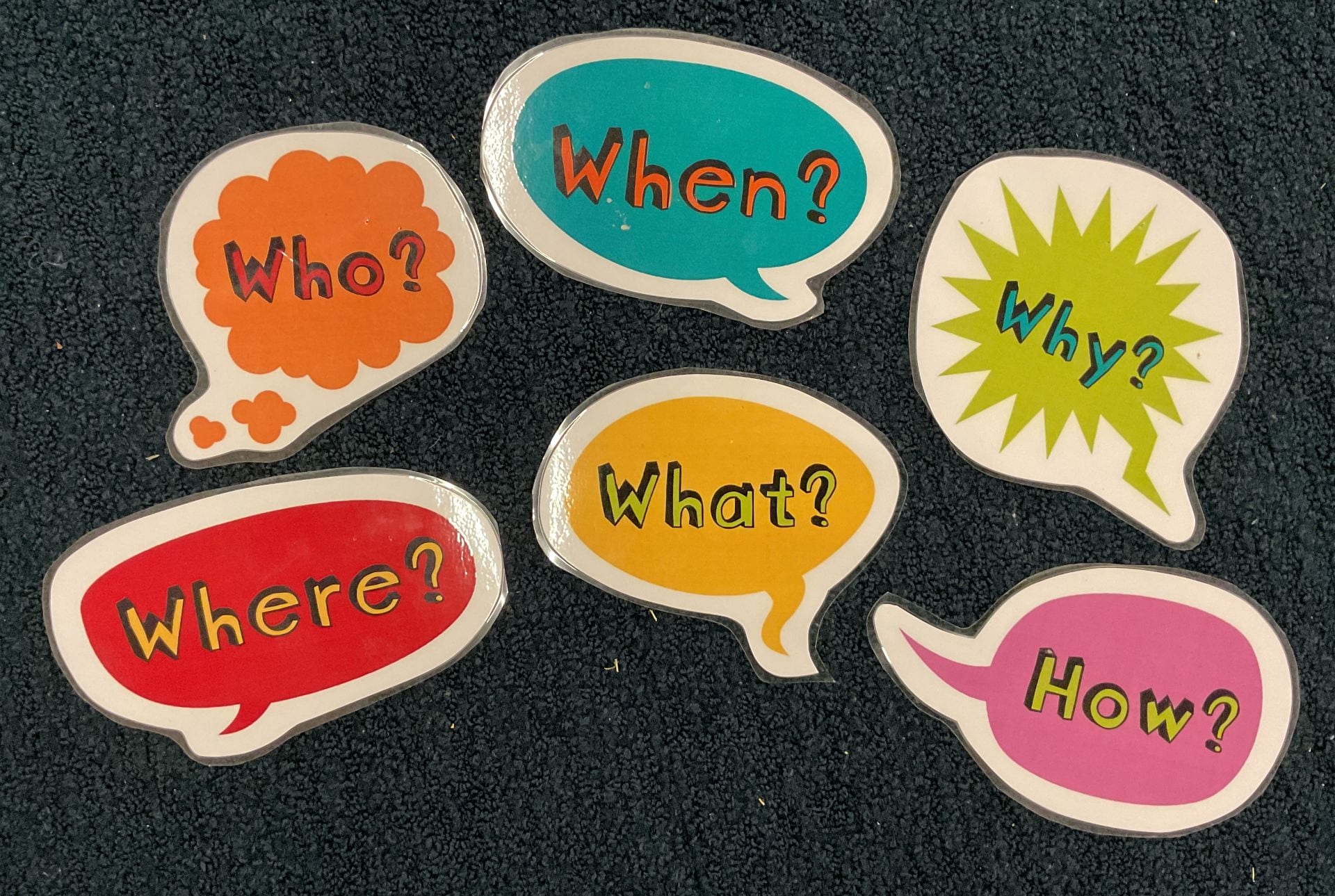
Jacob used the question starters to help him present his learning to the class.
- Jacob “Me and my mum is going to the supermarket because we want to look the watermelon is how many money. And how big and how small. I go to Hippo to look how heavy and small. I went yesterday. I take a photo because then we know how heavy. It was 59 RMB.”
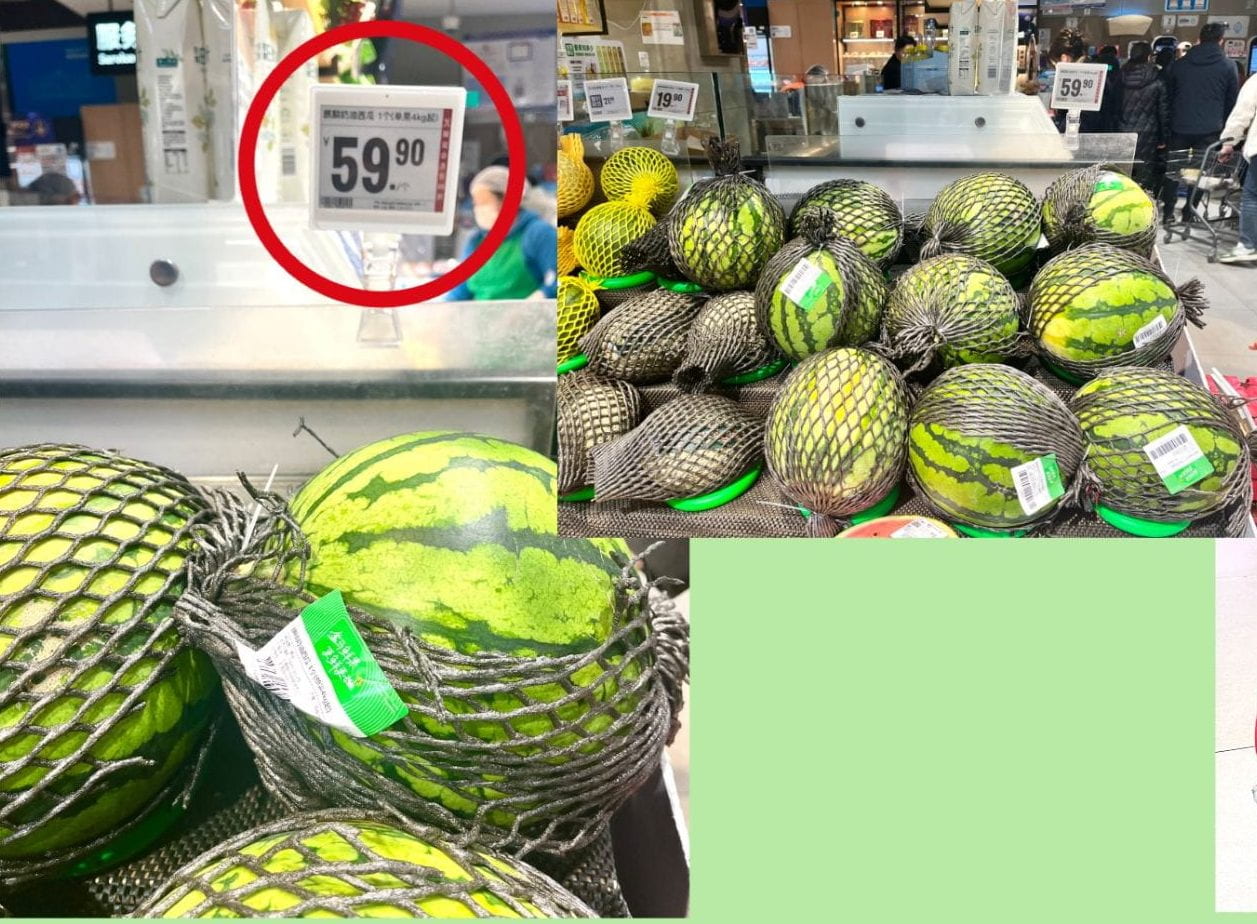 Jacob’s presentation made us wonder how many watermelons we might need to make the ice pops. We wanted to make sure we had enough for the project, but we also didn’t want to waste any food.
- Suzy “Maybe we can first get one watermelon and then we can test it because then if we didn’t know how many too much or too short.”
- Evan “We need to ask Ms. Jacqui about the money for the watermelon.”
- Jacob “We need to listen to other people and look.”
- Suzy “Say it nice and loud because then other people cannot hear.”
- Sea “I don’t know if Ms. Jacqui gives the money.”
- Isabella “We need to tell Ms. Jacqui how many money we need.”
- Dahyun “We can find the market.”
- Euno “We don’t tell any people then we don’t have money so we cannot buy the watermelon.”
Can we have some money?
A group of children volunteered to take the project plan to Ms. Jacqui to ask her about the money they needed for the project. The children explained that they would need 60 RMB to purchase one watermelon to test the ice pops. Ms. Jacqui was excited to hear all about their plans and invited the children to think about the different steps they needed to take to plan a safe field trip across the road.
 They needed permission slips, money to purchase the watermelon and teachers to accompany them on the trip.
Do we have enough ice-pop moulds?
Teacher “What about the moulds for the ice pops do we have enough for everyone?”
Isabella recalled using the ice pop moulds when she was in K1 and decided to reach out to Ms. Hannah to see if she could find them in the Early Years kitchen. Mohammed and Adalyn wanted to help Isabella with the task.
 The team looked in all the cupboards to look for the ice pop moulds but couldn’t find them. After a lot of searching, they found two sets of 6 ice pop moulds in the Early Years pantry.
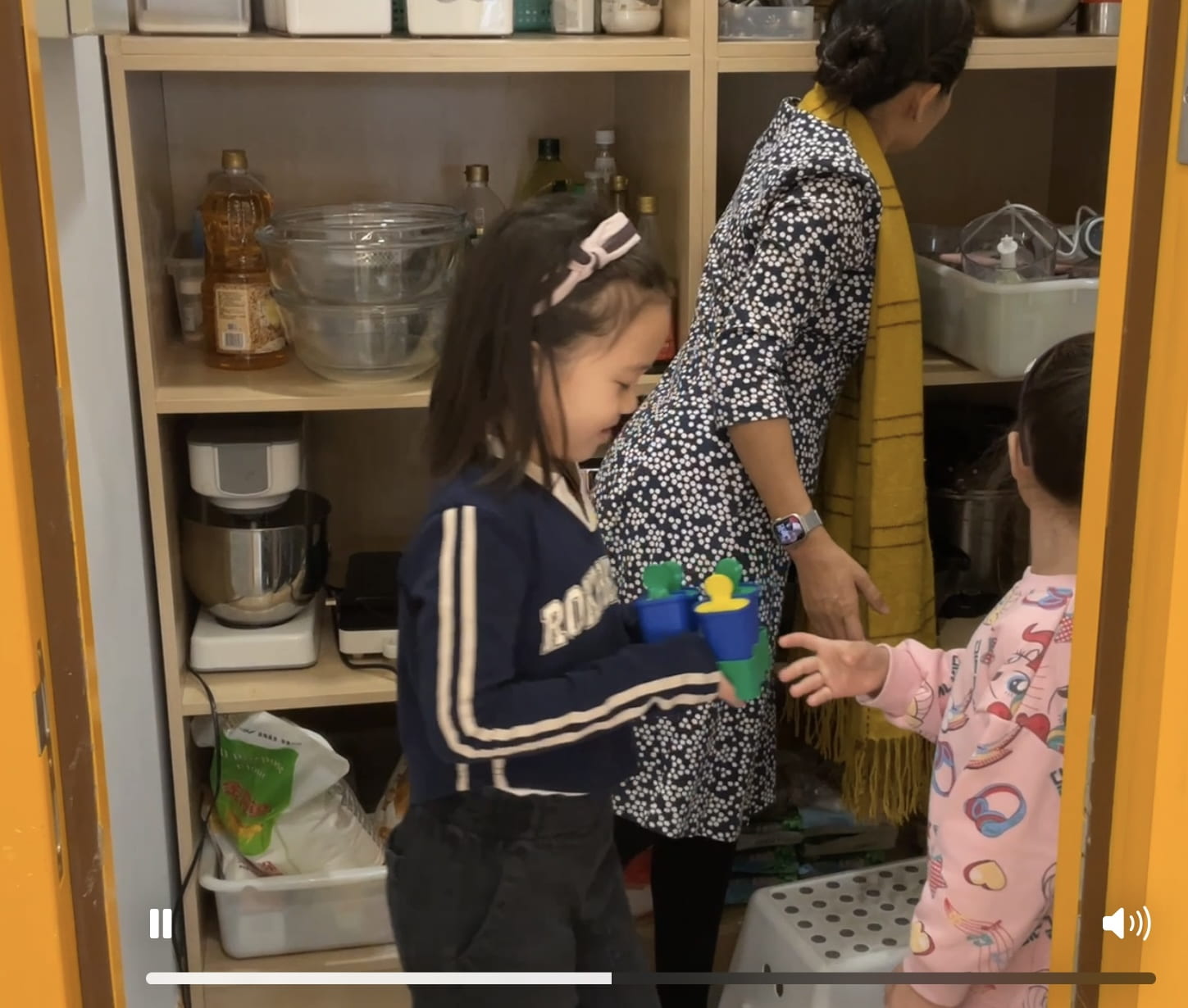
The children decided that they needed 16 moulds for the children and the teachers in K2A. But they only had 12! They used what they knew about numbers and calculations to help them solve the problem.
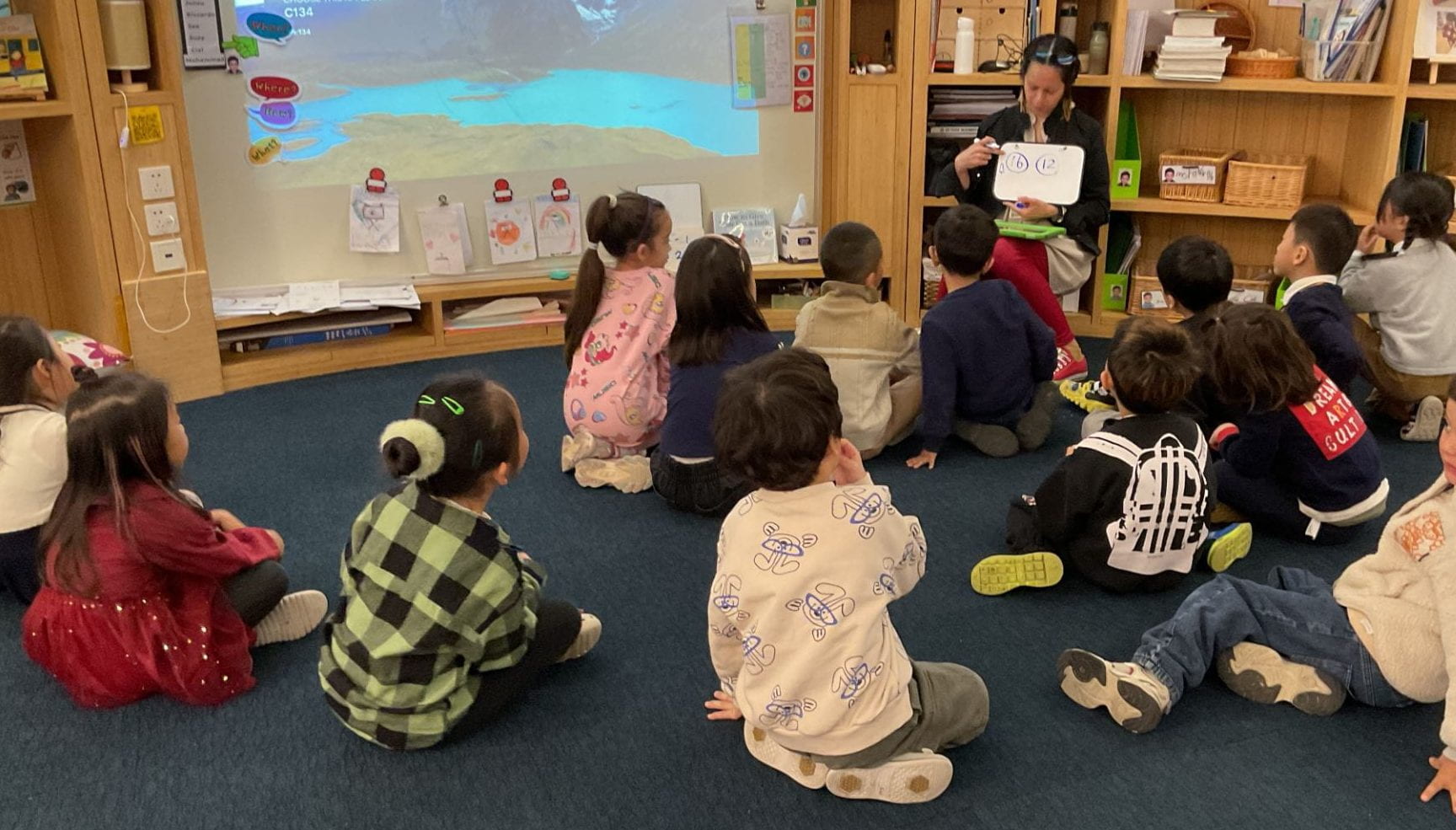

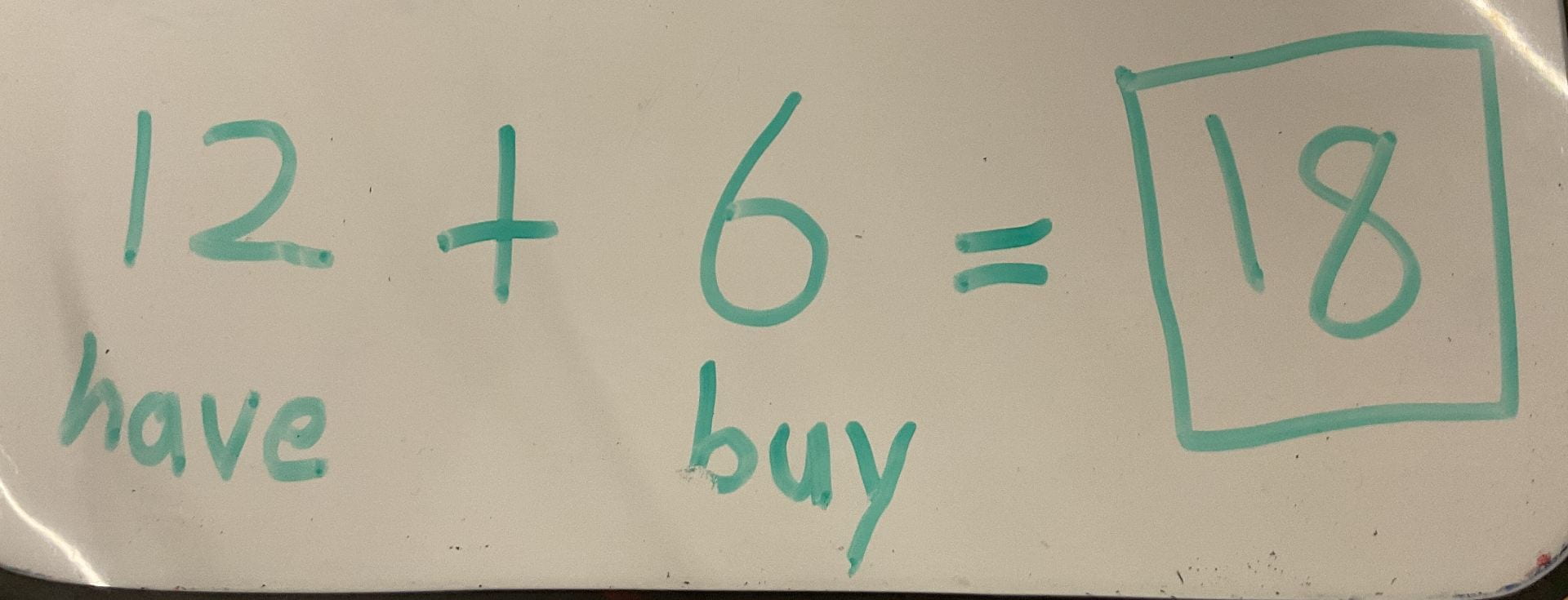
They decided that they need to buy 6 more moulds to have enough for everyone in K2A.
What do we know about money?
We have been planning a small group excursion to the supermarket in front of the school to buy a watermelon. This was the planned next step of our ‘Ice-pop Challenge Project’.
Jacob had learned that the watermelon would cost RMB 59. As a lead into the trip, we asked the children what they already knew about money.
- Archie “Buying stuff.”
- Adalyn “Buying food to eat.”
- Dahyun “Buying Lego and pants.”
- Riccardo “Where does money come from?”
- Archie “Everyone has money, but some Indian people do not because the tornado happened and outside they are littering so much. But Japan has money.”
- Isabella “The money is made of paper.”
- Jacob “Buying something, when you want to learn something, then you can use the money to buy it. Like cubes.”
- George “I have money. A little money. My mum gave me money. I use to buy toys.”
- Sea “I have so many money because I have Korea money. And I put the money in the box and I have Nanjing money too. I think face on the money is different.”
- Ciel “I have so many so I put in a piggy bank. It is a pig and there is a hole and we put the money, then it will be safe.”
- Junsu “I have lots of money and I don’t know how much money I get. My dad didn’t tell me. I got the money from dad.”
- Dahyun “Chinese money is different to Korean and Japanese money.”
- Euno “I go to Dahyun’s house on Monday and I see Dahyun’s money is many. But I have little money. My grandma gives me money in Korea.”
- Jacob “My home has lots of money but my mum and dad don’t tell me because then I will tell everybody and its not good. My money is more than other people. Other people want me to give money to him.”
- Suzy “How do we make money?”
- Ciel “We can make it with paper.”
- Sea “I think you need to make with water and paper. If money is like paper.”
- Jacob “I don’t know where we get money from but I know what is used to make it.”
- Ciel “We get it from the bank. My mum gets it. They will change the money. There is a little hole and you put it.”
- Adalyn “Work. My mum and dad work and can get some money.”
- Sea “Dad is so long time at home and another day short time. He gets money.”
- Jacob “My mum need to be at home to do our work. Like looking after me.”
- We keep money is our home.
- Archie “Give the money to the shop people.”
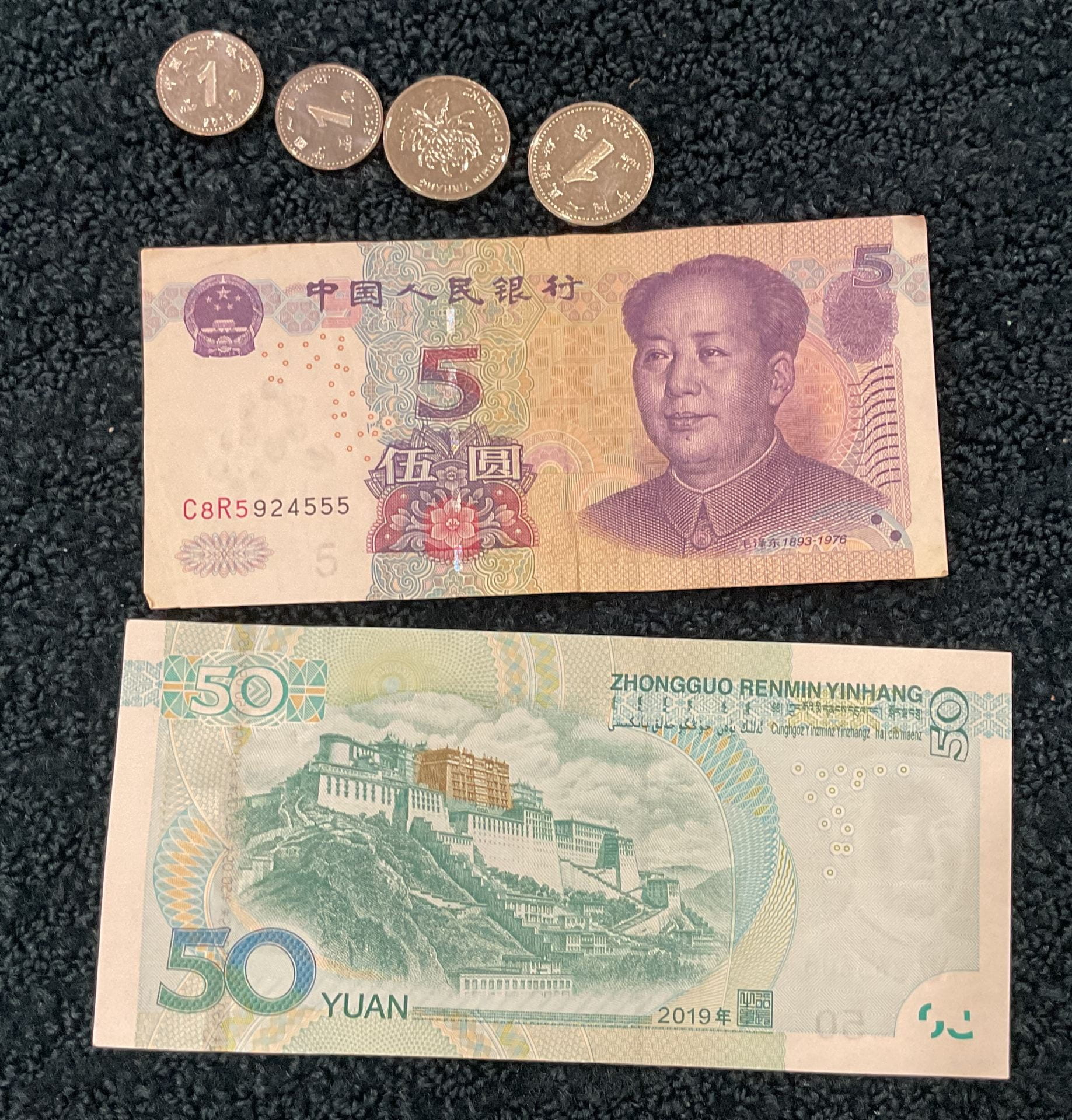
We decided to empty a wallet to find out how much money the teacher had. As we laid out the different coins and notes, The children began to talk about what they noticed about the money. We placed Base-10 blocks next to the notes and coins to talk about the value and calculate the total.
 The children were curious about the different writing, symbols and images on the notes and coins and how they signified currencies from other countries.

- Ciel “Money is also made of metal.”
- Archie “The money is on paper and the colour is rainbow.”
- Sea “Colour is different.”
- Ciel “Because 20 is smaller than 10. Because then we know they are not the same.”
- Euno “My money is five money, five 100 money.”
- Suzy “Maybe we use the paper to cut around. A long paper, not too big and not too small. Suzy When we go to the supermarket we will draw the number then other people can know how many coins does the paper have. My money and daddy need money to buy food, because when we eat all the food then we can’t buy food.”
Jacob decided to calculate to find out how much money was in the wallet. Then, he set aside RMB 59 to buy the watermelon.
 Next, a small group of children will visit the supermarket to buy the watermelon. Their research will help them calculate how many watermelons they will need to purchase to make enough ice pops for themselves and their Grade 5 buddies.